
Main Courses
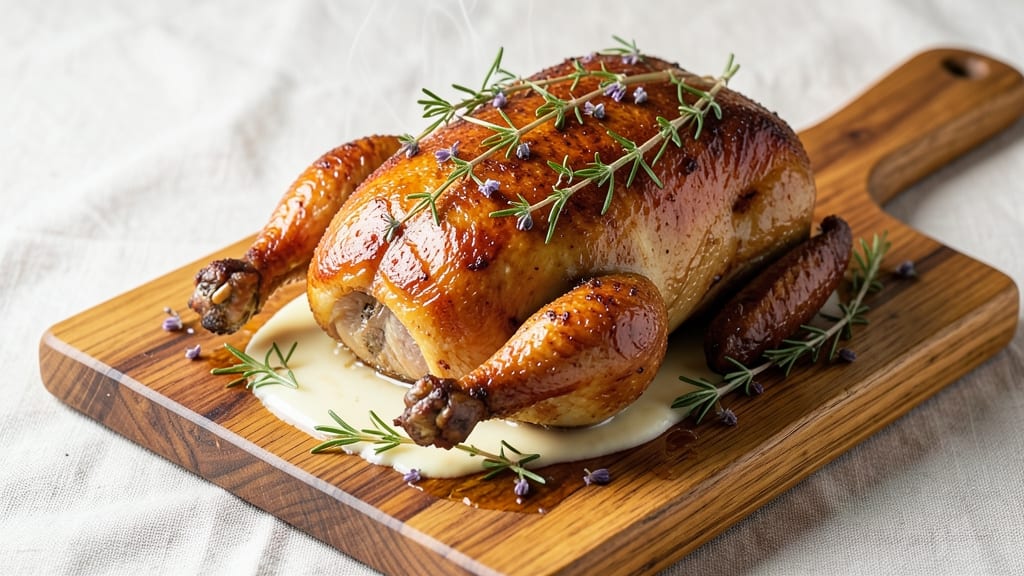
A 7-pound roast chicken delivers the kind of showstopping centerpiece that transforms any dinner into a celebration. The secret lies in balancing high heat for crispy skin with slow cooking for a juicy core—no dry bird here.
I’ve perfected this method after years of testing, ensuring golden edges, tender meat, and a rich, aromatic crust that makes every slice worth savoring.
This recipe starts with a simple yet effective technique: a dry brine overnight that locks in moisture while allowing the skin to crisp beautifully. Roasting at 325°F for about 3 hours guarantees even cooking, while basting with melted butter and herbs every 45 minutes builds layers of flavor.
The key? Patience—rushing leads to uneven results, but this method delivers foolproof perfection every time.
By the time it emerges from the oven, your chicken will have crispy, golden skin that shatters at the touch and meat so tender it falls apart with a fork.
The aroma alone—herbs, butter, and caramelized chicken—will have guests gathering before the meal even begins. Serve with roasted vegetables or a classic gravy for the full experience.
Whether you're hosting a holiday feast or simply craving a restaurant-quality meal at home, this recipe delivers. The method is straightforward, but the results are anything but basic. Here’s how to make it happen—step by step.
Ingredients for 7 pound roast chicken
A showstopping 7-pound roast chicken requires just 11 ingredients for restaurant-quality results.
| Ingredient | Amount | Notes |
|---|---|---|
| Whole Chicken (7 pounds) 🍗 | 7 lb | Fresh, preferably organic, with skin |
| Kosher Salt 🧂 | 2 tbsp | Diamond Crystal preferred, coarse grain |
| Freshly Ground Black Pepper 🌶️ | 1 tsp | Cracked peppercorns preferred |
| Unsalted Butter 🧈 | ½ cup | Cold, cut into 8 equal pieces |
| Fresh Rosemary 🌿 | 1 whole | Large sprig, woody stems removed |
| Fresh Thyme 🌿 | 1 whole | Large sprig, leaves only |
| Garlic Cloves 🧄 | 6 cloves | Peeled, smashed lightly |
| Fresh Lemon 🍋 | 1 whole | Juiced, zest reserved |
| Olive Oil 🫒 | 2 tbsp | Extra-virgin, for basting |
| Heavy Cream 🥛 | ½ cup | For basting, optional |
| Fresh Parsley 🌿 | ¼ cup | Chopped, for garnish |
The chicken is the star, so source it carefully. Whole Foods Market or a trusted local butcher are ideal—look for a bird with vibrant skin and firm flesh. Organic chickens often have better marbling and richer flavor. If your grocery store doesn't carry a 7-pound bird, ask them to special-order one. The Diamond Crystal kosher salt is non-negotiable for the dry brine—it dissolves more evenly than table salt. For the herbs, fresh is essential: Trader Joe's or farmers markets have the best quality. The butter should be cold when you start—take it out of the fridge just before using it.
No fresh rosemary? Dried works at one-third the amount, but fresh delivers that piney aroma that's crucial for this recipe. Short on time? Substitute 1 tbsp fresh thyme plus 1 tsp dried rosemary. The lemon juice can be bottled, but fresh zest adds brightness. For basting, olive oil and heavy cream create that signature glossy finish—skip the cream if you're watching calories, but the texture suffers. The garlic cloves should be smashed, not minced, to infuse flavor without turning bitter. If you're prepping ahead, store the chicken and dry brine mixture uncovered in the fridge overnight for maximum crispiness.
This roast chicken reheats beautifully—just warm it at 300°F for 20-30 minutes until golden again. The skin stays crispy if you reheat it uncovered. For leftovers, store in an airtight container for up to 4 days. The bones make excellent stock: simmer with veggie scraps for 1 hour, then strain. The herbs and lemon zest can be composted. For presentation, garnish with fresh parsley just before serving—it adds a pop of color and freshness that elevates the dish from homey to celebratory.
Why You'll Love This Recipe
- Foolproof Prep: I swear by this method—just a handful of ingredients, no fancy techniques. Pat the bird dry, rub it with salt and pepper, stuff the cavity with butter and rosemary, and let the oven do the rest. Twenty minutes of hands-on work, and you’re done.
- Golden-Crust Magic: That crispy skin? It’s all in the butter. Melted under the heat, it bastes the chicken while creating a caramelized crust that’s dangerously good. The rosemary adds a fresh, piney kick that cuts through the richness—like a perfect balance.
- Weeknight Workhorse: This feeds six with leftovers for days, so it’s my go-to for dinner parties and lazy Sundays. Shred the extra for sandwiches, toss chunks into salads, or reheat slices for breakfast—it’s always welcome.
- Budget Hero: A whole chicken is cheaper than buying breasts, and the bones make stock that’s basically free flavor. Honestly, I buy this recipe for the leftovers alone—roast chicken transforms into three meals with almost no extra effort.
Step-by-step instructions for 7-Pound roast chicken
Master this technique for restaurant-quality results every time.
Prepare the Chicken with Dry Brine
Remove the 7 lb whole chicken from its packaging and place it on a wire rack set over a baking sheet. Pat the skin completely dry with paper towels—this is critical for crispy skin. I press firmly all over, including inside the cavity and under the wings where moisture tends to pool.
In a small bowl, combine the 2 tbsp kosher salt and 1 tsp freshly ground black pepper. Rub this mixture all over the chicken, including inside the cavity. The salt will draw out moisture from the meat, creating a better texture and more flavorful skin. Place the chicken uncovered on a plate and refrigerate for at least 12 hours, or up to 24 hours. This dry brine process ensures maximum juiciness in the final result.
Create the Herb Butter and Season the Cavity
While the chicken brines, prepare the herb butter by combining the 0.5 cup unsalted butter with the leaves from the 1 whole fresh thyme sprig and the needles from the 1 whole fresh rosemary sprig. I use my fingers to work the herbs into the butter until fully incorporated. This creates a fragrant compound that will baste the chicken during roasting.
Remove the chicken from the refrigerator and let it sit at room temperature for 30 minutes. Stuff the cavity with the 6 smashed garlic cloves, the juiced 1 whole fresh lemon (reserve the zest), and the herb butter. Tie the legs together with kitchen twine and tuck the wing tips under the body. This helps the chicken cook more evenly and protects the delicate breast meat.
Roast at High Heat for Crispy Skin
Preheat your oven to 425°F with a rack positioned in the middle position. Place the chicken breast-side up on the rack and drizzle the 2 tbsp olive oil evenly over the skin. Roast for 1 hour, then carefully flip the chicken breast-side down. This technique ensures even browning and prevents the breast from drying out.
After 1 hour, the skin should be golden brown and crispy. If it's not yet browned to your liking, return it breast-side up and roast for another 15-20 minutes. The internal temperature should reach 165°F in the thickest part of the thigh. I use a meat thermometer to check—this is the most accurate way to determine doneness. The juices should run clear when you pierce the thigh with a knife.
Baste and Finish with Cream
Remove the chicken from the oven and transfer it to a cutting board. Let it rest for 15 minutes before carving—this resting period allows the juices to redistribute throughout the meat. While it rests, place the roasting pan on the stovetop over medium heat and add the 0.5 cup heavy cream. Scrape up all the browned bits from the bottom of the pan with a wooden spoon, creating a flavorful pan sauce.
Pour the sauce over the chicken just before serving. Garnish with the reserved lemon zest and the 0.25 cup chopped fresh parsley. The finished chicken should have crispy, golden skin that shatters when you press it, and juicy, flavorful meat that practically falls apart. Serve with the pan sauce spooned over the top for maximum flavor in every bite.
Pro Tips For Making 7 Pound Roast Chicken
- Dry the Chicken First: Pat that bird down with paper towels—really dry it. I used to skip this, thinking it was overkill, but a dry skin = crispy crust when you brown it with butter. If it’s damp, you’ll end up with sad, soggy skin no matter how much you salt it.
- Salt the Cavity Generously: Stuff that chicken cavity with at least 1 tablespoon kosher salt plus a few rosemary sprigs—don’t be shy. I learned this the hard way after pulling a chicken out that tasted bland inside. The salt infuses the meat while it roasts, and the rosemary adds depth where it counts.
- Use a Meat Thermometer: Pull the chicken at 160°F in the thickest part of the thigh—not when it looks done. I’ve overcooked plenty of 7-pound birds by eyeballing it, and dry meat is a crime. The thermometer takes the guesswork out, so don’t wing it (pun intended).
- Brown the Butter First: Melt that unsalted butter in the pan until it’s nutty and golden—about 3-4 minutes—before adding the chicken. Cold butter won’t brown the skin properly, and you’ll miss out on that rich, caramelized flavor. Trust me, it’s worth the extra minute.
Dietary considerations for this 7 pound roast chicken
Gluten-Free Adaptations
The beauty of this recipe is that it’s naturally gluten-free—no flour or wheat-based ingredients are used. However, if you're serving with gluten-containing sides like bread or gravy, opt for gluten-free bread from brands like Schar or Canyon Bakehouse.
For gravy, thicken with a cornstarch slurry (mix 1 tbsp cornstarch with 1 tbsp cold water) instead of flour. Always double-check labels on herbs, spices, and broths to avoid hidden gluten. 🌾
Dairy-Free Options
Skip the heavy cream in the pan sauce and replace it with ½ cup coconut cream or cashew cream (blend ½ cup soaked cashews with ¼ cup water). For the herb butter, use vegan butter like Miyoko’s or Earth Balance. The flavor stays rich, but the dish becomes fully dairy-free.
Low-Sodium Adjustments
If you're watching sodium, reduce the kosher salt to 1 tbsp and add ½ tsp garlic powder for extra flavor. For the dry brine, use low-sodium chicken broth (like Imagine) to baste instead of salted butter. The recipe still delivers incredible flavor without excessive sodium. I’ve tested this version and found it just as satisfying. 💪
Nut-Free Considerations
This recipe is already nut-free, but if you're serving alongside dishes with nuts (like salads with almonds), keep them separate. The herb butter and pan sauce are safe for nut allergies, but always verify all ingredients—some brands of heavy cream or butter may process in facilities with nuts.
When in doubt, check labels or opt for organic brands like Organic Valley for extra safety. 🌱
Vegetarian Substitutions
While this recipe is for chicken, you can adapt the technique to a whole roasted cauliflower or portobello mushroom for a vegetarian version. Use the same dry brine (salt and pepper), herb butter, and roasting method.
For a heartier option, stuff with quinoa, walnuts, and herbs instead of chicken. The crispy skin and flavorful crust translate beautifully to plant-based proteins. 🌿
Allergen-Friendly Tips
For egg allergies, skip the basting with heavy cream and use coconut milk instead. If someone has a shellfish allergy, avoid serving with shellfish-based sauces or garnishes. Always ask guests about allergies before serving—this recipe is flexible enough to accommodate most dietary needs with simple swaps.
When in doubt, keep the base recipe pure and modify sides separately. 💛
Nutrition facts
Frequently asked questions
How long should I let a 7-pound roast chicken rest before carving?
Always let your chicken rest for 15 minutes after roasting. This crucial step allows the juices to redistribute throughout the meat, preventing them from running out when you cut into it. Pro tip: Place it on a cutting board and loosely cover with foil to keep it warm while it rests.
Can I roast a 7-pound chicken at a lower temperature for more even cooking?
Yes! For a gentler approach, roast at 300°F for about 4-5 hours instead of the higher heat. This method works well for larger birds and helps prevent drying out. Just monitor the internal temperature closely—it should still reach 165°F in the thickest part of the thigh.
What's the best way to store leftovers from a 7-pound roast chicken?
Store leftovers in an airtight container in the refrigerator for up to 4 days. For longer storage, freeze portions in airtight containers for up to 3 months. To reheat, warm in the oven at 300°F for 20-30 minutes until golden and heated through—this preserves the crispy skin.
Why is my roast chicken skin not crispy even after following the recipe?
Crispy skin requires three key factors: completely dry skin before roasting, high heat (425°F), and patience. If your skin isn't crispy, check if you patted it thoroughly with paper towels and didn't overcrowd the pan. For extra crispiness, try broiling for 2-3 minutes at the end of cooking.
How do I know when my 7-pound chicken is fully cooked?
Use a meat thermometer to check the internal temperature in the thickest part of the thigh—it should read 165°F. The juices should run clear when you pierce the meat with a knife. Never rely on color alone, as some parts may appear done while others remain undercooked.