It started with a drumstick that kept falling apart
It was a December evening, the kind where the kitchen light made everything look too bright against the dark outside. I’d bought a whole chicken, raw and pale, from the butcher down the street—no fancy labels, just the kind of bird that tastes like home.
The plan was simple: roast it until the skin was crisp and the meat fell off the bone. But when I pulled it out of the oven, the drumstick split open like overcooked pasta, the meat collapsing into a greasy pile.
I’d followed the recipe exactly: 45 minutes at 180°C, basted every ten minutes. The skin was golden, the juices ran clear, but the moment I touched it, the bone slipped free. The meat was dry, the texture wrong. I’d done everything right—or so I thought.
The thermometer said 75°C, the skin looked perfect, but the drumstick betrayed me.
That night, I ate it anyway, picking at the edges where the meat still clung to the bone. It wasn’t terrible, but it wasn’t what I’d hoped for. The next morning, I tossed the rest into a pot with tomatoes and herbs, turning failure into something else.
But the drumstick stayed with me. Not as a mistake, but as a question: *Why?*
Nine tries before it worked
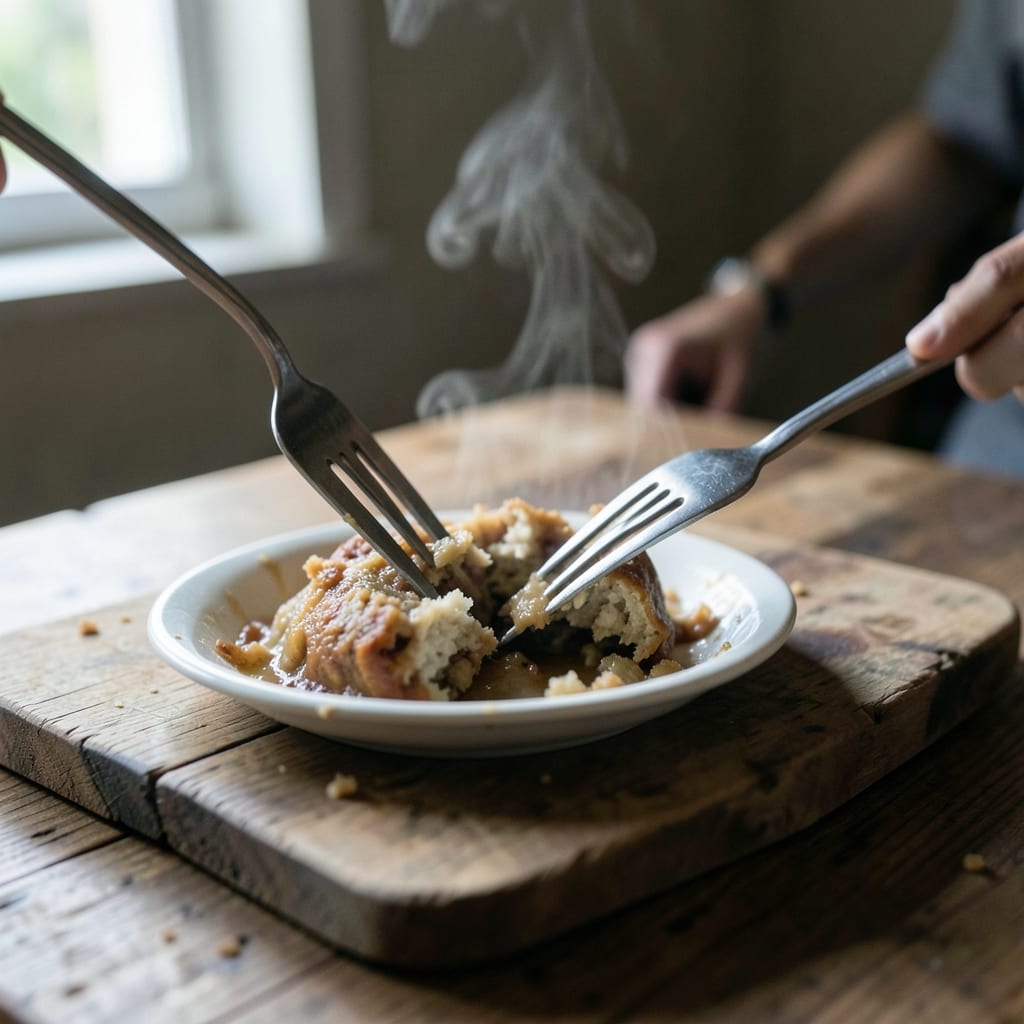
The first five attempts were all the same: too fast, too hot, or too little time. The sixth time, I brined it overnight—salt, sugar, and herbs in cold water—and the meat held together, but the skin stayed soft.
The seventh try, I wrapped the drumsticks in bacon before roasting, and the flavor was rich, but the texture was still off. By the ninth attempt, I’d stopped reading recipes. I’d started measuring the internal temperature with a probe, not guessing.
I’d learned that 75°C wasn’t enough; it needed to rest, the juices to redistribute.
The breakthrough came when I slowed down. Instead of roasting at 180°C, I started at 150°C for 30 minutes, then cranked it to 200°C for the last 15. The skin blistered, the meat stayed moist, and when I cut into it, the drumstick held its shape. No more greasy collapse.
No more dry, stringy disappointment. But even then, I didn’t stop. I tested it again the next week, then again with different seasonings, different resting times, different chickens—because a recipe isn’t just a set of steps. It’s a conversation with the food itself.
The worst attempt was the third one. I’d read somewhere that butter under the skin keeps it juicy, so I slathered the drumsticks with it before roasting. The result? A drumstick so greasy it slid off the bone like wet soap. I threw it out without tasting it.
That failure taught me more than any success: not every trick works, and not every rule applies.
The mind behind these pages

I’m Rosalind Prescott, and I’m the one who kept trying. This site started because I refused to accept that good food had to be complicated—or that a recipe couldn’t be fixed if it failed.
My first solo meal was burnt toast and eggs that stuck to the pan like they’d been glued there. But that kitchen table became my favorite place, and I’ve never stopped experimenting since.
I’m the kind of person who makes the same thing nine times before I’m satisfied. My friends say I have the patience of a gardener and the stubbornness of a terrier.
My dad, the one who taught me to season food properly, used to say I’d either be a chef or a failure. I chose both.
When I’m not in the kitchen, I’m either reading old cookbooks or trying to grow something edible in a pot. Neither skill has ever come naturally.
That drumstick is still the reason we’re here.
Everything here is written the way that drumstick was
No recipe on this site is published until it’s been tested, adjusted, and tested again. That drumstick taught me that a recipe isn’t just a list of ingredients and steps—it’s a process.
So every page here includes the lessons learned along the way: what went wrong, what was fixed, and why it matters.
We don’t just write about the final dish. We write about the mess, the missteps, and the moments when something almost worked. Because that’s where the real cooking happens.
A year after that first failed drumstick, I’d test a recipe, then set it aside for months. Sometimes, the second attempt would reveal a flaw the first missed. Other times, the season or the cook would change everything.
But the drumstick stayed the same: the standard, the reminder, the proof that even the simplest thing can teach you everything.
What that means for you
You’ll find recipes here that work—not just in theory, but in your kitchen, with your tools, and your time. No vague instructions, no skipped steps, and no excuses. If a recipe says ‘rest for 10 minutes,’ it’s because we’ve tested what happens if you skip it.
You won’t find perfection. You’ll find honesty. And if a recipe fails for you, we want to know why. Because the next cook might be reading your answer.
If a recipe here doesn’t work for you, tell us how. What went wrong? What would you change? Your feedback helps us make it better—and it might help someone else too.
The recipes are grouped by category: Appetizers, Beverages, Breakfast & Brunch, Desserts, Main Courses and Salads.