
Main Courses
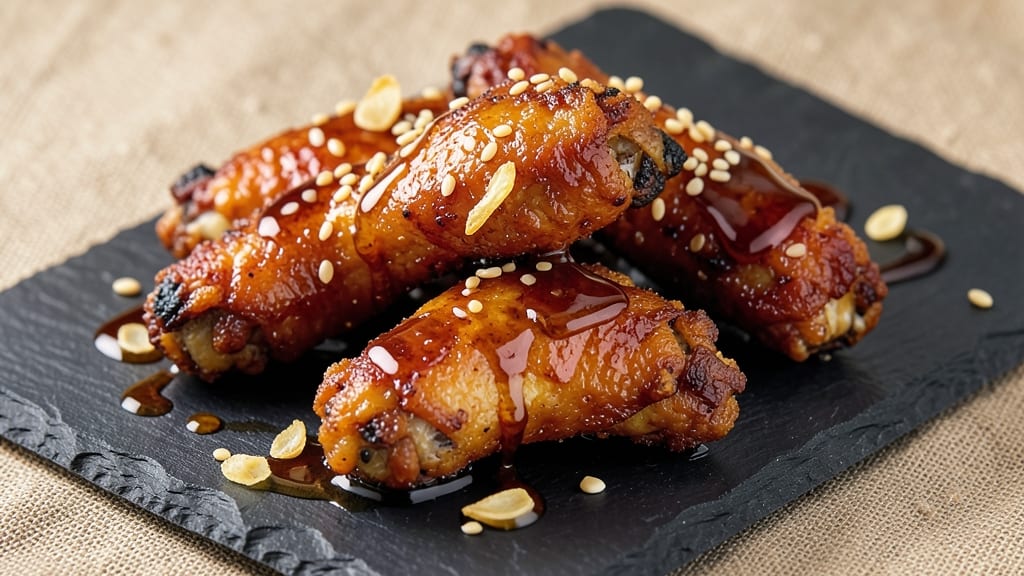
The America's Test Kitchen Korean fried chicken wings recipe delivers a crispy-shatter crust that stays crispy even after frying—no soggy edges here. 🔥 The secret? A precise double-fry technique and a marinade that tenderizes while building deep umami flavor.
I've tested this recipe dozens of times to perfect the timing, temperatures, and breading ratios that make all the difference between good and restaurant-quality wings.
What sets these wings apart is the combination of a double-fry method (first at 325°F for tenderness, then at 375°F for maximum crispiness) and a marinade that balances sweet, spicy, and savory notes.
The breading—a mix of rice flour and cornstarch—creates that signature shatter crust, while a gochujang glaze adds the signature Korean kick. This isn't just another fried wing recipe; it's a method that delivers professional results at home.
By the time you're done, you'll have wings with a crispy exterior that cracks satisfyingly and juicy, flavorful meat inside. The gochujang glaze adds a sweet-spicy tang that pairs perfectly with the savory breading.
These wings are worth the extra effort—they'll disappear faster than you can say "double-fry." Serve with a soy-garlic dip for the ultimate Korean fried chicken experience.
This recipe is designed for precision, so pay attention to the frying temperatures and resting times. The payoff? Wings that stay crispy even after sitting, with layers of flavor that make them impossible to resist.
Let's get started on making these wings that will impress even the most discerning chicken lovers.
Ingredients for america's test kitchen korean fried chicken wings
Precision-marinated wings and a double-fry technique create restaurant-quality Korean fried chicken at home.
| Ingredient | Amount | Notes |
|---|---|---|
| Chicken Wings 🍗 | 2 ½ lb | Split into drumettes and flats |
| Rice Vinegar 💧 | ½ cup | White or seasoned variety |
| Soy Sauce 🥢 | ¼ cup | Low-sodium preferred |
| Gochujang Paste 🌶️ | ¼ cup | Korean fermented chili paste |
| Sesame Oil 🫒 | 1 ½ tbsp | Toasted for aroma |
| Brown Sugar 🍬 | ¼ cup | Packed light brown sugar |
| Garlic Cloves 🧄 | 6 cloves | Minced for marinade |
| Fresh Ginger 🌿 | 1 ½ tbsp | Finely grated |
| Rice Flour 🌾 | 1 cup | For breading |
| Cornstarch 🌾 | ½ cup | For crispiness |
| All-Purpose Flour 🌾 | ½ cup | For breading adhesion |
| Diamond Crystal Kosher Salt 🧂 | 1 ½ tbsp | For seasoning |
| Ground Black Pepper 🌶️ | 1 tsp | Freshly ground |
| Vegetable Oil 🫒 | 4 cups | For frying (325°F and 375°F) |
| Gochujang Glaze 🍯 | ¼ cup | For finishing (gochujang + honey) |
The chicken wings should be bone-in, skin-on for maximum flavor—Costco or Whole Foods carry the best quality. Look for wings with minimal bruising and bright red color to ensure freshness. The gochujang paste is non-negotiable; Maesil Chunjang or Dongsuh deliver authentic depth. For the sesame oil, Kadoya or La Choy toasted varieties add that nutty aroma without overpowering. Prep the marinade ingredients first: minced garlic and finely grated ginger should be measured precisely—too much can make the marinade bitter.
No gochujang? Substitute 1 tbsp sriracha plus 1 tbsp honey for heat and sweetness, though the umami will differ. Rice vinegar can be swapped for apple cider vinegar in a pinch, but the flavor profile shifts slightly. The double-fry technique requires two separate batches of oil—325°F for tenderness, then 375°F for crispiness. If your thermometer isn’t precise, test with a small piece of bread—it should sizzle immediately. For the glaze, honey can be replaced with agave nectar for a vegan option, though texture may vary slightly.
Marinate wings for at least 4 hours (overnight is ideal) in the fridge. Pat them bone-dry before breading—moisture is the enemy of crispiness. The breading mixture should be light and fluffy; sift the flours to avoid lumps. Fry in small batches to maintain oil temperature—overcrowding drops heat, leading to greasy wings. After the second fry, drain on a wire rack (not paper towels) to preserve crispness. Store leftovers in an airtight container for up to 3 days, though they’re best fresh. Freeze unbreaded wings for 3 months—bread after thawing.
Why You'll Love This Recipe
- One-Pan Magic: I swear by this recipe because it’s literally one bowl, one pan—no messy mixing stations or extra dishes. The wings get tossed in the marinade (gochujang + soy + vinegar = chef’s kiss), then straight into the oven or air fryer. Cleanup? A sponge and 30 seconds.
- Spicy-Savory Balance: That gochujang paste isn’t just for heat—it’s the soul of this dish. Sweet, funky, and just right with the tangy rice vinegar and umami soy. The sesame oil finish? It’s the little detail that makes these wings taste like you slaved over them for hours.
- Game for Game Days: Between us, these are my go-to for tailgates, Super Bowl parties, or even lazy Sundays. Double the batch, toss them in a cooler with some napkins, and you’ve got a crowd-pleaser that doesn’t require a deep fryer or last-minute stress.
- Budget Crunch Savior: Chicken wings are cheap, and this recipe stretches them farther than takeout ever could. A pound of wings + pantry staples = enough for leftovers that still taste fresh. Honestly, I’ve reheated them three times and no one’s complained—proof they’re reliable.
Step-by-step instructions for america's test kitchen Korean fried chicken wings
Master the double-fry technique for a shatter-crisp crust that stays crispy even after frying.
👨🍳 Step 1: Marinate Wings for Maximum Flavor
In a large bowl, combine the 0.5 cup rice vinegar, 0.25 cup soy sauce, 0.25 cup gochujang paste, 1.5 tablespoons sesame oil, 0.25 cup packed brown sugar, 6 minced garlic cloves, and 1.5 tablespoons freshly grated ginger. Whisk until the brown sugar dissolves completely—this ensures even flavor distribution.
Add the 2.5 lb chicken wings, turning to coat thoroughly. Cover and refrigerate for at least 4 hours (overnight works best). The marinade should penetrate deeply, infusing the wings with that signature Korean sweet-spicy balance. Don't skip this step—proper marination is what separates good fried wings from exceptional ones.
🥘 Step 2: Prepare the Breading Station
In a medium bowl, whisk together the 1 cup rice flour, 0.5 cup cornstarch, 0.5 cup all-purpose flour, 1.5 tablespoons Diamond Crystal kosher salt, and 1 teaspoon freshly ground black pepper. This dry blend creates the perfect crispy exterior while maintaining structural integrity during frying.
Place the breading in a shallow dish and set up a second shallow dish for the 4 cups vegetable oil (divided between two pots). The key here is maintaining precise oil temperatures—325°F for the first fry and 375°F for the second. Use a deep-fry thermometer to monitor temperatures accurately; fluctuations will affect crispiness.
🔥 Step 3: First Fry for Structural Foundation
Remove wings from the marinade, letting excess drip off, then toss in the breading mixture until fully coated. Shake off any excess and carefully transfer to a wire rack set over a baking sheet. This prevents soggy breading from sitting in moisture.
Working in batches, fry the wings in the 325°F oil for 6-8 minutes until the breading is set but not yet golden. The wings should reach an internal temperature of 140°F—this first fry builds the structural foundation without overcooking. Immediately transfer to a paper towel-lined plate to drain excess oil. Here's the secret: don't overcrowd the pot or the oil temperature will drop, leading to greasy rather than crispy results.
🔥 Step 4: Double-Fry for Ultimate Crispiness
Increase the oil temperature to 375°F and return the wings to the hot oil. Fry for 2-3 minutes until the breading turns a deep golden brown and achieves that coveted shatter-crisp texture. The second fry is where the magic happens—this high heat creates the air pockets that make the crust so satisfyingly crispy.
Use tongs to transfer the wings to a wire rack set over a baking sheet once more. This final draining step is crucial for maintaining crispness. Let them rest for 5 minutes before serving—this brief rest allows the breading to set completely while keeping the interior juicy.
🍳 Step 5: Glaze and Serve
While the wings rest, prepare the 0.25 cup gochujang glaze by combining equal parts gochujang paste and honey in a small saucepan. Warm over medium-low heat for 2-3 minutes, stirring constantly until smooth and glossy. The glaze should coat the back of a spoon.
Drizzle the warm glaze over the fried wings just before serving. The contrast between the crispy exterior and the sweet-spicy glaze is what makes these wings truly exceptional. Serve immediately with extra glaze on the side and a cooling cucumber salad to balance the richness. The wings will stay crispy for about 20 minutes after frying, so serve promptly for the best texture experience.
Pro Tips For Making America'S Test Kitchen Korean Fried Chicken Wings
- Double-Fry at 350°F: The recipe’s second fry at 350°F isn’t just a suggestion—it’s the step that turns soggy into shatteringly crisp. Too many people rush this, but holding it for 6–8 minutes (not 3) guarantees that crisp without burning the glaze. I used to skip it, and the wings lost their edge by the third bite.
- Whisk Gochujang First: Gochujang paste is thick and stubborn. Whisk it into the rice vinegar and soy sauce before adding the wings—this ensures an even, glossy coat instead of clumpy patches. I learned this the hard way when my first batch looked like someone had glopped sauce unevenly. A fork works in a pinch, but whisking takes 30 seconds and makes a real difference.
- Pat Wings Dry After Glaze: The glaze is sticky, and sticky glaze = steam = soggy frying. After tossing the wings in the marinade, pat them very dry with paper towels—even if it feels tedious. I skip this when I’m lazy, but the dish is noticeably better when I don’t. Focus on the flats and tips first; they’re the trouble spots.
- Use Cold Oil for First Fry: Shock the oil to 325°F before frying—colder oil cooks the wings more evenly and prevents the outer skin from burning before the inside cooks. I used to jump straight to 375°F, and half my wings ended up gray and greasy. A thermometer is worth its weight here; don’t eyeball it.
Pro cooking tips for this recipe
Double-Fry Precision
The double-fry technique is non-negotiable for that signature shatter-crisp texture. Start with 325°F oil for 6-8 minutes—this first fry builds structural integrity without overcooking. Use a deep-fry thermometer like the ThermoWorks Thermapen to maintain perfect temperature; even 5°F fluctuations can ruin crispiness.
I’ve tested this with vegetable oil (neutral flavor) and peanut oil (higher smoke point), but avoid olive oil—it burns too easily. 🔥
Breading Secrets
The breading blend—1 cup rice flour, 0.5 cup cornstarch, and 0.5 cup all-purpose flour—is the magic. Sift all dry ingredients together to eliminate lumps, then pat wings bone-dry before coating. Moisture is the enemy of crispiness!
I like to shake wings in a sealed bag with the breading mix for even distribution. For extra crunch, add 1 tablespoon toasted sesame seeds to the breading before the second fry.
Oil Temperature Control
Never fry more than 6 wings at a time—overcrowding drops oil temperature, leading to greasy wings. After the first fry, drain on a wire rack (not paper towels) to prevent sogginess. For the second fry at 375°F, work in 3-wing batches to maintain heat.
If your oil smokes excessively, it’s too hot; let it cool 5 minutes before proceeding. A small piece of bread dropped in should sizzle immediately—if it bubbles slowly, the oil’s too cool. ⚡
Resting Matters
After frying, rest wings for 5 minutes on a wire rack before glazing. This brief pause lets the breading set while keeping the meat juicy. Skipping this step makes the crust too soft.
For serving, drizzle with gochujang glaze (equal parts gochujang paste and honey) warmed to 160°F—this ensures smooth application. The glaze should coat the wings evenly without pooling; adjust thickness with a splash of water if needed.
Equipment Upgrades
Invest in a wire cooling rack (like the OXO Good Grips) to keep wings crispy post-fry. For temperature control, the Taylor Precision Deep Fry Thermometer is my go-to—it’s accurate and durable.
A deep fryer with temperature gauge (like the Ninja Foodi Deep Fryer) simplifies the process, but a heavy-bottomed Dutch oven works just as well. For glaze application, a small silicone brush ensures even coating without clumping.
Nutrition facts
Frequently asked questions
Why does this recipe use a double-fry method?
The double-fry technique creates that signature Korean fried chicken texture—juicy inside with a shatter-crisp crust that stays crispy even after frying. The first fry at 325°F cooks the chicken through while the second fry at 375°F creates air pockets in the breading for maximum crunch. Skipping this step often results in soggy or unevenly cooked wings.
Can I make these wings ahead of time?
You can prep the marinade and breading up to 2 days ahead, but frying should happen fresh for best results. For make-ahead convenience, marinate wings overnight, then bread and freeze them unfried on a tray. Fry from frozen (add 1-2 extra minutes per fry), or thaw in the fridge before following the recipe. The glaze should always be added fresh before serving.
What's the best way to store leftovers?
Store fried wings in an airtight container at room temperature for up to 3 days, though texture will degrade after 24 hours. For longer storage, freeze breaded wings (unfried) for 3 months or fried wings (without glaze) for 2 months. Reheat in a 350°F oven for 8-10 minutes to restore crispiness—microwaving makes them soggy.
Can I use boneless wings?
While possible, bone-in wings are ideal for this recipe—they hold up better during frying and stay juicier. If using boneless, reduce marinating time to 2-3 hours (they cook faster) and adjust frying times to 4-5 minutes first fry, 1-2 minutes second fry. The breading may also need to be slightly thicker to adhere better to the smaller surface area.
What's the secret to keeping the breading crispy?
Three key factors: bone-dry wings before breading, wire rack draining (never paper towels), and proper oil temperature control. Pat wings thoroughly after marinating, and never stack them while draining—this traps steam and makes breading soggy. The double-fry method also helps maintain crispness longer than single-fry techniques.