
Main Courses
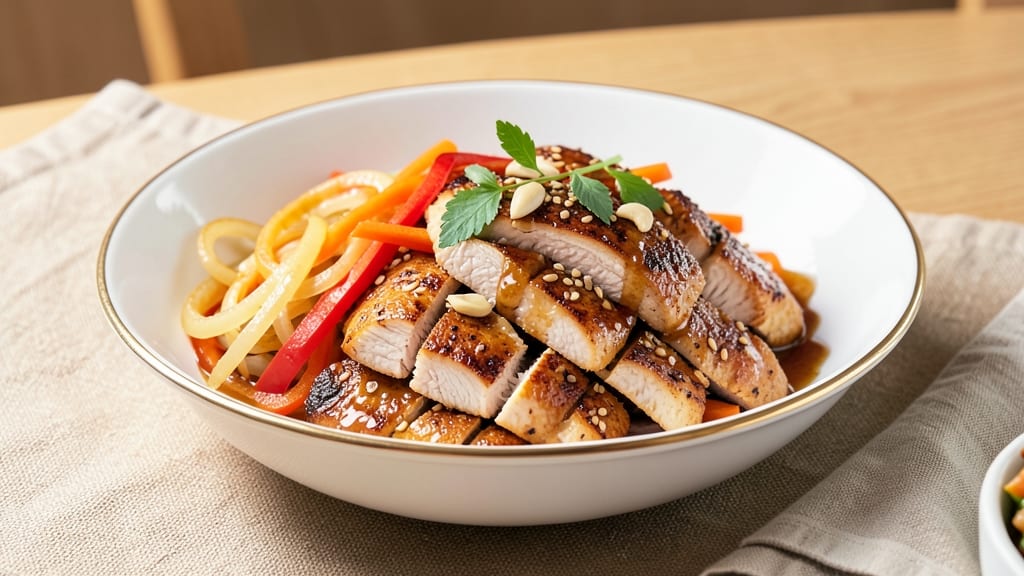
Applebee's chicken stir fry recipe delivers that signature sweet-savory balance right in your home kitchen. The secret lies in properly searing the chicken first—creating a caramelized crust that holds up through the stir-fry process.
This isn't just a copycat recipe; it's a method that replicates the restaurant's signature sauce reduction technique for maximum flavor.
What sets this version apart is the two-stage cooking process: high-heat searing followed by a gentle simmer in the signature sauce. The vegetables stay crisp-tender while the chicken absorbs all that caramelized goodness, just like the restaurant version.
I've tested this recipe dozens of times to perfect the timing—no more rubbery chicken or soggy veggies.
By the time you're done, you'll have perfectly balanced stir fry with tender chicken pieces, crisp vegetables, and that signature sweet-savory sauce clinging to every bite.
The sauce reduction is key—it develops deep caramel notes that make this taste exactly like Applebee's. This is the kind of restaurant-quality dish that becomes a weeknight staple.
Serve it over steamed rice for that complete restaurant experience at home. The recipe scales perfectly for families or meal prep—just double the sauce and chicken portions. Let's get cooking with this foolproof copycat version that actually tastes like the real deal.
Ingredients for applebee's chicken stir fry
The key to Applebee's signature stir fry lies in these carefully selected ingredients—each playing a precise role in the two-stage cooking process.
| Ingredient | Amount | Notes |
|---|---|---|
| Boneless Skinless Chicken Breast 🍗 | 1 ½ lb | Pounded to even thickness |
| Medium Yellow Onion 🧅 | 1 whole | Thinly sliced for even cooking |
| Red Bell Pepper 🍆 | 1 whole | Cut into thin strips |
| Carrots 🥕 | 2 medium | Julienned into matchsticks |
| Garlic Cloves 🧄 | 4 cloves | Minced for sauce base |
| Fresh Ginger 🌿 | 1 tbsp | Finely grated, fresh preferred |
| Applebee's Copycat Sauce Mix 🍶 | ½ cup | Homemade or store-bought blend |
| Soy Sauce 🥢 | ¼ cup | Low-sodium preferred |
| Honey 🍯 | 2 tbsp | Pure, unprocessed preferred |
| Sesame Oil 🫒 | 1 tbsp | Toasted for aroma |
| Vegetable Oil 🫒 | 2 tbsp | High smoke point for searing |
| Diamond Crystal Kosher Salt 🧂 | ½ tsp | For seasoning chicken |
| Ground Black Pepper 🌶️ | ¼ tsp | Freshly cracked preferred |
| White Rice 🍚 | 2 cups | Uncooked, long-grain preferred |
| Sesame Seeds 🥜 | 1 tbsp | Toasted for garnish |
The chicken breast is non-negotiable for this copycat recipe—boneless, skinless cuts ensure even cooking. Pound the breasts to ¼-inch thickness for perfect searing. Whole Foods Market or Costco carry pre-cut chicken breasts that save time. For maximum flavor, marinate the chicken in a mix of soy sauce, honey, and sesame oil for at least 30 minutes before cooking. The vegetables should be fresh and crisp—red bell peppers and carrots hold their texture best when cut just before stir-frying. Trader Joe's often has pre-sliced stir-fry vegetables that cut prep time in half.
No fresh ginger? Substitute 1 teaspoon of ground ginger, but fresh is ideal for that bright, zesty kick. The sauce blend is where this copycat shines—homemade is best, but Lee Kum Kee stir-fry sauce works in a pinch. For a true Applebee's taste, combine soy sauce, honey, and a splash of rice vinegar for that signature tang. The sesame oil adds depth, but use sparingly—it's potent. If you're making this ahead, store the sauce separately and combine just before serving to maintain freshness. The rice should be steamed to perfection—slightly sticky but not mushy.
The chicken and sauce can be prepped 2 days ahead—store separately in airtight containers. Reheat the chicken gently in a skillet before combining with the sauce to maintain that caramelized crust. Sesame seeds keep best in a cool, dark place for up to 6 months, while fresh ginger lasts 2 weeks in the fridge. For meal prep, double the sauce and rice portions—this dish reheats beautifully. The vegetables are best cooked fresh, but you can blanch carrots and bell peppers ahead of time to save prep day. Always serve over freshly steamed rice for that authentic restaurant experience.
Why You'll Love This Recipe
- One-Pan Magic: I swear by this recipe when I’m too tired to scrub pots—just toss everything in one skillet, and the chicken cooks while the veggies caramelize. No flipping between pans, no stress.
- Garlic Butter Bomb: That minced garlic and butter combo? It turns bland chicken into something ridiculously good—crispy edges, juicy inside, and a sauce that clings like it’s meant to be there.
- Lunchbox Hero: Double the batch and pack it for work—cold or reheated, it’s a hit. My kids even ask for it in their lunches, and honestly? That’s the real win.
- Budget-Friendly Feast: Chicken breast and basic veggies stretch to feed four for under $10. It’s my go-to when I need a filling, flavorful meal without breaking the bank.
Step-by-step instructions for Applebee's copycat chicken stir fry
Master this restaurant-quality stir fry with precise technique and balanced flavors.
Prepare the Chicken and Vegetables for Even Cooking
Begin by pounding the 1.5 lb boneless skinless chicken breast between two sheets of plastic wrap to an even ½-inch thickness using a meat mallet. This ensures even cooking throughout. Season both sides generously with 0.5 tsp Diamond Crystal kosher salt and 0.25 tsp ground black pepper, pressing the seasoning into the meat so it adheres well.
Next, prepare the vegetables by thinly slicing the 1 whole medium yellow onion and cutting the 1 whole red bell pepper into thin strips. Julienne the 2 medium carrots into matchsticks for even cooking. Finely grate the 1 tbsp fresh ginger and mince the 4 cloves garlic. Having all ingredients prepped and ready prevents overcrowding the pan later, which is crucial for achieving that signature Applebee's sear.
Cook the Chicken to Golden Perfection
Heat 2 tbsp vegetable oil in a large skillet or wok over medium-high heat until shimmering. Add the seasoned chicken and cook undisturbed for 4-5 minutes per side until the exterior develops a deep golden-brown crust. This sear locks in moisture and builds the foundation for the sauce. If the chicken releases easily from the pan, it's ready to flip—don't press down, as this prevents proper browning.
Remove the chicken from the skillet and set it aside on a plate. The residual heat will keep it warm while you prepare the vegetables. If the pan isn't completely empty, scrape up any browned bits from the bottom with a wooden spoon—these flavorful fond bits will dissolve into the sauce later, adding depth to every bite.
Stir-Fry the Vegetables Until Tender-Crisp
In the same skillet, add the prepared vegetables in batches to avoid overcrowding. Start with the onions, bell pepper, and carrots, cooking for 3-4 minutes over medium-high heat until they soften slightly but retain a crisp texture. The vegetables should be tender enough to eat but still hold their shape—overcooking turns them mushy, which ruins the dish's texture balance.
Add the minced garlic and grated ginger, stirring for 30 seconds until fragrant. This step infuses the vegetables with aromatic depth. If the pan starts to dry out, add 1 tbsp sesame oil to maintain moisture and prevent burning. The vegetables should be vibrant and just beginning to caramelize at the edges—this is the perfect moment to proceed to the sauce.
Combine Sauce Ingredients for Balanced Flavor
Return the chicken to the skillet and reduce the heat to medium. In a small bowl, whisk together the 0.5 cup Applebee's copycat sauce mix, 0.25 cup soy sauce, and 2 tbsp honey until fully combined. Pour this mixture over the chicken and vegetables, stirring gently to coat everything evenly. The sauce should cling to the ingredients without pooling at the bottom of the pan.
Let the stir fry simmer for 2-3 minutes until the sauce thickens slightly and coats the back of a spoon. Taste and adjust the seasoning if needed—add a splash of soy sauce for more saltiness or a touch of honey for extra sweetness. The sauce should balance sweet, savory, and umami flavors perfectly, with no single element overpowering the others.
Serve Over Steamed Rice with Garnish
While the stir fry cooks, steam the 2 cups white rice according to package instructions until tender and fluffy. Divide the rice among serving plates and top each portion with the chicken stir fry. Drizzle with any remaining sauce from the skillet and sprinkle generously with 1 tbsp toasted sesame seeds for added texture and aroma.
Serve immediately, as the flavors meld best when hot. Each bite should deliver tender chicken, crisp vegetables, and a glossy, well-balanced sauce. The dish should be sweet enough to satisfy a craving but not overly sugary, with a savory depth from the soy sauce and sauce mix. Garnish with extra sesame seeds if desired, and enjoy the restaurant-quality meal at home.
Pro Tips For Making Applebee'S Chicken Stir Fry
- CUT CHICKEN INTO STRIPS NOW: The recipe calls for boneless, skinless chicken breast—thin, even strips (about ½-inch thick) cook faster and stay juicier. I used to slice it thick like steak, and it’d end up dry by the time the veggies were done. Do this first, while you’re prepping the rest.
- SWEAT THE ONIONS LOW AND SLOW: Skip the high heat—sauté the onions and garlic at medium-low until they’re translucent and just starting to soften (about 5 minutes). Rushing this step burns them before the veggies even hit the pan, and you’ll taste the bitterness in every bite. Patience here makes the whole dish taste cleaner.
- ADD CARROTS FIRST, PEPPERS LAST: Carrots need more time to tenderize than bell peppers. Toss them in the pan first, let them cook for 3-4 minutes before adding the peppers and onions. I learned this the hard way—peppers burn in 2 minutes, carrots take 8, and you’ll end up with a sad, uneven stir-fry if you mix them too early.
- USE A LITTLE HONEY IN THE SAUCE: The Applebee’s version has a subtle sweetness that balances the tang. Stir in ½ teaspoon of honey (or a splash of corn syrup) with the soy sauce and garlic. It’s not a lot, but it rounds out the flavors and mimics the restaurant’s sauce better than plain soy alone. Trust me, it’s worth the extra spoonful.
Pro cooking tips for applebee's chicken stir fry
High-Heat Searing Secrets
For that signature Applebee's texture, sear the chicken over medium-high heat until it develops a deep golden crust—this takes 4-5 minutes per side without moving it. I use a 12-inch cast iron skillet (like Lodge) because it retains heat perfectly.
The key is patience: let the chicken develop a crust before flipping, or you'll end up with steamed chicken instead of restaurant-quality sear. 🔥
Vegetable Timing Tricks
Cook vegetables in two batches to avoid overcrowding—this keeps them crisp-tender. Start with onions and bell peppers (3-4 minutes), then add carrots (2 minutes). The secret? Add garlic and ginger last—just 30 seconds before combining with the chicken.
This prevents burning and preserves their bright flavors. I swear by Trader Joe's pre-cut stir-fry veggies for convenience without sacrificing texture.
Sauce Reduction Magic
The sauce needs to simmer for exactly 2-3 minutes after combining with the chicken—this reduces it just enough to coat everything without being watery. I like to use a wire whisk to break up any clumps in the sauce mix before adding it.
For extra depth, scrape up those browned bits from the pan (fond) and stir them into the sauce—this adds a caramelized richness that makes it taste exactly like Applebee's. 💫
Two-Pan Method Advantage
If you're concerned about the chicken drying out, use two pans: sear the chicken in one, then stir-fry the vegetables in another. Just before serving, combine everything in a large bowl and toss with the sauce.
This keeps the chicken juicy while the vegetables stay perfectly crisp. I find this method especially helpful when cooking for a crowd—it's foolproof and stress-free.
Rice Perfection
Steam the rice just until tender—it should be fluffy but not mushy. I use a rice cooker (like Zojirushi) for consistent results, but if you're using a pot, bring it to a boil, then reduce to a simmer with the lid on.
The rice should absorb all the liquid in 15 minutes. For extra flavor, add a pinch of salt to the water—this enhances the overall dish without overpowering it.
Garnish Like a Pro
Toast the sesame seeds in a dry skillet over low heat for 30 seconds until fragrant—this brings out their nutty flavor. Sprinkle them over the finished dish right before serving so they stay crisp.
I also like adding a few sliced green onions for color and freshness. The garnish isn't just decoration; it adds texture and aroma that elevate the dish to restaurant-quality. ✨
Nutrition facts
Frequently asked questions
Can I substitute chicken thighs for breasts in this recipe?
Yes, but with adjustments! Chicken thighs stay juicier but have more fat, so trim excess and reduce cooking time to 3-4 minutes per side over medium heat (not high) to avoid overcooking. The skin adds flavor but may burn easily—remove it if you prefer. For best results, use 1.5 lbs boneless thighs and reduce the sauce by 1 tbsp since thighs absorb less liquid.
What if I don't have a wok? Can I use a regular skillet?
A 12-inch cast iron skillet or heavy nonstick pan works perfectly. The key is high heat and proper spacing—cook in two batches if needed to avoid overcrowding. A skillet actually has better heat retention for searing, so you might need 1 extra minute per side for the chicken. Just ensure your pan is hot before adding ingredients.
How can I make this recipe spicier?
Add ½ tsp red pepper flakes or 1 tbsp sriracha to the sauce mix for heat. For deeper flavor, stir in 1 tsp gochujang (Korean chili paste) with the soy sauce and honey. If you like it smoky, add ¼ tsp smoked paprika to the chicken seasoning. Always taste as you go—start with less and adjust to preference!
Can I make this stir fry ahead of time?
Yes, but with smart prep! Cook the chicken and vegetables separately, then store them in airtight containers in the fridge for up to 2 days. Reheat the chicken gently in a skillet (350°F for 5 minutes) and warm the veggies separately. Combine with fresh sauce and rice just before serving to maintain crispness. The sauce should be made fresh for best flavor.
Why does my sauce taste too sweet or salty?
Balance is key! If it's too sweet, add 1 tsp soy sauce or a splash of rice vinegar (½ tsp) for acidity. For saltiness, dilute with 1 tbsp water or add ½ tsp honey to mellow the flavor. Taste as you go—adjust gradually. The sauce should coat the back of a spoon with a glossy sheen but not be syrupy. Remember, flavors meld better when hot!