
Main Courses
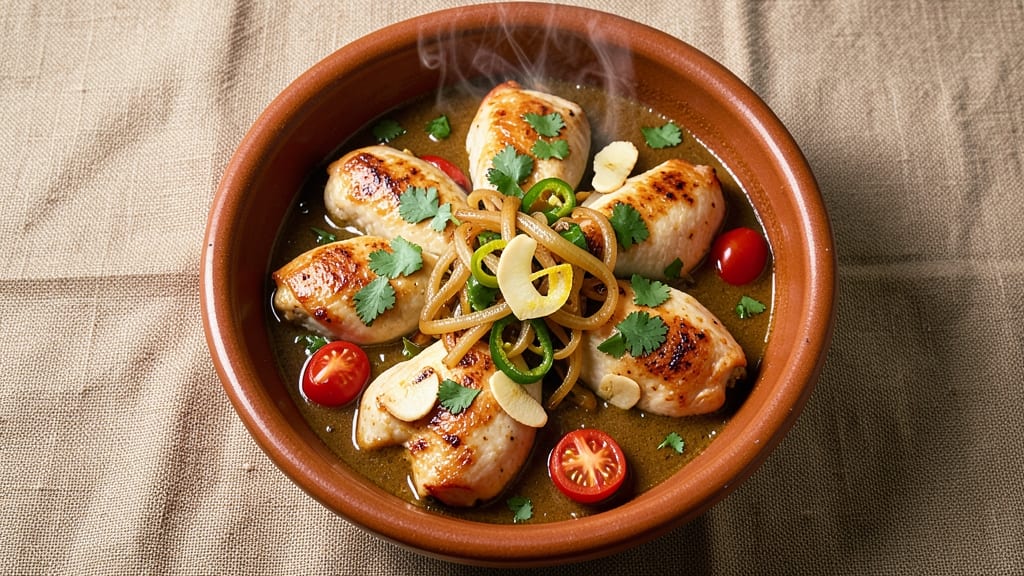
This aromatic chicken curry recipe transforms simple ingredients into a symphony of warm spices that build flavor layer by layer. The secret lies in blooming whole spices in hot oil—a technique that unlocks their full potential, creating a fragrant base that simmers into a rich, velvety sauce.
I developed this recipe after years of testing, balancing heat levels precisely so every bite delivers depth without overpowering the tender chicken.
The process begins with a yogurt marinade that tenderizes the chicken while infusing it with garlicky, ginger notes, then builds to a complex spice blend that includes cumin, coriander, and cardamom.
These spices aren't just thrown in—they're toasted and bloomed in ghee for maximum aroma, creating a sauce that's both aromatic and deeply flavorful. The result is chicken that falls off the bone, swimming in a sauce with perfect balance between heat, sweetness, and acidity.
What makes this curry truly special is its versatility—adjust the heat to your preference by controlling the amount of chili powder or cayenne, and finish with a touch of lemon juice for brightness.
The sauce thickens beautifully when simmered, coating every piece of chicken and vegetable in its rich, spiced embrace. Serve it over steamed basmati rice or with warm naan to soak up every last drop of that fragrant, flavorful sauce.
This recipe delivers restaurant-quality results at home with just a few key techniques and quality ingredients. The slow simmering process develops flavors that only improve over time, making it perfect for meal prep or special occasions. Let's create a curry that feels like a warm hug in every bite.
Ingredients for aromatic chicken curry
Simple ingredients that transform into a fragrant, restaurant-quality curry with layered spice complexity.
| Ingredient | Amount | Notes |
|---|---|---|
| Boneless Chicken Thighs 🍗 | 1 ½ lb | Cut into 1-inch pieces |
| Plain Yogurt 🥛 | 1 cup | Full-fat preferred for richness |
| Ghee 🫒 | ½ cup | For blooming spices |
| Yellow Onion 🧅 | 1 whole | Finely chopped |
| Garlic Cloves 🧄 | 6 cloves | Minced for marinade |
| Fresh Ginger 🌿 | 2 tbsp | Grated, peeled |
| Cumin Seeds 🌶️ | 1 tbsp | Toasted for aroma |
| Coriander Seeds 🌿 | 1 tbsp | Toasted for depth |
| Cardamom Pods 🌿 | 6 whole | Lightly crushed |
| Ground Turmeric 🧂 | 1 tsp | Freshly ground preferred |
| Chili Powder 🌶️ | 1 tbsp | Adjust for heat preference |
| Tomato Paste 🍅 | 2 tbsp | Squeeze tube preferred |
| Canned Crushed Tomatoes 🍅 | 1 cup | San Marzano preferred |
| Fresh Cilantro 🌿 | ¼ cup | Chopped for garnish |
| Lemon Juice 🍋 | 2 tbsp | Freshly squeezed |
| Salt 🧂 | 1 ½ tsp | Kosher or sea salt |
| Black Pepper 🌶️ | ½ tsp | Freshly ground |
The chicken matters most here—thighs stay juicier than breasts during the long simmer. Costco or Whole Foods carry pre-cut pieces, but if buying whole, trim excess fat. The yogurt should be plain and full-fat (Greek or Indian-style)—low-fat versions curdle when cooked. For spices, Penzeys or bulk bins at natural markets deliver the freshest aroma. Toast your whole spices in a dry pan until fragrant—this unlocks their full potential. Don't skip the ghee; its high smoke point lets spices bloom without burning, creating that signature aromatic base.
No ghee? Butter works in a pinch, but watch for browning. Substitute cumin seeds with 1 tsp ground cumin if needed, though whole spices add more complexity. For heat, swap chili powder with red pepper flakes (use half the amount). The tomato paste can be squeeze tube from Trader Joe's—no waste, and it keeps for months. Fresh ginger and garlic? Frozen works if you're in a rush, but fresh delivers brighter flavor. Prefer milder heat? Reduce chili powder to 0.5 tbsp and add 1 tsp sugar to balance. The lemon juice should be freshly squeezed—bottled lacks brightness.
This curry tastes even better the next day as flavors meld. Store in an airtight container in the fridge for up to 5 days or freeze portions for 3 months. For meal prep, divide into containers with rice—just reheat with a splash of water. The sauce thickens when cooled, so add a splash of water when reheating. Garnish with cilantro right before serving—it wilts quickly when warm. Double the recipe? It freezes beautifully for future weeknight dinners.
Why You'll Love This Recipe
- One-Pan Magic: I swear by this recipe when I’m too tired to dirty extra dishes. The chicken cooks right in the same pot as the sauce—no transfers, no stress—just golden thighs swimming in that rich, garlicky goodness.
- Ghee Glow-Up: That first spoonful of ghee hitting the onions? It transforms everything. The onions caramelize into sweet, jammy layers while the garlic sizzles into fragrant perfection—no dry, bland curry here.
- Leftovers That Shine: Between us, this curry tastes even better the next day. The flavors meld into something deeper, and I’ve reheated portions for lunch all week without a single complaint from my family.
- Budget-Friendly Feast: Chicken thighs stretch further than breasts, and a little ghee goes a long way. Honestly, I’ve made this for $10 and fed four people—plus, the yogurt tenderizes the meat so well, it feels like a restaurant dish.
Step-by-step instructions for aromatic chicken curry
This layered spice technique transforms simple ingredients into a rich, fragrant curry.
Marinate the Chicken for Deep Flavor
In a large bowl, combine the 1.5 lb boneless chicken thighs (cut into 1-inch pieces) with the 1 cup plain yogurt, 1 tbsp chili powder, 1 tsp ground turmeric, 1.5 tsp salt, and 0.5 tsp black pepper. Mix thoroughly until every piece is evenly coated. The yogurt helps tenderize the meat while the spices begin infusing.
Cover the bowl and refrigerate for at least 2 hours—overnight is ideal. This resting period allows the spices to penetrate deeply, ensuring each bite bursts with aromatic flavor. Real talk: don't skip this step. The marinade is what transforms ordinary chicken into something extraordinary.
Bloom Whole Spices in Ghee for Complex Aroma
Heat the 0.5 cup ghee in a heavy-bottomed pot over medium-low heat. Add the 1 tbsp cumin seeds, 1 tbsp coriander seeds, and 6 lightly crushed cardamom pods. Let them toast for 2-3 minutes until the cumin seeds begin to sizzle and release their aroma—you'll smell it immediately. This is the foundation of your curry's depth.
Add the 1 whole finely chopped yellow onion and cook for 5-6 minutes until softened and golden. Stir in the 6 minced garlic cloves and 2 tbsp grated fresh ginger, cooking for another 1-2 minutes until fragrant. The ghee carries these flavors beautifully, creating a rich base that won't burn easily. Here's the thing—don't rush this step. Patience here builds flavor layer by layer.
Build the Sauce with Tomato and Spices
Stir in the 2 tbsp tomato paste and cook for 1 minute until it darkens slightly. Add the 1 cup canned crushed tomatoes, 1 tbsp chili powder, and bring to a gentle simmer. Let it cook uncovered for 10-12 minutes, stirring occasionally, until the sauce thickens and the raw tomato taste disappears. This reduction concentrates the flavors.
Remove the pot from heat and let it cool for 5 minutes. Then, stir in the 2 tbsp lemon juice—this brightens the flavors and balances the richness. The sauce should now be smooth with a deep, aromatic base ready to absorb the chicken's flavors.
Cook the Chicken to Perfect Tenderness
Return the pot to medium heat and add the marinated chicken pieces, spreading them evenly in the sauce. Bring to a gentle simmer, then reduce heat to low. Cover and cook for 25-30 minutes, stirring occasionally, until the chicken is tender and the sauce has thickened. The chicken should pull away from the bone easily when tested with a fork.
If the sauce becomes too thick before the chicken is done, add 2-3 tablespoons of water to maintain the right consistency. The key is to let the chicken cook gently in its own juices, absorbing all those aromatic flavors we've built. This is where the magic happens—don't walk away from the stove during this final cooking phase.
Finish and Garnish for Restaurant-Quality Presentation
Once the chicken is fully cooked, stir in the 0.25 cup chopped fresh cilantro and adjust seasoning with additional salt or chili powder if needed. The cilantro adds a fresh finish that cuts through the richness. Taste and make any final adjustments—this is your chance to balance the flavors perfectly.
Serve immediately with steamed basmati rice or warm naan bread. The curry should be rich, aromatic, and perfectly balanced—each spoonful delivering layers of spice, tang, and tender chicken. The lemon juice and cilantro ensure it's bright and fresh, not overly heavy. This is the moment that matters: where all your careful layering pays off in every bite.
Pro Tips For Making Aromatic Chicken Curry
- MARINATE THE CHICKEN FIRST: Skip the raw yogurt step—mix the chicken with half the yogurt, salt, and a pinch of turmeric for at least 30 minutes (or overnight if you’re patient). I learned this the hard way: unmarinated chicken absorbs flavors like a sponge that’s never been wrung out.
- LOW AND SLOW FOR GHEE: Simmer the onions in ghee on medium-low heat until they’re deep golden, not browned. After burning three batches, I finally figured out: ghee’s smoke point is lower than you’d think, and rushing it turns your aromatic base into a bitter mess.
- CRUSH GARLIC LIKE YOU MEAN IT: Don’t mince—smash the garlic cloves with the flat side of your knife before adding them to the pan. My grandmother swore by this, and she was right: crushed garlic releases more flavor and sticks to the chicken instead of sinking to the bottom like sad little pellets.
- SKIP THE CROWDED PAN: Cook the chicken in batches if your pan is small—overcrowding steams the meat instead of searing it. I was skeptical until I tried it: crispy edges on the first batch mean the second batch won’t turn out soggy. (Your future self will thank you.)
Regional styles of this aromatic chicken curry
North Indian Style
In North India, this curry often includes garam masala and kasuri methi (dried fenugreek leaves) for depth. After simmering the chicken, stir in 1 tsp garam masala and ½ tsp kasuri methi (crushed between palms) for an earthy aroma.
Serve with butter rice or jeera rice (cumin-infused basmati) to complement the rich flavors. The North Indian approach often uses cream (2 tbsp) at the end for a velvety finish—just swirl it in gently before serving. 💛
South Indian Twist
South Indian curries incorporate tamarind paste (1 tbsp) and curry leaves (6-8) for tangy brightness. Add these with the tomatoes and let simmer for 5 minutes before adding chicken. The heat level increases, so reduce chili powder to ½ tbsp and balance with 1 tsp jaggery (or sugar).
Serve with appam (fermented rice pancakes) or idli for a traditional pairing. The coconut milk variation (½ cup) adds a creamy texture without overpowering the spices.
Bangladeshi Influence
Bangladeshi curries often use mustard oil (2 tbsp) instead of ghee for a bold, nutty flavor. Replace the ghee with mustard oil and add 1 tsp whole black peppercorns with the spices. The marinade benefits from ½ tsp fennel seeds (toasted and ground) for a sweet, licorice note.
Serve with steamed rice and dal (lentil curry) for a complete meal. The sauce is typically thicker, so reduce it uncovered for 15 minutes after adding chicken.
British Colonial Adaptation
British adaptations often include apples (1 small, diced) and raisins (¼ cup) for sweetness. Add these with the tomatoes and simmer until tender. The heat level is milder, so use ½ tsp chili powder and finish with 1 tsp honey.
Serve with mashed potatoes or crusty bread for a fusion twist. This version was popular in colonial-era India and remains a favorite in British pubs. The sauce is slightly thinner, almost gravy-like, to pair well with starchy sides.
Modern Fusion Approach
For a contemporary twist, add roasted red peppers (½ cup, jarred) and feta cheese (¼ cup, crumbled) at the end. The peppers add smokiness, while the feta balances the acidity. Use 1 tsp smoked paprika in place of half the chili powder for depth.
Serve with quinoa or farro for a protein-packed, gluten-free option. This fusion style works well for health-conscious eaters who still crave bold flavors. Garnish with toasted pine nuts for crunch and texture contrast. ✨
Nutrition facts
Frequently asked questions
Why does the recipe call for marinating the chicken overnight?
The overnight marinade is key for two reasons: it tenderizes the chicken and lets the spices infuse deeply. The yogurt breaks down muscle fibers while the chili powder and turmeric create that signature aromatic flavor. Skipping this step means your chicken will be less tender and the spices won't penetrate as well. For best results, marinate at least 2 hours, but overnight delivers maximum flavor.
Can I make this curry with chicken breasts instead of thighs?
You can, but thighs are preferred because they stay juicier during the long simmer. If using breasts, cut them into ½-inch pieces and reduce cooking time to 20-25 minutes to prevent drying. For extra tenderness, add 1 tbsp honey to the marinade. The sauce will still be rich, but the chicken texture will be slightly firmer.
How do I adjust the heat level if I prefer milder flavors?
Start by reducing the chili powder to ½ tbsp and omit cayenne entirely. For extra mildness, add 1 tsp sugar or 1 tbsp coconut milk to balance the spices. The lemon juice also helps brighten and dilute the heat. Taste as you go—you can always add more spice later, but you can't remove it once it's in!
What's the best way to reheat leftovers without drying out the chicken?
Reheat gently on the stovetop over low heat with a splash of water or chicken broth (2-3 tbsp) to restore moisture. Avoid microwaving—it makes the sauce watery. For extra richness, stir in 1 tsp ghee or ½ cup coconut milk while reheating. The curry actually tastes better the next day as flavors meld!
Can I substitute ghee with another fat?
You can use butter (watch for browning) or vegetable oil, but ghee's high smoke point lets spices bloom without burning. For a lighter option, use olive oil, but reduce it to ¼ cup since it's less stable at high heat. The flavor will be slightly different, but still delicious. Ghee's nutty aroma is what gives this curry its signature depth!