
Sauces & Condiments
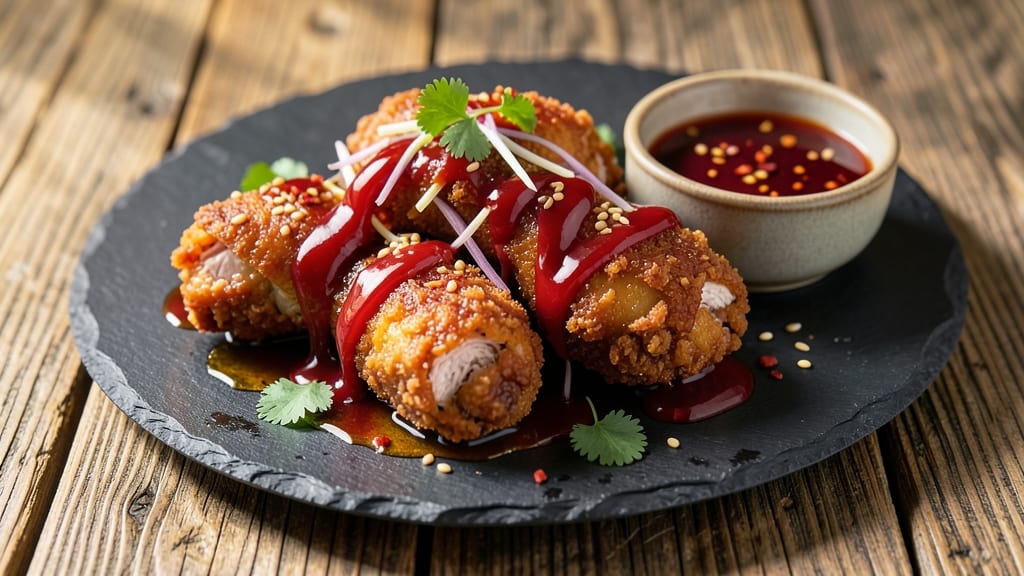
This Asian fried chicken sauce delivers the perfect balance of sticky-sweet tamarind, fiery chili, and umami depth that transforms ordinary fried chicken into a restaurant-worthy masterpiece. The magic lies in combining tamarind paste with soy sauce, honey, and fresh aromatics—creating a sauce that's both vibrant and complex.
Unlike store-bought versions, this homemade recipe develops richer flavors as it sits, making every bite unforgettable.
The foundation starts with tamarind paste, which provides that signature tangy-sweetness found in many Asian sauces, while fresh garlic and ginger add aromatic depth. A touch of chili paste brings heat without overpowering, and a splash of rice vinegar brightens the flavor profile.
What sets this sauce apart is its ability to cling to crispy fried chicken, creating a glossy, caramelized crust that's impossible to resist. The sauce thickens slightly as it cooks, ensuring it stays sticky and cohesive.
What you'll end up with is a sauce that's versatile enough for dipping, drizzling, or glazing, yet bold enough to stand out as the star.
The tamarind gives it a unique depth that pairs perfectly with the crispy texture of fried chicken, while the chili adds just the right amount of kick. This isn't just a sauce—it's a flavor experience that elevates any dish it touches. Ready to make your fried chicken unforgettable?
The best part? This sauce keeps well in the refrigerator for up to a week, allowing you to make a big batch and enjoy it over multiple meals.
Whether you're serving it at a gathering or simply treating yourself to a crispy, saucy meal at home, this recipe delivers professional-quality results with minimal effort. Let's get started on creating this flavor-packed sauce!
Ingredients for asian fried chicken sauce
Nine simple ingredients for a sauce that turns ordinary fried chicken into something extraordinary.
| Ingredient | Amount | Notes |
|---|---|---|
| Tamarind Paste 🍯 | ½ cup | Unsweetened, block or paste form |
| Soy Sauce 🍶 | ½ cup | Light or dark preferred |
| Honey 🍯 | ¼ cup | Wildflower or clover preferred |
| Rice Vinegar 🍶 | ¼ cup | Unseasoned variety |
| Red Chili Paste 🌶️ | 2 tbsp | Thai or sriracha works too |
| Garlic Cloves 🧄 | 6 cloves | Minced or finely chopped |
| Fresh Ginger 🌿 | ½ cup | Finely grated, about 2 oz |
| Sesame Oil 🫒 | 1 tbsp | Toasted for aroma |
| Water 💧 | ½ cup | For thinning if needed |
| Salt 🧂 | 1 tsp | Kosher or sea salt |
Tamarind paste is the star here. Look for unsweetened blocks at Asian markets—they're cheaper and fresher than the jarred stuff. If you can't find it, substitute lime juice plus a touch of brown sugar, but it won't be quite the same. The ginger should smell bright and zesty—if it's musty, toss it. Trader Joe's carries great tamarind paste, and their ginger is always fresh. For the chili paste, Thai brands like Maesri or Mae Ploy are my go-to—they've got that perfect balance of heat and sweetness that works so well with tamarind.
No tamarind? Lime juice plus brown sugar gets you close, but you'll lose that signature tang. The honey can be swapped for maple syrup if you're avoiding it. Sesame oil is non-negotiable for that nutty aroma—don't use regular vegetable oil. Ginger too fibrous? Blend it with water first, then strain. The garlic can be roasted for a sweeter flavor, but raw works just fine. For extra depth, add a splash of fish sauce if you're not avoiding it, or soy sauce instead. The sauce thickens as it cools, so if it's too thin after simmering, let it sit for 10 minutes before using.
This sauce keeps beautifully in the fridge for up to 1 week, though it tastes best within 3-4 days. The flavors meld and deepen over time—trust me, it gets better. For longer storage, freeze in ice cube trays and transfer to a container. Thaw in the fridge overnight. Double the batch if you can—it disappears fast. The sauce reheats beautifully, so keep some on hand for quick weeknight dinners. If it thickens too much when reheated, just add a splash of water or rice vinegar to loosen it up.
Why You'll Love This Recipe
- Pantry Magic: I swear by this sauce because it uses things I already have. Tamarind paste, soy sauce, and honey? That’s my go-to trio for anything sticky-sweet and tangy. No special shopping trips—just open, mix, and transform.
- Umami Bomb: The soy and tamarind paste hit like a flavor grenade—deep, salty, and just a little funky in the best way. Add honey for that caramelized crunch, and the chili paste? That’s the kick that makes it ridiculously addictive.
- Double-Duty Sauce: This isn’t just for fried chicken—drizzle it over noodles, toss it with rice, or even slather it on grilled meat. I’ve used it as a marinade, a dipping sauce, and even a glaze for roasted veggies. (Yes, even on a Tuesday night.)
- Lazy Genius: Make a big batch—it keeps for weeks in the fridge—and reheats like a dream. Budget-friendly? Absolutely. Time-saving? Even better. One bowl of sauce, endless possibilities, zero guilt.
Step-by-step instructions for Asian fried chicken sauce
Here's how to create a perfectly balanced tamarind-chili sauce with rich depth and sticky-sweet perfection.
Bloom the Aromatics in Sesame Oil
Heat a small saucepan over medium-low heat and add the 1 tablespoon sesame oil. Let it warm for 30 seconds until fragrant—you'll smell that nutty aroma that's the soul of this sauce. Add the 6 cloves minced garlic and ½ cup finely grated fresh ginger and cook for 2-3 minutes until the garlic turns golden and the ginger loses its raw bite.
Don't walk away during this step—the garlic burns fast. You're building flavor here, so keep the heat gentle. When the aromatics are just golden, remove the pan from heat and set aside. This step creates the aromatic base that carries through the entire sauce.
Combine Wet Ingredients for Balanced Flavor
In a medium bowl, whisk together the ½ cup tamarind paste, ½ cup soy sauce, ¼ cup honey, ¼ cup rice vinegar, and 2 tablespoons red chili paste until completely smooth. The tamarind paste will be thick, so whisk vigorously to break up any lumps. Add the 1 teaspoon salt and mix well.
Here's where the magic happens—the tamarind gives tangy depth, the soy sauce adds umami, honey brings sweetness, and the vinegar cuts through. The chili paste provides heat that'll mellow beautifully as we cook. Taste the mixture now—it should be intensely flavorful but balanced between sweet, sour, salty, and spicy.
Simmer and Thicken the Sauce
Return the saucepan with the garlic-ginger mixture to medium heat and pour in the wet ingredients. Stir constantly for 5-7 minutes until the sauce begins to thicken and bubble gently. Add the ½ cup water and continue simmering for another 3-4 minutes until the sauce coats the back of a spoon.
This is where patience pays off. The sauce should reduce enough to cling beautifully to fried chicken without being gluey. If it thickens too quickly, add 1 tablespoon water at a time until you reach the perfect consistency. The final sauce should be glossy with a syrupy texture that clings to every bite.
Adjust and Finish the Sauce
Taste the sauce one final time and adjust the balance. Need more sweetness? Add a touch of honey. Too spicy? Dull the heat with a splash of water or more honey. The goal is a sauce that's sticky-sweet with just enough heat to make your mouth tingle.
Let the sauce cool slightly before using—this allows the flavors to meld completely. The sauce will thicken further as it cools, so don't worry if it looks slightly loose when hot. This sauce keeps well in the refrigerator for up to 1 week, making it perfect for meal prep or serving at gatherings.
Pro Tips For Making Asian Fried Chicken Sauce
- Bloom the Tamarind: Whisk it into warm water first—about 2 tablespoons per 1 tablespoon paste—then strain out the pulp. Cold water makes it clump like glue, and skipping this step means a sauce that’s thick and grainy instead of silky smooth. (Yes, it’s messy, but your sauce will taste like it came from a street cart, not a shortcut.)
- Simmer, Don’t Boil: Keep the heat at a gentle simmer once all ingredients are combined. Boiling burns the honey and turns the rice vinegar sharp, killing that bright, balanced flavor. If it’s splattering, lower the heat—this sauce should bubble softly, not roar.
- Salt the Chili Paste: Sprinkle a pinch of salt into the red chili paste before mixing it in. The paste is often packed with salt already, and you’ll end up with a sauce that’s either bland or overwhelmingly salty. Trust me, your taste buds will notice the difference.
- Finish with Vinegar Last: Stir in the rice vinegar off the heat and let the sauce cool for 2 minutes before tasting. Adding it too early makes the tamarind’s tang fight the vinegar, and you’ll end up chasing balance with extra honey or soy. Patience here saves you from overcorrecting.
Serving suggestions for this dish
Dipping Sauce Perfection
Serve this sauce in a small ceramic dipping bowl with crispy fried chicken pieces for an interactive experience. The sauce's sticky texture clings beautifully to each bite, creating a perfect balance of sweet, tangy, and spicy flavors.
I like using a wide-mouth bowl so guests can easily dip without making a mess. For extra presentation, add a few sliced scallions or sesame seeds on top. 🍗
Glazed Chicken Masterpiece
Brush the sauce directly onto fried chicken during the last 2-3 minutes of frying for a glossy, caramelized finish. The high heat will create a crispy crust while keeping the inside juicy. I recommend using a pastry brush to apply an even coat.
For best results, fry the chicken at 350°F to maintain crispiness. This method works especially well for thigh pieces or drumsticks.
Sauce Pairings Beyond Chicken
This versatile sauce elevates more than just fried chicken. Try drizzling it over grilled pork skewers or steamed dumplings for an instant flavor boost. It also works wonders on rice bowls—just spoon some over jasmine rice with a fried egg on top.
For a vegetarian option, brush it on tofu or tempeh before baking. The tamarind's tangy-sweet profile shines in all these dishes. ✨
Garnish Game-Changers
Fresh cilantro leaves or Thai basil add a bright herbal note that cuts through the richness. For crunch, sprinkle toasted sesame seeds or crushed peanuts on top. I also love adding pickled red onions for a tangy contrast. These garnishes take your sauce from good to restaurant-quality in seconds. 💫
Meal Prep Magic
Make a double batch of sauce and store it in glass jars in the fridge for up to 1 week. The flavors actually improve as it sits! When ready to serve, reheat gently in a saucepan with 1 tablespoon water to restore its glossy texture.
This sauce keeps fried chicken tasting fresh for 3-4 days when stored properly. Perfect for busy weeknights or meal prep Sundays. 📅
Sauce Variations
Want it sweeter? Add 1 extra tablespoon of honey or 1 teaspoon of maple syrup. Prefer more heat? Increase the chili paste to 3 tablespoons or add ½ teaspoon of cayenne pepper.
For a smoky twist, stir in ½ teaspoon of smoked paprika at the end. Each variation keeps the same sticky-sweet foundation while offering different flavor adventures. 🌶️
Nutrition facts
Frequently asked questions
Can I make this sauce without tamarind paste?
Yes, but the flavor will differ slightly. For a substitute, mix ¼ cup lime juice with 1 tablespoon brown sugar to mimic tamarind's tangy-sweetness. The sauce will be more citrus-forward but still delicious. If you're avoiding tamarind entirely, try 1 tablespoon date syrup instead for a deeper caramel note.
How spicy will this sauce be?
The recipe includes 2 tablespoons of chili paste, which gives a mild to moderate heat level—think "spicy but not fiery." For less heat, reduce to 1 tablespoon or swap for sriracha. For more kick, add ½ teaspoon of cayenne pepper at the end. Always taste as you go!
Can I use this sauce on other proteins besides chicken?
This sauce works beautifully on grilled pork, tofu, or even shrimp. Brush it on during the last 2-3 minutes of cooking for a glossy finish. For vegetables, try drizzling it over grilled eggplant or steamed bok choy—the tamarind's tang cuts through richness perfectly.
Why did my sauce turn out too thick?
This happens when the sauce reduces too much during cooking. The fix? Stir in 1 tablespoon of water or rice vinegar at a time until it reaches a syrupy consistency. For future batches, simmer for shorter periods or add 1 extra tablespoon of water during cooking. The sauce will thicken more as it cools, so don't worry if it looks loose when hot.
How long can I store this sauce?
This sauce keeps in an airtight container in the fridge for up to 1 week, with flavors actually improving over time. For longer storage, freeze in ice cube trays and transfer to a container. Thaw overnight in the fridge—never microwave directly. The sauce reheats beautifully with 1 tablespoon water to restore its glossy texture.