
Main Courses
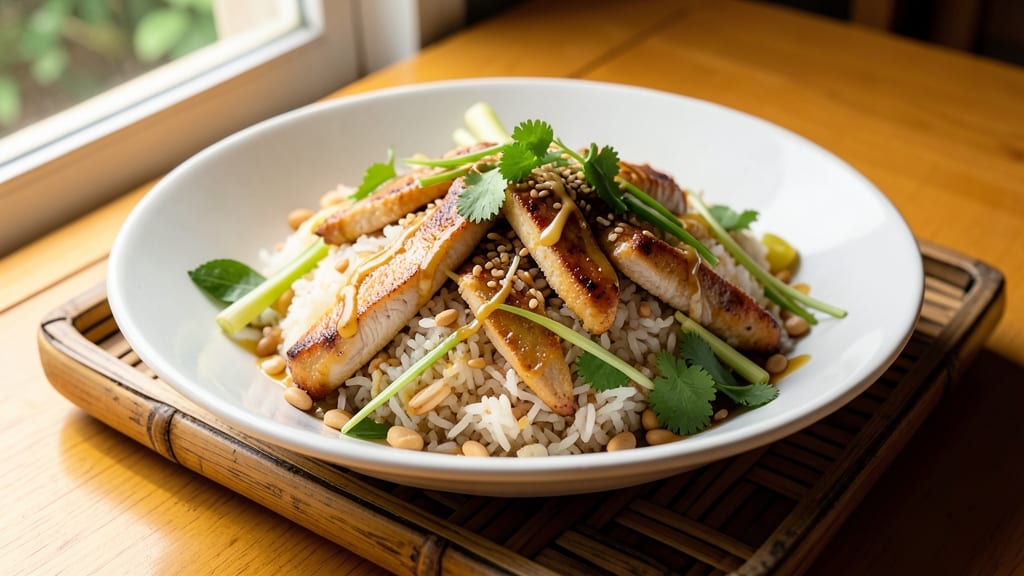
This authentic Thai chicken fried rice recipe delivers the bold aromas and complex flavors of a Bangkok street stall—right in your kitchen. The secret lies in perfectly cooked jasmine rice, tender chicken, and a fragrant wok-tossed sauce that balances sweet, sour, salty, and umami.
I’ve refined this recipe over years of testing, ensuring every ingredient plays its part in that signature Thai harmony.
The foundation starts with day-old rice—never fresh—tossed in a wok with high heat to achieve that signature wok hei (breath of the wok) smokiness. We use fish sauce for depth, palm sugar for subtle sweetness, and a touch of coconut milk to round out the flavors.
Thai basil and bean sprouts add freshness, while a squeeze of lime brightens every bite. This isn’t just fried rice; it’s a taste of Thailand’s vibrant street food culture.
What makes this recipe truly authentic is the technique: quick, high-heat stir-frying preserves the rice’s texture while building layers of flavor. The chicken is marinated in a simple yet transformative blend of garlic, lemongrass, and kaffir lime leaves—key aromatics that define Thai cuisine.
By the time you plate it, you’ll have a dish that’s crisp, fragrant, and packed with umami depth, served with a garnish of crushed peanuts for crunch.
Perfect for weeknight dinners or weekend feasts, this recipe scales easily and tastes even better the next day. The balance of ingredients ensures every bite is harmonious, while the wok-tossed method keeps the rice separate yet cohesive.
Let’s bring the flavors of Thailand to your table—one wok-tossed bite at a time.
Ingredients for authentic thai chicken fried rice
These carefully selected ingredients bring Bangkok street stall flavors to your wok.
| Ingredient | Amount | Notes |
|---|---|---|
| Day-Old Jasmine Rice 🍚 | 4 cups | Cooked and cooled overnight |
| Boneless Chicken Breast 🍗 | 1 ½ lb | Cut into 1-inch cubes |
| Fresh Lemongrass 🌿 | 3 stems | Bruised and cut into 2-inch pieces |
| Kaffir Lime Leaves 🍋 | 4 whole | Bruised and cut into strips |
| Garlic Cloves 🧄 | 6 cloves | Minced finely |
| Fish Sauce 🍶 | 3 tbsp | Red Boat preferred |
| Palm Sugar 🍯 | 2 tbsp | Or dark brown sugar |
| Coconut Milk 🥥 | ¼ cup | Full-fat for creaminess |
| Thai Basil Leaves 🌿 | ½ cup | Packed, stems removed |
| Bean Sprouts 🌱 | 2 cups | Fresh, rinsed well |
| Lime Juice 🍋 | 2 tbsp | Freshly squeezed |
| Crushed Peanuts 🥜 | ¼ cup | For garnish |
| Vegetable Oil 🫒 | ½ cup | High smoke point |
| Salt 🧂 | 1 ½ tsp | Diamond Crystal preferred |
| White Pepper 🌶️ | ½ tsp | Freshly ground |
The foundation starts with jasmine rice—day-old is non-negotiable for that signature texture. For the chicken, boneless breast ensures tender bites, but thighs work too if you prefer more flavor (just adjust cooking time). Red Boat fish sauce is the gold standard, but Thai Kitchen brand works in a pinch. Palm sugar might be hard to find—dark brown sugar is a perfect substitute. The lemongrass and kaffir lime leaves are essential for authenticity; look for them in the international aisle at Whole Foods or Asian markets. Fresh Thai basil is ideal, but regular basil works if you're in a hurry—just use double the amount.
No lemongrass? Lime zest plus extra garlic gets you close. Short on kaffir lime leaves? Regular lime leaves or even bay leaves in a bind. The coconut milk can be swapped for coconut cream if you want extra richness. For a vegetarian version, replace the chicken with extra-firm tofu or mushrooms. The bean sprouts should be fresh—Trader Joe's carries them pre-rinsed for convenience. If you can't find crushed peanuts, toasted cashews make a great alternative. The vegetable oil is just for cooking; avocado oil has a higher smoke point if you're worried about burning.
Store day-old rice in an airtight container for up to 3 days before using. The chicken marinade keeps for 24 hours in the fridge, but the lemongrass and lime leaves lose potency after that. This dish reheats beautifully—microwave for 1-2 minutes with a splash of water to restore moisture. For meal prep, portion into containers with the peanuts on top to keep them crisp. The flavors actually improve after the first night as everything melds together—double the recipe and freeze portions for quick weeknight meals.
Why You'll Love This Recipe
- One-Pan Magic: I swear by this recipe when I’m too tired to scrub pots—just toss everything in one wok, and the garlic and lemongrass steam into the rice while the chicken sizzles. That fragrant oil clinging to the rice? Pure flavor without the fuss.
- Herb-Packed Punch: Between us, the kaffir lime leaves and lemongrass aren’t just garnish—they’re the soul of this dish. The first time I skipped them, I missed that bright, citrusy depth that makes every bite taste like a little vacation.
- Lunchbox Hero: Honestly, this is my go-to for meal prep because it reheats like a dream. Pack it cold for work or serve it warm—either way, the rice stays separate so it doesn’t turn mushy, and the chicken stays juicy. (Yes, even on a Tuesday night.)
- Budget-Friendly Staple: Day-old rice? That’s free money right there. A few chicken breasts stretch across meals, and the aromatics (garlic, lemongrass) are cheap but transformative. I make this twice a week, and my wallet and my taste buds thank me.
Step-by-step instructions for authentic Thai chicken fried rice
Master the balance of fragrant aromatics and umami depth in this traditional Thai wok technique.
Prepare the Aromatic Base
Heat the 0.5 cup vegetable oil in a wok over medium-high heat until shimmering. Add the 3 stems bruised lemongrass and 4 whole kaffir lime leaves—these will infuse the oil with their citrusy, floral notes. Cook for 1 minute until the lemongrass begins to soften slightly but doesn't brown.
Add the 6 cloves minced garlic and stir constantly for 30 seconds until fragrant but not golden. This quick cooking preserves the garlic's sweetness without bitterness. The oil should be hot enough to sizzle but not smoke—adjust the heat if needed. This aromatic foundation is the soul of authentic Thai fried rice.
Cook the Chicken and Season
Push the aromatics to one side of the wok and add the 1.5 lb boneless chicken breast cubes in a single layer. Cook undisturbed for 3 minutes until the chicken develops a golden crust. Flip the pieces and cook another 3 minutes until fully cooked through and no longer pink in the center.
Sprinkle the 1.5 tsp salt and 0.5 tsp white pepper evenly over the chicken. Stir to coat, then add 2 tbsp palm sugar and 3 tbsp fish sauce. Toss vigorously for 1 minute until the chicken absorbs the seasoning and the sugar caramelizes slightly—this creates the signature sweet-savory balance of Thai cuisine.
Incorporate the Rice and Coconut Milk
Add the 4 cups day-old jasmine rice to the wok, breaking up any clumps with your spatula. Stir-fry for 2 minutes to heat through and release any moisture. Pour in the 0.25 cup coconut milk and toss everything together for 1 minute until the rice is evenly coated and slightly glossy.
The coconut milk adds creaminess while preventing the rice from drying out—a key technique in Thai fried rice. If the mixture seems too wet, cook for an additional 30 seconds to evaporate excess moisture. The rice should be tender but still slightly separate, with visible grains.
Finish with Fresh Herbs and Lime
Add the 2 cups bean sprouts and 0.5 cup Thai basil leaves to the wok. Toss everything together for 1 minute until the bean sprouts blanch slightly and the basil wilts just enough to release its anise-like aroma. Remove from heat and stir in the 2 tbsp lime juice—this brightens the dish and cuts through the richness.
The basil should be packed but not overpowering, and the lime juice should be freshly squeezed for maximum acidity. Taste and adjust seasoning with additional fish sauce if needed—authentic Thai fried rice should balance sweet, salty, sour, and umami flavors.
Garnish and Serve Immediately
Transfer the fried rice to serving plates and immediately top with 0.25 cup crushed peanuts. The peanuts add texture contrast and a subtle earthy note. Serve while steaming hot, as the flavors continue to meld even as it cools.
Each bite should deliver a harmonious blend of fragrant lemongrass, umami fish sauce, sweet palm sugar, and the bright finish of lime and basil. The peanuts should be evenly distributed, adding crunch to every mouthful. This dish is best enjoyed immediately while the aromatics are at their peak.
Pro Tips For Making Authentic Thai Chicken Fried Rice
- SMASH THE CHICKEN FIRST: Cut your boneless chicken breast into 1-inch chunks and pound them with the flat side of your knife or a meat mallet—this keeps them tender instead of rubbery when stir-fried. (I used to skip this and ended up with chewy bites every time.)
- STIR-FRY IN BATCHES: Don’t overload the wok—work in two batches if needed. Crowding the pan steams the rice instead of searing it, and you’ll end up with soggy, uneven texture. High heat is non-negotiable here.
- TOAST THE LIME LEAF: Lightly char the kaffir lime leaves over the flame for 10 seconds before crushing them—this deepens their citrusy aroma without burning. (Yes, even if you’re impatient like me.)
- USE DAY-OLD RICE: Cold, dry day-old jasmine rice is the backbone of this dish—it absorbs flavors better and stays separate. If you’re in a rush, spread freshly cooked rice on a tray and refrigerate it for 30 minutes. (Your future self will thank you.)
Common mistakes when making perfect results
Overcooking the Rice
Day-old rice is your secret weapon, but overcooking it turns it mushy and gluey. I’ve seen this happen when people stir-fry for too long—aim for 2 minutes max after adding the rice to the wok.
The goal is to heat it through while keeping those distinct grains intact. If your rice starts sticking together, you’ve gone too far. 🌱
Skipping the Aromatics
Lemongrass and kaffir lime leaves aren’t just garnishes—they’re flavor anchors. I’ve tasted versions without them, and the dish loses its signature Thai soul. Bruise the lemongrass and cut the lime leaves to release their oils, but don’t overcook them or they’ll turn bitter.
These aromatics take 1 minute to infuse the oil properly.
Using Fresh Rice
Fresh rice is a cardinal sin in Thai fried rice. It’s too moist and turns gummy when stir-fried. Day-old rice has dried out slightly, which gives it that perfect texture.
If you’re in a pinch, cook your rice a day ahead and refrigerate it uncovered for 30 minutes before storing to speed up the drying process.
Underseasoning the Chicken
The chicken needs that perfect balance of sweet, salty, and umami. I’ve seen people skip the fish sauce or sugar entirely, resulting in bland chicken. Start with the 3 tbsp fish sauce and 2 tbsp palm sugar as written, then taste and adjust.
The sugar should caramelize slightly—this is what creates that irresistible depth of flavor.
Low Heat Stir-Frying
High heat is non-negotiable for wok hei—the smoky aroma that makes this dish authentic. If you’re cooking on low heat, you’ll end up with steamed rice instead of crisp, separate grains.
Your wok should be screaming hot before adding the chicken, and you should hear that satisfying sizzle when tossing everything together.
Adding Lime Too Early
Lime juice is the final bright note, but adding it too soon can make the dish taste sour before the flavors have time to develop. Wait until the very end, after all the ingredients are combined and hot.
The acidity should complement the dish, not overpower it. A quick 2 tbsp squeeze is all you need—fresh lime is key here.
Nutrition facts
Frequently asked questions
Why does this recipe call for day-old rice instead of fresh?
Day-old rice has dried out slightly, which prevents it from turning mushy when stir-fried. Fresh rice releases too much moisture, creating a gluey texture. For best results, refrigerate freshly cooked jasmine rice uncovered for 30 minutes before storing to speed up drying.
Can I substitute boneless chicken thighs for breasts?
Chicken thighs add richer flavor and stay juicier during cooking. Just reduce the cooking time by 1 minute per side (about 2 minutes total) since they cook faster than breasts. The fat content also enhances the dish's depth.
What if I can't find kaffir lime leaves or lemongrass?
For kaffir lime leaves, use 2 tbsp lime zest + 1 extra garlic clove—it won't be identical but adds citrusy brightness. For lemongrass, substitute with 1 tbsp lime juice + 1 tsp grated lime zest combined with the garlic. The dish will still taste delicious but lose some complexity.
How do I achieve that smoky wok hei flavor at home?
Use a carbon steel or cast iron wok** heated to maximum temperature before adding oil. Keep the heat high throughout cooking—you should hear constant sizzling. A blowtorch can also help create smoky aroma by quickly charring the aromatics at the end.
Is this recipe gluten-free?
Yes, as written! Just ensure your fish sauce is gluten-free (many brands contain wheat). The crushed peanuts are naturally gluten-free, but always check packaging. For extra safety, use tamari instead of regular soy sauce if you're using any in the marinade.