
Appetizers
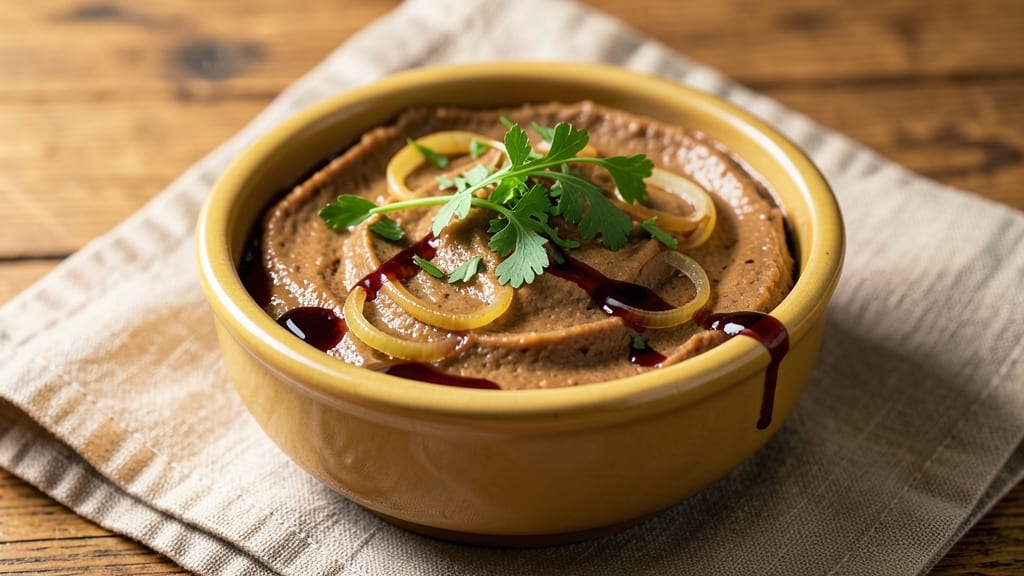
This baked chicken liver pâté recipe transforms humble livers into a luxurious, velvety spread with layers of herby depth and brandy-infused richness. 💛 The secret lies in slow baking—whether in a water bath or oven—until the texture becomes silky and the flavors meld into perfect harmony.
I’ve refined this technique over years, balancing traditional terrine methods with modern shortcuts for home cooks. What sets this apart is the brandied reduction that adds complexity, while fresh herbs and butter create that signature silky mouthfeel. The result?
A pâté so rich it feels like a restaurant masterpiece, yet simple enough to make at home. No fancy equipment needed—just patience and precision. Serve it chilled on toasted baguette slices with a drizzle of mustard or pickled vegetables for contrast.
The flavor profile is bold yet balanced, with just enough sweetness from the brandy to complement the earthy livers. This isn’t just an appetizer—it’s an experience. Perfect for holiday gatherings, dinner parties, or even a luxurious weeknight snack. Let’s create something extraordinary.
Ingredients for baked chicken liver pate
Transform humble chicken livers into velvety pâté with brandy, butter, and fresh herbs—luxurious yet approachable.
| Ingredient | Amount | Notes |
|---|---|---|
| Chicken Livers 🍗 | 1 ½ lb | Fresh, trimmed of connective tissue |
| Unsalted Butter 🧈 | ¾ cup | Cold, cut into cubes |
| Fresh Tarragon Leaves 🌿 | ½ cup | Chopped, stems removed |
| Fresh Parsley Leaves 🌿 | ¼ cup | Chopped, flat-leaf preferred |
| Shallots 🧅 | 4 whole | Peeled, thinly sliced |
| Brandy 🍷 | ½ cup | High-quality, 80 proof |
| Heavy Cream 🥛 | ½ cup | Full-fat for richness |
| Diamond Crystal Kosher Salt 🧂 | 1 ½ tsp | Adjust to taste |
| Freshly Ground Black Pepper 🌶️ | ½ tsp | Cracked, not powdered |
| Baguette 🥖 | 1 whole | Crusty, sliced for serving |
| Dijon Mustard 🍯 | 2 tsp | For serving, optional |
| Pickled Vegetables 🥒 | ½ cup | For garnish, optional |
The chicken livers are the foundation, so quality matters. Look for fresh, bright red livers at your butcher or grocery store—avoid any with a metallic sheen or grayish tint, as these indicate age. Whole Foods or local specialty markets often carry the freshest cuts. Trim away any connective tissue or silver skin before using, as these can make the pâté tough. The butter should be cold and cubed when added to create a proper emulsion. For the herbs, fresh tarragon and parsley are essential—their bright, slightly bitter notes balance the richness of the livers. If you can't find tarragon, a mix of fresh thyme and parsley works in a pinch, though the flavor will differ slightly.
No brandy on hand? Apple cider or port wine can substitute, though brandy's caramel notes are ideal. For a non-alcoholic version, apple juice reduced by half mimics the depth. The heavy cream is non-negotiable—it's what creates that signature silky texture, so full-fat is a must. If you're serving this to guests with dietary restrictions, you can reduce the cream slightly and add a splash of vegetable broth> for moisture. The shallots add sweetness without overpowering; if you prefer a sharper flavor, green onions or leeks> can replace them. For the mustard and pickled vegetables, store-bought works fine, but homemade versions elevate the dish further.
This pâté tastes even better the next day as the flavors meld, so make it a day ahead if possible. Store it in an airtight container in the refrigerator for up to 5 days, covered with a thin layer of butter or cream to prevent a skin from forming. For longer storage, portion into small ramekins and freeze for up to 3 months. When serving, let it come to room temperature for about 30 minutes**> before slicing—this ensures clean cuts and a smoother texture. The baguette should be toasted just before serving to maintain its crunch, and the mustard or pickled vegetables add a bright contrast to the rich pâté.
Why You'll Love This Recipe
- Foolproof Ingredients: Honestly, the prep is that simple—just livers, butter, and herbs. No fancy techniques, no last-minute grocery runs. I’ve made this with shallots straight from the pantry and still ended up with something rich and velvety.
- Rich Without Effort: That tarragon-parsley butter? It’s the secret weapon. The livers caramelize just enough to give you a deep, savory bite, but the herbs keep it bright and fresh—like a fancy bistro spread, but made while scrolling through emails.
- Weeknight to Party: Between us, this is my go-to for both lazy nights and impressing guests. Slather it on crusty bread for a quick snack, or dollop it on toasted baguette slices for a showstopper appetizer. (Yes, even on a Tuesday night.)
- Budget Luxury Leftovers: Chicken livers are cheaper than steak, and this recipe stretches further than you’d think. I’ve had it for days—on crackers, in sandwiches, even mixed into pasta—and it never loses its magic. Zero waste, all flavor.
Step-by-step instructions for baked chicken liver pâté
Transform delicate chicken livers into velvety pâté with this refined technique.
🍳 Step 1: Sear the Chicken Livers for Maximum Flavor
Pat the 1.5 lb chicken livers completely dry with paper towels—this ensures they brown properly. Heat a large skillet over medium-high heat and add the livers in a single layer. Cook undisturbed for 2-3 minutes per side until they develop a deep golden crust and reach an internal temperature of 145°F. You'll see them release easily from the pan when ready.
Remove the livers and set aside. In the same skillet, reduce heat to medium and add the 0.75 cup unsalted butter cut into cubes. Let it melt completely, then add the 4 whole shallots that have been peeled and thinly sliced. Cook for 5-6 minutes until the shallots soften and turn translucent, creating a rich aromatic base for the pâté.
👨🍳 Step 2: Blend Ingredients to Silky Perfection
Transfer the cooked livers and shallots to a food processor fitted with the metal blade. Add the 0.5 cup chopped fresh tarragon leaves, 0.25 cup chopped fresh parsley leaves, 0.5 cup brandy, 0.5 cup heavy cream, 1.5 tsp diamond crystal kosher salt, and 0.5 tsp freshly ground black pepper. Pulse until the mixture begins to break down, then process continuously for 2-3 minutes until completely smooth and homogeneous.
Here's the thing—don't rush this blending. The pâté should be velvety with no visible texture. If it's too thick, add 1-2 tablespoons of water to achieve the perfect spreadable consistency. Taste and adjust seasoning if needed, remembering the brandy will add subtle depth as it cooks.
🔥 Step 3: Bake Until Set and Glossy
Preheat your oven to 350°F. Transfer the pâté mixture to a 4-cup baking dish (or similar size) that has been lightly greased with butter. Smooth the top with a spatula for an even surface. Bake for 25-30 minutes until the center is just set and the top has developed a beautiful glossy sheen. It should still have slight give when gently pressed—overbaking will make it dry.
When you remove it from the oven, let it cool completely at room temperature for 1 hour. This resting period allows the flavors to meld and the texture to firm up properly. The contrast between the warm pâté and cool accompaniments will be spectacular when you serve it.
🍽️ Step 4: Serve with Crusty Baguette and Garnishes
Once cooled, spoon the pâté onto a serving platter. For presentation, I like to create a well in the center and fill it with the 0.5 cup pickled vegetables arranged artistically. The acidity cuts through the richness beautifully. Serve with slices of the 1 whole baguette that has been lightly toasted and spread with 2 tsp dijon mustard on the cut side.
Each bite should deliver a perfect balance of silky texture, herbal brightness from the tarragon and parsley, and the warming depth of the brandy. The pâté will keep well in the refrigerator for up to 5 days, making it perfect for entertaining or meal prep. For an extra touch, dust with additional cracked black pepper just before serving.
Pro Tips For Making Baked Chicken Liver Pate
- Bake at 350°F—Not Hotter: The chicken livers will cook unevenly if the oven’s too aggressive, turning them rubbery before the center gets tender. I learned this the hard way—my first batch came out like overcooked meatloaf. Use a thermometer: pull them out when the thickest part hits 160°F.
- Soak Livers in Milk First: Blood and bitterness hide in those little livers, and skipping this step makes your pâté taste like a butcher’s mistake. Soak them in cold milk for 20 minutes, then rinse and pat dry. It’s the difference between "meh" and "wow."
- Sweat Shallots Low and Slow: Dumping chopped shallots straight into butter means they’ll burn before they soften. Instead, cook them in a dry pan over medium-low for 5 minutes first—just until translucent. Then add the butter, and they’ll melt into the pâté without a single bitter bite.
- Press the Pâté Flat Before Baking: A lumpy pâté won’t bake evenly, and the center will stay cold and raw. Press it into a shallow, even layer in your dish—about ½-inch thick—so the heat penetrates all the way through. Use a glass or a wet spatula to smooth it out.
Regional styles of this recipe
French Classic Terrine
This traditional approach uses a terrine mold (available at Williams Sonoma) to create a perfectly shaped pâté. After blending your ingredients, press the mixture firmly into the mold and bake at 325°F for 45 minutes.
The terrine method creates a clean, elegant presentation—ideal for holiday gatherings. Chill for 4 hours before unmolding onto a platter. 💫
American Brandy Twist
For a bold American variation, add 1 tsp smoked paprika to the blending stage and substitute brandy with ½ cup bourbon. This adds a subtle smokiness that pairs beautifully with cornbread instead of baguette.
The bourbon’s caramel notes deepen as it bakes, creating a richer, more complex flavor profile. Serve with spicy apple butter for contrast.
German Liverwurst Style
In Germany, liver pâtés often include coarsely chopped bacon and a touch of caraway seeds (½ tsp). After blending, mix in ¼ cup crumbled bacon and fold gently to maintain texture. Bake in a loaf pan at 350°F for 30 minutes, then chill.
This version has a rustic texture perfect for pretzel bites or dark rye bread—traditionally served with sauerkraut for tangy balance.
Spanish Chorizo Infusion
For a Spanish-inspired twist, stir in 2 tbsp finely chopped Spanish chorizo (remove casings) during blending. Add 1 tsp smoked paprika and ½ tsp ground cumin for depth. Bake in a small cast-iron skillet at 375°F for 20 minutes until slightly crisp on top.
Serve with toasted manchego cheese and roasted red peppers—this version has a spicy, savory kick that’s perfect for tapas nights.
Modern Herb Garden
Swap traditional tarragon for a herb garden blend: mix ¼ cup fresh chives, ¼ cup dill, and ¼ cup basil with the parsley. Add 1 tbsp lemon zest for brightness.
Bake in a ramekin for individual servings, then chill. This lighter version pairs well with lemon-dill aioli and asparagus spears—ideal for spring entertaining.
Slow-Cooker Shortcut
For a hands-off approach, blend all ingredients as directed, then transfer to a slow cooker on low for 3 hours. The gentle heat creates a creamy texture without overcooking.
Press the mixture into a greased loaf pan and chill before slicing. This method is perfect for weeknight prep—simply reheat slices in the microwave for 30 seconds before serving.
Nutrition facts
Frequently asked questions
Can I use frozen chicken livers for this recipe?
Fresh livers are ideal, but you can use frozen if thawed properly. First, place them in a sealed bag and submerge in cold water for 30-45 minutes until completely thawed. Pat them completely dry before cooking—any moisture will prevent proper browning. The texture may be slightly less tender than fresh, but it still works beautifully.
What if my pâté turns out too dry after baking?
This usually happens from overbaking or insufficient fat. To fix it, blend in 1-2 tablespoons of heavy cream or butter while still warm, then chill. For prevention, bake until just set (25-30 minutes at 350°F) and avoid opening the oven door during cooking. A water bath also helps maintain moisture.
How do I store leftovers to keep them fresh?
Transfer leftovers to an airtight container and press plastic wrap directly on the surface to prevent drying. Store in the fridge for up to 5 days. For longer storage, portion into small ramekins, cover with butter, and freeze for 3 months. Thaw overnight in the fridge before serving—never at room temperature.
Can I make this pâté ahead of time for a party?
This pâté tastes even better after 24 hours as flavors meld. Make it a day ahead and store in the fridge. Bring to room temperature before serving to ensure clean slices. For presentation, chill in its baking dish, then unmold onto a platter for an elegant display.
What's the best way to reheat slices?
For best texture, reheat slices in a 350°F oven for 5-8 minutes or microwave for 20-30 seconds>. Avoid high heat—it can make the pâté greasy. For serving, let slices sit at room temperature for 10 minutes> before plating to restore that silky mouthfeel.