
Main Courses
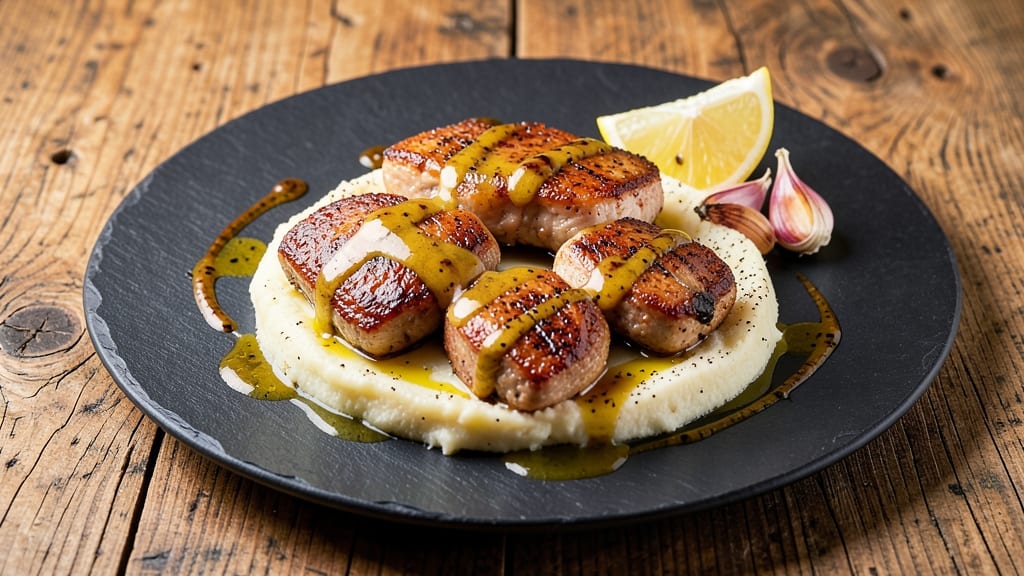
This baked chicken livers recipe transforms delicate offal into a restaurant-worthy dish with herby crisp edges and pan-seared richness. 💛 The secret lies in proper preparation—cleaning, patting dry, and searing before baking—to create that perfect balance of tender interior and crisp exterior.
Many home cooks overlook chicken livers, but this method proves they belong at your dinner table. What sets this recipe apart is the two-step process: first pan-searing the livers to develop flavor and texture, then finishing in the oven for even cooking.
A simple marinade of lemon, garlic, and herbs infuses them with brightness, while a touch of Dijon mustard adds depth. The result? Livers that are juicy, flavorful, and irresistibly crisp at the edges.
Serve them with a creamy parsley sauce or a tangy red wine reduction to complement their rich, earthy taste. This dish pairs beautifully with roasted potatoes, sautéed greens, or crusty bread to soak up every last drop of sauce.
It’s the kind of meal that elevates a simple weeknight dinner into something special. The best part? This recipe is foolproof once you master the cleaning and searing steps.
With just 20 minutes of active prep and 15 minutes in the oven, you’ll have a dish that feels luxurious but is surprisingly simple to make. Let’s get started!
Ingredients for baked chicken livers
Twelve ingredients deliver restaurant-worthy flavor with minimal effort—no shortcuts needed.
| Ingredient | Amount | Notes |
|---|---|---|
| Fresh Chicken Livers 🍗 | 1 lb | Trimmed, cleaned, patted dry |
| Extra-Virgin Olive Oil 🫒 | 2 tbsp | High-quality, fruity variety |
| Unsalted Butter 🧈 | 2 tbsp | Cold, cubed for searing |
| Fresh Lemon Juice 🍋 | 2 tbsp | From organic lemons |
| Garlic Cloves 🧄 | 4 cloves | Minced, fresh preferred |
| Dijon Mustard 🍯 | 1 tbsp | High-quality, smooth |
| Fresh Parsley 🌿 | ¼ cup | Chopped, flat-leaf preferred |
| Fresh Thyme Leaves 🌿 | 1 tbsp | Finely chopped, organic |
| Kosher Salt 🧂 | 1 ½ tsp | Diamond Crystal preferred |
| Freshly Ground Black Pepper 🌶️ | ½ tsp | Coarse grind preferred |
| Shallot 🧅 | 1 whole | Finely minced, organic |
| All-Purpose Flour 🌾 | 1 tbsp | For dredging, sifted |
The chicken livers are the star, so source them carefully. Local butchers or specialty markets offer the freshest cuts—look for vibrant red color and minimal marbling. If using frozen livers, thaw them overnight in the fridge and pat them completely dry with paper towels before cooking. The difference in texture is night and day. For the herbs, organic parsley and thyme from the grocery store's produce section work well, but fresh from a farmers market adds an extra layer of brightness. The shallot should be firm with no soft spots, and the garlic cloves should smell pungent, not musty.
No Dijon mustard? Substitute with whole-grain mustard at double the amount—it's less refined but still adds depth. Short on parsley? Fresh cilantro or basil work in a pinch, though the flavor profile shifts slightly. The olive oil and butter are non-negotiable for that pan-seared richness—store-bought olive oil with high acidity will overpower the dish, so opt for a fruity, extra-virgin variety. If you're avoiding gluten, simply omit the flour dredge, though it helps create that coveted crisp exterior. The lemon juice can be swapped for white wine vinegar at half the amount, but fresh lemon adds a brightness that's hard to replicate.
Cleaned livers keep in the fridge for 2-3 days if stored in an airtight container with a paper towel pressed against them to absorb moisture. The marinade components (lemon, garlic, herbs) can be prepped a day ahead and stored in a sealed container. For best results, sear the livers immediately after marinating—don't let them sit too long, or they'll release moisture and steam instead of crisp. The cooked livers reheat beautifully in a 350°F oven for 5-7 minutes, making this an excellent make-ahead dish for dinner parties.
Why You'll Love This Recipe
- One-Pan Magic: I swear by this recipe because it’s that simple—just toss the livers in olive oil, butter, garlic, and lemon, then bake. No flipping, no fussing, just hands-off perfection while you stir a pot of pasta or chop veggies.
- Rich & Bright: The combo of buttery richness and bright lemon cuts through the liver’s earthiness like a breath of fresh air. Honestly, the garlic cloves roasted right on top? That’s the secret—crispy, fragrant, and impossible to resist.
- Weeknight or Weekend: Make a big batch on Sunday and use them in sandwiches, salads, or even mashed into a spread. (Yes, even on a Tuesday night.) The leftovers keep well, and the flavor only gets better the next day—trust me, I’ve tested this.
- Budget Powerhouse: Chicken livers are one of the most affordable protein sources out there, and this recipe stretches them far. I’ll be real: my grocery bill thanks me every time I make this instead of steak or salmon. Plus, the ingredients are pantry staples.
Step-by-step instructions for pan-seared chicken livers
Transform delicate chicken livers into restaurant-quality bites with crisp edges and velvety interiors.
🔥 Step 1: Sear the Livers for Crispy Perfection
Heat a large skillet over medium-high heat until very hot. Add 2 tablespoons extra-virgin olive oil and 2 tablespoons cubed unsalted butter. Let the butter foam and melt completely—this should take about 1 minute. The fat should shimmer and be hot enough to sizzle when you add the livers.
Pat the 1 pound fresh chicken livers completely dry with paper towels, then season generously with 1.5 teaspoons kosher salt and 0.5 teaspoon freshly ground black pepper. Arrange the livers in a single layer in the skillet, leaving space between each piece. Press down gently with a spatula during the first minute to prevent curling and ensure even contact with the pan.
🍳 Step 2: Deglaze and Build the Herby Base
Cook the livers undisturbed for 2-3 minutes per side until they develop a deep golden-brown crust. They should release easily from the pan when ready to flip. Remove the livers and set them aside on a warm plate to keep warm.
Immediately reduce heat to medium and add the finely minced shallot to the same skillet. Sauté for 1 minute until softened and translucent. Add the 4 minced garlic cloves and cook for 30 seconds until fragrant—don't let the garlic brown or it will turn bitter.
👨🍳 Step 3: Create the Velvety Sauce
Pour in the 2 tablespoons fresh lemon juice and scrape up any browned bits from the bottom of the pan with a wooden spoon. This deglazing step captures all the flavorful fond. Let the mixture simmer gently for 1 minute until slightly reduced.
In a small bowl, whisk together the 1 tablespoon Dijon mustard, 0.25 cup chopped fresh parsley, and 1 tablespoon finely chopped fresh thyme leaves. Stir this herby mixture into the skillet and cook for another 1 minute until everything is well combined and heated through.
🥘 Step 4: Finish with Flour and Return Livers
Sprinkle the 1 tablespoon sifted all-purpose flour over the sauce and stir vigorously for 1 minute until the mixture thickens slightly. This creates a silky, velvety texture that coats the livers beautifully. Taste and adjust seasoning with additional salt or pepper if needed.
Return the seared livers to the skillet and toss gently to coat them evenly in the herby sauce. Let everything cook together for 30 seconds to heat the livers through and allow the flavors to meld completely. The livers should be tender but still slightly springy to the touch.
🍽️ Step 5: Serve Immediately for Maximum Flavor
Transfer the chicken livers to a serving platter and spoon any remaining sauce over the top. Serve immediately while the livers are still warm and the sauce is at its peak consistency. The exterior should be beautifully crisp, while the interior remains tender and rich.
For presentation, garnish with an additional sprinkle of chopped fresh parsley and a final twist of freshly ground black pepper. Pair with crusty bread or roasted potatoes to soak up the delicious herby sauce. The bright lemon and aromatic herbs cut through the richness of the livers beautifully.
Pro Tips For Making Baked Chicken Livers
- Sear First, Bake Second: I learned this the hard way—skipping the sear makes the livers turn out bland and mealy. Sear them in a hot pan with olive oil and butter for 2-3 minutes per side until deeply browned before transferring to the oven. That crust locks in flavor and keeps them from drying out.
- Pat Them Dry Like Your Life Depends On It: Fresh chicken livers release more liquid than you’d expect, and that’s a fast track to a soggy dish. Use paper towels to press every last drop out—yes, even if it feels excessive. Wet livers steam instead of brown, and nobody wants mushy livers.
- Don’t Overcrowd the Pan: I used to pile them all in at once, thinking more would cook faster. Wrong. Give them space—about ½-inch apart—so they crisp up instead of stewing in their own juices. If you’re short on pan space, work in batches and keep them warm in a low oven while you finish.
- Finish with Lemon While They’re Still Sizzling: The lemon juice should go in the last 30 seconds of cooking, not at the start. That way, the acid brightens the butter and garlic without turning the livers rubbery. Off the heat, pour it over them and let it melt into the pan juices—then baste them with that golden sauce.
Dietary considerations for this baked chicken livers
Gluten-Free Adaptations
Skip the 1 tbsp all-purpose flour in Step 4 for a naturally gluten-free version. The livers will still develop flavor from the butter and olive oil, though the sauce may be slightly thinner.
For extra richness, whisk 1 tbsp cornstarch with 1 tbsp water instead, then stir into the skillet to thicken. This keeps the velvety texture without gluten. 🌾
Low-Carb Options
This recipe is already low-carb friendly, but you can enhance it further by serving with cauliflower mash instead of potatoes. Swap the flour dredge for almond flour if you prefer—just use ½ tbsp and add 1 tbsp water to create a paste.
The almond flour adds a subtle nutty note that pairs beautifully with the herby sauce.
Allergen Awareness
Check your Dijon mustard for gluten-free certification, as some brands process in shared facilities. For nut allergies, avoid almond flour substitutions. If you're sensitive to dairy, replace the 2 tbsp butter with 2 tbsp ghee or an equal amount of olive oil.
The flavor remains rich, just with a slightly different texture profile.
Vegetarian Substitutes
While chicken livers aren't vegetarian, you can replicate the crispy, herby texture with pan-seared mushrooms or hearts of palm slices. Marinate them in the same lemon-garlic-herb mixture, then sear in butter and olive oil.
Use ½ cup vegetable broth instead of flour to thicken the sauce for a vegetarian-friendly version.
Keto-Friendly Adjustments
This recipe fits perfectly into a keto diet with minimal changes. Ensure your sauce contains no hidden sugars—stick to Dijon mustard without added sweeteners. Pair with zucchini noodles or a side salad dressed with olive oil and lemon.
The high-fat content from the butter and olive oil makes it satisfying while keeping carbs low.
High-Protein Focus
Chicken livers are a protein powerhouse—1 lb provides about 30 grams of protein. To boost protein further, serve with a side of hard-boiled eggs or a Greek yogurt sauce (mix ½ cup plain Greek yogurt with 1 tbsp lemon juice and 1 tbsp chopped dill).
This makes the dish even more filling while keeping flavors balanced. 💪
Nutrition facts
Frequently asked questions
Why do chicken livers need to be patted completely dry before cooking?
Patting livers dry is critical for two reasons: it prevents moisture from steaming in the pan (which makes them rubbery) and ensures they develop that perfect crispy exterior. The livers should be so dry that they're almost tacky to the touch—this helps them sear properly and cook evenly through.
Can I use frozen chicken livers for this recipe?
Yes, but thaw them properly first! Place frozen livers in a sealed bag and submerge in cold water for 15-20 minutes, changing the water halfway. After thawing, pat them extra dry—frozen livers release more moisture. Never microwave or thaw at room temperature, as this can make them mushy.
What's the best way to store leftover cooked chicken livers?
Store cooked livers in an airtight container with a paper towel pressed on top to absorb any moisture. They'll keep in the fridge for 3-4 days or freeze for up to 3 months. To reheat, warm in a skillet with 1 tbsp butter over medium heat for 2-3 minutes—this restores their crisp texture.
How do I avoid bitter-tasting chicken livers?
Bitterness comes from bile—always remove the gall bladder (a greenish sac) before cooking. Also, don't overcook: livers should be pink inside with crisp edges. The lemon juice and Dijon mustard in this recipe naturally balance any residual bitterness while adding bright, complex flavors.
What sides pair best with this dish?
This rich, herby dish pairs beautifully with crusty bread to soak up the sauce, roasted baby potatoes (tossed in olive oil and rosemary), or sautéed spinach with garlic. For a lighter option, try a fresh arugula salad with lemon vinaigrette to cut through the richness.