
Sauces & Condiments
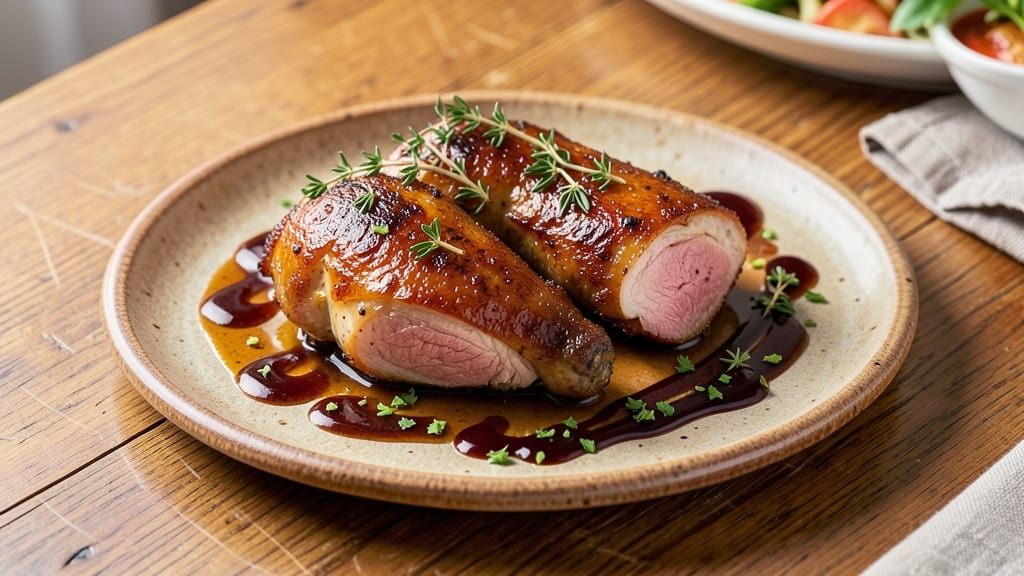
This baked chicken thigh sauce recipe transforms ordinary baked chicken into a restaurant-worthy masterpiece with its honey mustard glaze and caramelized depth. The balance of sweet and tangy flavors creates a sauce that clings perfectly to juicy chicken thighs while adding complexity through slow caramelization.
This isn't just a glaze—it's a flavor-packed sauce that elevates simple baked chicken into something extraordinary.
The secret lies in combining honey and Dijon mustard with a touch of balsamic vinegar, creating a sauce that's both sweet and tangy with subtle depth. We'll build this sauce in stages: first reducing it to develop caramelized richness, then finishing with fresh herbs that add brightness.
The result is a sauce that's versatile enough to work as a table condiment or a drizzle over finished chicken.
What makes this sauce truly special is its ability to enhance rather than overpower the natural flavors of baked chicken thighs. The caramelized base adds a sophisticated touch, while the honey mustard glaze keeps it approachable.
Perfect for weeknight dinners or special occasions, this sauce comes together in just 20 minutes with simple pantry ingredients.
The best part? This sauce keeps beautifully in the refrigerator for up to five days, making it ideal for meal prep. Whether you're serving it alongside roasted vegetables or using it as a marinade before baking, this honey mustard glaze will become your go-to sauce for chicken dishes.
Let's get started on creating this flavorful companion for your baked chicken thighs.
Ingredients for baked chicken thigh sauce
Simple pantry staples create this restaurant-quality honey mustard glaze for juicy baked chicken thighs.
| Ingredient | Amount | Notes |
|---|---|---|
| Honey 🍯 | ½ cup | Raw or wildflower preferred |
| Dijon Mustard 🌶️ | ¼ cup | High-quality, smooth variety |
| Balsamic Vinegar 🍷 | 2 tbsp | Aged for depth of flavor |
| Extra-Virgin Olive Oil 🫒 | ¼ cup | For richness and balance |
| Fresh Thyme Leaves 🌿 | ¼ cup | Finely chopped, stems removed |
| Fresh Parsley Leaves 🌿 | ¼ cup | Finely chopped for brightness |
| Garlic Cloves 🧄 | 2 cloves | Minced for aromatic depth |
| Salt 🧂 | 1 tsp | Kosher or sea salt preferred |
| Black Pepper 🌶️ | ½ tsp | Freshly ground for heat |
| Fresh Lemon Juice 🍋 | 1 tbsp | Brightens the caramelized flavors |
The honey is the star here—raw or wildflower has the most flavor, but any good-quality honey works. Trader Joe's and Whole Foods carry excellent options, but your local grocery store's honey section is fine too. For the Dijon mustard, avoid the cheap stuff—Maille or Colman's are my go-tos, but any smooth Dijon will do. The balsamic vinegar should be aged at least 12 years for that deep, caramelized flavor. I grab mine from Costco—it's a splurge, but worth it for special occasions. Fresh herbs make all the difference, so don't skip them if you can get them.
No raw honey? Substitute with maple syrup at the same amount—it's got a similar viscosity. Short on Dijon? Yellow mustard thinned with a splash of water works in a pinch, but you'll lose some depth. If you're out of fresh thyme or parsley, dried at one-third the amount gets you close, though fresh is ideal. The lemon juice can be bottled, but freshly squeezed adds that extra pop. For a richer sauce, add 1 tbsp of butter at the end—it'll melt right in and add a silky texture.
This sauce keeps beautifully in the fridge for up to 5 days, sealed in an airtight container. If it thickens, just stir in a splash of warm water. For longer storage, freeze in ice cube trays—perfect for single-use portions. The flavors actually improve after the first day, so make extra if you're planning to use it over time. It reheats wonderfully—just warm it gently on the stove or microwave for 20 seconds. Trust me, the leftovers are just as good as the first batch.
Why You'll Love This Recipe
- Five-Ingredient Magic: The sauce comes together with just honey, Dijon, balsamic, oil, and thyme—no fancy prep, no stress. Honestly, I dump everything in a bowl while the chicken bakes, and it’s done.
- Sweet-Savory Balance: That honey cuts through the sharp Dijon mustard while the balsamic adds depth—crispy skin, sticky glaze, and a hint of herbal brightness. I’ll be real: my kids fight over the last bite.
- Lunchbox Hero: Make a double batch, and you’ve got weeknight dinners covered—toss the sauce over greens, wrap it in flatbread, or serve it with roasted veggies. (Yes, even on a Tuesday night.)
- Leftovers That Shine: The sauce thickens beautifully when reheated, so the chicken stays juicy and flavorful. I’ve pulled this from the fridge for sandwiches, salads, or even a quick pasta—no one guesses it’s yesterday’s meal.
Step-by-step instructions for baked chicken thigh sauce
Here's how to craft that perfect honey mustard glaze with caramelized depth for your baked chicken thighs.
Combine Wet Ingredients for the Base
In a medium saucepan, whisk together the 0.5 cup honey and 0.25 cup Dijon mustard over medium-low heat. Let the mixture warm for 2-3 minutes, stirring constantly, until it begins to bubble gently. This gentle warming helps the honey and mustard blend smoothly without burning.
Next, add the 2 tablespoons balsamic vinegar and 0.25 cup extra-virgin olive oil. Stir well to incorporate all ingredients. You'll notice the mixture thicken slightly as the heat causes the honey to caramelize just a bit. Keep the heat at medium-low—this ensures even cooking without scorching the delicate flavors.
Add Aromatics and Simmer
Increase the heat to medium and add the minced 2 cloves garlic. Let the mixture bubble for 1-2 minutes until the garlic becomes fragrant—you'll smell that unmistakable aroma filling your kitchen. This is when the sauce starts to develop its complex flavor profile.
Reduce the heat to low and stir in the 0.25 cup fresh thyme leaves and 0.25 cup fresh parsley leaves. Let the sauce simmer gently for 5-7 minutes, stirring occasionally. You're looking for the sauce to thicken slightly and develop a glossy sheen. The herbs will infuse the sauce with their bright, aromatic qualities, balancing the richness of the honey and mustard.
Finish with Seasoning and Acid
Remove the saucepan from heat and stir in the 1 teaspoon salt, 0.5 teaspoon black pepper, and 1 tablespoon fresh lemon juice. Taste the sauce and adjust the seasoning if needed—you might want a bit more salt to enhance the flavors or a splash more lemon juice for brightness.
Let the sauce cool slightly for 5 minutes before using. This resting period allows the flavors to meld together perfectly. The sauce should be thick enough to coat the back of a spoon but still pourable enough to glaze the chicken thighs beautifully.
Glaze the Chicken Thighs
Preheat your oven to 400°F. Place the baked chicken thighs on a baking sheet lined with parchment paper. Spoon the warm honey mustard glaze evenly over the tops of the chicken thighs, ensuring each piece is fully coated. For extra flavor, you can also brush some glaze underneath the thighs.
Bake the chicken thighs for 15-20 minutes until the skin is golden brown and crispy. The glaze will caramelize beautifully, creating a sticky, flavorful crust. If the glaze thickens too much during baking, you can brush on a bit more to keep it glossy and delicious.
Pro Tips For Making Baked Chicken Thigh Sauce
- Whisk the Honey Last: I learned this the hard way—adding honey too early turns your sauce into a sticky mess that burns before the chicken cooks. Stir it in only during the final 5 minutes of baking, when the chicken’s juices are already caramelizing. That’s when the magic happens.
- Deglaze with Balsamic: After removing the chicken, pour that leftover balsamic vinegar into the pan hot—it’ll scrape up all the browned bits that taste like flavor gold. Let it simmer for 30 seconds, then whisk in the mustard and olive oil. This step cuts the sauce time in half and makes it taste deeper.
- Skip the Crowded Pan: Chicken thighs need room to breathe, or they’ll steam instead of crisp. Arrange them in a single layer, skin-side up, with at least ½ inch between each. If your pan’s too small, bake in batches—your first attempt at golden skin will thank you.
- Toast the Thyme First: Tear the thyme leaves (don’t waste the stems—chop them too), then dry-toast them in the oven for 2 minutes at 400°F before adding them to the sauce. It sounds weird, but it works: the aroma jumps off the plate, and the leaves stay vibrant instead of turning to mush.
Regional styles of these flavors
Southern Honey Mustard
In the American South, this sauce takes center stage with a touch of hot honey instead of regular honey. I swap the ½ cup honey for ½ cup hot honey (like Sticky Fingers brand) and add ½ teaspoon smoked paprika for depth.
The result is a sauce with a subtle kick that pairs beautifully with crispy baked chicken thighs. Serve with collard greens and cornbread for a true Southern feast. 🌶️
Italian Lemon-Herb Twist
For an Italian-inspired version, replace the balsamic vinegar with 1 tablespoon red wine vinegar and add 1 teaspoon dried oregano along with the fresh herbs. A splash of ½ cup chicken stock (instead of olive oil) creates a lighter, more elegant sauce.
Finish with zest from 1 lemon for brightness. This version works wonderfully with roasted rosemary potatoes and a simple arugula salad. 🍋
Asian-Inspired Sesame Glaze
Transform this sauce into an Asian-inspired glaze by replacing the Dijon mustard with 2 tablespoons soy sauce and 1 tablespoon rice vinegar. Add 1 tablespoon toasted sesame oil and 1 teaspoon grated fresh ginger for a bold umami kick.
A drizzle of honey (instead of the full amount) keeps the sauce balanced. This version pairs perfectly with steamed jasmine rice and quick-pickled cucumbers. ✨
Mediterranean Garlic-Yogurt
For a creamy Mediterranean take, blend ½ cup plain Greek yogurt into the finished sauce (after cooling) along with 1 minced garlic clove and ½ teaspoon ground cumin. Skip the olive oil and replace it with 2 tablespoons tahini for richness.
Garnish with toasted pine nuts and crumbled feta cheese before serving. This version is ideal with grilled zucchini and warm pita bread. 🌿
French Dijon Cream Sauce
Elevate this sauce to French bistro level by adding ¼ cup heavy cream at the end (after removing from heat) and finishing with 1 tablespoon chopped chives. The cream adds a velvety texture that contrasts beautifully with the crispy chicken skin.
Serve with buttery mashed potatoes and sautéed green beans for a classic French-inspired meal. 🍷
Nutrition facts
Nutrition facts
Frequently asked questions
Can I make this sauce ahead of time?
This sauce actually tastes even better after resting for 24 hours in the fridge. The flavors meld beautifully, and it thickens slightly for a more concentrated taste. Store in an airtight container and stir before using. For longer storage, freeze in ice cube trays for single-use portions.
What if my sauce gets too thick?
Simply thin it with 1-2 teaspoons of warm water or chicken broth while stirring over low heat. For extra richness, you can also whisk in 1 tablespoon of butter to restore body. The sauce should coat the back of a spoon but remain pourable for glazing.
How do I adjust the sweetness level?
If you prefer less sweetness, reduce the honey to ¼ cup and add 1 extra tablespoon of balsamic vinegar to balance. For more sweetness, increase the honey by 1 tablespoon and add a pinch of cinnamon for warmth. Always taste as you go!
Can I use this sauce on other proteins?
Yes! This versatile glaze works beautifully on pork chops, salmon fillets, or even tofu for a vegetarian option. For seafood, reduce the cooking time to 3-5 minutes to prevent overcooking. The honey mustard flavor pairs well with many proteins when baked or grilled.
Why did my sauce separate?
This usually happens if the heat gets too high, causing the honey to burn or the oil to separate. To fix it, whisk in 1 teaspoon of cornstarch mixed with 1 tablespoon cold water while stirring over low heat until smooth. For future batches, keep the heat at medium-low and stir constantly.