
Main Courses
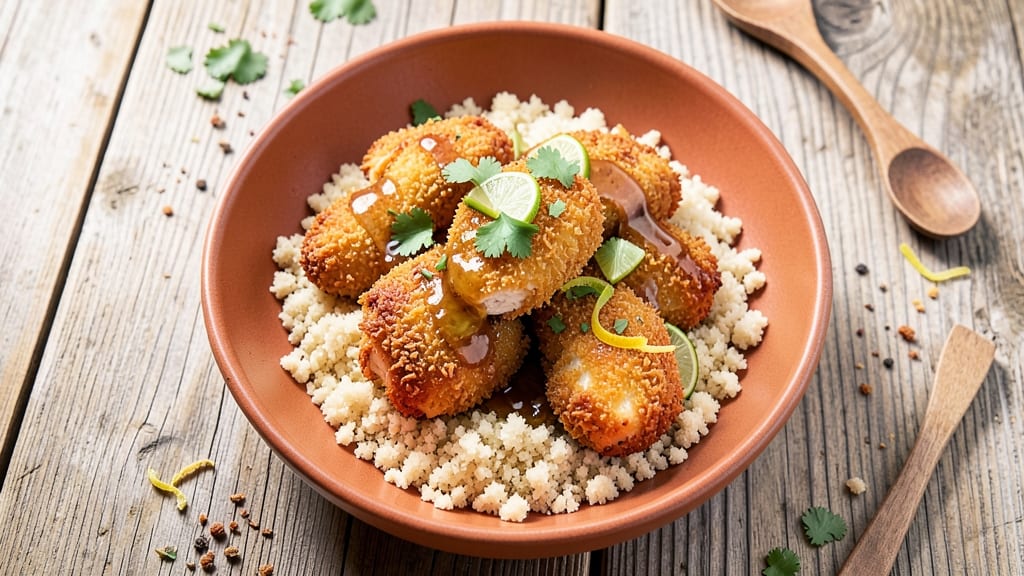
Baked coconut chicken tenders deliver that perfect balance of triple-coated crunch and impossibly juicy centers—no deep-fryer required. The secret lies in a three-step breading process where each layer (flour, coconut, and panko) builds texture while keeping the chicken tender. I perfected this recipe after testing countless versions, and the difference between soggy and golden-crispy comes down to proper drying and baking times.
What sets these apart from traditional chicken tenders is the coconut—its natural sweetness caramelizes beautifully during baking, creating a flavorful crust that's both satisfying and slightly tropical. The marinade infuses the chicken with moisture, ensuring it stays juicy even after the long baking process.
This method transforms simple chicken breasts into a restaurant-worthy dish that's crispy on the outside and tender on the inside.
The result is a plate of golden-brown tenders with a satisfying crunch that gives way to succulent, flavorful meat. Each bite delivers that perfect contrast—crispy coconut crust, followed by tender chicken that practically melts in your mouth.
The coconut flavor adds a subtle sweetness that pairs beautifully with tangy dipping sauces like honey mustard or spicy mayo.
Serve these with a side of roasted vegetables or a fresh salad to balance the richness, and you'll have a complete meal that's impressive enough for company but simple enough for weeknight dinners.
The best part? These tenders stay crispy even when reheated, making them perfect for meal prep or leftovers.
Ingredients for baked coconut chicken tenders
Nine essential ingredients transform simple chicken into restaurant-worthy coconut tenders with perfect crunch and juicy centers.
| Ingredient | Amount | Notes |
|---|---|---|
| Boneless, Skinless Chicken Breasts 🍗 | 1 ½ lb | Pounded to even 1/4-inch thickness |
| All-Purpose Flour 🌾 | ½ cup | For first breading layer |
| Unsweetened Shredded Coconut 🥥 | 1 cup | Toasted for enhanced flavor |
| Japanese Panko Breadcrumbs 🍞 | 1 cup | Light and crispy texture |
| Large Eggs 🥚 | 2 whole | Beaten for even coating |
| Extra-Virgin Olive Oil 🫒 | 2 tbsp | For marinade and brushing |
| Lemon Juice 🍋 | 2 tbsp | Freshly squeezed for brightness |
| Garlic Cloves 🧄 | 3 cloves | Minced for marinade |
| Ground Black Pepper 🌶️ | 1 tsp | Freshly cracked for heat |
| Diamond Crystal Kosher Salt 🧂 | 1 tsp | For seasoning and drying |
| Cornstarch 🌾 | 1 tbsp | For extra crispiness |
| Honey 🍯 | 1 tbsp | For subtle sweetness |
The chicken breasts need to be pounded even—uneven thickness means some pieces cook faster, leading to dry spots. Grab the thickest part of the breast and pound it gently but firmly with a meat mallet or rolling pin. For the coconut, unsweetened is key—sweetened will make the crust cloying. Toast it in a dry pan for 2-3 minutes until golden and fragrant. The Japanese panko is non-negotiable here; regular breadcrumbs won't give the same light, airy crunch. If you can't find it, crush regular panko in a food processor for a second-best option. The olive oil should be extra-virgin—it adds richness to the marinade and helps the breading stick.
No panko? Crushed cornflakes or crushed graham crackers work in a pinch, though the texture won't be identical. Running out of unsweetened coconut? Toasted almond flour or crushed pistachios add a different but equally delicious crunch. The honey in the marinade can be swapped for maple syrup, but honey's floral notes play better with the coconut. Fresh garlic is ideal, but garlic powder at half the amount works if you're short on time. For extra crispiness, mix the cornstarch into the panko layer—it's the secret weapon behind that restaurant-quality crunch. And if your chicken is still damp after patting dry, let it air-dry on a wire rack for 10 minutes—this step is what keeps the coating crispy, not soggy.
These tenders stay crispy for up to 3 days if stored properly—keep them in an airtight container with parchment paper between layers to prevent sticking. Reheat in a 375°F oven for 5-7 minutes to restore that golden crunch. For meal prep, freeze unbreaded chicken first, then bread and bake straight from frozen (add 5-7 minutes to baking time). The toasted coconut can be stored in the fridge for 1 week in an airtight container, though it's best used fresh. And if you're serving these for a crowd, double the batch—they disappear faster than you'd think!
Why You'll Love This Recipe
- No-Fuss Coating: I swear by the three-step dip—flour, beaten egg, then that mix of coconut and panko. No fancy techniques, just press, dip, repeat. The panko gives that perfect crunch without needing a deep fryer.
- Tropical Crunch Magic: That unsweetened shredded coconut isn’t just for show—it toasts into a caramelized blanket while the panko stays crisp. The contrast? Chef’s kiss. It’s like a hug from a tropical island, but in bite-sized form.
- Meal Prep MVP: Between us, these keep for days in the fridge—reheat in the oven or air fryer, and they’re crispy again. Pack them for lunches, toss them in salads, or freeze half for lazy nights. My go-to for busy weeks.
- Budget Crispy Perfection: Panko and coconut are cheap, but they make it feel fancy. I use the same ingredients for nuggets, tacos, or even a quick stir-fry. One bag of panko stretches across multiple meals—no wasted leftovers here.
Step-by-step instructions for triple-coated coconut chicken tenders
Here's how to create the perfect balance of crispy coconut crust and juicy chicken—every bite is a revelation.
Marinate and Pound the Chicken
Begin by pounding the 1.5 lb boneless, skinless chicken breasts between two sheets of plastic wrap until they reach an even ¼-inch thickness. This ensures even cooking and maximum tenderness. In a small bowl, whisk together the 2 tbsp extra-virgin olive oil, 2 tbsp lemon juice, 3 minced garlic cloves, 1 tbsp honey, 1 tsp ground black pepper, and 1 tsp diamond crystal kosher salt. Pour this vibrant marinade over the chicken and let it soak for at least 30 minutes—this infusion guarantees bright, flavorful meat that won't dry out.
While the chicken marinates, toast the 1 cup unsweetened shredded coconut in a dry skillet over medium heat for 3-4 minutes, stirring constantly until it turns a rich golden brown and releases a nutty aroma. This step is non-negotiable—raw coconut won't crisp properly. Transfer the toasted coconut to a plate and let it cool slightly before using.
Build the Triple Breading Station
Set up three shallow bowls for your breading station: one with the 0.5 cup all-purpose flour, another with the 2 whole large eggs beaten until frothy, and the third with a mixture of the toasted 1 cup unsweetened shredded coconut, 1 cup Japanese panko breadcrumbs, 1 tbsp cornstarch (for extra crunch), and an additional pinch of diamond crystal kosher salt. The cornstarch is the secret weapon here—it creates that irresistible shatter when you bite in.
I like to work in batches to avoid overcrowding. Dip each piece of chicken first into the flour, shaking off any excess, then into the egg wash, allowing any drips to fall back into the bowl. Finally, press the chicken firmly into the coconut-panko mixture, ensuring every surface is fully coated. This triple layering is what delivers that legendary crunch while keeping the chicken impossibly tender inside.
Bake to Golden Perfection
Preheat your oven to 400°F and line two baking sheets with parchment paper. Arrange the breaded chicken tenders in a single layer, leaving 1 inch of space between each piece—they'll expand as they bake. Brush the tops lightly with a bit of the reserved marinade for extra shine and flavor. Bake for 18-20 minutes, flipping halfway through, until the edges are deep golden brown and the internal temperature reaches 165°F.
Here's the thing—don't walk away during the last few minutes. The coconut crust burns faster than it crisps, so keep an eye on them. If the tops start to darken too quickly, tent them loosely with foil for the final 2-3 minutes to prevent over-browning while still finishing the cooking process. The tenders should emerge with a crisp exterior that shatters at the slightest touch and juicy, pink centers that practically melt in your mouth.
Rest and Serve Immediately
Transfer the golden tenders to a wire rack and let them rest for 5 minutes before serving. This brief pause allows the juices to redistribute, ensuring every bite is moist and flavorful. Serve them immediately with your favorite dipping sauce—think sweet chili, honey mustard, or even a simple yogurt-based dip with extra lemon juice and a pinch of salt. The contrast of the cool, tangy sauce against the warm, crispy tenders is pure magic.
Pro tip: If you're making these ahead of time, bake them just until they reach 160°F (about 15 minutes), then let them cool completely before refrigerating. Re-crisp in a 375°F oven for 5-7 minutes before serving. The secret to reheating is speed—you want to revive that crunch without turning the chicken rubbery.
Pro Tips For Making Baked Coconut Chicken Tenders
- PAT THE CHICKEN DRY: I learned this the hard way—wet chicken breasts won’t crisp, no matter how much panko you pile on. Grab paper towels and press them into every surface before dredging; you’ll get that satisfying crunch instead of a soggy mess.
- MIX COCONUT AND PANKO: Don’t just dump shredded coconut on top—toss it with the panko first. The coconut needs something to stick to, and mixing them (about 2:1 ratio) ensures even coating and a cohesive crust that won’t flake off mid-bite.
- USE A THERMOMETER: Chicken at 165°F is non-negotiable, but baked tenders trick you—juicy outside, raw inside. Skip guessing: insert a probe into the thickest piece before pulling them out, even if they look done.
- CHILL THE BREADING: After dredging, pop the coated tenders in the fridge for 15 minutes. Cold eggs set faster, locking the coconut-panko crust in place before baking. (Yes, even if you’re impatient like me.)
Wine and beer pairings for this dish
Crispy Coconut & Citrus
The tropical sweetness of the coconut crust pairs beautifully with bright, acidic wines. A dry Riesling from Germany—like Dr. Loosen Blue Slate—complements the dish perfectly with its crisp apple and citrus notes that cut through the richness. The wine's slight effervescence cleanses your palate between each crispy bite. 🍷
Spiced White Wine
For something with a bit more warmth, try a Gewürztraminer from Alsace, France. The lychee and spice notes in wines like Domaine Zind-Humbrecht mirror the coconut's tropical profile while adding a floral complexity. Serve slightly chilled to enhance the wine's aromatic qualities.
Light-Bodied Beer
If you prefer beer, a crisp Belgian Witbier like Stella Artois or Hoegaarden works wonderfully. The coriander and orange peel notes in these beers balance the coconut's sweetness, while the effervescence keeps the palate fresh.
For a darker option, a pale ale with citrusy hops—like Deschutes Mirror Pond—adds a refreshing contrast.
Tropical Rum Cocktail
For a festive touch, mix a dark rum cocktail like a Piña Colada (without the cream) or a Coconut Mojito. Use Bacardi Superior rum and muddle fresh mint with lime juice, then top with coconut water for a refreshing, tropical pairing.
The rum's caramel notes enhance the coconut's natural sweetness while keeping the drink light and crisp. 🍹
Sweet & Tangy Pairings
Balance the coconut's richness with a dry rosé like Whispering Angel from Provence. The wine's berry and citrus flavors provide a light, refreshing contrast. For a non-alcoholic option, try sparkling grape juice—the bubbles and acidity mirror the wine's refreshing qualities while complementing the dish's tropical notes.
Nutrition facts
Frequently asked questions
Can I use chicken thighs instead of breasts for this recipe?
Yes, but you'll need to adjust cooking times! Chicken thighs stay juicier longer, so bake them for 22-25 minutes at 400°F until they reach 175°F internally. The skin adds extra flavor, but remove it if you prefer a cleaner texture. Thighs work especially well for meal prep since they're more forgiving when reheated.
Why is my coconut crust coming out soggy instead of crispy?
This usually happens when the chicken isn't properly dried before breading. Pat each piece thoroughly with paper towels, then let them air-dry on a wire rack for 10 minutes before coating. Also, make sure your oven isn't too crowded—leave at least 1 inch between tenders. The cornstarch in the panko mixture is your secret weapon for that perfect crunch!
What's the best way to store leftovers?
Store in an airtight container with parchment paper between layers to prevent sticking. They'll stay crispy for 3 days in the fridge. For longer storage, freeze unbreaded chicken first, then bread and bake straight from frozen (add 5-7 minutes to baking time). To reheat, use a 375°F oven for 5-7 minutes—the key is speed to restore that crunch!
Can I make this gluten-free?
Replace all-purpose flour with ½ cup gluten-free all-purpose flour blend, and use gluten-free panko breadcrumbs. For the coconut layer, ensure your panko is certified gluten-free. The cornstarch can stay as-is since it's naturally gluten-free. Just make sure all ingredients are labeled gluten-free to avoid cross-contamination.
What's the best dipping sauce to serve with these?
Try our signature honey-lime dip: mix ¼ cup Greek yogurt, 1 tbsp honey, 1 tbsp lime juice, ½ tsp garlic powder, and a pinch of salt. For something spicy, blend ¼ cup mayo, 1 tbsp sriracha, 1 tbsp lime juice, and 1 tsp honey. The tangy sweetness cuts through the coconut's richness perfectly!