
Main Courses
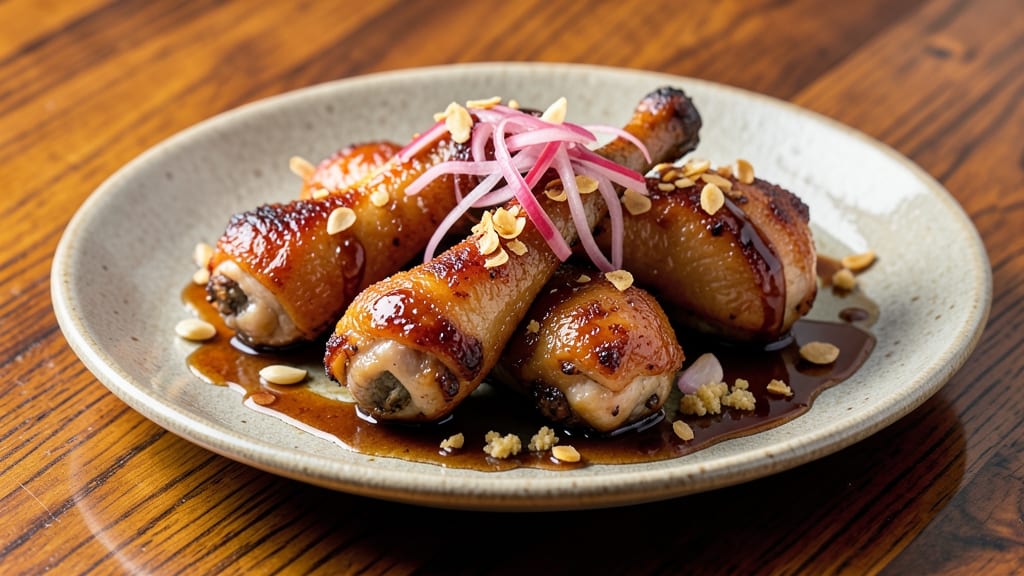
This baked teriyaki chicken legs recipe delivers juicy, caramelized perfection with a sticky-sweet glaze that cracks into irresistible crunch. 🔥 The secret lies in marinating the chicken overnight, ensuring tender meat that stays moist through baking at 375°F for about 45 minutes.
What makes this dish special is the homemade teriyaki sauce—packed with ginger, garlic, and soy—balancing sweetness with savory depth.
The process is straightforward but yields restaurant-quality results: simply toss the chicken in the marinade, bake until golden, then broil for that signature caramelized finish. The glaze thickens beautifully while the chicken stays succulent inside, creating a texture contrast that makes every bite satisfying.
This recipe transforms a simple weeknight meal into something impressive enough for company.
By the time you plate these, you'll have golden, glistening chicken legs with a glossy glaze that clings to every bite. Serve with steamed jasmine rice and stir-fried vegetables for a complete, balanced meal that's both comforting and elegant.
The aroma alone will have everyone gathering at the table—no takeout needed.
Perfect for meal prepping or last-minute dinners, this recipe scales easily and tastes even better the next day. The leftovers keep their juicy texture, making it an ideal choice for busy schedules without sacrificing flavor. Let's get started on this crowd-pleaser!
Ingredients for baked teriyaki chicken legs
Four juicy chicken legs and twelve ingredients transform into restaurant-worthy teriyaki perfection.
| Ingredient | Amount | Notes |
|---|---|---|
| Chicken Legs 🍗 | 4 whole | Bone-in, skin-on for best flavor |
| Extra-Virgin Olive Oil 🫒 | 2 tbsp | For coating chicken |
| Garlic Cloves 🧄 | 6 cloves | Minced for marinade |
| Fresh Ginger 🌿 | ½ cup | Finely grated, peeled |
| Low-Sodium Soy Sauce 🍶 | ½ cup | Kikkoman preferred |
| Honey 🍯 | ⅓ cup | Pure, unprocessed |
| Rice Vinegar 🍶 | ¼ cup | Seasoned preferred |
| Sesame Oil 🫒 | 1 tbsp | Toasted for aroma |
| Brown Sugar 🍚 | ¼ cup | Packed, light variety |
| Diamond Crystal Kosher Salt 🧂 | 1 tsp | For seasoning |
| Ground Black Pepper 🌶️ | ½ tsp | Freshly cracked |
| Jasmine Rice 🌾 | 1 ½ cups | Uncooked, for serving |
| Cornstarch 🍚 | 1 tbsp | For glaze thickening |
The chicken legs should be bone-in and skin-on—this ensures maximum flavor and juiciness. Trader Joe's and Costco often carry high-quality, organic options that work beautifully. Look for legs with a vibrant, pinkish hue and minimal bruising. If you're prepping ahead, store the raw chicken in an airtight container in the fridge for up to 2 days. The ginger and garlic should be fresh—dried substitutes won't deliver the same depth of flavor, so invest in quality here. For the soy sauce, Kikkoman is a reliable choice, but any low-sodium variety will work. The honey should be pure, unprocessed to avoid artificial additives that can alter the glaze's texture.
No fresh ginger? Substitute with 1 teaspoon of ground ginger, but expect a less vibrant flavor. Running low on sesame oil? Avocado oil at half the amount works in a pinch, though it lacks the toasty aroma. The cornstarch is crucial for thickening the glaze—arrowroot powder can replace it at a 1:1 ratio. For a deeper umami kick, add 1 teaspoon of fish sauce (if not vegetarian) or an extra tablespoon of soy sauce. If you prefer a sweeter glaze, increase the honey to 0.5 cup and reduce the brown sugar by 0.125 cup. The rice vinegar adds brightness, so if you're out, apple cider vinegar is a suitable swap.
The teriyaki sauce can be made 2 days in advance and stored in an airtight container in the fridge. The chicken legs should marinate overnight for optimal tenderness, but if short on time, 4 hours minimum will still yield great results. After baking, the glaze will thicken further as it cools—reheat gently in the microwave for 20-30 seconds to restore its glossy finish. Leftovers keep for 4 days in the fridge and can be frozen for 3 months. For meal prep, portion the chicken and sauce separately to avoid sogginess. Serve with steamed jasmine rice and a side of stir-fried vegetables for a complete, balanced meal.
Why You'll Love This Recipe
- Foolproof Glaze: I swear by this teriyaki mix—just olive oil, fresh ginger, and low-sodium soy sauce simmered down until sticky. No bottled sauces with mystery ingredients here, just pure, balanced flavor that clings to every crispy bite.
- One-Pan Magic: Honestly, this recipe changed my weeknights. Toss the chicken legs on a sheet pan, drizzle the glaze, and forget about cleanup. The garlic and ginger caramelize right there while you scroll through your phone—no pots, no pans, just golden perfection.
- Leftovers That Shine: Between us, these chicken legs taste even better the next day. I’ll pack them for lunches or toss them into salads—still juicy, still packed with that teriyaki punch. (Yes, even on a Tuesday night.)
- Budget Crowd-Pleaser: Chicken legs are my secret weapon for feeding everyone without breaking the bank. A few bucks gets you enough for four, and the flavor? Ridiculously good. My roommates always ask for seconds, and I never even have to cook extra.
Step-by-step instructions for baked teriyaki chicken legs
Master the balance of caramelized glaze and tender meat with this precise method.
👨🍳 Step 1: Create the Glaze and Marinate the Chicken
In a medium saucepan, combine the 0.5 cup Low-Sodium Soy Sauce, 0.33 cup Honey, 0.25 cup Rice Vinegar, 0.25 cup Brown Sugar, 1 tbsp Sesame Oil, 6 cloves Garlic Cloves (minced), 0.5 cup Fresh Ginger (finely grated), 1 tsp Diamond Crystal Kosher Salt, and 0.5 tsp Ground Black Pepper. Bring to a gentle simmer over medium heat and cook for 8-10 minutes until the mixture thickens slightly and reduces by about 25%. You'll know it's ready when it coats the back of a spoon and smells deeply aromatic.
Remove from heat and let cool for 10 minutes. While the glaze cools, pat the 4 whole Chicken Legs dry with paper towels—this ensures maximum crispiness. Place the chicken in a large resealable bag or shallow dish and pour the cooled glaze over them, coating evenly. Let them marinate for at least 30 minutes (or up to 4 hours in the refrigerator) to infuse the meat with flavor.
🔥 Step 2: Preheat and Prepare for Baking
Preheat your oven to 425°F with the rack positioned in the middle. Line a large baking sheet with aluminum foil and arrange a wire rack on top—this allows air to circulate underneath, promoting even browning. Remove the chicken from the marinade (reserve the leftover glaze) and place them skin-side up on the rack. Brush the chicken generously with the 2 tbsp Extra-Virgin Olive Oil, then drizzle any remaining marinade over the tops.
Here's the thing—don't skip the oil. It creates a barrier that prevents the skin from sticking to the rack and helps develop that coveted crispy texture. The high heat will render the skin's fat while the glaze caramelizes, creating a perfect balance of textures.
🔥 Step 3: Bake Until Glazed and Golden
Bake the chicken legs for 45 minutes, then reduce the oven temperature to 375°F. After the initial 45 minutes, flip each leg skin-side up and continue baking for another 20-25 minutes until the skin is deep golden brown and crispy, and the internal temperature reaches 165°F when measured at the thickest part of the thigh. The glaze should be thickened and glossy, with caramelized edges that pull slightly when you run a finger through it.
I lower the temperature after the initial bake to prevent over-browning while ensuring the chicken cooks through evenly. The reduced heat allows the glaze to set properly without burning, creating that signature teriyaki crunch we're after.
🥘 Step 4: Thicken the Glaze and Serve
While the chicken rests, transfer any pan drippings to a small saucepan. Add the 1 tbsp Cornstarch mixed with 2 tablespoons water and bring to a simmer over medium heat. Cook for 2-3 minutes until the glaze thickens to a syrupy consistency—it should coat the back of a spoon and glisten slightly. Pour this thickened glaze over the chicken before serving.
Let the chicken rest for 5 minutes before serving. This resting period ensures the juices redistribute, preventing them from pooling on your plate. Serve the chicken legs with the 1.5 cups Jasmine Rice cooked separately, and drizzle generously with the thickened glaze. Each bite should deliver a perfect harmony of crispy skin, juicy meat, and sweet-savory glaze.
Pro Tips For Making Baked Teriyaki Chicken Legs
- SEAR FIRST, BAKE SECOND: After burning three batches of teriyaki chicken legs, I finally realized the oven alone won’t give you that sticky, caramelized crust. Start by searing the skin-side down in a hot skillet with olive oil for 4-5 minutes—just until it’s golden and crispy. Then transfer to the oven for baking. The contrast in textures makes all the difference.
- GRATE THAT GINGER: I used to chop ginger into thin slices or even mash it, thinking it’d blend in fine. Wrong. Freshly grated ginger (about 1 tablespoon) releases its flavor instantly and doesn’t clump like chopped pieces. If you’re short on time, use powdered ginger—but reduce it to half a teaspoon and add a splash of rice vinegar to mimic the brightness.
- SKIP THE CROWDED PAN: Teriyaki sauce is sticky, and if you pile chicken legs too close together, they’ll steam instead of crisp. Arrange them skin-side up with a little space between each leg—think of them like eggs in a frying pan. This ensures even browning and lets the sauce pool underneath for extra flavor.
- BAKE LOW AND SLOW: I was in a hurry and cranked the oven to 400°F, only to end up with dry, rubbery chicken. For juicy teriyaki legs, bake at 350°F for 45-50 minutes, flipping halfway. The lower heat lets the skin render slowly while keeping the meat tender. If your oven runs hot, start at 325°F and check after 40 minutes.
Dietary considerations for this baked teriyaki chicken legs
Gluten-Free Adaptations
Replace the low-sodium soy sauce with tamari—a naturally gluten-free alternative that delivers the same umami depth. I use San-J Tamari for its rich flavor and consistency.
For the glaze thickening, swap cornstarch with arrowroot powder (use the same amount). The texture remains glossy and sticky, just like the original. 🌱
Low-Sugar Options
Cut the honey by half and replace it with 1/4 cup maple syrup or 1/4 cup sugar-free syrup (like Monkfruit Sweetener). To balance the reduced sweetness, add 1 extra tablespoon of rice vinegar for brightness. The glaze will still caramelize beautifully, just with a slightly tangier profile.
Vegetarian-Friendly Swaps
For a meatless version, use extra-firm tofu cut into leg-shaped pieces. Press the tofu for 30 minutes to remove excess water, then marinate in the teriyaki sauce for at least 1 hour.
Bake at 375°F for 25-30 minutes, flipping halfway. The texture won’t be identical, but it absorbs the flavors wonderfully. 🌱
Allergen-Free Tips
If nut allergies are a concern, ensure your sesame oil is processed in a dedicated facility. For soy-free versions, substitute coconut aminos for soy sauce (use a 1:1 ratio).
The flavor is slightly sweeter but works well in teriyaki. Always double-check labels on honey and brown sugar for cross-contamination warnings.
Dairy-Free Considerations
This recipe is naturally dairy-free, but if serving with sides, opt for coconut milk rice or cashew cream instead of traditional dairy-based sauces. The teriyaki glaze itself doesn’t require dairy, so no modifications are needed for the chicken legs.
Just ensure any garnishes (like sesame seeds) are processed in a dairy-free facility.
Meal Prep Adjustments
For make-ahead meals, store the marinated chicken (unbaked) in an airtight container for up to 2 days. Bake fresh for the best texture, but if reheating, cover with foil and warm in a 350°F oven for 15 minutes.
The glaze may thicken further—reheat it in a saucepan with 1 tbsp water to restore its glossy finish. 💡
Nutrition facts
Frequently asked questions
Can I use boneless chicken thighs instead of legs?
Yes, but expect different results! Boneless thighs will cook faster (25-30 minutes at 375°F) and won't have the same crispy skin. For best texture, use bone-in, skin-on legs—the bones help retain moisture while the skin creates that perfect crunch. If using thighs, reduce baking time by 10-15 minutes and check for doneness at 165°F.
Why did my teriyaki glaze turn out too runny?
This usually happens when the sauce wasn't reduced enough before marinating or the cornstarch wasn't added properly. For a thicker glaze, simmer the sauce longer (12-15 minutes) until it coats a spoon. If it's already baked, reheat the pan drippings with 1 tbsp cornstarch + 2 tbsp water until thickened. The glaze should pull slightly when you run a finger through it.
How do I get extra crispy skin on the chicken?
Pat the chicken legs very dry before marinating—moisture prevents crispiness. After baking, broil for 2-3 minutes on high heat to set the skin. For maximum crisp, place the chicken on a wire rack over a baking sheet (not directly on foil) to allow air circulation. A light brush of extra-virgin olive oil before baking also helps.
Can I make this recipe in an air fryer?
Preheat the air fryer to 375°F and cook the chicken for 20-25 minutes, flipping halfway. Spray with oil and brush with marinade before air frying. The glaze may not caramelize as much, so finish under the broiler for 1-2 minutes if you want that signature shine. Air fryers work great for smaller batches (2-3 legs at a time).
What's the best way to reheat leftovers?
Reheat in a 350°F oven for 10-15 minutes covered with foil to prevent drying. For microwave reheating, cover with a damp paper towel and heat in 30-second intervals. The glaze may thicken—restore its gloss by reheating with 1 tbsp water in a saucepan. Leftovers taste even better the next day as flavors meld!