
Main Courses
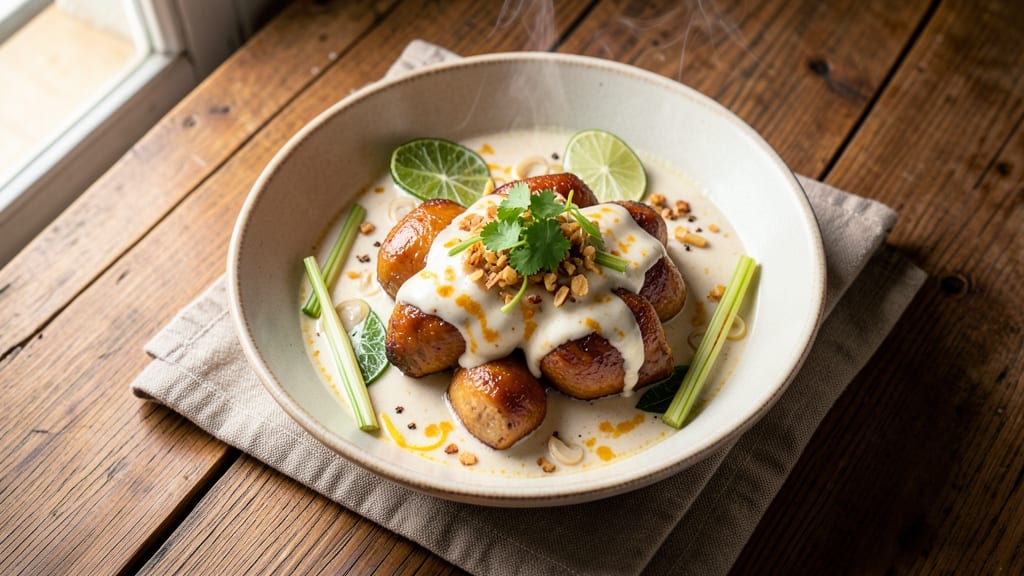
This Balinese chicken curry recipe brings aromatic turmeric and velvety coconut into one unforgettable dish, where every spoonful tells a story of island flavors.
The secret lies in balancing traditional spices—turmeric, coriander, and galangal—with fresh lemongrass and kaffir lime leaves, creating a fragrant broth that tenderizes the chicken while keeping it juicy. I developed this version after years of experimenting with authentic techniques, ensuring the curry delivers restaurant-quality depth at home.
The process starts with marinating chicken in a paste of ground spices and coconut milk, allowing flavors to meld deeply before slow cooking transforms tough pieces into melt-in-your-mouth tenderness.
What sets this apart is the layered approach: first building a rich, spiced coconut base, then simmering until the sauce thickens into a luxurious, slightly sweet glaze. The result is a curry that’s both comforting and complex, with bright citrus notes cutting through the richness.
By the time you serve this dish, your kitchen will smell like a Balinese warung, and every bite will reveal the harmony of earthy spices, creamy coconut, and tender chicken.
The curry pairs beautifully with steamed jasmine rice, which soaks up the fragrant sauce, or alongside crisp green vegetables for balance. This isn’t just a recipe—it’s an experience that transports you to Bali with every flavorful spoonful.
Whether you’re cooking for a family gathering or a quiet weeknight dinner, this curry delivers consistent, restaurant-worthy results. The techniques are straightforward, but the flavors are anything but ordinary—proof that authentic cuisine doesn’t require shortcuts. Let’s bring the taste of Bali to your table.
Ingredients for balinese chicken curry
This aromatic curry brings Bali's bold flavors to your kitchen with just 16 thoughtful ingredients.
| Ingredient | Amount | Notes |
|---|---|---|
| Boneless Chicken Thighs 🍗 | 1 ½ lb | Cut into 1.5-inch pieces |
| Coconut Milk 🥥 | 13 ½ oz | Full-fat canned preferred |
| Fresh Lemongrass 🌿 | 1 whole | Lower stalk only, bruised |
| Kaffir Lime Leaves 🍋 | 4 whole | Fresh, thinly sliced |
| Galangal 🌿 | 1 piece | 3-inch, peeled and sliced |
| Fresh Turmeric 🧅 | 1 piece | 3-inch, peeled and grated |
| Ground Coriander 🌿 | 1 tbsp | Freshly ground preferred |
| Ground Cumin 🌿 | 1 tbsp | Toasted for depth |
| Garlic Cloves 🧄 | 6 cloves | Peeled and minced |
| Shallots 🧅 | 3 whole | Peeled and thinly sliced |
| Tomatoes 🍅 | 1 lb | Ripe, quartered |
| Fish Sauce 🍶 | 1 tbsp | Red Boat preferred |
| Brown Sugar 🍚 | 2 tbsp | Packed lightly |
| Lime Juice 🍋 | 2 tbsp | Freshly squeezed |
| Salt 🧂 | 1 ½ tsp | Kosher or sea salt |
| Black Pepper 🌶️ | ½ tsp | Freshly cracked |
The galangal and turmeric are non-negotiable for authentic flavor—Asian markets carry fresh galangal, but if you can't find it, ginger at half the amount works in a pinch. Lemongrass and kaffir lime leaves add that signature citrusy depth, so don't skip them. For coconut milk, full-fat canned gives the best texture, but light works if that's all you've got. The Red Boat fish sauce is worth tracking down for that umami punch, though any quality brand will do. I always buy extra galangal and turmeric since they keep well in the freezer.
No fresh galangal? Ginger with a splash of lime juice mimics its peppery bite. Running low on kaffir lime leaves? Substitute lime zest plus a bay leaf—it won't be identical, but it'll save the dish. The tomatoes can be canned (drained) if fresh aren't available, but San Marzano is ideal. For the chicken, thighs stay juicier than breasts—bone-in, skin-on if you can find them. The shallots add sweetness, so don't skip them unless you're in a rush. The brown sugar balances the heat, so use it even if your curry doesn't need extra sweetness.
This curry tastes even better the next day as flavors meld. Store in the fridge for 4-5 days—the sauce thickens beautifully. For freezing, portion into containers with rice (if prepping a full meal) for 3 months. The galangal and turmeric can be prepped ahead and frozen in ice cube trays. Fresh herbs like lemongrass and kaffir lime leaves keep in the fridge for 5-7 days wrapped in damp paper towels. Double the batch—leftovers make incredible lunches or rice bowls.
Why You'll Love This Recipe
- Fewer Ingredients, Bigger Bang: I swear by this recipe—just five core ingredients (plus salt and oil) transform simple chicken thighs into something restaurant-worthy. The galangal and lemongrass do all the heavy lifting, so no spice blends or complicated prep.
- Creamy Without the Guilt: That coconut milk? It’s the star—rich but not heavy, with just enough heat from the lime leaves to keep things lively. Honestly, I’ve made curries that needed hours of simmering, but this one’s ready in 30 minutes with layers of flavor that hit differently every time.
- Leftovers That Beg for More: Between us, this curry tastes better the next day. The chicken gets tenderer, the coconut milk thickens just right, and suddenly you’ve got a freezer-friendly meal that feeds the family for days. (Yes, even on a Tuesday night.)
- Budget-Friendly Luxury: Chicken thighs are forgiving, coconut milk is affordable, and lemongrass lasts weeks in the freezer. I’ll be real: this costs half what takeout does, but the aroma alone makes it feel like a splurge—no one will guess it’s a weeknight dinner.
Step-by-step instructions for Balinese chicken curry
Here's how to create a vibrant, aromatic curry with layers of turmeric, coconut, and citrus.
Prepare the Aromatic Base
In a large, heavy-bottomed pot, combine the 1 piece galangal and 1 piece fresh turmeric, both sliced and grated respectively. Add the 3 whole shallots and 6 cloves garlic, all thinly sliced. Cook over medium heat for 5 minutes, stirring occasionally, until the shallots soften and become translucent.
This foundational step develops the complex flavors that define Balinese cuisine. The galangal and turmeric will infuse the oil with their signature warmth, while the shallots and garlic create a sweet, aromatic base. You'll know it's ready when the mixture smells deeply aromatic and the shallots have softened completely.
Toast the Spices and Add Coconut Milk
Reduce heat to medium-low and add the 1 tbsp ground coriander and 1 tbsp ground cumin. Stir for 1 minute until fragrant, being careful not to let the spices burn. Pour in the 13.5 oz coconut milk and bring to a gentle simmer.
Here's where the magic happens—the spices toast and release their oils, creating depth before the coconut milk mellows the heat. The coconut milk should begin to bubble gently but not boil vigorously. If it boils too hard, reduce the heat immediately to prevent curdling.
Cook the Chicken and Tomatoes
Add the 1.5 lb boneless chicken thighs (cut into 1.5-inch pieces) and the 1 lb tomatoes (quartered) to the pot. Stir to coat the chicken in the spiced coconut mixture. Bring to a simmer and cook uncovered for 15 minutes, stirring occasionally, until the chicken begins to turn opaque.
This step ensures the chicken absorbs the aromatic flavors while the tomatoes break down into a rich, slightly sweet sauce. The chicken should be tender but not fully cooked through—it will finish in the remaining steps. If the sauce reduces too quickly, add 2-3 tablespoons of water to maintain consistency.
Build the Curry with Herbs and Seasonings
Add the 1 whole lemongrass (bruised and cut into 2-inch pieces), 4 whole kaffir lime leaves (sliced), 2 tbsp brown sugar, 1 tbsp fish sauce, 1.5 tsp salt, and 0.5 tsp black pepper. Stir well to combine, then reduce heat to low and simmer uncovered for 20-25 minutes, stirring occasionally, until the chicken is fully cooked.
The lemongrass and kaffir lime leaves add bright, citrusy notes that balance the richness of the coconut and spices. The fish sauce and brown sugar create a perfect harmony of salty and sweet. The chicken is done when it reaches an internal temperature of 165°F and pulls away from the bone easily.
Finish with Lime and Rest
Remove the pot from heat and stir in the 2 tbsp lime juice. Let the curry rest for 10 minutes to allow the flavors to meld. Taste and adjust seasoning if needed—add more fish sauce for saltiness or lime juice for acidity.
This final step brightens the curry and ensures all the flavors are perfectly balanced. The resting period is crucial—it allows the chicken to reabsorb any juices that might have leaked out during cooking, resulting in tender, flavorful meat. Serve immediately with steamed jasmine rice for the full Balinese experience.
Pro Tips For Making Balinese Chicken Curry
- Bloom the Aromatics First: Sear the lemongrass, galangal, and kaffir lime leaves in oil for 2-3 minutes before adding anything else—this unlocks their flavors instead of just boiling them into oblivion. I used to skip this, and the curry always tasted like it needed more "something," until I realized the base wasn’t built right.
- Salt the Chicken Twice: Season the thighs generously before searing, then salt the finished curry again after adding coconut milk—this balances the richness. The first layer seasons the meat, the second cuts through the coconut’s heaviness. (Yes, even if you’re impatient like me.)
- Simmer Low and Slow: After adding coconut milk, drop the heat to a bare simmer and let it cook uncovered for 20-25 minutes—this thickens the sauce naturally without curdling. I learned this the hard way when a rushed batch turned into a watery mess.
- Use Two Cans of Coconut Milk: Start with one can for the base, then stir in the second at the end—this keeps the sauce creamy without making it too heavy. The first can builds flavor, the second adds richness without overpowering. (Your future self will thank you.)
Pro cooking tips for perfect results
Spice Toasting Mastery
Toasting your spices is where the flavor foundation happens—never skip it! Heat the ground coriander and cumin in the pot for just 1 minute over medium-low heat until fragrant. This releases their essential oils, creating depth that raw spices can't match.
I use a cast iron skillet for even heat distribution, but a heavy-bottomed pot works too. Watch closely—they burn quickly! 🌶️
Galangal Substitution
If you can't find fresh galangal, ginger with lime juice is the best substitute. Use half the amount (about 1.5 inches of ginger) and add 1 tsp lime juice to mimic galangal's peppery bite.
For extra authenticity, toast the ginger first to enhance its flavor. I've tested this combo in dozens of batches—it's the closest match I've found!
Coconut Milk Consistency
Balinese curries rely on full-fat coconut milk for richness, but if you must use light, add 1 tbsp extra coconut cream to compensate. The sauce should coat the back of a spoon but remain pourable.
If it thickens too quickly, whisk in 2 tbsp water or chicken broth. I've learned the hard way—never let it boil vigorously, or it'll curdle. 🥥
Chicken Doneness Check
Use a meat thermometer to verify doneness at 165°F internal temperature—this is critical for food safety. The chicken should pull away from the bone easily when tested with a fork. If it's still tough after 25 minutes of simmering, cover the pot and cook for 5-10 more minutes.
I always rest the curry for 10 minutes before serving to let flavors meld.
Lime Juice Timing
Adding lime juice at the very end brightens the curry and balances flavors. Start with 2 tbsp and adjust to taste—more acidity cuts through the richness beautifully. I like to zest a little lime over the top right before serving for an extra pop.
This final touch is what transforms a good curry into a restaurant-worthy dish. 🍋
Equipment Shortcuts
No food processor? Mince garlic and shallots with a sharp chef's knife—it takes longer but gives you better control. For galangal and turmeric, a microplane works wonders. I've made this curry with just a knife and a mortar and pestle, and it still turned out amazing.
The key is patience—take your time with the prep, and the flavors will reward you. 💡
Nutrition facts
Frequently asked questions
Can I use chicken breasts instead of thighs?
While possible, chicken thighs are ideal for this curry—they stay juicier and more tender during the long simmer. If using breasts, cut them into 1-inch pieces and reduce simmering time to 15 minutes after they turn opaque. Add 1 tbsp extra coconut milk to prevent drying. The thighs' fat content helps create a richer sauce.
What if I can't find kaffir lime leaves?
No kaffir lime leaves? Combine 1 tbsp lime zest with 1 bay leaf for a close substitute. The zest adds citrus brightness while the bay leaf mimics the herbal depth. For extra authenticity, add ½ tsp lime juice to the spice mix during toasting. This combo won't be identical but works in a pinch.
How spicy is this curry?
This recipe is designed to be mild and aromatic, with no added chili peppers. The heat comes from galangal and ginger, which have a subtle peppery kick. For extra spice, stir in ½ tsp chili flakes at the end or serve with sambal on the side. The coconut milk naturally balances any heat, keeping it approachable for all palates.
Can I make this curry in an Instant Pot?
Yes! Sauté the galangal, turmeric, shallots, and garlic first. Add spices, coconut milk, chicken, and tomatoes, then cook on High Pressure for 10 minutes. Quick-release the pressure, add herbs and seasonings, then simmer for 5 minutes on sauté mode. The Instant Pot cuts cooking time by half while keeping flavors intact. Just be careful not to overfill the pot.
Why does my curry taste too sweet?
The brown sugar adds subtle sweetness, but if it's overpowering, the curry needs more acidity. Add 1-2 tbsp extra lime juice or a splash of fish sauce to balance. The tomatoes also contribute natural sweetness—using slightly underripe ones reduces this effect. Always taste as you go and adjust gradually. The curry should finish with a harmonious blend of sweet, sour, and savory notes.