
Main Courses
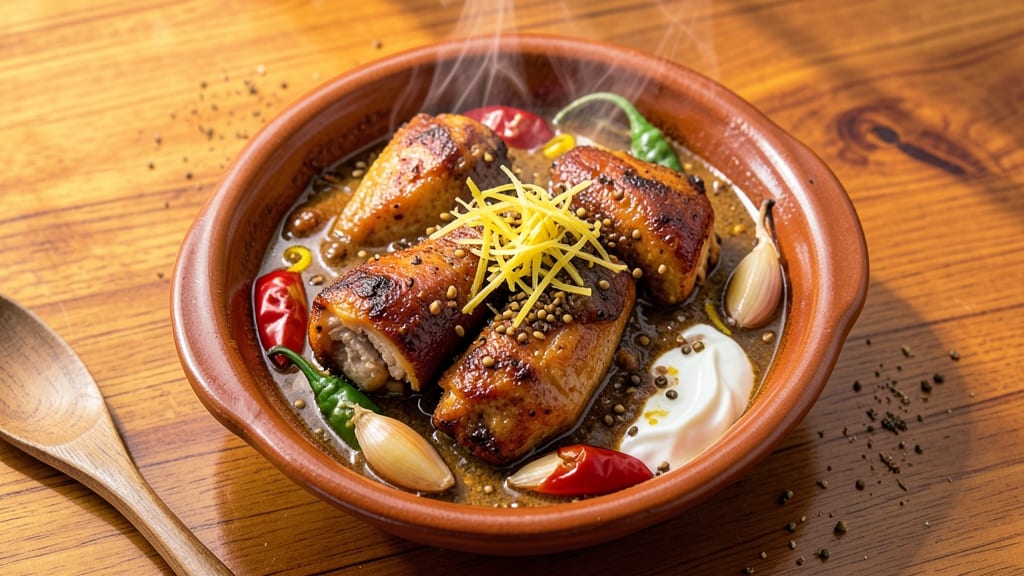
This Bangladeshi chicken curry recipe brings the bold, aromatic flavors of Dhaka to your kitchen with a signature mustard-poppy seed spice blend that transforms ordinary chicken into something unforgettable.
The secret lies in slow simmering, where layers of earthy mustard seeds, floral poppy seeds, and warm spices meld into a rich, velvety sauce that clings to every bite.
I first tasted this version at a family gathering in Chittagong, where my grandmother insisted the curry needed to simmer for hours—not minutes—to develop its signature depth.
The magic begins with marinating the chicken in yogurt and a fragrant paste of garlic, ginger, and green chilies, which tenderizes the meat while infusing it with flavor.
As the curry simmers, the spices release their oils gradually, creating a sauce that’s both aromatic and complex—bright from mustard, nutty from poppy seeds, and subtly sweet from caramelized onions. The key technique?
Cooking the spices in ghee (or mustard oil for an authentic touch) before adding the chicken ensures every bite carries that signature Bangladeshi warmth.
By the time it’s done, you’ll have a curry so rich and fragrant it fills your home with the scent of a Dhaka street corner—tender chicken swimming in a sauce that’s perfectly balanced between spicy, tangy, and sweet.
Serve it with steamed basmati rice or fluffy paratha to soak up every last drop of that velvety goodness. This isn’t just a recipe; it’s a taste of home, brought to life in your own kitchen.
For those who love customization, swap ghee for mustard oil (a staple in Bengali cooking) for a sharper, more pungent flavor, or add a splash of tamarind paste for extra tang.
The beauty of this dish lies in its adaptability—whether you’re feeding a crowd or cooking for two, the result is always restaurant-quality. Let’s get started on creating this aromatic masterpiece.
Ingredients for bangladesh chicken curry
Mustard seeds, poppy seeds, and ghee kick off this aromatic journey to Dhaka's streets.
| Ingredient | Amount | Notes |
|---|---|---|
| Chicken Thighs 🍗 | 1 ½ lb | Bone-in, skin-on preferred |
| Plain Yogurt 🥛 | 1 cup | Full-fat for creaminess |
| Garlic Cloves 🧄 | 6 cloves | Minced for marinade |
| Fresh Ginger 🌿 | ½ cup | Finely grated (packed) |
| Green Chilies 🌶️ | 3 whole | Slit lengthwise, seeds removed |
| Mustard Seeds 🌿 | 2 tbsp | Whole, for tempering |
| Poppy Seeds 🌾 | 1 tbsp | Lightly toasted |
| Garam Masala 🌶️ | 1 tbsp | Ground for depth |
| Ground Cumin 🌿 | 1 tbsp | Toasted for warmth |
| Tomatoes | 2 medium | Pureed for sauce base |
| Onions 🧅 | 1 large | Finely chopped |
| Ghee 🫒 | ½ cup | Or mustard oil for authenticity |
| Salt 🧂 | 1 ½ tsp | Adjust to taste |
| Fresh Coriander 🌿 | ¼ cup | Chopped for garnish |
| Lemon Juice 🍋 | 2 tbsp | Freshly squeezed |
The mustard seeds and poppy seeds are non-negotiable here—they’re what give this curry its signature depth. Whole mustard seeds from Indian grocery stores (like Patel Brothers or Apna Bazaar) have the best flavor, but the regular grocery store kind works too. Toast them in the ghee until they pop—that’s when you know they’re ready. Poppy seeds? Lightly toast them too—just until fragrant, about 2 minutes. For the ginger, grab the freshest root you can find; it should smell sharp and bright. If it’s soft or moldy, skip it. The chicken? Bone-in, skin-on thighs stay juicier, but breasts work if that’s what you’ve got.
No mustard seeds? Swap for 1 tbsp ground mustard, but it won’t have the same punch. Short on poppy seeds? Sesame seeds at half the amount add a different but still delicious flavor. The tomatoes can be canned (San Marzano if you’re fancy), but fresh is better. For the chilies, green serrano or jalapeño work if you can’t find green chilies. The yogurt? Full-fat Greek yogurt is ideal—it’s thicker and adds richness. If you’re using mustard oil instead of ghee, add it gradually so it doesn’t overpower the dish.
This curry tastes even better the next day—plan ahead. Store it in an airtight container in the fridge for up to 4 days. Freezes beautifully for 3 months too. I like to make a double batch and freeze half; that way, you’ve always got a ready-to-go meal. The ghee solidifies when refrigerated, so give it a minute to soften before reheating. Garnish with fresh coriander right before serving—it makes all the difference.
Why You'll Love This Recipe
- Foolproof Marination: I swear by the yogurt trick—just toss the chicken thighs with garlic, ginger, and green chilies, then let it sit for 20 minutes. No fancy techniques, no stress, and the result? Juicy, flavorful bites every time.
- Spice Perfection: That balance of fresh ginger and green chilies? It’s the kind of heat that lingers without overpowering. Honestly, the first time I tasted it, I immediately doubled the recipe.
- Weeknight Workhorse: This curry reheats like a dream—toss it in the fridge for up to four days, and it’s still the star of lunch. My kids even ask for it when I forget to pack something else.
- Budget Hero: Chicken thighs are forgiving and cheap, and the yogurt adds richness without breaking the bank. I’ll be real: it’s my go-to when I need a filling, flavorful meal without sacrificing my wallet.
Step-by-step instructions for Bangladeshi chicken curry
Let's create this fragrant, spiced chicken curry that balances rich flavors with a perfect tangy finish.
Marinate the Chicken with Yogurt and Spices
In a large bowl, combine the 1.5 lb chicken thighs with the 1 cup plain yogurt, 1 tbsp garam masala, 1 tbsp ground cumin, 1.5 tsp salt, 6 cloves minced garlic, 0.5 cup finely grated ginger, and 3 slit green chilies. Mix gently but thoroughly so the marinade coats every piece of chicken.
Cover the bowl and refrigerate for at least 2 hours, or ideally overnight. This long marinating time tenderizes the chicken and allows the spices to deeply penetrate the meat. The yogurt will also help create a smoother sauce later. If using bone-in, skin-on thighs, leave the skin on for extra richness.
Temper the Mustard and Poppy Seeds in Ghee
Heat the 0.5 cup ghee in a heavy-bottomed pot over medium-low heat. Add the 2 tbsp mustard seeds and let them sizzle for about 1 minute until they begin to pop. Then add the 1 tbsp poppy seeds and toast them for another 1 minute until fragrant.
This tempering process, called "tadka" in Bengali cooking, releases the oils in these seeds, creating a nutty, aromatic base for your curry. Don't rush this step—the seeds should be golden and smell deeply toasted. If you smell burning, reduce the heat slightly but keep it moving in the pot.
Cook the Onions and Add the Marinaded Chicken
Add the 1 large finely chopped onion to the pot and sauté for 5-6 minutes until golden brown. Stir in the marinated chicken along with any accumulated marinade, spreading it evenly in the pot. Cook for 8-10 minutes on medium heat, stirring occasionally, until the chicken begins to turn opaque.
Here's where the magic happens—the chicken will release its juices, which combine with the ghee to create a flavorful base. You'll see the onions caramelize beautifully, adding sweet depth to the curry. If the chicken starts to stick, add a splash of water to deglaze and keep everything moist.
Build the Sauce with Tomatoes and Spices
Add the 2 medium pureed tomatoes to the pot and cook for 8-10 minutes until the mixture thickens and the oil begins to separate from the tomatoes. This is your sauce base. Stir in the remaining 1 tbsp garam masala and 1 tbsp ground cumin, cooking for another 2-3 minutes until the raw spice smell disappears.
The sauce should be thick enough to coat the back of a spoon but still have a smooth consistency. If it's too thick, add 2-3 tablespoons of water to loosen it. The tomatoes will break down completely, creating a rich, velvety base that carries all the spices beautifully.
Simmer and Finish with Fresh Herbs
Reduce the heat to low and cover the pot. Let the curry simmer for 25-30 minutes, stirring occasionally, until the chicken is fully tender and the flavors have melded together. The sauce should coat the chicken nicely but still be saucy enough to serve over rice.
Remove from heat and stir in the 2 tbsp freshly squeezed lemon juice and 0.25 cup chopped fresh coriander. Let it sit for 5 minutes before serving. The lemon juice brightens all the rich flavors, while the coriander adds a fresh finish. Serve hot with steamed basmati rice for the perfect Bangladeshi meal.
Pro Tips For Making Bangladesh Chicken Curry
- Marinate the Chicken Overnight: I learned this the hard way—skipping the overnight soak means the yogurt just sits on top instead of tenderizing. Use 1 cup plain yogurt (full-fat works best) mixed with 1 tsp salt, 1 tbsp ginger-garlic paste, and a pinch of turmeric. Let the thighs sit uncovered in the fridge for 12+ hours; the acid breaks down the meat while the spices seep in.
- Sear on High Heat: After burning three batches, I finally figured out: high heat is non-negotiable for those golden-brown sear marks. Pat the marinated thighs very dry, then cook in a hot pan with 2 tbsp oil until deep brown on all sides—about 4-5 minutes per side. Rushing this step means flavorless curry.
- Bloom the Spices Slow: Sounds weird, but it works: toast the whole spices (cumin, coriander, black cardamom) in the same oil used for searing for 30 seconds until fragrant. Then add minced ginger and garlic—let them sizzle for 2 minutes before stirring in the yogurt. This step locks in aroma and prevents a raw, floury taste.
- Simmer, Don’t Boil: My grandmother swore by this, and she was right: after adding the yogurt, reduce heat to low and let it cook uncovered for 10 minutes. This thickens the sauce gently without curdling it. If the curry splutters too much, cover it loosely and walk away—patience here makes all the difference.
Make-ahead tips for this dish
Marinade Prep Ahead
Prepare the yogurt marinade up to 2 days in advance and store it in an airtight container in the fridge. I like to make this my first step when planning a meal—it’s the foundation of all the flavor. The spices will infuse the yogurt beautifully, and the chicken will absorb all those aromatic notes. Just
Partial Cooking Shortcut
Cook the curry up to the simmering step and refrigerate it in an airtight container for up to 3 days. When ready to serve, reheat it gently on the stovetop with 2-3 tablespoons of water to restore its velvety texture. This is a lifesaver for busy weeknights—I often make a big batch on Sundays and reheat portions throughout the week. The flavors actually deepen over time, making it taste even better the second day. ⏰
Freezer-Friendly Strategy
This curry freezes exceptionally well, so I always make a double batch. Portion it into quart-sized freezer bags, leaving 1 inch of headspace for expansion, and freeze for up to 3 months.
When you're ready to eat, thaw it overnight in the fridge, then reheat it on the stovetop with a splash of water to revive the sauce. The texture stays rich and the spices retain their depth—it’s almost like you’re eating fresh. ❄️
Spice Toasting Prep
Toast the mustard seeds and poppy seeds in advance and store them in a small glass jar at room temperature for up to 1 week. This step is crucial for building flavor, and having them pre-toasted saves time during cooking.
Just add them directly to the ghee when you’re ready to start the curry. I keep a jar of these toasted seeds on hand so I can whip up a quick curry whenever I crave that Bangladeshi warmth. 🌾
Rice Cooking Sync
Start your basmati rice while the curry simmers—it takes about the same amount of time. I like to use a rice cooker because it frees me up to focus on the curry.
If you’re short on time, cook the rice in a pot of boiling water for 12-15 minutes, then let it steam covered for another 5 minutes. The rice should be fluffy and separate, ready to soak up all that delicious curry sauce. 🍚
Garnish Last-Minute
Always add the fresh coriander and lemon juice right before serving—this keeps the dish bright and vibrant. I like to chop the coriander just before garnishing so it stays fresh. If you’re prepping ahead, store the curry without these final touches and add them when reheating.
The lemon juice adds a tangy finish that cuts through the richness, and the coriander brings a fresh, herbaceous note. ✨
Nutrition facts
Frequently asked questions
Can I use chicken breasts instead of thighs?
Yes, but bone-in, skin-on thighs are traditional for richer flavor and juicier results. If using breasts, opt for bone-in pieces and marinate them for at least 4 hours (preferably overnight) to prevent drying. Add 1 extra tablespoon of yogurt to the marinade to help keep them moist during cooking.
What makes this curry different from other South Asian chicken dishes?
The signature flavor comes from the mustard-poppy seed blend tempered in ghee, plus the long simmering time that develops deep, layered aromas. Unlike Indian or Pakistani curries, this version uses green chilies (not red) and finishes with lemon juice for a bright tang. The slow cooking also creates a velvety sauce rather than a chunky one.
Can I make this curry less spicy?
Reduce the green chilies to 1-2 (seeds removed) and omit the extra 1 tbsp garam masala from the sauce step. For extra mildness, add 1 extra tomato to the sauce base. The yogurt marinade also helps balance heat naturally.
Why does the recipe call for mustard oil instead of ghee?
Mustard oil adds a distinctive pungent aroma that's traditional in Bangladeshi cooking. Start with 1 tbsp mustard oil in the tempering step (mix with ghee) and increase to 2 tbsp if you love the flavor. For a milder version, use all ghee. Mustard oil should be lightly heated (never smoked) to avoid bitterness.
What's the best way to reheat leftover curry?
Gently reheat on low heat with 2-3 tbsp water** to restore the sauce's velvety texture. Avoid microwaving as it can make the sauce greasy. For frozen portions, thaw overnight in the fridge first, then reheat slowly. The flavors actually improve after resting!