
Main Courses
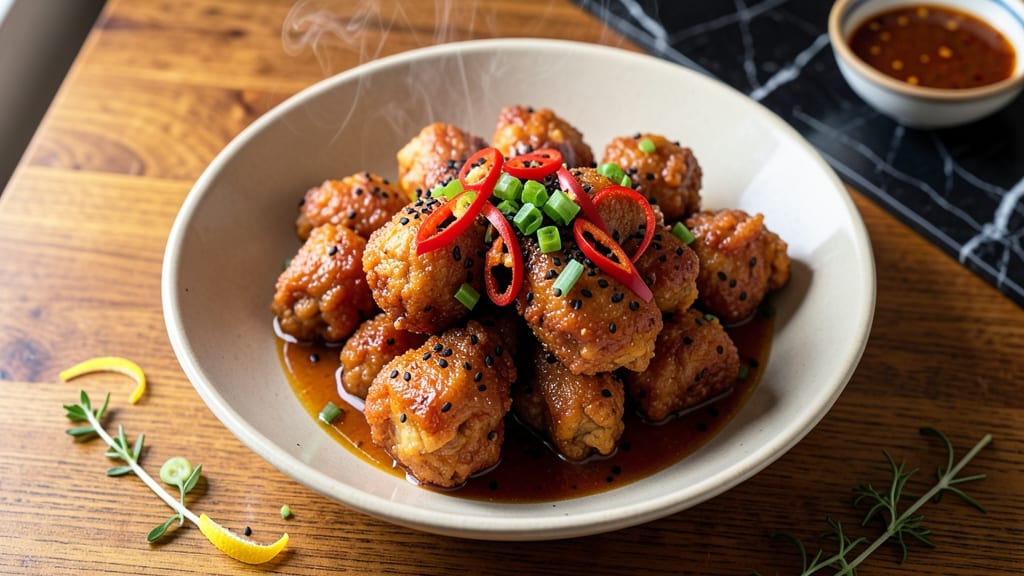
This Bangladeshi Chinese fried chicken recipe delivers the best of both worlds—crispy, golden-brown skin with a fusion of bold Bangladeshi spices and aromatic Chinese flavors. The secret lies in a marination blend of mustard oil, panch phoron, and soy-ginger, followed by a coconut-curry batter that creates an irresistible crunch.
Unlike traditional fried chicken, this dish balances heat, sweetness, and umami in every bite, making it a standout for any meal.
The beauty of this recipe is its one-pan simplicity, where the chicken cooks in its own flavorful batter, absorbing the rich spices without needing extra sauces. The batter’s crispy exterior gives way to tender, juicy meat inside—a texture that’s impossible to resist.
What sets it apart is the fusion of Bangladeshi mustard oil (for that signature depth) and Chinese five-spice (for warmth and complexity), creating a flavor profile you won’t find anywhere else.
By the time you serve this dish, you’ll have restaurant-quality fried chicken with a golden, shatteringly crispy crust and a sauce that’s tangy, slightly sweet, and packed with aromatic spices. The dish pairs perfectly with steamed jasmine rice, cucumber salad, or stir-fried greens, making it a complete meal.
Whether you’re feeding a crowd or treating yourself, this recipe guarantees a showstopper.
Ready to master the technique? The key is high-heat frying for that perfect crunch, followed by a quick toss in the leftover marinade for extra flavor. No deep-fryer needed—just a deep skillet and patience. Let’s get cooking!
Ingredients for bangladeshi chinese fried chicken
Fusion flavors meet crispy perfection in this one-pan fried chicken masterpiece.
| Ingredient | Amount | Notes |
|---|---|---|
| Boneless, Skinless Chicken Thighs 🍗 | 1 ½ lb | Cut into even 1-inch pieces |
| Mustard Oil 🫒 | ¼ cup | For signature Bangladeshi depth |
| Panch Phoron 🌶️ | 1 tbsp | Five-spice blend for aromatic warmth |
| Soy Sauce 🥄 | ¼ cup | Kikkoman preferred for balance |
| Fresh Ginger 🧄 | 2 tbsp | Grated, for zesty brightness |
| Garlic Cloves 🧄 | 6 cloves | Minced, for aromatic depth |
| Coconut Milk 🥥 | ½ cup | Full-fat for creamy texture |
| Red Curry Paste 🌶️ | 1 tbsp | Maesri brand for authentic heat |
| All-Purpose Flour 🌾 | ½ cup | For crispy batter coating |
| Baking Powder 🍞 | 1 tsp | For extra crispiness |
| Salt 🧂 | 1 ½ tsp | Diamond Crystal preferred |
| Black Pepper 🌶️ | ½ tsp | Freshly ground for heat |
| Vegetable Oil 🫒 | 2 cups | For high-heat frying |
| Lime Juice 🍋 | 2 tbsp | Freshly squeezed for tang |
| Green Onions 🧅 | 3 whole | Sliced, for garnish |
The chicken thighs are non-negotiable here—skinless but bone-in for juiciness, and thighs hold up better to the high-heat frying than breasts. Whole Foods or Trader Joe's carry excellent pre-cut options, but if buying whole, trim the skin yourself for even cooking. The mustard oil is the soul of this recipe—look for pure, cold-pressed varieties at Indian markets or specialty stores like Spicewalla. If unavailable, substitute with 1 tbsp neutral oil + 1 tsp ground mustard seeds, but you’ll miss that signature depth. For the panch phoron, pre-made blends from Burlap & Barrel work perfectly, though making your own (fenugreek, fennel, cumin, black pepper, cardamom) takes it to another level.
No mustard oil? Sesame oil works in a pinch, though it lacks the same complexity. The soy sauce should be light-colored—dark varieties add unwanted bitterness. Fresh ginger and garlic are ideal, but if using powdered, reduce to half the amount (1 tbsp each). For the coconut milk, full-fat canned (like Thai Kitchen) creates the richest texture, while cartons often separate. The red curry paste is crucial—Maesri or Thai Kitchen deliver authentic heat; avoid Western brands with added sugar. Swapping flour for cornstarch (1:1) yields an even crispier crust, though with less structure. Always sift the dry ingredients together before adding wet—this prevents lumps in the batter.
This dish reheats beautifully—keep leftovers covered and crisp at 375°F for 5-7 minutes. The batter stays fresh for 3 days in the fridge, though the chicken itself is best eaten immediately. For meal prep, marinate the chicken overnight (up to 24 hours) and store components separately. The mustard oil should be stored in a dark glass bottle in a cool place—it keeps indefinitely but loses potency after opening. Garnish with green onions right before serving, as they wilt quickly. Portion into parchment-lined containers for easy reheating—just add a splash of water to the pan before covering.
Why You'll Love This Recipe
- No-Pan-Fry Hassle: I swear by this method—just marinate the thighs in mustard oil and panch phoron for 30 minutes, then toss them in a hot pan. No deep-frying, no splatter, no stress. That golden crust happens from the oil and ginger paste alone, and honestly? It’s foolproof after the first try.
- Umami Bomb: The combo of soy sauce and fresh ginger in the marinade gives it this deep, savory punch—like a cross between Chinese takeout and my grandma’s curry. The mustard oil adds a subtle heat that lingers, and that crispy exterior? It’s the kind of crunch that makes you grab another piece without thinking.
- Leftover Goldmine: This chicken stays shockingly good for days—reheat it in the air fryer or toss it cold into salads. I’ve turned last night’s leftovers into today’s lunch with zero effort, and it’s still packed with flavor. (Yes, even on a Tuesday night.)
- Budget Crunch-Saver: Chicken thighs are cheaper than breasts, and this recipe uses just a handful of pantry staples. Mustard oil and panch phoron might sound fancy, but they go a long way—you’ll use them in other dishes too. It’s my go-to when I need a filling, satisfying meal without breaking the bank.
Step-by-step instructions for Bangladeshi Chinese fried chicken
Master the perfect balance of crispy batter and rich coconut-curry flavor with this one-pan technique.
Prepare the Chicken and Marinade
Cut the 1.5 lb boneless, skinless chicken thighs into even 1-inch pieces and place them in a large bowl. In a separate small bowl, whisk together the 0.25 cup mustard oil, 1 tbsp panch phoron, 0.25 cup soy sauce, 2 tbsp grated fresh ginger, and 6 minced garlic cloves. Pour this marinade over the chicken and toss gently to coat evenly.
Let the chicken marinate for at least 30 minutes at room temperature. This allows the spices to penetrate the meat and develop deep flavor. The marinade should cling to the chicken pieces, creating a flavorful base for the crispy batter. If you have time, marinate for up to 2 hours in the refrigerator for even better results.
Create the Coconut-Curry Batter
In a medium bowl, combine the 0.5 cup all-purpose flour, 1 tsp baking powder, 1.5 tsp salt, and 0.5 tsp black pepper. In a separate bowl, whisk together the 0.5 cup coconut milk, 1 tbsp red curry paste, and 2 tbsp lime juice until smooth. Pour the wet mixture into the dry ingredients and stir until just combined - you should have a thick, clumpy batter that clings to the back of your spoon.
This batter creates the signature crispy exterior while infusing the chicken with aromatic coconut and curry flavors. The baking powder ensures extra crispiness, while the lime juice adds a bright contrast to the rich coconut. The batter should be thick enough to coat the chicken pieces thoroughly but not so runny that it drips off during frying.
Coat the Chicken and Fry
Heat 2 cups vegetable oil in a large, heavy-bottomed skillet over medium-high heat until it reaches 350°F on a deep-fry thermometer. Working in batches to avoid overcrowding, remove the marinated chicken from the bowl and shake off any excess marinade. Press each piece into the coconut-curry batter, coating it evenly on all sides.
Carefully place the coated chicken pieces into the hot oil, being cautious of splattering. Fry for 4-5 minutes per side until the chicken is golden brown and the internal temperature reaches 165°F. The oil should sizzle gently but not smoke excessively. If the oil temperature drops below 340°F, increase the heat slightly to maintain proper frying temperature.
Finish and Serve
Transfer the fried chicken to a paper towel-lined plate to drain excess oil. Let it rest for 5 minutes before serving. This resting period allows the internal juices to redistribute, ensuring each bite remains moist and flavorful. While the chicken rests, slice the 3 whole green onions into ¼-inch pieces for garnish.
Serve the crispy coconut-curry fried chicken immediately, garnished with the sliced green onions. The exterior should be beautifully golden and shatteringly crisp, while the interior remains juicy and infused with the complex flavors of mustard oil, panch phoron, and coconut. The lime juice brightens the rich coconut flavor, creating a perfect balance in every bite.
Pro Tips For Making Bangladeshi Chinese Fried Chicken
- Marinate With Ginger Paste: Skip grating fresh ginger—blend it into a smooth paste with a splash of water. This coats the chicken evenly and dissolves faster in the marinade, so the flavor penetrates deeper. (Yes, even if you’re impatient like me, give it 20 minutes to soak.)
- Heat Mustard Oil Slowly: Mustard oil burns faster than you think. Warm it on low heat until it just shimmers, then turn off the flame—it’ll finish heating while you toss the chicken. After burning three batches, I finally learned this.
- Double-Crust the Chicken: Pat the thighs bone-dry first, then toss in flour and soy sauce until fully coated. After the first fry, let them cool 5 minutes, then coat again with a second layer of flour-soy mix. The extra step guarantees that crispy, golden crust everyone craves.
- Use a Mixing Bowl, Not Hands: Resist the urge to toss the chicken with your hands—it’s messy and uneven. Use a large bowl with a fork to break up clumps in the marinade, so every piece gets the same treatment. (Your future self will thank you.)
Dietary considerations for this recipe
Gluten-Free Adaptation
Replace the all-purpose flour with a 1:1 gluten-free flour blend like Bob’s Red Mill or King Arthur. For extra crispiness, add ¼ cup cornstarch to the batter—this mimics the texture of traditional flour while keeping the dish gluten-free.
Just ensure your panch phoron is certified gluten-free, as some blends contain wheat flour. 🌾
Spicy Heat Control
For milder heat, reduce the red curry paste to ½ tbsp and add 1 tsp honey to balance the spice. If you love heat, increase the curry paste to 2 tbsp and add ½ tsp cayenne pepper to the marinade.
Always taste the marinade first—adjust before coating the chicken to avoid overpowering flavors.
Allergen-Friendly Swaps
Mustard oil is a common allergen—substitute with 1 tbsp sesame oil + 1 tsp ground mustard seeds if needed. For coconut allergies, replace coconut milk with ½ cup Greek yogurt + 2 tbsp water to maintain creaminess. Double-check all spices for cross-contamination if allergies are severe.
Nut-Free Considerations
This recipe is naturally nut-free, but always verify the red curry paste and panch phoron labels. Some brands add nuts or process in shared facilities. For extra safety, use Thai Kitchen red curry paste (nut-free) and Burlap & Barrel panch phoron (certified allergen-friendly).
Dairy-Free Version
The batter is already dairy-free, but if serving with sides, swap creamy sauces for lime-cilantro dip (mix ¼ cup Greek yogurt with 1 tbsp lime juice and 2 tbsp chopped cilantro). The chicken’s coconut-curry flavor stands alone—no dairy needed for richness. ✨
Meal Prep Tips
Marinate chicken up to 24 hours ahead—store in an airtight container in the fridge. The batter should be made fresh before frying, but you can prep dry ingredients (flour, baking powder, salt) in advance.
Reheat fried chicken at 375°F for 5-7 minutes to restore crispiness. Avoid freezing—oil makes the batter soggy upon thawing.
Nutrition facts
Frequently asked questions
Why does this recipe combine Bangladeshi and Chinese flavors?
This fusion creates a perfect balance of bold, aromatic spices from Bangladesh (like mustard oil and panch phoron) with the umami depth of Chinese elements (soy sauce and five-spice). The result is a richer, more complex flavor profile than traditional fried chicken—think crispy exterior with layers of warmth and tang.
Can I use chicken breasts instead of thighs?
While possible, thighs are ideal because they stay juicier during high-heat frying. If using breasts, cut them into ½-inch thick pieces and marinate for no longer than 1 hour to prevent drying. Pound them gently with a mallet to even thickness for consistent cooking.
How do I fix soggy batter after frying?
Soggy batter usually means the oil wasn't hot enough or the chicken was overcrowded. For next time, maintain oil at 350°F and fry in batches. To revive soggy pieces, broil for 2-3 minutes at 400°F—just watch closely to avoid burning the batter.
What sides pair best with this dish?
Steamed jasmine rice soaks up the coconut-curry flavors beautifully. For contrast, try a crisp cucumber salad with lime dressing or stir-fried bok choy with garlic. The tangy freshness cuts through the richness of the fried chicken perfectly.
Can I make this recipe air fryer-friendly?
Yes! Lightly coat the chicken in batter (don't soak) and air fry at 375°F for 12-15 minutes, shaking halfway. For crispiness, spray with oil before and after frying. The texture won't be as crispy as deep-frying, but it's a great lighter alternative.