
Main Courses
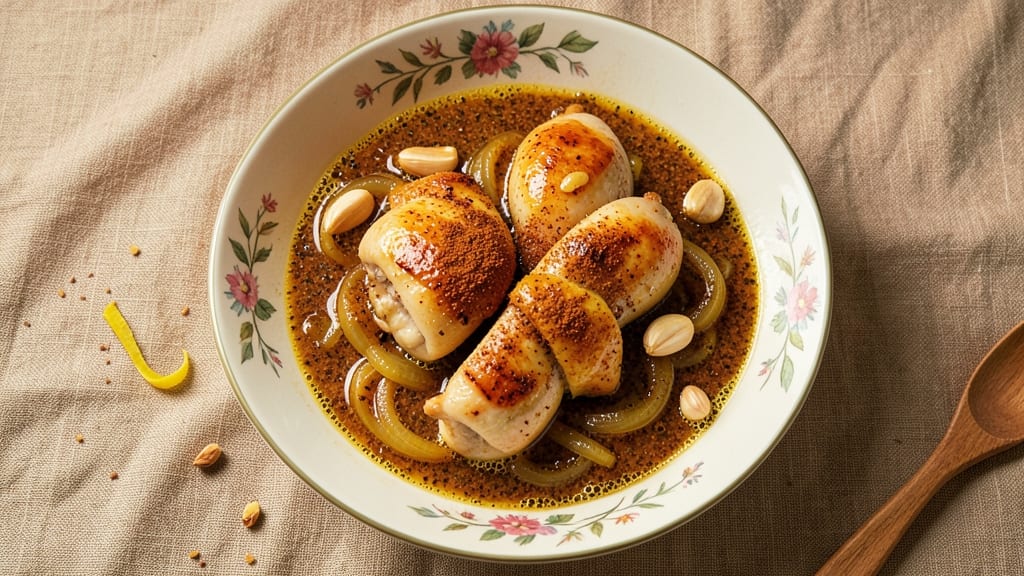
This basic chicken curry recipe with curry powder delivers restaurant-quality warmth in under an hour—no complicated techniques required. The secret lies in balancing earthy spices with tender chicken and a rich, velvety sauce that simmers until every bite is fragrant and satisfying. I've perfected this one-pot method over countless weeknight dinners, where it transforms simple ingredients into a dish that feels like a hug on a chilly evening.
The beauty of this recipe is its flexibility: you can adjust the heat to your preference, swap in different vegetables, or even make it ahead for meal prep. The curry powder does the heavy lifting, creating layers of flavor that develop as the sauce reduces.
What starts as a simple combination of chicken, onions, and spices becomes a deeply aromatic, comforting meal that's perfect for feeding a family or treating yourself after a long day.
By the time you're done, you'll have perfectly tender chicken swimming in a sauce that's rich enough to coat every spoonful yet light enough to let the spices shine.
The aroma alone will have everyone gathering around the table, and the first bite delivers that perfect balance of warmth, spice, and tenderness that makes curry universally loved. This is the kind of dish that turns a regular weeknight into something special without requiring hours in the kitchen.
The best part? It's a recipe that scales effortlessly—double it for leftovers or halve it for a quiet dinner for two. Serve it with steamed rice, warm naan, or even over crusty bread to soak up every last drop of that flavorful sauce.
Let's get started on creating your own pot of comforting, spiced perfection.
Ingredients for basic chicken curry recipe with curry powder
Earthy spices, tender chicken, and velvety coconut milk—this curry delivers cozy warmth in one pot.
| Ingredient | Amount | Notes |
|---|---|---|
| Boneless, Skinless Chicken Thighs 🍗 | 1 ½ lb | Cut into 1-inch pieces |
| Yellow Onions 🧅 | 1 whole | Sliced thinly for even cooking |
| Garlic Cloves 🧄 | 4 cloves | Minced for aromatic base |
| Curry Powder 🌶️ | 2 tbsp | Mild or medium heat preferred |
| Ground Cumin 🌿 | 1 tsp | Toasted for deeper flavor |
| Ground Coriander 🍃 | 1 tsp | Adds citrusy warmth |
| Turmeric Powder 🌶️ | ½ tsp | Brightens the sauce |
| Ginger Root 🌿 | 1 tbsp | Freshly grated, zesty kick |
| Canned Diced Tomatoes 🍅 | 1 can | San Marzano preferred |
| Chicken Broth 💧 | 1 ½ cups | Low-sodium preferred |
| Coconut Milk 🥥 | 1 can | Full-fat for creaminess |
| Extra-Virgin Olive Oil 🫒 | 2 tbsp | For sautéing onions |
| Salt 🧂 | 1 tsp | Kosher or sea salt |
| Black Pepper 🌶️ | ½ tsp | Freshly ground preferred |
| Fresh Cilantro 🌿 | ¼ cup | Chopped, for garnish |
The curry powder is your flavor foundation—Penzeys or Badia are my go-tos for that balanced, aromatic blend. If you're using pre-ground spices, toast them in a dry pan for 30 seconds to wake up their flavors. The ginger and garlic? Fresh is non-negotiable—they make all the difference. For the chicken, thighs stay juicier than breasts, but if you've only got breasts, poke holes with a fork first. The coconut milk? Full-fat is worth it—the creaminess makes the sauce sing. Grab a can of Thai Kitchen coconut milk if you want to save time, but the full-fat canned version from the international aisle has more depth.
No curry powder? Mix 1 tbsp each of turmeric, cumin, and coriander with 1 tsp each of paprika and fenugreek for a DIY version. Short on ginger? Substitute 1 tsp ground ginger, but fresh is better. The tomatoes? San Marzano cans are worth the splurge—they're sweeter and less acidic. If you're avoiding coconut milk, Greek yogurt or cashew cream works in a pinch (reduce the broth by half). The cilantro is optional—skip it if you're sensitive to its flavor, but it adds that bright finish that ties everything together. For extra richness, stir in 1 tbsp of peanut butter at the end—trust me on this.
This curry tastes even better the next day as the flavors meld. Store leftovers in an airtight container for up to 4 days in the fridge, or freeze for 3 months—it reheats beautifully. I like to portion mine into containers for easy lunches. The sauce thickens as it cools, so add a splash of broth or water when reheating. For serving, warm some naan or basmati rice—the combo is pure comfort. Double the batch and freeze half for those nights when you just need a hug in a bowl.
Why You'll Love This Recipe
- Five-Ingredient Magic: I swear by this—just chicken, onions, garlic, and two spices. That’s it. No fancy pantry raids, no last-minute grocery runs. The curry powder does all the heavy lifting, and honestly? It’s the secret weapon in my weeknight rotation.
- Deep, Warm Hug: The first time I tasted this, I nearly burned my mouth from leaning in too close. That’s how good it is—the cumin and curry powder create this perfect balance of earthy and slightly sweet, with the onions caramelizing into something almost buttery. It’s the kind of flavor that sticks with you.
- Leftovers That Don’t Lie: Between us, this curry tastes better the next day. The flavors meld, the chicken gets even more tender, and I’ve sent it to work lunches, potlucks, and even frozen it for those nights when I’m too tired to cook. No sad, dry reheats here—just rich, comforting goodness.
- Budget Meal for All: Chicken thighs are forgiving and cheap, and onions and garlic are pantry staples. A single jar of curry powder stretches across multiple meals, and this recipe feeds four for under $10. It’s my go-to when I need to stretch a grocery budget without sacrificing taste.
Step-by-step instructions for basic chicken curry with curry powder
This one-pot wonder delivers deep, aromatic flavors with minimal effort—perfect for cozy nights.
Sauté Onions and Aromatics Until Golden
Heat the 2 tablespoons extra-virgin olive oil in a large, heavy-bottomed pot over medium heat. Add the 1 whole yellow onion sliced thinly and cook for 5-6 minutes until softened and translucent. Here's the thing—you want to see those onions turn a beautiful golden color before moving forward.
Add the 4 cloves garlic minced and the 1 tablespoon freshly grated ginger root. Cook for another 1-2 minutes until fragrant and the raw garlic smell disappears. This step builds the aromatic foundation—don't rush it. If the garlic starts to brown too quickly, reduce heat slightly to prevent burning.
Toast the Spices for Maximum Flavor
Lower the heat to medium-low and add the 2 tablespoons curry powder, 1 teaspoon ground cumin, 1 teaspoon ground coriander, and 0.5 teaspoon turmeric powder. Stir constantly for 1 minute until the spices become fragrant and the oil begins to bubble gently around the edges.
This toasting process deepens the flavors—you'll notice the spices release their essential oils and create that unmistakable curry aroma. If the spices darken too quickly, remove from heat for 30 seconds, then return to low heat. Watch carefully; burnt spices taste bitter and ruin the dish.
Brown the Chicken and Build the Sauce Base
Increase heat to medium-high and add the 1.5 lb boneless, skinless chicken thighs cut into 1-inch pieces. Cook for 5-6 minutes, stirring occasionally, until the chicken develops a golden-brown crust. This step is crucial—it locks in juices and adds depth to the final dish.
Add the 1 can canned diced tomatoes and 1.5 cups chicken broth. Stir well to combine, scraping up any browned bits from the bottom of the pot. Bring to a gentle boil, then reduce heat to low and let it simmer uncovered for 15 minutes. You'll see the sauce begin to thicken slightly and the chicken start to tenderize.
Simmer Until Chicken Is Tender
Stir in the 1 can coconut milk and add the 1 teaspoon salt and 0.5 teaspoon black pepper. Bring the mixture to a gentle simmer, then reduce heat to low and let it cook uncovered for 20-25 minutes, stirring occasionally. The chicken is done when it's fork-tender with no pink remaining in the center.
Here's where patience pays off—the sauce should thicken into a rich, velvety consistency. If it's too thin, simmer uncovered for another 5 minutes to reduce. If it's too thick, add 2-3 tablespoons water to loosen it. The perfect sauce should coat the back of a spoon but still be spoonable.
Finish and Garnish
Remove the pot from heat and let it sit for 5 minutes to allow the flavors to meld. Stir in the 0.25 cup chopped fresh cilantro just before serving. This final step adds a bright, fresh contrast to the rich, spiced curry.
Taste and adjust seasoning if needed—you might want to add a pinch more salt or a dash of pepper. Serve immediately with steamed basmati rice or warm naan. The aroma alone will make your kitchen feel like a warm embrace, and every bite delivers that perfect balance of spice, creaminess, and tender chicken.
Pro Tips For Making Basic Chicken Curry Recipe With Curry Powder
- CRISP THE ONIONS FIRST: I used to rush the onions and garlic, tossing them in too soon—big mistake. Sear sliced onions in oil until they’re golden brown and slightly caramelized (about 8-10 minutes) before adding garlic. This builds flavor that curry powder alone can’t replicate, and it prevents the dish from tasting flat.
- SALT THE CHICKEN BEFORE SEARING: Skip salting the raw chicken thighs until after they’ve browned, but do pat them dry first. The salt sticks better to dry meat, and the crust forms faster when you season them right before hitting the pan. Trust me, your curry won’t taste bland if you nail this step.
- LOW AND SLOW AFTER BROWNING: After searing the chicken and adding curry powder and cumin, resist the urge to simmer hard. Drop the heat to medium-low and let it cook uncovered for 20-25 minutes. This prevents the curry from turning into a gluey mess and lets the spices meld properly—no stirring required.
- USE A TOASTED SPICE BLEND: Instead of dumping curry powder and cumin straight into the pot, toast them in a dry pan for 30 seconds until fragrant. Then mix with a splash of oil before adding to the curry. It’s a 30-second upgrade that makes the flavors pop—like the difference between black coffee and a latte.
Essential equipment for basic chicken curry recipe with curry powder
Heavy-Bottomed Pot
A large, heavy-bottomed pot (like a Dutch oven or stainless steel pot) is essential for even heat distribution and preventing scorching during the long simmer. I swear by my All-Clad Stainless Steel Dutch Oven—it handles the heat beautifully and keeps flavors concentrated.
If you don’t have one, a 5-6 quart stainless steel pot from Cuisinart works perfectly and won’t break the bank. 🔥
Wooden Spoon
Use a wooden spoon (like OXO Good Grips) to stir the curry—it’s gentle on your pot and won’t scratch the surface. Wood also helps prevent the sauce from sticking, especially when scraping up those flavorful browned bits.
Avoid metal spoons, as they can react with acidic ingredients like tomatoes over time.
Fine-Mesh Strainer
A fine-mesh strainer comes in handy if you want to strain the sauce for a smoother texture before serving. I use a Mesh King Strainer for its durability and precision.
This is optional but great if you prefer a velvety consistency without chunks. It’s also useful for rinsing fresh cilantro or other garnishes.
Measuring Spoons
Precision matters with spices! Invest in a set of stainless steel measuring spoons (like OXO Stainless Steel) for accurate measurements. A 1/8 teaspoon measurement is crucial for turmeric and black pepper—too much can overpower the dish. I keep mine near my stove for quick access during cooking.
Instant-Read Thermometer
For perfect chicken doneness, an instant-read thermometer (like ThermoWorks Thermapen) ensures the meat reaches 165°F without overcooking. This is especially helpful if you’re new to curries—it takes the guesswork out of timing. The thermometer also helps monitor the sauce’s temperature if you’re adjusting consistency.
Optional: Immersion Blender
If you love ultra-smooth sauces, an immersion blender (like Ninja CB101) lets you blend the curry directly in the pot. This is a game-changer for achieving that restaurant-quality texture without transferring hot liquids. Just blend for 10-15 seconds after simmering—no straining required! ✨
Nutrition facts
Frequently asked questions
Can I use chicken breasts instead of thighs?
Yes, but with caution! Chicken breasts cook faster and can dry out. Cut them into 1-inch pieces, poke holes with a fork, and reduce simmering time to 15-20 minutes total after adding coconut milk. For extra moisture, add 2 tbsp water during simmering. Thighs stay juicier, but breasts work if you're watching fat content.
How do I make this curry less spicy?
Start with mild curry powder (check labels) and reduce the cumin to 0.5 tsp. Skip the black pepper or use white pepper instead. For extra mildness, add 1 tsp sugar or 1 tbsp yogurt at the end to balance heat. The coconut milk naturally cools the dish too.
Can I make this curry in an Instant Pot?
Sauté onions, garlic, and spices as directed, then add chicken, tomatoes, and broth. Pressure cook for 8 minutes on high, then quick-release. Stir in coconut milk and simmer on sauté mode for 5 minutes to thicken. The chicken will be tender with less drying than stovetop.
What's the best way to reheat leftovers?
Gently reheat on the stove over low heat with 1-2 tbsp water to prevent drying. Avoid microwaving—it makes the sauce watery. For extra richness, stir in 1 tsp coconut milk or a pat of butter while warming. Leftovers taste even better the next day as flavors meld!
Can I substitute coconut milk?
Yes! For dairy-free options, use cashew cream (blend soaked cashews with water) or Greek yogurt (reduce broth by half). For a lighter texture, try half-and-half or heavy cream. Just reduce simmering time by 5 minutes since dairy thickens faster than coconut milk.