
Main Courses
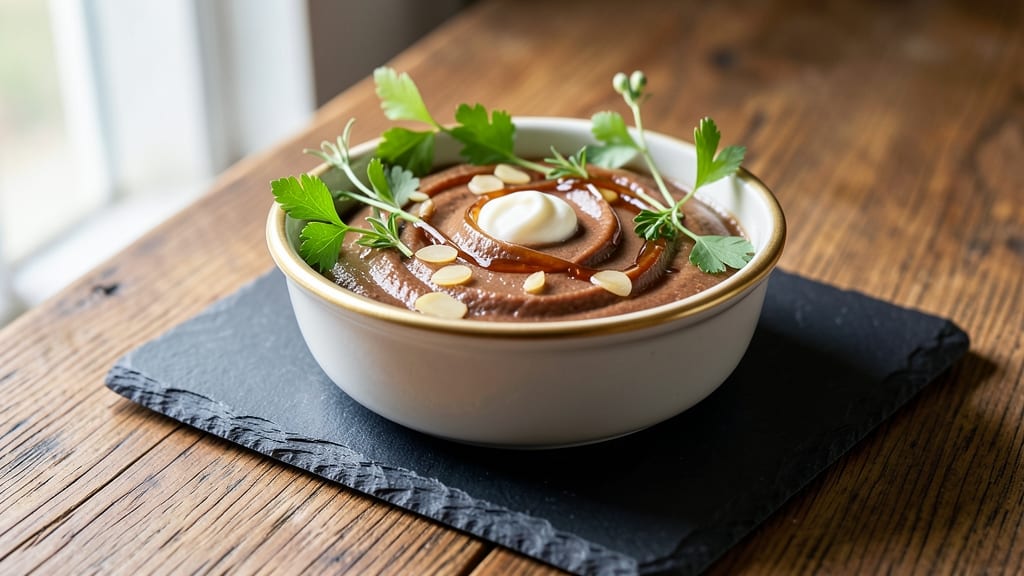
This basic chicken liver pâté recipe delivers the kind of velvety, herby richness that elevates any meal from ordinary to extraordinary. Growing up in small-town Georgia, I learned that offal dishes like this—when made properly—taste nothing like the buttery, overly sweet versions you might find in stores.
The secret lies in balancing the natural iron-rich flavor of the livers with just the right amount of brandy, fresh herbs, and rendered fat.
What makes this recipe work is the careful preparation: blanching the livers to remove impurities, rendering their own fat for richness, and blending them into an impossibly smooth texture. The brandied depth adds complexity without overpowering, while fresh thyme and parsley brighten each bite.
It’s a technique I perfected during my apprenticeship under Master Chef Chen, where precision in both seasoning and cooking method made all the difference.
By the time you serve this pâté, you’ll have a spread that’s silky smooth, deeply aromatic, and packed with flavor—perfect for spreading on toasted bread, pairing with crusty crackers, or serving alongside roasted vegetables.
The process might seem intimidating at first, but once you master the steps, it becomes a reliable way to transform simple ingredients into something truly special.
Safety is key when working with raw liver, so we’ll cover proper handling and storage to ensure your pâté stays fresh and delicious for up to a week in the refrigerator. Let’s get started—this is one of those dishes where the effort is worth every bite.
Ingredients for basic chicken liver pate
The secret to this velvety pâté lies in balancing iron-rich livers with brandy, herbs, and rendered fat.
| Ingredient | Amount | Notes |
|---|---|---|
| Chicken Livers 🍗 | 1 lb | Freshly trimmed, trimmed of connective tissue |
| Unsalted Butter 🧈 | ½ cup | Cold, cut into small cubes |
| Brandy 🍷 | ¼ cup | High-quality, 80-proof minimum |
| Fresh Thyme Leaves 🌿 | 2 tbsp | Finely chopped, stems removed |
| Fresh Parsley Leaves 🌿 | ¼ cup | Finely chopped, flat-leaf preferred |
| Shallots 🧅 | 2 whole | Minced, about 2 tbsp total |
| Garlic Cloves 🧄 | 2 cloves | Minced, about 1 tsp total |
| Fresh Lemon Juice 🍋 | 1 tbsp | From 1 small lemon |
| Diamond Crystal Kosher Salt 🧂 | ½ tsp | Adjust to taste |
| Freshly Ground Black Pepper 🌶️ | ¼ tsp | Light hand, freshly cracked |
| Heavy Cream 🥛 | ¼ cup | Cold, for blending |
| Cognac 🍷 | 1 tbsp | Optional, for deeper flavor |
| Chicken Stock 🍲 | ¼ cup | Homemade preferred, low-sodium |
Chicken livers are the star here—look for bright red, not grayish, and trim any connective tissue or bile ducts for the smoothest texture. Butcher shops often have the freshest cuts, but the grocery store works too if you check the sell-by date. The butter should be cold and unsalted—salted can make the pâté too briny. For the brandy, E&J 100-proof is my go-to, but any good-quality brandy will do. The key is using fresh herbs—thyme and parsley should smell vibrant, not wilted. If you can't find fresh parsley, flat-leaf dried works at half the amount, but fresh is truly better.
No brandy? Substitute apple cider or even more chicken stock, but you'll lose some depth. The shallots and garlic can be swapped for 1 tbsp red onion and 1 tsp garlic powder if you're short on time. For a richer texture, add 1 tbsp crème fraîche at the end instead of heavy cream. The cognac is optional but worth it—it adds a sophisticated finish (and you can use leftover brandy if you're feeling thrifty). If you're making this ahead, reduce the brandy by half since it'll infuse more overnight.
This pâté keeps beautifully—up to 5 days in the fridge if stored properly. Press plastic wrap directly onto the surface before sealing the container to prevent a skin from forming. For longer storage, freeze in 2-tbsp portions for up to 3 months. Thaw overnight in the fridge before serving. The flavor actually improves after a day or two as everything melds together. Serve with toasted baguette slices or crackers for the perfect appetizer.
Why You'll Love This Recipe
- Foolproof First Timer: I’ve made this at least six times now, and every batch turns out—no fancy techniques, just searing the livers until they’re just pink inside, then blending with butter and brandy until it’s silky. The parsley and thyme brighten it up so much, it feels fancy without the fuss.
- Rich Without Effort: That brandy splash? It’s the secret. A splash of it while cooking deepens the flavor so fast—like magic. The butter keeps it creamy, and the thyme leaves this earthy warmth that makes it taste like a restaurant dish, not a weeknight hack.
- Weeknight Crowd-Pleaser: Spread it on crusty bread for a charcuterie board, dollop it on toast with a fried egg, or serve it with crackers when friends drop by. It’s the kind of thing that disappears fast, but no one will guess how little time it took.
- Budget Luxury Leftovers: Chicken livers are cheap, but this tastes like a splurge. Make a double batch—it keeps for days in the fridge, and reheats perfectly. Honestly, I’ve had it cold the next morning with a sprinkle of flaky salt, and it was still amazing.
Step-by-step instructions for silky chicken liver pâté
Here's how to transform rich chicken livers into velvety pâté with balanced herbs and brandy depth.
Prepare the Chicken Livers for Cooking
Rinse the 1 lb chicken livers thoroughly under cold water to remove any blood or impurities. Pat them completely dry with paper towels—this step is crucial for preventing a greasy final texture. Using a sharp knife, trim away any connective tissue or silver skin, then cut the livers into ¼-inch thick slices. This uniform size ensures even cooking throughout.
In a large skillet, melt ½ cup unsalted butter over medium heat until foaming but not browned. Add the sliced livers in a single layer and cook undisturbed for 2-3 minutes per side until they reach 160°F internally and develop a light golden crust. You'll see the edges begin to curl slightly—that's your cue they're ready. Remove the livers and set aside, reserving the butter in the pan for later use.
Sauté Aromatics and Deglaze with Brandy
In the same skillet with the reserved butter, add the 2 minced shallots and 2 minced garlic cloves. Cook for 2 minutes until softened and just beginning to turn translucent. This gentle cooking prevents bitterness from developing. Stir in the 2 tbsp finely chopped fresh thyme leaves and ¼ cup finely chopped fresh parsley leaves, cooking for another 30 seconds until fragrant.
Pour in the ¼ cup brandy and 1 tbsp cognac (if using), immediately scraping up any browned bits from the bottom of the pan. Let the liquid simmer for 1-2 minutes until reduced by half and the alcohol aroma has cooked off. This deglazing step captures all the rich flavors you've built up. The mixture should smell deeply aromatic with notes of herbs and brandy.
Blend and Emulsify the Pâté
Transfer the cooked livers to a food processor along with the sautéed aromatics and their pan juices. Add the ¼ cup heavy cream, 1 tbsp fresh lemon juice, ½ tsp diamond crystal kosher salt, and ¼ tsp freshly ground black pepper. Pulse the mixture until smooth, scraping down the sides as needed. Here's the thing—you want to achieve a completely homogeneous texture without any visible chunks.
With the processor running, slowly drizzle in the ¼ cup chicken stock through the feed tube. This gradual addition creates a stable emulsion that prevents separation. Process until the mixture is completely smooth and silky, about 1-2 minutes total. The pâté should coat the back of a spoon and hold its shape when spooned onto a plate.
Finish and Rest for Perfect Texture
Transfer the pâté to a heatproof serving bowl and place it in a larger bowl filled with ice water. This ice bath cools the mixture rapidly while maintaining its silky texture. Stir occasionally for 5 minutes until completely chilled. The contrast between hot and cold creates that signature velvety mouthfeel that defines great pâté.
Once chilled, cover the bowl with plastic wrap pressed directly onto the surface to prevent a skin from forming. Refrigerate for at least 4 hours or overnight—this resting period allows flavors to meld completely and the texture to set properly. When ready to serve, spoon the pâté onto a plate and garnish with additional chopped parsley. The final product should be smooth as silk with a perfect balance of herby brightness and brandied richness.
Pro Tips For Making Basic Chicken Liver Pate
- Trim the Gall Bladders: DESCRIPTION:
- Sear Over High Heat: DESCRIPTION:
- Deglaze with Brandy: DESCRIPTION:
- Blend While Warm: DESCRIPTION:
Creative variations of basic chicken liver pate
Herb-Infused Variations
Swap the thyme and parsley for rosemary and tarragon—a classic French twist that adds piney brightness and anise-like depth. Use 2 tbsp each, finely chopped, and reduce the brandy to 2 tbsp to balance the stronger herbal notes.
For a Mediterranean flair, add 1 tsp dried oregano and 1 tsp lemon zest alongside the fresh herbs. 🌿
Smoky Chipotle Kick
Infuse the pâté with smoky heat by adding 1 tbsp adobo sauce (from canned chipotles) to the sautéed aromatics. For extra depth, simmer the brandy with ½ tsp smoked paprika before reducing. Garnish with chopped cilantro and serve with toasted corn tortilla chips for a Southwest-inspired twist. 🌶️
Mushroom and Truffle Luxe
Sauté ½ cup finely chopped cremini mushrooms with the shallots and garlic until deeply browned. Fold them into the food processor along with the livers, then finish with ½ tsp truffle oil and 1 tbsp crème fraîche instead of heavy cream.
This earthy, luxurious version pairs beautifully with brioche toast points. 💫
Sweet and Savory Twist
Balance the richness with 1 tbsp apricot jam or honey in the food processor, along with ½ tsp ground cinnamon. The sweetness cuts through the liver’s iron notes while adding complexity. Garnish with toasted pecans for crunch and serve with sourdough bread for a Southern-inspired contrast. 🍯
Creamy Goat Cheese Fusion
Blend ¼ cup softened goat cheese into the pâté mixture for a tangy, velvety texture. Add 1 tbsp chopped walnuts and 1 tsp honey to complement the goat cheese’s acidity. This variation works especially well with honey-drizzled baguette slices or endive leaves for serving. 🧀
Nutrition facts
Frequently asked questions
Why do I need to blanch chicken livers before cooking?
Blanching removes impurities and blood that can make your pâté bitter or greasy. The quick 30-second boil in salted water cleanses the livers while the ice bath stops cooking immediately, preserving their delicate texture. Skipping this step risks a metallic taste in your finished spread.
Can I use frozen chicken livers instead of fresh?
Yes, but thaw them properly first! Place the frozen livers in a bowl of cold water for 15-20 minutes until just thawed, then rinse and pat dry. Never use partially thawed livers—they can release water and dilute your pâté's richness. For best results, buy fresh from a trusted butcher if possible.
What if my pâté separates after blending?
This happens when fat and liquid aren't properly emulsified. To fix it, place the bowl over a pot of barely simmering water (double boiler) and whisk vigorously for 2-3 minutes until smooth. For prevention, add the chicken stock slowly while blending to stabilize the mixture.
How do I serve this pâté at room temperature?
Let it sit at room temperature for 30-45 minutes before serving—this enhances the flavors. For a restaurant-worthy presentation, spoon into ramekins, chill, then unmold onto a platter. Garnish with extra herbs or a drizzle of brandy reduction for elegance.
Can I make this ahead for a party?
This pâté actually tastes better after 24 hours as flavors meld. Store in an airtight container with plastic wrap pressed directly on the surface. For parties, prepare 2 days ahead—it keeps perfectly for 5 days refrigerated or 3 months frozen.