
Main Courses
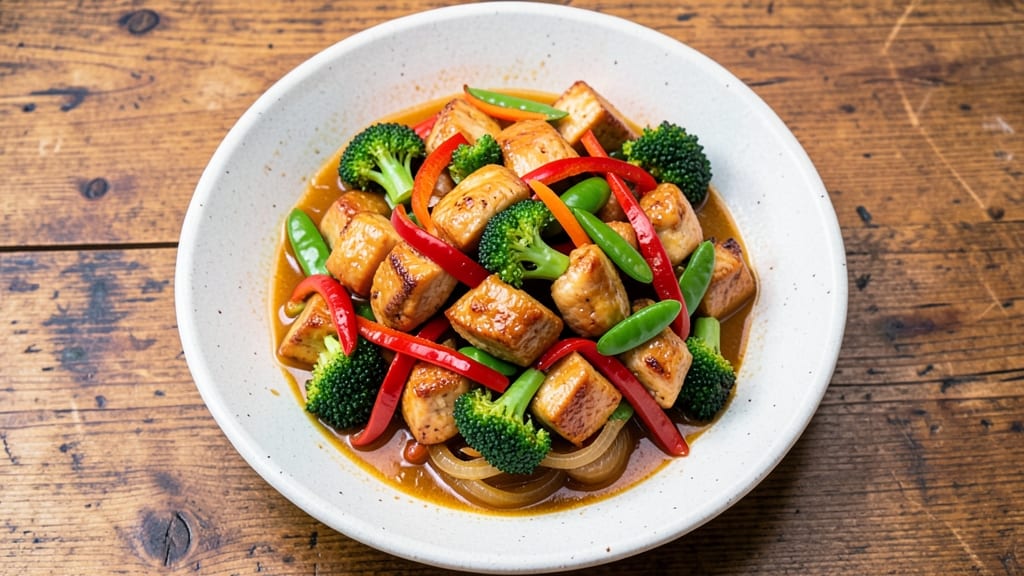
Betty Crocker's chicken stir-fry recipe delivers a quick weeknight dinner with restaurant-quality flavor in just 30 minutes—no fancy wok required. Growing up in small-town Georgia, I learned that the secret to a perfect stir-fry lies in high heat and proper prep, not just technique.
This version keeps the classic comfort while adding a crispy texture that transforms simple vegetables into something extraordinary.
The key to achieving that crispy finish without a wok? A cast-iron skillet and a two-step cooking process that sears the chicken first, then quickly stir-fries the vegetables.
I developed this method during a particularly busy week when I needed dinner on the table fast, and it's been my go-to ever since. The sauce is simple but packed with umami, balancing sweet, tangy, and savory notes perfectly.
By the time you're done, you'll have tender chicken pieces with golden edges, vibrant vegetables that stay crisp-tender, and a glossy sauce that clings to every bite. The aroma alone will have everyone gathering at the table, and the clean-up is minimal—just one skillet to wash.
This is the kind of meal that feels indulgent but comes together effortlessly.
Serve it over steamed rice or noodles for a complete meal, or let the stir-fry stand alone as a hearty dinner. The recipe scales easily for leftovers, making it perfect for meal prep. Let's get cooking—this version is foolproof and delivers every time.
Ingredients for betty crocker chicken stir fry
Pantry staples plus a few fresh veggies—this stir-fry comes together faster than takeout.
| Ingredient | Amount | Notes |
|---|---|---|
| Boneless Skinless Chicken Thighs 🍗 | 1 ½ lb | Cut into 1-inch pieces |
| Medium Carrots 🥕 | 2 whole | Julienned into thin strips |
| Bell Peppers 🌶️ | 2 whole | Any color, sliced into strips |
| Broccoli Florets 🥦 | 1 ½ cups | Cut into bite-sized pieces |
| Snow Peas 🌱 | 1 cup | Fresh or frozen |
| Yellow Onion 🧅 | 1 whole | Thinly sliced |
| Garlic Cloves 🧄 | 4 cloves | Minced |
| Soy Sauce 🍶 | ½ cup | Low-sodium preferred |
| Honey 🍯 | 2 tbsp | Pure honey |
| Rice Vinegar 🍶 | 2 tbsp | White vinegar works too |
| Sesame Oil 🫒 | 1 tbsp | For aroma only |
| Cornstarch 🌾 | 2 tbsp | For crispy coating |
| Vegetable Oil 🫒 | 3 tbsp | High smoke point |
| Salt 🧂 | 1 tsp | Kosher or sea salt |
| Black Pepper 🌶️ | ½ tsp | Freshly ground |
Chicken thighs stay juicier than breasts during stir-fry, so boneless, skinless thighs are ideal. Look for bright red color and minimal fat—Costco or Kroger usually have good quality. Cut them into 1-inch pieces before cooking so they brown quickly. The veggies? Fresh is best, but frozen works in a pinch (no need to thaw). Bell peppers and carrots should be crisp—avoid anything soft or rubbery. I always grab extra broccoli because it's the easiest to overcook if you're not paying attention.
No soy sauce? Coconut aminos or even a mix of hoisin sauce plus a pinch of salt works. Running low on honey? Maple syrup or agave gives similar sweetness. Sesame oil is just for aroma—if you hate the taste, skip it entirely. The cornstarch is key for that crispy texture—don't substitute flour. For the oil, avocado or peanut oil works better than olive oil at high heat. And if you're prepping ahead, par-cook the chicken and store it separately until ready to stir-fry.
This stir-fry reheats beautifully—just add a splash of water to the pan and toss everything together. Keeps 3-4 days in the fridge or 3 months frozen. I always make extra because leftovers taste even better the next day. For meal prep, store components separately—chicken, veggies, and sauce—then combine when ready to eat. The sauce thickens as it cools, so thin it with a little water if needed when reheating.
Why You'll Love This Recipe
- One-Pan Magic: I swear by this recipe because it’s literally one pan, one spatula, and zero dishes. The chicken thighs stay juicy while the carrots and bell peppers caramelize—no flipping pans, no stress.
- Umami Bomb: That Betty Crocker sauce pack? Hidden flavor gold. The soy, garlic, and ginger blend cuts through the sweetness of the snow peas and broccoli, giving it a depth that’s ridiculously satisfying without extra effort.
- Lunchbox Hero: Between us, this is my go-to for meal prep. Toss the leftovers into containers, and you’ve got a week’s worth of grab-and-go lunches. The chicken stays tender, and the veggies hold up—no sad, soggy stir-fry here.
- Budget Win: Chicken thighs are cheaper than breasts, and frozen veggies work just as well. Honestly, I’ve made this for under $10 and fed four people. Plus, the leftovers stretch into stir-fry wraps or fried rice—zero waste.
Step-by-step instructions for Betty Crocker's chicken stir-fry
Here's the simple, fast method that delivers restaurant-style stir-fry with perfectly crispy veggies and tender chicken.
Prep All Ingredients for Quick Cooking
Cut the 1.5 lb boneless skinless chicken thighs into 1-inch pieces and set aside in a bowl. I like to pat them dry with paper towels first—this helps create a better sear later. For the vegetables, julienne the 2 whole medium carrots into thin strips, slice the 2 whole bell peppers into strips, and cut the 1.5 cups broccoli florets into bite-sized pieces. Thinly slice the 1 whole yellow onion and mince the 4 cloves garlic. Keep all prepped ingredients in separate bowls—they cook at different rates, and this keeps everything ready to go.
In a small bowl, whisk together the 2 tbsp cornstarch, 1 tsp salt, and 0.5 tsp black pepper. This creates our crispy coating for the chicken. Toss the chicken pieces in this mixture until evenly coated. I press down gently on the chicken with my fingers to ensure the cornstarch sticks—this prevents it from falling off during cooking. Let the coated chicken sit while you prep the sauce, but no longer than 10 minutes or it'll start to toughen.
Cook the Chicken and Veggies Separately for Perfect Texture
Heat 3 tablespoons vegetable oil in a large skillet or wok over medium-high heat until shimmering. Add the cornstarch-coated chicken and cook undisturbed for 3-4 minutes until golden brown and cooked through. You'll see the edges start to crisp—that's your signal to flip. Cook another 2-3 minutes until fully done. Remove the chicken and set aside on a plate, leaving the rendered oil in the pan. This oil is flavor gold and will help crisp the vegetables.
In the same pan, add the 1 whole yellow onion and cook for 2 minutes until softened. Add the 2 whole bell peppers, 2 whole medium carrots, and 1.5 cups broccoli florets, stirring frequently for 4-5 minutes until the vegetables are bright green and crisp-tender. The key here is to cook them just until they're tender-crisp—they'll finish cooking with the sauce. Add the 1 cup snow peas and 4 cloves minced garlic, cooking for another 1-2 minutes until the garlic is fragrant but not browned.
Make the Sweet and Tangy Sauce
In a small bowl, whisk together the 0.5 cup soy sauce, 2 tbsp honey, 2 tbsp rice vinegar, and 1 tbsp sesame oil. This sauce is what ties everything together with its perfect balance of sweet, salty, and tangy flavors. Pour the sauce into the skillet with the cooked vegetables and stir well to coat everything evenly. Let the sauce simmer for 1-2 minutes until it thickens slightly and clings to the vegetables.
Return the cooked chicken to the skillet and toss everything together gently. The residual heat will finish cooking the chicken while allowing it to soak up the flavorful sauce. Taste and adjust seasoning if needed—you might want to add a splash more soy sauce for saltiness or a bit of honey for sweetness. Let the stir-fry cook for another 1 minute to ensure everything is heated through and well-coated in the sauce.
Serve Immediately for Maximum Crispiness
Transfer the stir-fry to serving plates right away. The vegetables will continue to soften slightly as they cool, so serving immediately ensures that perfect crisp-tender texture. I like to garnish with an extra drizzle of sesame oil and a sprinkle of black pepper for added flavor and presentation. This stir-fry is best served over steamed rice or noodles to soak up all that delicious sauce.
Here's the thing—this dish tastes even better the second day when the flavors have time to meld. Store any leftovers in an airtight container in the refrigerator for up to 3 days. When reheating, add a splash of water or soy sauce to prevent the sauce from drying out. The crispiness won't be as pronounced after reheating, but the flavors will still be fantastic.
Pro Tips For Making Betty Crocker Chicken Stir Fry
- Cut Chicken Small: The recipe calls for "chicken pieces," but I learned the hard way—chop thighs into 1-inch chunks (not strips) to cook evenly. Smaller pieces stay juicy and absorb the sauce better, especially when stir-frying with dense veggies like carrots and broccoli.
- Prep Veggies Last: Carrots and bell peppers release water when chopped, which can turn your stir-fry into a sad, steamed mess. Cut broccoli and snow peas first, then slice carrots and peppers just before cooking—they’ll crisp up better when they hit the pan fresh.
- Don’t Overcrowd the Pan: I used to dump everything in at once, and the chicken ended up steaming instead of searing. Cook the chicken in batches—2-3 minutes per side on high heat—so it browns and stays tender. Veggies can join after the chicken’s done.
- Toss in Sauce Early: The Betty Crocker sauce is the star, but I used to add it at the end, and the chicken stayed dry. Stir half the sauce into the chicken halfway through cooking, then toss everything together at the end. The sauce will cling better and keep the thighs juicy.
Wine and beer pairings for betty crocker chicken stir fry
Light Beer Pairings
A crisp, light lager like Miller Lite or Coors Light is my go-to for this stir-fry because the subtle malt sweetness complements the honey in the sauce without overpowering it. The mild bitterness helps cut through the richness of the chicken and vegetables, cleansing your palate between bites.
I always keep a six-pack on hand for quick weeknight dinners—it's the perfect balance of refreshing and unobtrusive. 🍺
Dry Riesling
For a wine lover's twist, a dry Riesling from Germany or California brings bright acidity that mirrors the rice vinegar in the sauce. Look for a Keller Riesling or Dr. Loosen Blue Slate—these wines have enough minerality to stand up to the stir-fry's bold flavors.
The slight sweetness in the wine also harmonizes with the honey, creating a beautiful contrast. Chill it well before serving for the best experience.
Sake for Authentic Flavor
If you're feeling adventurous, serve this stir-fry with a cup of dry junmai sake like Dassai 23 or Gekkeikan. The nutty, slightly sweet profile of sake enhances the umami notes in the soy sauce and sesame oil.
Pour it warm or chilled—either way, it adds an authentic Japanese touch that elevates the dish. I keep a bottle of junmai on hand for special occasions, and it's become a staple in my kitchen.
Non-Alcoholic Options
Don't overlook non-alcoholic pairings! A sparkling yuzu soda like Yuzu Sparkling adds a citrusy brightness that cuts through the richness. For something more traditional, serve with iced green tea—its subtle bitterness and freshness complement the stir-fry beautifully.
I often reach for these options when I'm cooking for guests who prefer not to drink alcohol, and they never disappoint. 💚
Spiced Rum Cocktail
For a festive touch, mix 1.5 oz dark rum with 0.5 oz ginger syrup and a splash of lime juice. The warmth of the rum and the spice from ginger add depth to the dish's flavors.
I garnish with a lime wheel and serve it chilled—it's perfect for dinner parties or when you want to add a little extra flair to your meal. This cocktail pairs especially well with the honey and sesame notes in the stir-fry.
Seasonal Adaptations
In summer, I like to serve this stir-fry with a cucumber-mint cooler—it's refreshing and light. For fall and winter, a spiced apple cider with a dash of cinnamon adds warmth and complements the dish's hearty flavors.
The key is to match the drink's temperature and intensity to the meal—cool and crisp in summer, warm and cozy in winter. Always keep the drink's flavor profile in harmony with the stir-fry's sweet, tangy, and savory notes. ❄️
Nutrition facts
Frequently asked questions
Why do you recommend chicken thighs instead of breasts for stir-fry?
Chicken thighs stay juicier during high-heat cooking because they have more fat and connective tissue. The thighs also develop a better crust when coated in cornstarch, giving you that perfect crispy texture without drying out. Breasts can turn rubbery in a stir-fry if overcooked, while thighs forgive a few extra seconds on the pan.
Can I make this stir-fry in a nonstick skillet instead of a wok?
A large nonstick skillet works perfectly—just use medium-high heat and make sure your pan is hot before adding oil. The key is to work in batches if needed to avoid crowding, which lowers the cooking temperature and steams instead of searing the ingredients. A cast-iron skillet also works great for that classic crispy texture.
What's the best way to store leftovers to keep the veggies crisp?
Store components separately in airtight containers: chicken, veggies, and sauce. Reheat the chicken and veggies separately, then toss with fresh sauce to maintain texture. For extra crispiness, add a splash of water or soy sauce when reheating. Leftovers keep well for 3-4 days in the fridge or 3 months frozen.
How can I adjust this recipe for spicier heat lovers?
Add 1/2 teaspoon red pepper flakes or 1/2 teaspoon cayenne pepper to the sauce for mild heat. For serious heat, stir in 1 tablespoon sriracha or 1 chopped Thai chili with the garlic. Always taste first—you can add more heat but can't remove it once it's in!
Is there a way to make this gluten-free?
Yes! Replace soy sauce with tamari or coconut aminos (both gluten-free). Use cornstarch-free flour blend for coating if needed, though the cornstarch itself is naturally gluten-free. Just ensure all other ingredients (like rice vinegar) are certified gluten-free if you're highly sensitive.