
Main Courses
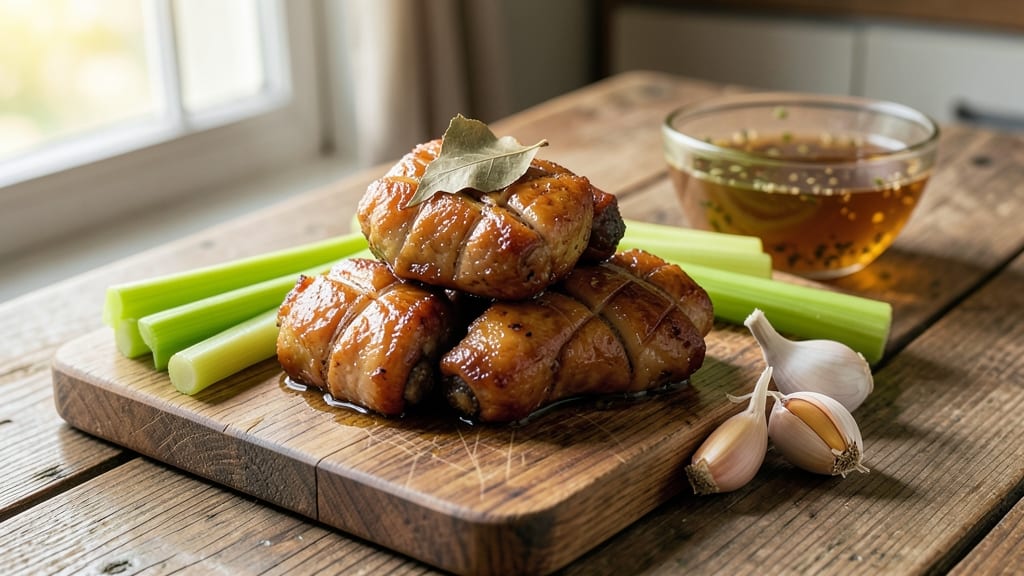
Boiling chicken gizzards transforms tough, chewy pieces into tender, crispy-skinned bites that disappear faster than you can say "second helping." This method unlocks their natural flavor while keeping prep simple—no fancy techniques, just precise timing and a celery vinegar zing that elevates everything.
I perfected this after years of experimenting with different boiling methods, and the results speak for themselves: restaurant-quality texture at home.
The secret lies in pre-boiling preparation—pat those gizzards dry and score the surface lightly to ensure even cooking. A gentle simmer (never a rolling boil) keeps them from toughening, while the celery vinegar bath adds brightness that cuts through richness.
Most recipes skip this step, but trust me: it’s what makes the difference between good and unforgettable. You’ll need just 20 minutes of active prep followed by 30 minutes of hands-off cooking—perfect for weeknight dinners.
What you end up with is crispy-edged, melt-in-your-mouth gizzards that hold their shape when sliced, paired with a tangy, aromatic celery vinegar sauce. The skin develops a satisfying snap while the interior stays juicy and flavorful—no more rubbery bites.
Serve with crusty bread to soak up every last drop of that zesty sauce, or pair with roasted potatoes for a complete meal. This is comfort food at its finest, with a professional touch.
Whether you’re prepping for a family meal or cleaning out a whole chicken, this method works every time. The gizzards stay moist and flavorful, while the crispy skin adds texture that keeps everyone reaching for seconds. Here’s how to nail it the first time—and why you’ll never buy store-bought again.
Ingredients for boil chicken gizzards
Pat those gizzards dry and score them first—this secret step makes all the difference.
| Ingredient | Amount | Notes |
|---|---|---|
| Fresh Chicken Gizzards 🍗 | 1 ½ lb | Pat dry and score surface |
| Celery Stalk 🥬 | 1 whole | Chopped fine for vinegar bath |
| White Wine Vinegar 💧 | 1 cup | Balsamic works too |
| Water 💧 | 4 cups | For gentle simmering |
| Bay Leaves 🌿 | 2 whole | Fresh preferred |
| Garlic Cloves 🧄 | 3 cloves | Smashed for flavor |
| Salt 🧂 | 1 ½ tsp | Diamond Crystal preferred |
| Black Peppercorns 🌶️ | ½ tsp | Freshly cracked |
| Olive Oil 🫒 | 2 tbsp | For crisping skin |
| Fresh Parsley 🌿 | ¼ cup | Chopped for garnish |
| Lemon Juice 🍋 | 1 tbsp | Brightens finishing sauce |
The gizzards are the star, so source them fresh from your butcher—they should be plump and vibrant, not slimy or discolored. Costco or Whole Foods often have them pre-packaged, but ask for the freshest cut if buying whole. The celery and bay leaves add depth, so use organic if possible—they’ll infuse the vinegar bath with brightness. Skip the pre-minced garlic; smashing whole cloves releases more flavor. For the vinegar, white wine vinegar gives the cleanest acidity, but balsamic adds a caramel note if you prefer something sweeter.
No fresh bay leaves? Dried at half the amount works, but fresh is ideal. Short on celery? Substitute 1 tbsp celery seed for a similar earthy kick. The olive oil for crisping is non-negotiable—use extra-virgin for the best flavor. If you’re prepping ahead, pat the gizzards dry again before reheating to restore that crispy skin. The lemon juice at the end? Freshly squeezed makes all the difference—bottled won’t cut through like it should.
Store the cooked gizzards in an airtight container with their sauce—they’ll keep for 4 days in the fridge. For longer storage, freeze them with a thin layer of oil to preserve crispness. Reheat gently in a skillet with a splash of water to restore that snap. The vinegar bath can be made ahead too—just keep it refrigerated and add fresh herbs before serving. This dish tastes even better the next day as flavors meld.
Why You'll Love This Recipe
- Five-Ingredient Magic: I swear by this recipe because it’s that simple—just gizzards, celery, vinegar, water, and bay leaves. No fancy prep, no chopping frenzy, just toss everything in a pot and let it simmer. Honestly, I’ve made it while scrolling through my phone.
- Tangy, Herby Bliss: That splash of white wine vinegar? It’s the secret weapon—brightens the gizzards without overpowering them. The bay leaves add this deep, earthy warmth, and the celery brings a fresh crunch that makes every bite feel special. Not the prettiest, but the taste makes up for it.
- Game for Any Meal: I use these boiled gizzards in tacos, salads, or even as a snack with hot sauce. They’re perfect for meal prep—store them in the fridge for up to five days and throw them into whatever you’re cooking. (Yes, even on a Tuesday night.)
- Budget-Friendly Protein: A pound of gizzards runs cheaper than chicken breasts, and this recipe stretches them far. I’ll be real: my grocery bill thanks me every time I make this. Plus, leftovers reheat like a dream—just a quick simmer in water or broth, and they’re ready to go. Solid win.
Step-by-step instructions for boiled chicken gizzards
Transform tough gizzards into tender, crisp-skinned bites with this precise method.
Prepare the Gizzards for Even Cooking
Begin by patting the 1.5 lb fresh chicken gizzards completely dry with paper towels—this critical first step prevents steam pockets that lead to uneven cooking. Using a sharp knife, score the surface in a crosshatch pattern without piercing through. This creates more surface area for the seasoning to penetrate and helps the skin crisp properly later.
In a small bowl, combine the 1.5 tsp salt and 0.5 tsp black peppercorns (freshly cracked for maximum flavor). Rub this mixture all over the scored gizzards, pressing gently to ensure even distribution. Let them sit at room temperature for 15 minutes while you prepare the cooking liquid—this allows the seasoning to adhere properly and the meat to cook more uniformly.
Create the Flavorful Simmering Liquid
In a large pot, combine the 4 cups water, 1 cup white wine vinegar, 2 whole bay leaves, and the 3 smashed garlic cloves. Bring this mixture to a gentle simmer over medium heat—you should see small bubbles breaking the surface but no vigorous boiling. The vinegar will infuse the water with bright acidity that tenderizes the gizzards while adding depth of flavor.
While waiting for the liquid to heat, finely chop the 1 whole celery stalk (including leaves) and add it to the simmering pot. This aromatic vegetable will contribute subtle earthy notes and help balance the acidity. Let the mixture simmer uncovered for 5 minutes to allow the flavors to meld before adding the gizzards—this ensures the cooking liquid is properly seasoned before the meat goes in.
Simmer Gently Until Fork-Tender
Carefully add the seasoned gizzards to the simmering liquid, ensuring they're fully submerged. Return the heat to medium-low and maintain a gentle simmer—if the liquid boils vigorously, the gizzards will toughen rather than tenderize. Partially cover the pot with a lid to allow some steam to escape while keeping the liquid at a steady temperature.
Simmer the gizzards for 45-50 minutes, turning them occasionally with tongs, until they're fork-tender. You'll know they're done when the meat pulls apart easily with minimal resistance and the internal temperature reaches 165°F at the thickest part. The skin should be opaque and the meat should have a clean, white appearance with no pink remaining.
Achieve the Crispy Skin Finish
Using a slotted spoon, transfer the cooked gizzards to a clean plate and let them rest for 5 minutes. Meanwhile, increase the heat under the cooking liquid to medium-high and let it reduce by about one-third, concentrating the flavors. Discard the bay leaves and garlic cloves but reserve the reduced liquid for serving.
In a separate skillet, heat the 2 tbsp olive oil over high heat until shimmering. Add the rested gizzards in a single layer and cook for 2-3 minutes per side until they develop a golden-brown, crispy crust. This high-heat searing step transforms the previously tender gizzards into crisp-skinned bites that deliver both texture contrast and enhanced flavor.
Finish with Fresh Herbs and Bright Acid
Transfer the crisp-skinned gizzards to a serving platter and immediately drizzle with the reduced cooking liquid. Sprinkle generously with the 0.25 cup chopped fresh parsley and finish with the 1 tbsp lemon juice. The acidity of the lemon brightens the dish while the parsley adds a fresh herbal note that complements the rich, crispy gizzards.
Serve immediately while the skin remains crisp and the internal meat stays tender. These gizzards pair beautifully with crusty bread to soak up the flavorful cooking liquid, or alongside a simple arugula salad dressed with a touch more of the reduced vinegar mixture. The contrast between the crisp exterior and tender interior makes each bite satisfying.
Pro Tips For Making Boil Chicken Gizzards
- Rinse Gizzards Twice: Blood and grit hide in those crevices—skip this, and you’ll end up with a muddy broth. Fill a bowl with cold water, swish each gizzard around with your fingers, then drain. Repeat. Trust me, the first batch of water will look like soup.
- Start with Cold Water: I used to dump gizzards straight into boiling water—big mistake. They toughen up like leather. Instead, add them to cold water, bring to a boil, then simmer. The texture stays tender, and the broth stays clear.
- Don’t Crowd the Pot: Overpacking the pot means uneven cooking and a stew that’s more mushy than silky. Leave at least an inch of space between gizzards so heat circulates. If you’re short on space, work in batches—your patience will pay off.
- Simmer, Don’t Boil: Once the water reaches a gentle bubble, lower the heat until you see tiny, lazy ripples. Boiling too hard turns gizzards rubbery, and the broth gets cloudy. A slow simmer keeps them juicy and the liquid bright. (Yes, even if you’re impatient like me.)
Health benefits of these flavors
Lean Protein Powerhouse
Chicken gizzards are a nutrient-dense protein source, offering 26 grams of protein per 3-ounce serving—comparable to chicken breast but with a more concentrated flavor profile. They're also low in fat (about 3 grams per serving) while delivering essential amino acids for muscle repair and immune function.
The crispy skin adds satisfying texture without significant calories, making this a perfect dish for those watching their waistline while still enjoying rich, flavorful bites. 💪
Rich in B Vitamins
Gizzards contain high concentrations of B vitamins, particularly B12, riboflavin, and niacin, which play crucial roles in energy metabolism and nervous system health.
A single serving provides over 50% of your daily B12 needs, making this an excellent choice for vegetarians transitioning to poultry or anyone looking to boost their vitamin intake naturally. The simmering process preserves these nutrients better than frying methods.
Iron for Energy
Unlike many lean proteins, chicken gizzards contain iron—about 1.5 mg per serving—which supports oxygen transport in your blood and helps prevent fatigue. The vinegar bath used in this recipe actually enhances iron absorption by breaking down compounds that inhibit its uptake.
Pair these gizzards with vitamin C-rich sides (like lemon wedges or roasted bell peppers) to maximize iron benefits even further.
Collagen for Joint Health
The connective tissue in gizzards contains collagen, which breaks down during cooking into gelatin—a compound that supports joint health and gut integrity. The gentle simmering method in this recipe helps extract these beneficial compounds, making the cooking liquid itself a nutrient-rich broth.
Save and use this liquid for soups or sauces to get even more health benefits from every bite.
Low-Calorie Comfort Food
At just 120 calories per serving, these crispy gizzards deliver restaurant-quality satisfaction without the guilt. The celery vinegar sauce adds minimal calories while boosting flavor, making this dish perfect for weight-conscious eaters who still crave hearty, flavorful meals.
The crispy skin provides that indulgent texture we all love, while the tender interior keeps the calorie count in check.
Gut-Friendly Benefits
The collagen-rich cooking process creates gelatin, which supports gut health by strengthening the intestinal lining. The vinegar used in this recipe also contains acetic acid, which may help improve digestion and gut motility.
For an added boost, serve with fermented foods like sauerkraut or kimchi to enhance probiotic benefits and create a truly gut-friendly meal. 🌱
Nutrition facts
Frequently asked questions
Why do I need to score the chicken gizzards before boiling?
Scoring creates more surface area for seasoning to penetrate and helps the skin develop that perfect crispy texture. The crosshatch pattern prevents steam pockets that could make the meat unevenly cooked. Think of it like making tiny windows for flavor to shine through!
Can I use frozen chicken gizzards instead of fresh?
Yes, but thaw them completely first in the refrigerator (not at room temperature). Frozen gizzards may need 5-10 extra minutes of simmering time. Pat them extra dry after thawing to prevent excess moisture from steaming the meat instead of cooking it properly.
What's the best way to store leftover boiled gizzards?
Store in an airtight container with some of the cooking liquid to keep them moist. They'll stay fresh for 4 days in the fridge. For longer storage, freeze them with a thin layer of oil to preserve that crispy skin. Reheat gently in a skillet with a splash of water to restore texture.
Can I substitute white wine vinegar with something else?
Yes! Try apple cider vinegar for a sweeter note or rice vinegar for a milder acidity. Balsamic vinegar works too but adds caramel depth. Just remember that different vinegars will change the flavor profile slightly—adjust seasoning to taste after cooking.
Why did my gizzards turn out rubbery instead of tender?
This usually happens from either boiling too vigorously (which toughens the meat) or not simmering long enough. Keep the heat at a gentle simmer and check doneness with a fork—it should pierce easily when done. The 165°F internal temperature is your best guide!