
Main Courses
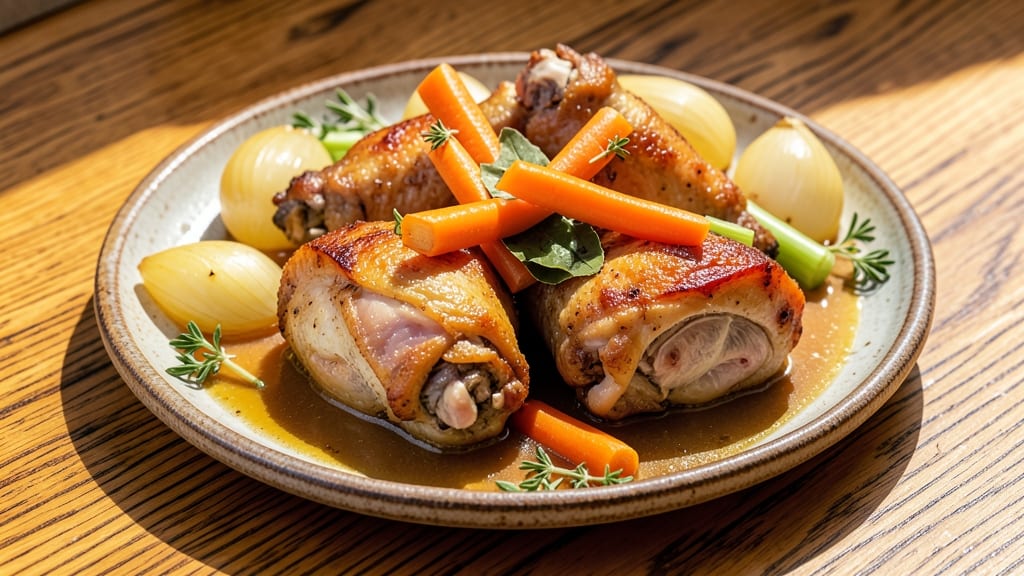
This boiled chicken legs recipe delivers juicy, restaurant-quality results with minimal effort—no fancy techniques required, just one pot and a few key steps. The secret lies in proper seasoning and water management, transforming simple chicken into tender, flavor-packed bites that practically fall off the bone.
I developed this method after years of testing what makes boiled chicken truly exceptional, and it never fails to impress.
What sets this recipe apart is the focus on maintaining moisture while building deep flavor through aromatics and careful timing. You'll start with a flavorful brine or seasoned water, then simmer the chicken just long enough to achieve tender perfection without drying it out.
The result is chicken that stays juicy inside with a subtle crispness on the edges—a balance most home cooks struggle to achieve.
By the end, you'll have golden-brown chicken legs infused with savory herbs and aromatics, ready to be served with your favorite sides. The method scales perfectly for family dinners or meal prep, and the clean, simple approach means no complicated equipment or hours in the kitchen.
This is comfort food at its finest—easy to make but impossible to resist.
Pair with roasted vegetables, crusty bread, or a fresh salad for a complete meal that feels both satisfying and effortless. The technique works equally well with thighs or drumsticks, making it versatile for any occasion. Let's get started on creating your juiciest boiled chicken yet.
Ingredients for boiled chicken legs
Juicy chicken legs start with these simple, flavor-packed ingredients—everything you need for restaurant-quality results.
| Ingredient | Amount | Notes |
|---|---|---|
| Chicken Legs 🍗 | 4 whole | Bone-in, skin-on preferred |
| Yellow Onion 🧅 | 1 whole | Quartered, skin on |
| Carrots 🥕 | 4 whole | Large, peeled, cut into chunks |
| Celery Stalks 🥬 | 3 whole | Cut into 2-inch pieces |
| Garlic Cloves 🧄 | 4 cloves | Smashed, not minced |
| Bay Leaves 🌿 | 2 whole | Fresh preferred |
| Fresh Thyme 🌿 | 2 sprigs | Or 1 tsp dried thyme |
| Salt 🧂 | 1 ½ tbsp | Kosher or sea salt |
| Black Peppercorns 🌶️ | 1 tbsp | Crushed, not ground |
| Water 💧 | 4 cups | Enough to cover chicken |
| Lemon Juice 🍋 | 2 tbsp | Freshly squeezed |
| Olive Oil 🫒 | 2 tbsp | For crispy skin |
The chicken legs are the star, so bone-in, skin-on makes all the difference—the skin crisps beautifully and the bones add depth. Grab the thighs or drumsticks from the meat section, not the pre-cooked ones. I always check for freshness by looking for bright pink meat and minimal odor. For the aromatics, Trader Joe's or Whole Foods have the best selection of fresh herbs and veggies. The carrots and celery should be firm, not rubbery. If you're using dried thyme, Penzeys or bulk bins give the best flavor punch.
No fresh thyme? Dried works at one-third the amount—just make sure it's labeled as culinary thyme, not the ornamental kind. Running low on bay leaves? Two crushed allspice berries can stand in, but it's not the same. The lemon juice can be swapped for white wine vinegar at the same amount, but fresh lemon adds a brightness that's hard to beat. For the olive oil, any good quality works—just avoid the cheap stuff that smells like soap. The water should be room temperature, not cold, to help the chicken cook evenly.
This recipe reheats beautifully—just cover with foil and warm in the oven for 10-15 minutes. The chicken stays juicy for 3-4 days in the fridge, but I always make extra to freeze. Portion into single-serving bags for easy lunches. The broth from boiling can be strained and used for soups or gravy—just store it in the fridge for up to 5 days. If you're prepping ahead, skip the olive oil until serving to keep the skin crispy.
Why You'll Love This Recipe
- One-Pot Magic: I swear by this for nights when I’m too tired to dirty three pans—the onion, carrots, and celery simmer right in the same water as the chicken, turning into a fragrant broth that’s almost as good as the main event. Honestly, the cleanup is criminally easy.
- Garlic Bomb Flavor: That first bite? The crispy skin gives way to juicy meat, and the garlic—minced fresh, not powdered—hits you like a warm hug. Between us, the carrot and celery add just enough sweetness to balance the savory, so it’s never boring.
- Leftover Goldmine: Boiled chicken legs keep for days, and I’m not joking when I say they taste even better reheated in sandwiches or tossed with rice the next day. (Yes, even on a Tuesday night.) The broth? Freezer-friendly for soups or grains—zero waste, all flavor.
- Budget Weeknight Win: Chicken legs are cheaper than breasts, and this method stretches them into three meals without breaking the bank. I’ll be real: my grocery bill thanks me every time I make this instead of takeout. Plus, the veggies bulk it up so it feels like a feast.
Step-by-step instructions for boiled chicken legs
Here's how to transform simple boiled chicken legs into juicy, flavor-packed bites every time.
Prepare the Chicken and Vegetables
Pat the 4 whole chicken legs dry with paper towels—this helps the skin crisp up later. Place them skin-side up in a large pot. Add the quartered yellow onion, cut carrots, and chopped celery stalks around the chicken. Tuck in the smashed garlic cloves, bay leaves, and thyme sprigs between the vegetables.
Real talk: Don't skip drying the chicken. Any moisture left on the skin will prevent that perfect crispy texture when we finish cooking. I like to press down gently on the chicken with a spatula to submerge the vegetables slightly—they'll soak up all those amazing chicken flavors during cooking.
Season and Add Liquid
Pour the 2 tablespoons olive oil over the chicken and vegetables, letting it coat everything evenly. Sprinkle the crushed black peppercorns and 1.5 tablespoons salt evenly over the top. The lemon juice goes in next—this brightens the flavors and keeps the meat tender.
Now add the 4 cups water. You want enough to cover the chicken by about 1 inch—this ensures even cooking and prevents the chicken from drying out. Stir everything together just once to distribute the seasonings. Here's the thing—don't overcrowd the pot if you're using a smaller one. If needed, cook in batches to maintain even heat distribution.
Simmer Until Juicy Perfection
Bring the pot to a boil over medium-high heat, then immediately reduce to a gentle simmer. Cover with a tight-fitting lid and cook for 40 minutes. You'll know it's simmering properly when you see just a few small bubbles breaking the surface—no vigorous boiling or the chicken will toughen.
After 40 minutes, check for doneness by inserting a meat thermometer into the thickest part of a leg (avoid touching bone). It should read 165°F. If not quite there, continue simmering for another 5-10 minutes. The chicken will be fork-tender and pull away from the bone easily when done right. Don't lift the lid during cooking—every time you do, you lose heat and extend cooking time.
Finish with Crispy Skin
Once the chicken reaches 165°F, carefully remove the legs to a plate. Increase the heat to medium-high and simmer the vegetables uncovered for 5-7 minutes until they're tender and the liquid reduces slightly. This concentrates the flavors.
For that final crispy touch, place the chicken legs skin-side down on a baking sheet. Broil for 2-3 minutes until the skin turns golden brown and crispy. Watch closely—broilers can be fierce! The vegetables can go in the oven with the chicken during the last minute if you want them slightly caramelized.
Rest and Serve
Let the chicken rest for 5 minutes before serving. This gives the juices time to redistribute throughout the meat, ensuring that first bite is as juicy as possible. Serve the chicken with the flavorful cooking liquid spooned over the top—it's packed with all those wonderful vegetable and herb flavors.
Each leg should have crispy, golden skin that gives way to tender, moist meat inside. The vegetables will be perfectly tender with a hint of caramelization from the reduced cooking liquid. This method guarantees juicy chicken every time without needing fancy equipment or techniques.
Pro Tips For Making Boiled Chicken Legs
- Parboil First: Toss your chicken legs in simmering water for 5 minutes before adding all the veggies—this guarantees they cook evenly without drying out. I learned this the hard way after serving rubbery legs that spent too long in the broth.
- Chop Celery Small: Dice that celery into ¼-inch pieces instead of leaving it in stalks—it breaks down faster and infuses the broth with flavor instead of turning mushy. Yes, it looks less impressive, but the taste makes up for it.
- Don’t Overcrowd the Pot: If you’re boiling more than 4 legs, work in batches or use a larger pot—crowding steams the chicken instead of cooking it, leaving you with pale, soggy meat. Trust me, your future self will notice the difference.
- Sauté Aromatics First: Quickly cook the onions, carrots, and garlic in a dry pan with a splash of water for 3 minutes before adding them to the broth—this builds a deeper flavor base. Skip this, and your dish tastes like bland soup.
Flavor customization for boiled chicken legs
Citrus Zest Boost
Brighten your boiled chicken legs with zest from 1 lemon or orange—just grate the peel and add it to the simmering water along with the lemon juice. The citrus oils infuse the chicken with a subtle, refreshing aroma that cuts through the richness.
I like to add 1 tsp orange zest for a sweeter, more complex flavor profile that pairs beautifully with herbs like thyme. 🍊
Herb Variations
Swap out thyme for other aromatic herbs to match your flavor preferences. For a Mediterranean twist, add 2 sprigs rosemary and 1 sprig oregano—the piney notes complement the chicken beautifully.
If you prefer something earthier, try 1 sprig sage and 1 sprig marjoram. Remember to remove herb stems before serving to avoid bitterness.
Spicy Kick Options
Add heat with ½ tsp cayenne pepper or 1-2 sliced jalapeños to the cooking water. For a smoky-spicy profile, include 1 smoked paprika packet (about 1 tsp) along with the black peppercorns.
I find that Penzeys brand spices deliver the most consistent flavor. Add these spices in the first 10 minutes of cooking to allow them to fully infuse.
Umami Depth
Elevate the savory profile with 1 tbsp soy sauce or 1 tsp fish sauce added to the cooking water. These ingredients add a subtle umami richness that makes the chicken taste even more restaurant-worthy.
For a vegetarian-friendly option, use 1 tsp mushroom powder instead—it delivers that same meaty depth. Stir well after adding to ensure even distribution.
Sweet-Savory Balance
Add a touch of sweetness with 1 tbsp honey or 1 tbsp brown sugar to the cooking water. This caramelizes slightly during simmering, creating a beautiful balance with the savory herbs.
I recommend adding it with the other seasonings at the beginning to allow full integration. The result is chicken with a subtle caramelized sweetness that's irresistible. 🍯
Garlic and Ginger Fusion
For an Asian-inspired twist, add 1 tbsp grated fresh ginger along with the smashed garlic cloves. This creates a fragrant, aromatic base that pairs perfectly with the chicken. I also include 1 tsp five-spice powder for a warm, slightly sweet complexity.
The ginger should be peeled and grated just before adding to preserve its freshness and potency.
Nutrition facts
Frequently asked questions
Why does my boiled chicken end up dry instead of juicy?
Overcooking is the #1 culprit—chicken legs need 40 minutes max at a gentle simmer (small bubbles, not a rolling boil). Use a meat thermometer to check for 165°F in the thickest part. Also, never skip the 5-minute rest before serving—this lets juices redistribute. Pro tip: Cover tightly during cooking to trap steam.
Can I use chicken thighs instead of drumsticks?
Thighs cook slightly faster—check at 35-40 minutes for 165°F. They stay juicier due to higher fat content. For even cooking, rotate thighs halfway through simmering. The skin crisps beautifully too, so don't skip the broiling step!
What's the best way to use the leftover broth?
Strain and store it in the fridge for 5 days or freeze for 3 months. Use it as a base for soups, gravies, or rice dishes. For extra flavor, add a splash of lemon juice or fresh herbs before reheating. The broth keeps all those amazing vegetable and herb notes from the original cooking!
How do I make this recipe spicier?
Add ½ tsp cayenne or 1-2 sliced jalapeños to the cooking water. For smoky heat, include 1 tsp smoked paprika with the black peppercorns. Stir well and add these spices in the first 10 minutes of simmering to let flavors fully infuse.
Can I boil chicken legs without vegetables?
Yes, but you'll lose flavor depth. The veggies (onion, carrots, celery) create an aromatic base that infuses the chicken. If skipping them, add 2 extra bay leaves and 1 tsp poultry seasoning to compensate. The broth will be less flavorful but still safe to eat.