
Main Courses
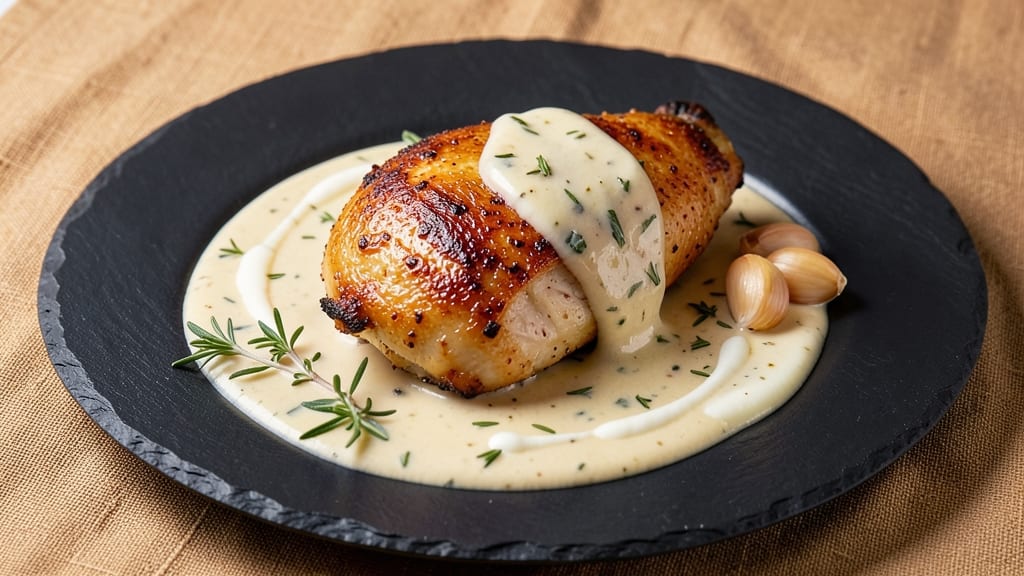
This Campbell’s cream of asparagus chicken recipe turns simple soup into a hearty, one-pan meal with tender chicken and velvety sauce in just 45 minutes. The celery-vinegar richness of the soup creates a velvety sauce that perfectly complements tender chicken breasts, while asparagus adds freshness to balance the creamy texture.
I developed this recipe after realizing how versatile this pantry staple could be beyond just soup—it transforms into a satisfying main course with minimal effort.
What makes this dish special is the simplicity combined with professional results. You'll start with boneless, skinless chicken breasts—easy to work with and guaranteed to stay tender when cooked properly.
The Campbell's cream of asparagus soup forms the foundation of the sauce, while a splash of vinegar and fresh herbs elevate it to something restaurant-worthy. The entire process takes just 45 minutes, making it perfect for weeknight dinners when you want something impressive without spending all day in the kitchen.
By the time you serve this dish, you'll have golden-brown chicken with perfectly cooked edges and moist centers, all blanketed in a rich, creamy sauce that's infused with asparagus flavor. The sauce clings beautifully to the chicken, creating each bite into a harmonious blend of tender protein and velvety sauce.
This is comfort food at its finest—familiar yet elevated, with that home-cooked feeling that comes from using simple ingredients in a thoughtful way.
The best part? This recipe scales effortlessly for larger gatherings. Serve it over buttery egg noodles, with a side of steamed asparagus, or alongside roasted potatoes for a complete meal.
The sauce also freezes well, so you can make a double batch and have dinner ready in minutes on busy nights. Let's get started with this foolproof technique that turns pantry staples into something extraordinary.
Ingredients for campbell's cream of asparagus chicken
Twelve essential ingredients transform Campbell's cream of asparagus soup into restaurant-quality chicken with velvety sauce.
| Ingredient | Amount | Notes |
|---|---|---|
| Boneless, Skinless Chicken Breasts 🍗 | 1 ½ lb | Pounded to even thickness for even cooking |
| Campbell's Cream of Asparagus Soup 🍲 | 1 can | Low-sodium preferred for flavor control |
| Extra-Virgin Olive Oil 🫒 | 2 tbsp | Light variety for high-heat searing |
| Diamond Crystal Kosher Salt 🧂 | 1 ½ tsp | Adjust to taste after initial seasoning |
| Freshly Ground Black Pepper 🌶️ | 1 tsp | Cracked peppercorns preferred |
| Distilled White Vinegar 💧 | 1 tbsp | For brightness and acid balance |
| Fresh Parsley Leaves 🌿 | ¼ cup | Finely chopped for garnish and flavor |
| Fresh Dill Weeds 🌿 | 2 tbsp | Chopped, for herbaceous depth |
| Unsalted Butter 🧈 | 2 tbsp | Full-fat for optimal sauce richness |
| All-Purpose Flour 🌾 | 1 tbsp | For thickening sauce consistency |
| Celery Stalks 🧅 | 1 whole | Diced, for aromatic base development |
| Garlic Cloves 🧄 | 2 cloves | Minced, for aromatic depth |
| Heavy Cream 🥛 | ¼ cup | Optional for enhanced velvety texture |
The chicken breasts are the foundation—opt for center-cut pieces from Whole Foods or your local butcher for superior tenderness. Pound them to ¼-inch thickness using a meat mallet to ensure even cooking. Diamond Crystal kosher salt is preferred here due to its coarse texture, which dissolves more cleanly into the sauce. For the Campbell's soup, the low-sodium version gives you better flavor control when balancing the vinegar and herbs. Fresh herbs are non-negotiable; the dill and parsley from the grocery store's refrigerated section should be vibrant green with no wilting. If you're using frozen, thaw and pat thoroughly dry before chopping.
No fresh dill? Dried dill at one-third the amount works in a pinch, though the flavor profile will differ slightly. Substituting heavy cream? Whole milk or half-and-half can work, but the sauce won't be as luxuriously velvety. For the vinegar, apple cider vinegar adds subtle sweetness, while white wine vinegar provides a sharper brightness. The celery and garlic are critical for building the aromatic base—don't skip them, even if you're in a hurry. If you're using pre-minced garlic, toast it briefly in olive oil first to deepen its flavor. The flour is purely functional here; arrowroot powder can replace it for a gluten-free option, though the texture will differ slightly.
This dish reheats beautifully—microwave in 30-second bursts with a splash of water to restore creaminess. Store leftovers in an airtight container for up to 4 days in the refrigerator. For longer storage, the sauce freezes exceptionally well; portion into ice cube trays, then transfer to a freezer bag for up to 3 months. The chicken, however, is best consumed within 2 days of cooking. To serve, drizzle with extra olive oil and a sprinkle of freshly cracked black pepper just before eating—this elevates the dish from comforting to extraordinary.
Why You'll Love This Recipe
- One-Pan Magic: I swear by this recipe for nights when I’m too tired to wash extra dishes. Just sear the chicken in olive oil, pour in the soup, and let it simmer—no pots, no pans, just clean-up-free dinner.
- Creamy Asparagus Hug: That Campbell’s soup brings so much more than convenience—it’s got a rich, velvety texture with just a hint of asparagus brightness. The chicken soaks up that flavor like a sponge, making every bite taste like a cozy hug.
- Lunchbox Hero: Between us, this is my go-to for meal prep. The sauce thickens perfectly when reheated, and the chicken stays tender—ideal for packing lunches or feeding a crowd without stressing over leftovers.
- Budget Win: Honestly, this recipe keeps me sane on grocery runs. Chicken breasts are affordable, the soup is a pantry staple, and a little olive oil and salt make it feel gourmet without breaking the bank.
Step-by-step instructions for cream of asparagus chicken
This method ensures perfectly tender chicken with a velvety, herb-infused sauce that balances creamy richness with bright acidity.
Prepare the Chicken for Even Cooking
Place the 1.5 lb boneless, skinless chicken breasts between two sheets of plastic wrap. Using a meat mallet, pound them to an even ½-inch thickness throughout. This critical step prevents uneven cooking and dryness in the center. The chicken should now be uniform in size, allowing it to cook completely through without overcooking the exterior.
Season both sides generously with the 1.5 tsp diamond crystal kosher salt and 1 tsp freshly ground black pepper. Let the seasoned chicken rest at room temperature for 15 minutes while you prepare the pan. This brief rest allows the salt to penetrate the surface, ensuring every bite is properly seasoned. The pepper should be freshly cracked for maximum aromatic impact.
Sear the Chicken for Maximum Flavor
Heat a large skillet over medium-high heat until it's hot enough to create a shimmer when you flick a drop of water. Add the 2 tbsp extra-virgin olive oil and swirl to coat the pan evenly. Place the chicken breasts in the pan and cook undisturbed for 3-4 minutes per side until they develop a golden-brown crust. This sear creates the Maillard reaction that builds deep flavor.
Real talk: Don't press down on the chicken with a spatula. I press down gently on the fillet during the first minute to prevent curling, but after that, let it cook freely. You'll know it's ready to flip when the edges release easily from the pan. Transfer the seared chicken to a plate and tent loosely with aluminum foil to keep warm while you prepare the sauce.
Build the Celery-Vinegar Base
In the same skillet (don't wipe it clean—those browned bits are pure flavor), reduce heat to medium. Add the 2 tbsp unsalted butter and let it melt completely. Add the 1 whole celery stalk, diced into small pieces, and the 2 cloves garlic, minced finely. Cook for 3-4 minutes until the celery softens and becomes translucent, and the garlic releases its aromatic oils.
Here's the thing—this aromatic base forms the flavor foundation of your sauce. The celery adds subtle earthiness while the garlic provides depth. If you notice the garlic starts to brown before the celery softens, reduce heat slightly to prevent burning. Once the vegetables are tender, add the 1 tbsp distilled white vinegar and let it simmer for 1 minute to brighten the flavors.
Create the Creamy Sauce
Sprinkle the 1 tbsp all-purpose flour evenly over the vegetables in the pan. Stir continuously for 1-2 minutes until the flour forms a light roux that coats the back of a spoon. This creates a smooth thickening agent for your sauce. Immediately pour in the 1 can Campbell's cream of asparagus soup, stirring constantly to prevent lumps from forming.
Bring the mixture to a gentle simmer and cook for 3-4 minutes until it thickens slightly. If using, stir in the 0.25 cup heavy cream now to enhance the sauce's velvety texture. The sauce should coat the back of a spoon but still be pourable. Taste and adjust seasoning with additional kosher salt if needed—remember, the soup may contain some sodium already.
Finish and Serve with Herb Garnish
Return the seared chicken breasts to the skillet and spoon the warm sauce generously over the top. Cover and let it simmer gently for 5 minutes to allow the chicken to absorb the sauce's flavors. The internal temperature should reach 165°F at this point—use an instant-read thermometer to check the thickest part of each breast.
Transfer the chicken to a warm serving platter and spoon the remaining sauce around it. Garnish with the 0.25 cup finely chopped fresh parsley leaves and 2 tbsp chopped fresh dill weeds. The herbs should be distributed evenly for both visual appeal and added freshness. Serve immediately with your choice of crusty bread or steamed vegetables to complete the meal.
Pro Tips For Making Campbell'S Cream Of Asparagus Chicken
- Sear Before Simmering: Hit the chicken with a quick sear in olive oil—just 2-3 minutes per side—before adding the soup. The Maillard reaction kicks in here, giving you real flavor instead of bland chicken swimming in cream. (Yes, even if you’re impatient like me, resist the urge to rush this.)
- Pat Dry Like It’s Your Job: Use paper towels to dry the chicken breasts thoroughly—no wet spots—before seasoning and cooking. Moisture on the surface steams the meat instead of browning it, and trust me, you’ll taste the difference in that creamy sauce.
- Skip the Boil: If the soup mixture starts simmering too hard, lower the heat to a gentle bubble. Boiling can turn the Campbell’s soup grainy and break down the chicken’s texture faster. You’re aiming for a slow, steady simmer—not a rolling pot of lava.
- Season the Soup Too: The Campbell’s soup is salty, but it’s not your salty—add a pinch of kosher salt and a crack of black pepper directly to the pot before mixing. The canned soup’s flavor is a base, not the star, and this tweak makes the dish taste homemade.
Creative variations of this recipe
Creamy Mushroom Twist
Swap the celery for 8 oz sliced mushrooms (cremini or button) and add 1 tbsp soy sauce to the sauce. The umami from mushrooms deepens the flavor, while soy sauce adds a savory note that pairs beautifully with the asparagus.
I like using wild mushrooms from the farmers market for extra earthiness. Serve over egg noodles for a heartier dish. 🌿
Spicy Cajun Chicken
Add 1 tsp Cajun seasoning (like Tony Chachere's) and ½ tsp cayenne pepper to the chicken before searing. The heat cuts through the creaminess perfectly. For extra kick, stir 1 tbsp hot sauce (like Crystal or Tabasco) into the finished sauce.
Garnish with sliced green onions and a dash of paprika. This version is perfect with cornbread on the side. 🌶️
Lemon-Herb Roasted Version
Skip the searing and roast the chicken at 400°F for 15-18 minutes with 1 tbsp lemon juice and 1 tsp dried thyme. Deglaze the pan with 2 tbsp white wine instead of vinegar, then proceed with the sauce recipe.
The lemon brightens the asparagus flavor, and the roasted chicken has beautiful charred edges. This method works well for meal prep—just reheat the sauce separately. ✨
Vegetarian Asparagus Pasta
Replace the chicken with 12 oz fettuccine and add 1 cup chopped asparagus to the sauce. Cook the pasta al dente, then toss with the sauce and extra 2 tbsp grated Parmesan.
For extra protein, stir in ½ cup crumbled feta at the end. This vegetarian version keeps the creamy richness while adding fresh asparagus to the sauce itself. 🍝
Slow-Cooker Adaptation
Brown the chicken in a skillet first, then transfer to a 6-quart slow cooker with the soup, vinegar, and celery base. Cook on low for 4-5 hours, then shred the chicken and mix with the sauce.
This method infuses the flavors deeper and makes the sauce even creamier. Perfect for busy weeknights when you want to come home to a ready meal. 💡
Asparagus Pesto Sauce
Blend 1 cup fresh asparagus (trimmed), 1 cup basil leaves, ¼ cup pine nuts, 2 tbsp olive oil, and 1 clove garlic into a pesto. Stir this into the finished sauce for a vibrant, herby twist.
The bright green color makes the dish look stunning. I like serving this version with grilled chicken skewers instead of breasts. 🌱
Nutrition facts
Frequently asked questions
Can I use this recipe with chicken thighs instead of breasts?
Chicken thighs work beautifully here—they stay juicy even when cooked longer. Use 1.5 lb bone-in, skin-on thighs and adjust cooking time to 5-6 minutes per side for searing, then 8-10 minutes covered in the sauce. The skin adds extra richness to the creamy sauce.
What if I don't have fresh dill or parsley?
No problem! Use 1 tbsp dried dill (one-third the amount) and 1 tbsp dried parsley instead. For extra flavor, add ½ tsp dried thyme to the sauce. If you're missing both, skip the garnish or use chopped chives for a milder taste.
How can I make this dish gluten-free?
Replace the all-purpose flour with 1 tbsp arrowroot powder or cornstarch to thicken the sauce. Also check your Campbell's soup label—some varieties contain gluten. For extra insurance, use a certified gluten-free cream of asparagus soup.
Why did my sauce turn grainy or separate?
This usually happens from two common mistakes: adding cold soup to the roux too quickly or not stirring enough. To fix it, whisk in 1 tbsp cold water and stir vigorously over low heat for 1-2 minutes. For prevention, always cook the roux until it's golden (not brown) before adding liquids.
Can I make this ahead of time for a dinner party?
Yes! Cook the chicken and sauce completely, then refrigerate in an airtight container for up to 3 days. Reheat gently in a saucepan with a splash of water or milk to restore creaminess. For serving, reheat just the sauce separately and spoon over the chicken to keep it moist.