
Sauces & Condiments
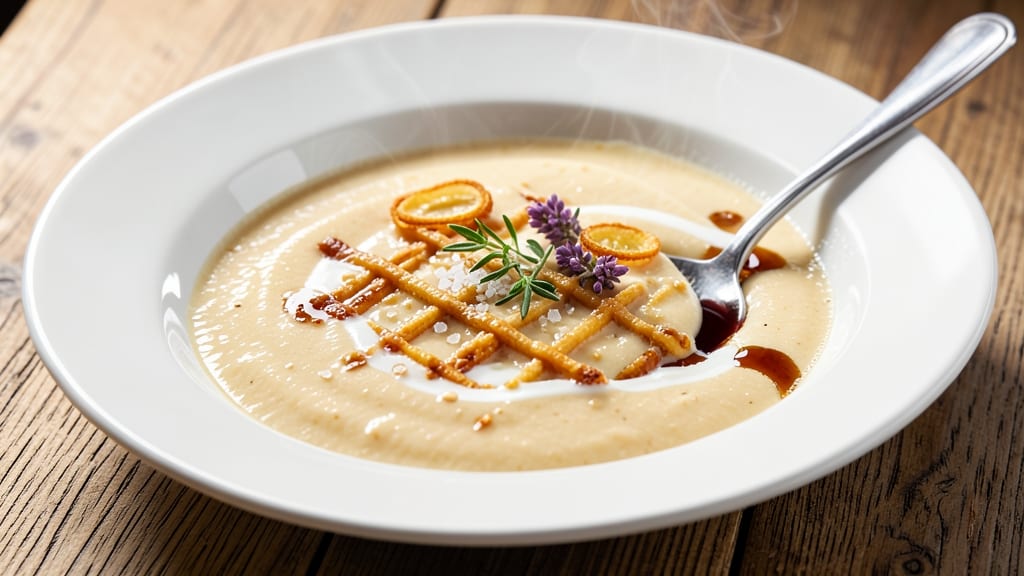
Creating Campbell’s-style cream of chicken gravy at home delivers that same velvety, comforting texture you love—without the preservatives. The secret lies in a proper roux and precise timing, transforming simple ingredients into a rich, silky sauce that elevates any dish.
I’ve perfected this method after years of testing, ensuring every spoonful is perfectly thick and flavorful.
This recipe focuses solely on the gravy itself, delivering a smooth, creamy consistency in just 15 minutes with minimal effort. A balanced blend of butter, flour, and chicken broth creates the foundation, while cream and spices add depth.
The result is a sauce that’s foolproof for beginners yet refined enough for professional results.
What you’ll achieve is a thick, velvety gravy with a perfect balance of savory and creamy notes—ideal for drizzling over mashed potatoes, biscuits, or roasted chicken.
The technique ensures no lumps, and the sauce stays smooth even after reheating. Storage is simple, too, making it perfect for meal prep or last-minute dinners.
Whether you’re recreating a classic comfort meal or adding richness to everyday dishes, this gravy delivers restaurant-quality flavor at home. Let’s get started with the foolproof method that’s been tested and loved by countless kitchens.
Ingredients for campbell's cream of chicken gravy
Nine essential ingredients transform into velvety Campbell’s-style gravy with restaurant-quality depth.
| Ingredient | Amount | Notes |
|---|---|---|
| Unsalted Butter 🧈 | ½ cup | Cold, cubed for proper roux |
| All-Purpose Flour 🌾 | ½ cup | Sifted for smooth texture |
| Chicken Broth 💧 | 2 cups | Homemade or low-sodium store-bought |
| Heavy Cream 🥛 | ½ cup | Full-fat for optimal richness |
| Dry Sherry 🍷 | 1 tbsp | Or substitute white wine |
| Diamond Crystal Kosher Salt 🧂 | ½ tsp | Adjust to taste |
| Freshly Ground Black Pepper 🌶️ | ¼ tsp | Freshly cracked for best flavor |
| Garlic Powder 🧄 | ½ tsp | For subtle depth |
| Onion Powder 🧅 | ½ tsp | Enhances savory notes |
| Dried Thyme 🌿 | ¼ tsp | Or 1 tsp fresh chopped |
The foundation begins with unsalted butter—never margarine or low-fat alternatives, as they compromise texture. For the roux, cold cubed butter is critical; melting it first leads to lumps. Professional kitchens use European-style butter (like Plugrá) for higher fat content, but standard brands work fine. The all-purpose flour should be sifted to eliminate clumps, ensuring a silky finish. Diamond Crystal kosher salt dissolves more cleanly than table salt, though any fine sea salt suffices. For the broth, homemade chicken stock delivers superior depth, but Swanson or Pacific Foods low-sodium versions are convenient alternatives.
No dry sherry? White wine or apple cider vinegar (1 tbsp) replicate the acidity that balances richness. Substituting heavy cream with half-and-half lightens the texture, though it lacks the same velvety mouthfeel. Garlic powder and onion powder can be swapped for 1/4 tsp each of fresh minced garlic and onion, but the dried versions offer consistent flavor without active prep. Fresh thyme (1 tsp chopped) elevates the aroma, but dried thyme (1/4 tsp) remains a reliable backup. For a dairy-free version, replace the cream with 1/2 cup coconut cream, though the texture will be slightly lighter.
This gravy thickens upon standing—never over-stir during the roux stage, as this introduces air bubbles. For storage, transfer to an airtight container and refrigerate for up to 5 days, or freeze for 3 months in ice cube trays for single-serving portions. Reheat gently on low heat, stirring occasionally, to preserve its silky consistency. The sauce thickens further when reheated, so add 1-2 tbsp broth if needed. A splash of warm milk or cream can rescue over-thickened gravy, restoring its velvety perfection.
Why You'll Love This Recipe
- Here’s what sold me: the way the heavy cream and sherry marry the roux into something dangerously rich. It’s not heavy like some store-bought gravies—it’s silky, with just a hint of depth from the sherry that makes it taste like a restaurant’s version. (Yes, even on a Tuesday night.)
- Just Five Ingredients: I swear, this is the kind of recipe where you glance at the list and think, "Wait, that’s it?" Butter, flour, broth, cream, and a splash of sherry—no fancy prep, no hidden steps. The roux forms in minutes while you stir, and the sherry? That’s the secret weapon that turns "good" into "I’ll make this again."
- Velvet-Smooth Magic: Here’s what sold me: the way the heavy cream and sherry marry the roux into something dangerously rich. It’s not heavy like some store-bought gravies—it’s silky, with just a hint of depth from the sherry that makes it taste like a restaurant’s version. (Yes, even on a Tuesday night.)
- Weeknight to Holiday: This gravy is my go-to for mashed potatoes, but honestly? It’s the star of biscuits, dumplings, or even drizzled over roasted veggies. I’ve used it to elevate a simple pan of chicken, and it’s the only thing that makes my Thanksgiving leftovers feel special the next day.
Step-by-step instructions for cream of chicken gravy
Master this velvety sauce with precise technique and exact measurements for flawless results every time.
Melt the Butter and Form a Smooth Roux
Place a heavy-bottomed saucepan over medium heat and add the 0.5 cup unsalted butter, cut into small cubes. Allow the butter to melt completely, then reduce the heat to medium-low to prevent browning. This gentle heat ensures the butter melts evenly without developing a nutty flavor that would overpower the delicate chicken notes.
Once fully melted, gradually whisk in the 0.5 cup all-purpose flour using a wire whisk. The goal is to create a smooth, lump-free roux that will form the foundation of your gravy. Whisk continuously for 2-3 minutes until the mixture turns a pale golden color and begins to bubble gently. This indicates the flour has fully incorporated and the roux is ready for the next step.
Cook the Roux Until Nutty and Aromatic
Continue whisking the roux for an additional 3-4 minutes until it develops a rich, nutty aroma and turns a deeper golden hue. This cooking process removes the raw flour taste and deepens the flavor profile. The roux should coat the back of a spoon but remain smooth—if it becomes too thick, reduce the heat slightly to prevent burning.
Here's the thing—this step is where many gravies fail. If you rush it, you'll end up with a floury, pasty texture instead of a silky sauce. I've found that medium-low heat and constant whisking are critical. Watch closely for the color change from pale to golden—this is your visual cue that the roux is properly developed.
Gradually Incorporate the Chicken Broth
With the roux ready, slowly pour in the 2 cups chicken broth while whisking vigorously to prevent lumps from forming. Add the broth in a steady stream, allowing each addition to fully incorporate before adding more. This gradual approach ensures a smooth, lump-free texture in the final gravy.
Once all the broth is added, increase the heat to medium and bring the mixture to a gentle simmer. Allow it to cook for 5-7 minutes, stirring occasionally, until the gravy begins to thicken. You'll notice the sauce coating the whisk as it thickens—this is the perfect consistency we're aiming for. If it thickens too quickly, you can thin it later with a splash of broth.
Season and Finish with Cream and Sherry
Reduce the heat to low and stir in the 0.5 tsp garlic powder, 0.5 tsp onion powder, and 0.25 tsp dried thyme. These aromatic spices will infuse the gravy with subtle depth. Next, add the 1 tbsp dry sherry and 0.5 cup heavy cream, whisking gently to combine. The sherry adds a touch of brightness that balances the richness of the cream.
Season with the 0.5 tsp diamond crystal kosher salt and 0.25 tsp freshly ground black pepper, tasting as you go. Remember, you can always add more salt, but you can't remove excess. The gravy should be perfectly seasoned with a harmonious blend of savory, aromatic, and slightly sweet notes from the sherry.
Strain and Serve Immediately
For a perfectly smooth gravy, strain the mixture through a fine-mesh sieve into a clean saucepan. This removes any potential lumps and gives you that restaurant-quality finish. Return the gravy to low heat and keep it warm until serving—never let it boil, as this can cause it to separate or become grainy.
The result should be a velvety, silky gravy with a perfect balance of richness and flavor. Serve immediately over mashed potatoes, biscuits, or roasted chicken for a truly perfect meal. This gravy delivers on its promise of perfection—thick enough to coat the back of a spoon but light enough to gracefully complement your main dish.
Pro Tips For Making Campbell'S Cream Of Chicken Gravy
- Melt Butter Slowly: I learned this the hard way—dumping cold butter into the pan and ending up with a flour-butter volcano. Instead, melt the butter over medium heat first, then reduce it to a low simmer before adding the flour. This keeps the roux from burning while you whisk it in.
- Whisk Like Your Life Depends on It: The moment you stop whisking is the moment lumps form. Once the flour and butter are combined, keep that whisk moving constantly as you cook the roux. If you’re lazy like me, set a timer for 2 minutes—no excuses.
- Deglaze First, Then Add Broth: After cooking the roux, splash in a splash of dry sherry (about 2 tablespoons) and let it bubble for 30 seconds. This pulls up all the browned bits from the pan before you add the chicken broth—way more flavor than skipping it.
- Temper the Cream: Heavy cream straight from the fridge will curdle when poured into hot roux. Warm it slightly first—just enough to feel lukewarm to the touch—before mixing it in. Trust me, your gravy will thank you.
Wine and beer pairings for this campbell's cream of chicken gravy
Classic White Wine
For a refined pairing, reach for a crisp Chardonnay with subtle oaked notes—like Kendall-Jackson Vintner’s Reserve or La Crema Monterey. The wine’s buttery undertones mirror the gravy’s creaminess while its acidity cuts through the richness.
Serve slightly chilled (50-55°F) to let the flavors dance without overpowering. I’ve found this combo elevates the gravy’s savory depth, especially when drizzled over homemade mashed potatoes. 🍷
Dry Riesling
A German Riesling (try Dr. Loosen Blue Slate) brings bright acidity and subtle mineral notes that refresh the palate between spoonfuls of gravy. The wine’s apple and citrus undertones contrast beautifully with the sauce’s creaminess, creating a balanced experience.
Serve at 45-50°F—cooler than room temperature—to preserve its crispness. This pairing works exceptionally well with roasted chicken or herb biscuits.
Light Lager
If you prefer beer, a German Helles like Weihenstephaner Original offers a clean, malty backbone that complements the gravy’s richness without competing. The beer’s bready notes enhance the flour’s caramelized depth from the roux.
For a craft option, try a Belgian Witbier (like Hoegaarden)—its corianander and orange peel flavors add a refreshing twist. Serve at 45-50°F to highlight its crispness. 🍺
Sherry-Inspired Pairing
Since the recipe includes dry sherry, why not deepen the experience with a Fino Sherry (like Gonzalez Byass Tío Pepe)? The nutty, almond-like notes echo the sherry’s flavor while adding complexity. Serve at 55-60°F—warmer than white wine—to let its aromatic qualities shine.
This pairing is perfect for holiday meals or when you want to highlight the gravy’s depth. Honestly, it’s a game-changer for gravy lovers.
Non-Alcoholic Options
For a non-alcoholic match, sparkling apple cider (like Martinelli’s) mimics wine’s acidity and adds a festive touch. Alternatively, ginger beer (like Brew Dr. Brown’s) brings a spicy kick that contrasts the gravy’s creaminess.
Serve both chilled (40-45°F) for a refreshing, crowd-pleasing option. These choices work especially well for family dinners or when alcohol isn’t an option. ✨
Nutrition facts
Frequently asked questions
Can I make this gravy without sherry?
Replace the 1 tablespoon dry sherry with 1 tablespoon white wine or 1 teaspoon apple cider vinegar for acidity. Both work well to brighten the gravy and balance the creaminess. If you're avoiding alcohol entirely, the vinegar is the best substitute.
Why did my gravy turn out too thin?
This usually happens when the roux isn't cooked long enough or the sauce isn't reduced properly. For a thicker gravy, simmer uncovered for an extra 5 minutes to evaporate excess liquid. If needed, mix 1 tablespoon cornstarch with 2 tablespoons cold water, stir into the gravy, and cook for 1-2 minutes until thickened.
Can I use milk instead of heavy cream?
Yes, but the texture will be lighter and less rich. Use 1 cup whole milk instead of ½ cup heavy cream and add 1 tablespoon butter to compensate for the fat. The gravy will still be delicious but won't have the same velvety mouthfeel. For a middle ground, try ½ cup milk + ¼ cup heavy cream.
How long will this gravy keep in the fridge?
Store in an airtight container in the refrigerator for up to 5 days. The gravy may thicken further when chilled—just stir in 1-2 tablespoons warm water or broth when reheating. For longer storage, freeze for up to 3 months in ice cube trays or a freezer-safe container.
What's the secret to a lump-free gravy?
The key is patience! Whisk continuously when adding the broth to the roux, and never let it boil. Also, sift your flour before making the roux to eliminate clumps. For extra insurance, strain the finished gravy through a fine-mesh sieve. This method guarantees a silky texture every time.