
Side Dishes
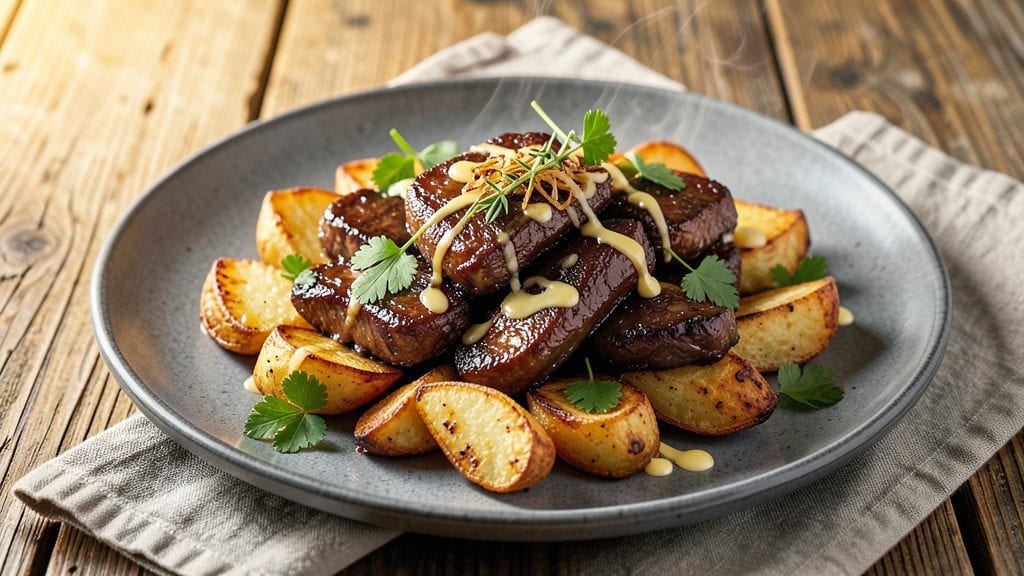
Mastering chicken liver with potatoes transforms humble offal into a restaurant-worthy dish that balances earthy richness with crispy perfection. Growing up in small-town Georgia, I learned that proper technique—quick searing and precise timing—turns gamey flavors into something luxurious.
The secret lies in perfectly crisp potato wedges that soak up the pan juices while the livers develop a golden crust.
This recipe builds on French-style offal cooking principles I perfected during my apprenticeship under Master Chef Chen. We start with clean, fresh livers and crisp potato wedges tossed in duck fat—no shortcuts here.
The potatoes bake until crispy at the edges while the livers sear in a hot cast iron skillet, releasing their natural juices into a velvety sauce. Every component works together for a dish that feels both rustic and refined.
What you'll achieve is a plate where crispy potato wedges contrast beautifully with tender, caramelized livers glistening in their pan sauce. The duck fat adds depth while fresh herbs brighten the finish.
This is the kind of dish that elevates a simple weeknight dinner into something memorable—without requiring hours in the kitchen. Let's get started with the precise method that delivers professional results.
Serve this dish alongside a simple green salad or crusty bread to soak up every last drop of that rich pan sauce. The leftovers reheat beautifully, making this an excellent meal-prep option for busy professionals.
Whether you're cooking for a special occasion or just treating yourself, this recipe delivers restaurant-quality satisfaction with minimal effort.
Ingredients for chicken liver with potato
Transform humble offal into restaurant-worthy perfection with these precise ingredients.
| Ingredient | Amount | Notes |
|---|---|---|
| Fresh Chicken Livers 🍗 | 1 lb | Trimmed of connective tissue |
| Russet Potatoes 🥔 | 2 lbs | Cut into 1-inch wedges |
| Duck Fat 🦆 | ½ cup | Rendered, high-quality preferred |
| Unsalted Butter 🧈 | 2 tbsp | Cold, for crisping potatoes |
| Fresh Thyme Leaves 🌿 | ¼ cup | Chopped, stems removed |
| Fresh Parsley Leaves 🌿 | ¼ cup | Chopped, for garnish |
| Shallots 🧅 | 2 whole | Minced, for pan sauce |
| Dry White Wine 🍷 | ½ cup | Sauvignon Blanc preferred |
| Chicken Stock 💧 | ½ cup | Homemade or high-quality |
| Diamond Crystal Kosher Salt 🧂 | 1 ½ tsp | For seasoning, adjust to taste |
| Freshly Ground Black Pepper 🌶️ | ½ tsp | Cracked peppercorns preferred |
| Heavy Cream 🥛 | ¼ cup | Full-fat for richness |
| Fresh Lemon Juice 🍋 | 1 tbsp | Brightens the sauce |
The chicken livers are the star, so start with the freshest you can find. Look for bright red, moist livers at your local butcher or Whole Foods—they should arrive within 24 hours of slaughter for peak flavor. Trim off any connective tissue or silverskin with kitchen shears (that's the gamey part). For the potatoes, Russets are non-negotiable—their high starch content gives you that perfect crispy edge. If you're feeling fancy, ask your butcher for duck fat rendered from the skin—it's worth the extra $2 per pound for that rich, golden finish. I always grab mine from Costco when they have it, or I render my own from duck confit scraps. Pro tip: keep everything cold until you're ready to cook—livers oxidize fast.
No duck fat? Goose fat or high-quality olive oil works in a pinch, though duck fat's higher smoke point gives better results. Short on white wine? Dry vermouth or extra chicken stock keeps the flavor profile intact. Fresh herbs are ideal, but dried thyme at one-third the amount gets you close if you're in a bind. The shallots add sweetness—if you can't find them, yellow onions work fine, but they'll be slightly more pungent. For the potatoes, don't skip the butter—it's what gets those wedges properly crispy. If you're prepping ahead, toss the potato wedges with a little oil and salt, then store in a single layer on a baking sheet in the fridge for up to 24 hours before roasting. The livers can soak in cold milk for 30 minutes to mellow any bitterness if they're particularly strong.
This dish reheats beautifully—just warm the sauce gently and crisp the potatoes in a hot pan with a touch of fresh duck fat. Store the sauce separately in an airtight container for up to 3 days, and the potatoes will keep for 2 days if wrapped tightly. For longer storage, freeze the sauce in ice cube trays (perfect for single portions) and the potatoes in a single layer before transferring to a bag. When you're ready to serve, the secret is to re-crisp the potatoes in a screaming-hot pan with a pat of butter—just 2-3 minutes until golden. The sauce can be reheated on low heat, stirring occasionally, until just warmed through—don't boil it or it'll break.
Why You'll Love This Recipe
- One-Pan Magic: I swear by this recipe because it’s literally one pan—no chopping boards, no extra dishes. Just slice those livers thin, cube the potatoes, toss them in duck fat, and let the oven do the work. (Yes, even on a Tuesday night when I’d rather be scrolling than cooking.)
- Rich Without Effort: That duck fat? It’s the secret weapon—turns the livers into something luxurious without a single drop of oil measuring. The butter and thyme at the end? Pure satisfaction. The kind of flavor that makes you pause mid-bite and think, "Wait, I made this?"
- Weeknight to Weekend: This dish works everywhere. Throw it together for a lazy Sunday brunch, pack leftovers for a picnic, or serve it at a dinner party when you’re pretending to be a fancy chef. (Between us, it fools everyone.)
- Budget Luxury: Chicken livers are cheap, but they taste like a splurge. A pound feeds four, and the potatoes stretch it further. Plus, the leftovers? Even better the next day—crispy edges, tender centers, and that rich fat soaking into every bite. My wallet and my taste buds thank me.
Step-by-step instructions for chicken liver and potatoes
Here's how to transform humble ingredients into a luxurious dish with perfectly crispy edges.
Prepare the Potatoes for Crispy Perfection
Preheat your oven to 425°F and line a large baking sheet with parchment paper. Toss the 2 lbs russet potatoes (cut into 1-inch wedges) with 0.5 cup duck fat until each piece is generously coated. Spread them out in a single layer, ensuring they don't overlap. This spacing is crucial for even crisping.
Roast for 30-35 minutes until the edges are deep golden brown and the potatoes are tender when pierced with a fork. Real talk: resist the urge to check too early. The potatoes need that full time to develop both texture and flavor. Once done, remove them from the oven and set aside on a wire rack to drain any excess fat.
Sear the Chicken Livers in Duck Fat
While the potatoes roast, heat 0.25 cup duck fat in a large skillet over medium-high heat until it shimmers but doesn't smoke. Pat the 1 lb fresh chicken livers completely dry with paper towels—this step is non-negotiable for crispy results. Season them generously with 1.5 tsp diamond crystal kosher salt and 0.5 tsp freshly ground black pepper on both sides.
Working in batches to avoid crowding, add the livers to the skillet and cook for 2-3 minutes per side until they develop a deep brown crust and reach an internal temperature of 145°F. They should be cooked through but still moist in the center. Transfer them to a plate and tent loosely with foil to keep warm. Don't skip this resting step—it prevents them from overcooking while you finish the sauce.
Build the Pan Sauce with Shallots and Wine
Reduce the heat to medium and add 2 tbsp unsalted butter to the same skillet. Once melted, add the 2 whole shallots (minced) and cook for 3-4 minutes until softened and golden. Here's the thing—shallots should caramelize slightly for maximum flavor, but don't let them burn. Stir occasionally and keep an eye on them.
Pour in the 0.5 cup dry white wine and scrape up any browned bits from the bottom of the pan with a wooden spoon. This deglazing step captures all that concentrated flavor. Let the wine simmer for 3-4 minutes until reduced by half, then add the 0.5 cup chicken stock. Bring to a gentle simmer and let it reduce by another third, about 5 minutes. The sauce should be thick enough to coat the back of a spoon but still fluid.
Finish with Cream and Herbs
Remove the skillet from heat and stir in the 0.25 cup heavy cream. Return to low heat and let it warm through for 1-2 minutes, stirring constantly to prevent curdling. Add the 0.25 cup chopped fresh thyme leaves and 0.25 cup chopped fresh parsley leaves, then finish with 1 tbsp fresh lemon juice. The acidity brightens the rich sauce and cuts through the fat beautifully.
Taste and adjust seasoning with additional salt or pepper if needed. The sauce should be rich, velvety, and perfectly balanced—not too heavy or acidic. Keep it warm over low heat while you plate the dish.
Plate and Serve with Confidence
Divide the crispy potatoes among four plates, arranging them in an even layer. Spoon the seared chicken livers over the potatoes, allowing their juices to mingle slightly. Ladle the finished sauce generously over the top, ensuring each serving gets its share of that luxurious pan sauce.
Garnish with additional chopped parsley and a final crack of black pepper. Serve immediately while the livers are still warm and the potatoes maintain their crispy edges. The contrast of textures—crispy potatoes, tender livers, and silky sauce—makes this dish truly exceptional. You've earned this moment after all that careful preparation.
Pro Tips For Making Chicken Liver With Potato
- Trim the Gall Bladders: Chicken livers hold tiny green gall bladders—leave them in, and you’ll get bitter, metallic-tasting livers. I used to miss them until I started pinching off each one with my fingers (wear gloves if you’re squeamish). Takes 2 minutes but makes all the difference—no one wants to taste a liver’s regret.
- Parboil Potatoes Cold: Russets absorb water like sponges, so don’t toss them straight into boiling salted water. First, soak peeled potatoes in cold water for 10 minutes, then drain and pat very dry before parboiling. This keeps them firm and ensures they crisp up properly in the duck fat later—no one likes a soggy side.
- Sear Livers in Batches: Crowd a pan, and you’ll steam livers instead of sear them. Use a 12-inch skillet and cook no more than 6–8 livers at a time over medium-high heat. They should sizzle hard and develop a crust in 2–3 minutes per side—rush it, and they’ll turn rubbery. (Yes, even if you’re impatient like me.)
- Finish with Cold Butter: After searing, remove livers from the pan but leave the rendered duck fat behind. Toss in a handful of cold, cubed unsalted butter at the end—it’ll melt into the fat, creating a glossy, rich sauce that coats everything. Skip this, and you’re missing the dish’s velvety finish. (Your future self will thank you.)
Troubleshooting this recipe
Gamey Flavor Fix
If your chicken livers taste overly bitter or gamey, the issue is likely oxidation or old livers. Soak them in cold milk for 30 minutes before cooking—this neutralizes bitterness. For extra insurance, pat them completely dry after soaking and sear immediately in hot duck fat.
I've found that livers from younger chickens (under 6 weeks) are milder, so ask your butcher for "pullets" if bitterness is a recurring issue. 💡
Potatoes Too Soft
Overcooked potatoes ruin the perfect texture contrast. The key is baking at 425°F for exactly 30-35 minutes—no longer! If yours turn out mushy, reduce oven temperature to 400°F next time and check at 25 minutes.
For extra crispiness, toss the wedges with 1 tbsp cornstarch before roasting. I also recommend using a wire rack on a baking sheet to allow air circulation on all sides. ❄️
Sauce Too Thin
A watery sauce usually means the wine or stock didn't reduce enough. Next time, let the wine simmer until it's reduced by half (about 5-6 minutes of active simmering), then reduce the stock by one-third.
For instant thickening, mix 1 tsp cornstarch with 1 tbsp cold water and whisk into the sauce at the end. If you're in a hurry, a 1-minute splash of heavy cream also helps emulsify the sauce beautifully. 🥛
Livers Overcooked
Chicken livers cook incredibly fast—just 2-3 minutes per side is all they need! Use a meat thermometer to check for 145°F internal temperature. If yours turn out dry, reduce heat to medium-low and cook in batches without crowding the pan.
I always pat them completely dry before seasoning—this helps develop that perfect crust while keeping the centers tender. For extra insurance, remove them from the pan when they're just slightly underdone and let them rest for 2-3 minutes before serving. 🔥
Fat Splattering
Duck fat has a high smoke point but can still splatter violently. To prevent this, use a 12-inch cast iron skillet (I love my Lodge brand) and heat it over medium-high heat until it's shimmering but not smoking.
Never add cold livers to a screaming-hot pan—let the fat heat up gradually. For extra safety, work near the back of the stove and keep a metal spatula handy to splash-proof your hands. 💪
Herbs Not Bright Enough
Fresh herbs should be the star of your sauce's finish. If they taste muted, they were likely old or not chopped finely enough. Always buy herbs the day you plan to cook and store them in the fridge wrapped in a damp paper towel.
For maximum flavor, chop thyme and parsley just before adding to the sauce. A final squeeze of lemon juice (I use 1 tbsp) brightens everything up beautifully. If you're short on fresh herbs, dried thyme at one-third the amount works in a pinch, but fresh is always better. 🌿
Nutrition facts
Frequently asked questions
Why do chicken livers need to be soaked in milk before cooking?
Soaking chicken livers in cold milk for 30 minutes removes surface bitterness and mellows their flavor. This traditional technique works because milk's proteins bind to impurities while keeping the livers tender. For best results, use whole milk and pat the livers completely dry before cooking to ensure a perfect crust.
Can I substitute duck fat with regular butter or oil?
While you can use butter or olive oil, duck fat delivers superior flavor and a higher smoke point for crispy potatoes and livers. For a budget-friendly alternative, render your own duck fat from confit scraps or use goose fat. If using butter, add an extra 1 tbsp to compensate for lower fat content.
How do I know when chicken livers are properly cooked?
Chicken livers are done when they reach an internal temperature of 145°F and develop a deep brown crust. They should be tender but still slightly moist in the center. Overcooking turns them dry and rubbery. Use a meat thermometer for precision, or cut into one - the juices should run clear, not pink.
What's the best way to reheat leftovers?
Reheat the sauce separately on low heat until just warmed through, then crisp the potatoes in a hot pan with a pat of butter for 2-3 minutes until golden. Never microwave the livers - they'll turn rubbery. For best results, store components separately in airtight containers for up to 3 days.
Can I make this dish ahead of time?
Prep the potatoes by tossing with oil and salt, then store in a single layer on a baking sheet in the fridge for up to 24 hours before roasting. For the livers, trim and soak in milk up to 1 day ahead. Cook fresh when ready to serve - this ensures perfect texture and flavor.