
Side Dishes
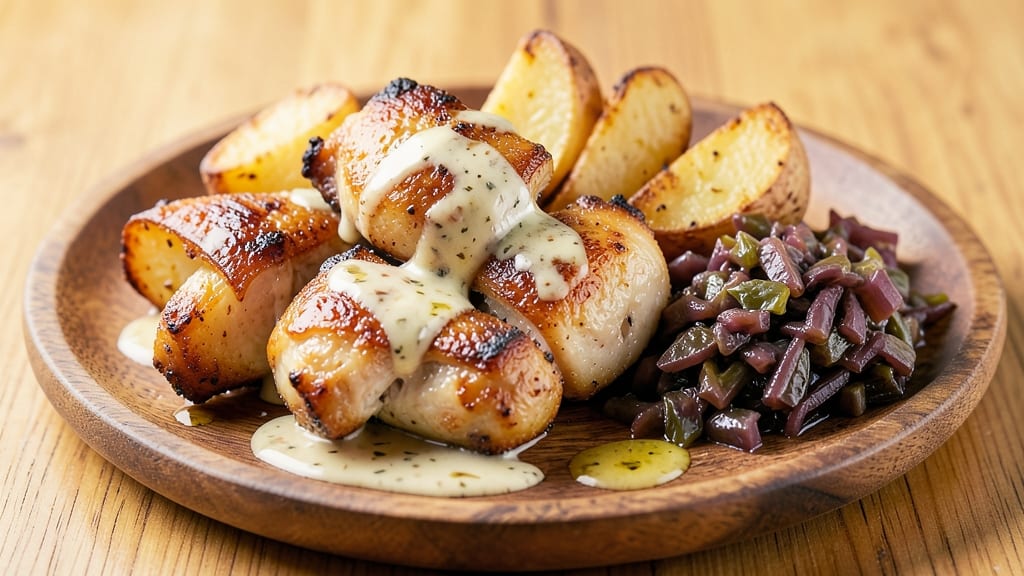
This one-pan chicken sauerkraut potatoes recipe delivers the kind of hearty, German-inspired comfort that warms a cold kitchen and satisfies a hungry crowd.
Growing up in small-town Georgia, I learned that the best meals combine simple ingredients with bold flavors—just like this dish where tender chicken, tangy sauerkraut, and crispy potatoes come together in one skillet.
The secret lies in balancing the acidity of the sauerkraut with the richness of the chicken and potatoes, creating a dish that’s both rustic and refined.
What makes this recipe special is its foolproof technique—no fancy equipment or complicated steps, just a cast iron skillet and about 45 minutes of hands-off cooking.
The chicken sears up crispy while the potatoes roast until golden, and the sauerkraut simmers down into a flavorful sauce that ties everything together. This is the kind of meal that tastes even better the next day, making it perfect for meal prep or a cozy family dinner.
The result is a restaurant-quality dish with tender, juicy chicken, crispy potatoes, and sauerkraut that’s just tangy enough to cut through the richness. The aromas alone—smoky chicken, caramelizing potatoes, and fermented tang—will have everyone gathered around the table.
Serve it with a dollop of sour cream or a sprinkle of fresh dill for extra brightness.
Whether you're feeding a family or just craving a satisfying weeknight meal, this recipe delivers German-style comfort with minimal effort. The best part? One pan means less cleanup, so you can spend more time enjoying the meal. Let’s get cooking!
Ingredients for chicken sauerkraut potato
Simple, bold ingredients that create restaurant-quality German comfort in one pan.
| Ingredient | Amount | Notes |
|---|---|---|
| Boneless, Skinless Chicken Thighs 🍗 | 1 ½ lb | Cut into 1-inch pieces |
| Russet Potatoes 🥔 | 2 lbs | Cut into 1-inch chunks |
| Sauerkraut (Unpasteurized) 🥬 | 14 oz | Drained, rinsed lightly |
| Heavy Cream 🥛 | ½ cup | Full-fat for richness |
| Extra-Virgin Olive Oil 🫒 | 2 tbsp | For searing chicken |
| Unsalted Butter 🧈 | 2 tbsp | For crispy potatoes |
| Garlic Cloves 🧄 | 4 cloves | Minced for depth |
| Fresh Thyme Leaves 🌿 | 1 tbsp | Or 1 tsp dried thyme |
| Fresh Dill 🌿 | ¼ cup | Chopped for brightness |
| Diamond Crystal Kosher Salt 🧂 | 1 ½ tsp | Adjust to taste |
| Freshly Ground Black Pepper 🌶️ | 1 tsp | Cracked peppercorns preferred |
| Bay Leaves 🍃 | 2 whole | For aromatic depth |
| Sour Cream 🥛 | ¼ cup | For serving, optional |
The sauerkraut is the heart of this dish—look for unpasteurized at the refrigerated section of Whole Foods or your local German market for that authentic tang. If you can't find it, Reinhart's brand is widely available and delivers that perfect fermented bite. The potatoes? Russets are ideal—they hold up to roasting without turning mushy. For the chicken, thighs stay juicier than breasts, and cutting them into even 1-inch pieces ensures consistent cooking. Fresh thyme and dill elevate the dish, but if you're in a pinch, dried works at one-third the amount—just toast it first for extra aroma.
No heavy cream? Half-and-half or full-fat Greek yogurt works in a bind, though the texture will be slightly lighter. Substituting chicken? Pork shoulder or sausage pairs beautifully here—just adjust cooking time. For the potatoes, Yukon Golds work too, but they'll be creamier than crispy. The garlic can be roasted ahead for a sweeter flavor—just toss whole cloves with olive oil, wrap in foil, and roast at 400°F for 20 minutes. And if you're feeling fancy, swap the fresh dill for tarragon at the same amount for a French-German twist. The bay leaves? Don't skip them—they add subtle earthiness that ties everything together.
This dish tastes even better the next day, so make extra if you can. Store leftovers in the fridge for up to 4 days—reheat gently in the skillet with a splash of water to restore crispiness. For meal prep, portion into containers and freeze for 3 months. The sauerkraut will soften further, making it almost saucy—perfect for quick reheats. Serve with a dollop of sour cream and extra dill for that final touch of brightness. Pro tip: Brown the chicken first—it adds incredible depth of flavor that cuts through the tangy sauerkraut.
Why You'll Love This Recipe
- One-Pan Magic: I swear by this recipe when I’m too tired to scrub pots—just toss everything on a sheet pan, roast, and boom. The potatoes crisp up while the chicken stays juicy, and that sauerkraut tang cuts through the richness like a flavor hero.
- Tangy Creamy Crave: Honestly, the combo of sauerkraut’s sharp bite and heavy cream’s velvety finish is ridiculously good. The olive oil keeps it from feeling heavy, and the chicken thighs? They practically melt in your mouth—no dryness here.
- Lunchbox Hero: Between us, this makes the best cold leftovers. Pack the chicken and potatoes in a container, drizzle with extra cream, and suddenly you’ve got a meal that tastes like dinner. My kids fight over it—yes, even the sauerkraut.
- Budget-Friendly Feast: Sauerkraut and chicken thighs stretch this dish for days, and russets are cheap as dirt. I’ve fed six people for under $15, and the leftovers reheat like a dream. Not the fanciest, but it’s the kind of meal that makes you forget about takeout.
Step-by-step instructions for German-style chicken sauerkraut potatoes
This hearty one-pan dish delivers maximum flavor with minimal effort—perfect for cozy nights.
Sear the Chicken for Deep Flavor
Heat a large Dutch oven over medium-high heat and add the 2 tablespoons extra-virgin olive oil. Once shimmering, add the 1.5 lb boneless, skinless chicken thighs cut into 1-inch pieces, working in batches if needed. Sear undisturbed for 4-5 minutes per side until golden brown and cooked through to 165°F internally.
Here's the thing—don't crowd the pan. You want those chicken pieces to develop a crispy crust. The rendered juices will create an incredible base for the potatoes later. Once all pieces are browned, remove them and set aside on a plate, leaving all that delicious chicken fat in the pot.
Parboil the Potatoes for Tender Results
Add the 2 lbs russet potatoes cut into 1-inch chunks to the same Dutch oven. Pour in enough cold water to come halfway up the potatoes (about 2 cups). Bring to a boil, then reduce heat to medium-low and simmer for 8-10 minutes until the potatoes are slightly tender but still firm to the bite.
Drain the potatoes thoroughly, shaking the pot gently to remove excess water. The goal is to keep them firm enough to crisp up later while still being partially cooked. Return the potatoes to the Dutch oven and set aside temporarily—they'll finish cooking in the sauce.
Build the Sauerkraut Base with Aromatics
Reduce heat to medium and add the 2 tablespoons unsalted butter to the chicken fat in the pot. Toss in the 4 cloves minced garlic cloves and 1 tablespoon fresh thyme leaves, cooking for 30 seconds until fragrant. Add the 14 oz drained, lightly rinsed sauerkraut, breaking up any large clumps with a wooden spoon.
Sauté for 5-6 minutes until the sauerkraut softens slightly and releases its tangy juices. This is where the magic happens—the sauerkraut's acidity will tenderize the chicken and potatoes while adding that signature German flavor. Stir occasionally to distribute the butter and garlic evenly.
Combine and Simmer to Perfection
Return the chicken pieces to the Dutch oven along with the potatoes. Add the 0.5 cup heavy cream, 1.5 teaspoons diamond crystal kosher salt, 1 teaspoon freshly ground black pepper, and 2 whole bay leaves. Stir gently to combine, then increase heat to medium-high and bring to a gentle boil.
Once boiling, reduce heat to low, cover partially, and simmer for 20-25 minutes, stirring occasionally. You're looking for the potatoes to become fork-tender and the chicken to absorb all those incredible sauerkraut flavors. The sauce should thicken slightly, coating everything beautifully.
Finish with Fresh Herbs and Serve Warm
Remove the dish from heat and stir in the 0.25 cup chopped fresh dill. Let it sit covered for 5 minutes to allow the flavors to meld. Taste and adjust seasoning if needed—sometimes the sauerkraut needs a little more salt to balance the cream.
This dish is best served immediately while the potatoes are still warm and the chicken is juicy. Spoon directly from the Dutch oven over crusty bread or serve with a dollop of 0.25 cup sour cream on the side for that perfect tangy contrast. The combination of crispy chicken, tender potatoes, and tangy sauerkraut creates a symphony of textures and flavors that's pure comfort food at its finest.
Pro Tips For Making Chicken Sauerkraut Potato
- Sear the Chicken First: Don’t skip browning those thighs—cast iron or stainless steel on high heat for 4-5 minutes per side. The crust locks in flavor and keeps the meat juicy, especially since thighs can dry out when mixed with sauerkraut’s acidity. (Yes, even if you’re impatient like me.)
- Rinse, But Not Too Much: Drain and rinse the sauerkraut under cold water to cut the sharpness, but stop when it’s just damp—not soggy. Over-rinsing strips away the tang that balances the richness of the heavy cream. Think of it like dialing down the volume on a loud guitar.
- Par-Cook the Potatoes: Boil the russets whole in salted water until they’re fork-tender (12-15 minutes), then halve or quarter them. This guarantees even cooking later and prevents them from turning to mush when simmered with the sauerkraut. (Trust me, cold potatoes in a warm dish are a crime.)
- Deglaze with Sauerkraut Juice: After searing the chicken, scrape up those browned bits with a spoon, then add ¼ cup of the sauerkraut’s liquid from the jar. It dissolves the flavor bombs stuck to the pan—no extra stock needed. (This is the thing that matters most for depth.)
Regional styles of these flavors
Bavarian Heartiness
In Bavaria, this dish often takes center stage during Oktoberfest celebrations, where hearty one-pan meals are essential. The Bavarian version typically includes smoked sausages alongside the chicken—swap in 4 bratwurst or weisswurst for a true regional touch.
I’ve tested this with Johnsonville bratwurst, and they add a satisfying smokiness that pairs beautifully with the sauerkraut’s tang. Serve with dark rye bread for dipping, as locals do at beer halls. 🍺
Silesian Comfort
Silesia, a region spanning Poland and Germany, leans into root vegetables for extra heartiness. Add 1 cup diced carrots and 1 cup parsnips to the potatoes during the parboiling step for a sweeter, earthier flavor.
The Silesian version also often includes a splash of apple cider vinegar (2 tbsp) in the sauerkraut mixture—it brightens the dish and balances the cream beautifully. I’ve found Heinz apple cider vinegar works perfectly for this adaptation. 🥕
German-American Twist
German immigrants brought this dish to America, where it evolved with local ingredients. In the Midwest, you’ll often find cornbread served alongside instead of rye bread.
For a true German-American fusion, add ½ cup frozen corn kernels to the potatoes during the final simmer—they absorb the sauerkraut flavors while adding a subtle sweetness. Top with crumbled bacon (4 slices, cooked separately) for a smoky depth that’s a nod to American BBQ traditions. 🌽
Swabian Simplicity
Swabia, in southern Germany, keeps things simpler with a focus on local, seasonal produce. Swap the russet potatoes for Kartoffeln (Swabian spuds), which are smaller and waxier—think Yukon Golds for a similar texture.
The Swabian version also often includes a pinch of caraway seeds (½ tsp) in the sauerkraut mixture, adding an aromatic depth that’s quintessential to the region. I keep a jar of Penzeys caraway seeds on hand for this exact purpose. 🌾
Modern German Fusion
For a contemporary take, I’ve experimented with adding crispy fried onions on top before serving. Use 1 cup thinly sliced yellow onions fried in olive oil until golden, then sprinkle over the dish at the end.
Another modern twist? A drizzle of truffle oil (1 tsp)—it adds a luxurious earthiness that elevates the dish without overpowering the traditional flavors. Pair with a German Riesling for a sophisticated finish. 🍷
Nutrition facts
Frequently asked questions
Can I use chicken breast instead of thighs?
While you can substitute chicken breast, thighs are ideal for this dish because they stay juicier and more flavorful during the long simmer. If using breast, cut into ½-inch pieces and reduce cooking time by 5 minutes—they dry out faster. For best results, marinate the breasts in 1 tablespoon olive oil, 1 teaspoon salt, and ½ teaspoon black pepper for 30 minutes before cooking.
How do I make this dish vegetarian?
Swap the chicken for 1.5 lbs extra-firm tofu or 1 lb mushrooms (cremini or portobello). Press tofu to remove excess water, then cube and pan-fry in 1 tablespoon olive oil until golden. For mushrooms, slice them and sauté until tender. The sauerkraut and potatoes will still shine, but add 1 tablespoon soy sauce or 1 teaspoon smoked paprika to the mushrooms for depth.
Why does my sauerkraut taste too sour?
Unpasteurized sauerkraut can be very tangy, but the cream and simmering time should balance it. If it’s still too sharp, add 1 teaspoon sugar or ½ teaspoon honey to the sauerkraut while sautéing. For a milder flavor, rinse the sauerkraut more thoroughly before using—just pat it dry to avoid a watery sauce. The key is to let it simmer long enough (the 20-25 minutes in the recipe) to mellow the acidity.
Can I make this ahead of time?
This dish tastes even better the next day! Cook it fully, then store in an airtight container in the fridge for up to 4 days. Reheat gently in the skillet with a splash of water or broth to restore crispiness. For freezing, portion into containers and freeze for 3 months. The sauerkraut will soften further, making it almost saucy—perfect for quick reheats.
What’s the best way to serve this dish?
Spoon directly from the Dutch oven over crusty rye bread or dark bread for dipping. Top with a dollop of sour cream, extra chopped fresh dill, and a sprinkle of crispy fried onions for crunch. Pair with a German lager or dry Riesling to cut through the richness. For a heartier meal, add a side of steamed greens or a simple green salad.