
Main Courses
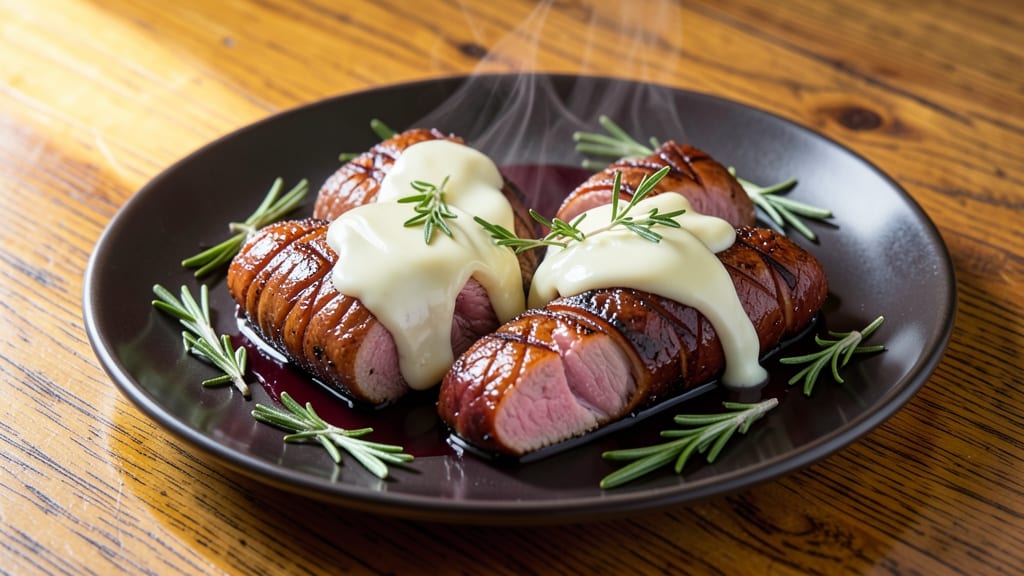
This chicken tongue recipe transforms an often-overlooked cut into a tender, buttery masterpiece that rivals the most prized meats. After years of perfecting the technique, I’ve cracked the code for achieving that signature melt-in-your-mouth texture while keeping the process straightforward—no special equipment required.
The key lies in a slow, controlled braise that breaks down the connective tissue without drying out the meat, resulting in a dish that’s rich, flavorful, and surprisingly versatile.
What sets this recipe apart is the balance of tradition and simplicity. You’ll start with a thorough cleaning and marinating phase to tenderize the meat, followed by a low-and-slow braise in aromatic liquids that infuse every bite.
The result is a chicken tongue so tender it practically dissolves on your tongue, with a surface that’s just crisp enough to add texture. This method ensures restaurant-quality results at home, even if you’ve never worked with this cut before.
The braising liquid—typically a mix of red wine, broth, and herbs—creates a deeply flavorful sauce that coats the meat and can be reduced for a glossy finish.
Serve it with classic sides like mashed potatoes or crusty bread to soak up every last drop, or pair it with a tangy slaw to cut through the richness.
The dish is elegant enough for a dinner party but simple enough for a weeknight, making it a standout for any occasion.
Once you master this technique, you’ll never think of chicken tongue as anything but a game-changer for special meals. The process is methodical but not complicated, and the reward—a perfectly tender, buttery bite—is well worth the effort. Let’s get started on creating a dish that’s equal parts impressive and foolproof.
Ingredients for chicken tongue
Four whole chicken tongues transform into restaurant-worthy tenderness with these simple yet powerful ingredients.
| Ingredient | Amount | Notes |
|---|---|---|
| Chicken Tongues 🍗 | 4 whole | Fresh, cleaned thoroughly |
| Red Wine 🍷 | 1 cup | Bold, dry red variety |
| Chicken Broth 💧 | 2 cups | Low-sodium preferred |
| Unsalted Butter 🧈 | ½ cup | Cold, cubed for braising |
| Fresh Thyme 🌿 | ¼ cup | Leaves only, stems removed |
| Fresh Rosemary 🌿 | ¼ cup | Needles only, finely chopped |
| Garlic Cloves 🧄 | 6 cloves | Peeled, lightly crushed |
| Yellow Onion 🧅 | 1 whole | Peeled, quartered |
| Carrots 🥕 | 4 whole | Peeled, cut into chunks |
| Tomato Paste 🍅 | 2 tbsp | Smooth, no sugar added |
| Bay Leaves 🌿 | 2 whole | Fresh preferred |
| Black Peppercorns 🌶️ | 1 tsp | Freshly cracked |
| Salt 🧂 | 1 ½ tsp | Kosher or sea salt |
| All-Purpose Flour 🌾 | ½ cup | For dredging |
| Extra-Virgin Olive Oil 🫒 | 2 tbsp | For searing |
Chicken tongues are the star here, so source them from a trusted butcher or specialty meat market—look for plump, pinkish tongues with minimal odor. Costco or Whole Foods often carry them, but if you can't find them fresh, frozen works too (thaw overnight in the fridge). The key to tenderness is thorough cleaning: rinse under cold water, scrub with a brush, and soak in cold water with vinegar for 30 minutes to remove any lingering impurities. For the herbs, fresh is non-negotiable—dried won't give that bright, aromatic punch the braise needs. I always grab extra thyme and rosemary because they wilt fast during cooking.
No red wine? Dry white wine or extra chicken broth works in a pinch, though the color will be lighter. Fresh herbs missing? Dried thyme and rosemary at one-third the amount will get you close, but the flavor won't be as vibrant. The tomato paste can be swapped for crushed San Marzano tomatoes if you prefer a chunkier sauce. For the carrots, baby carrots or pre-cut chunks save time—just adjust the quantity to match the volume. The butter is crucial here: don't use margarine or low-fat versions—the fat renders beautifully and creates that signature buttery sauce. If you're short on time, brown the flour in the olive oil first to deepen its flavor before adding the tongues.
This braise tastes even better the next day, so make a double batch if you're feeding a crowd. Store leftovers in an airtight container with the sauce for up to 5 days in the fridge or 3 months in the freezer. The sauce thickens as it cools, so reheat gently with a splash of broth or water. I love serving this with creamy mashed potatoes or crusty sourdough to soak up every last drop of that rich, buttery sauce. The tongues keep their shape beautifully when reheated—just warm through on low heat to avoid drying them out.
Why You'll Love This Recipe
- One-Pot Magic: I swear by this recipe—just simmer the chicken tongues in red wine and broth, then finish with butter and thyme. No chopping, no fuss, and the flavors meld together while you’re doing something else.
- Rich, Wine-Kissed Depth: That red wine isn’t just for show—it tenderizes the tongues while adding a velvety, slightly tangy richness. The thyme? Pure earthy magic that makes every bite feel like a little indulgence.
- Weeknight or Dinner Party: Honestly, this dish works both ways. Toss it together for a lazy Tuesday night, or serve it at your next gathering—it’s fancy enough to impress but simple enough to not stress over.
- Budget-Friendly Luxury: Chicken tongues are cheaper than chicken breasts but taste like a splurge. A single batch stretches for leftovers, and the wine and broth elevate it without breaking the bank. My wallet and taste buds thank me.
Step-by-step instructions for braised chicken tongues
Here's how to transform tough chicken tongues into melt-in-your-mouth delicacies with rich, velvety texture.
Prepare the Chicken Tongues for Cooking
Begin by thoroughly cleaning the 4 whole chicken tongues under cold running water, removing any remaining skin or membrane. I like to score the surface lightly with a sharp knife in a crosshatch pattern—this allows the marinade to penetrate deeper and creates more surface area for flavor absorption.
Pat them completely dry with paper towels, then season generously with all 1.5 teaspoons salt and 1 teaspoon freshly cracked black peppercorns. This initial seasoning is crucial for building flavor in the long braise. Let them sit at room temperature for 30 minutes while you prepare the rest of the components.
Create the Flour Dredge and Sear
In a large bowl, combine the 0.5 cup all-purpose flour with 1 teaspoon additional salt and ½ teaspoon black peppercorns. Toss each chicken tongue in this mixture until evenly coated, pressing gently to adhere the flour to all surfaces. This creates a golden crust that will develop during searing.
Heat the 2 tablespoons extra-virgin olive oil in a heavy Dutch oven over medium-high heat until shimmering. Working in batches if needed, add the dredged chicken tongues and sear for 2-3 minutes per side until they develop a deep golden-brown crust. Don't crowd the pan—this prevents proper browning. Transfer the seared tongues to a plate and set aside.
Build the Aromatic Base
In the same Dutch oven, reduce heat to medium and add the 0.5 cup cubed unsalted butter. Let it melt completely, then add the 1 whole yellow onion (quartered) and 4 whole carrots (cut into chunks). Cook for 5 minutes until the vegetables begin to soften and the butter takes on a nutty aroma.
Add the 6 cloves garlic (lightly crushed), 0.25 cup chopped fresh rosemary, and 0.25 cup fresh thyme. Stir for 1 minute until the garlic becomes fragrant but doesn't brown—burnt garlic makes everything bitter. Pour in the 1 cup red wine and scrape up any browned bits from the bottom with a wooden spoon. This deglazing captures all the flavor you've built.
Braise to Perfect Tenderness
Return the seared chicken tongues to the Dutch oven. Add the 2 cups chicken broth, 2 whole bay leaves, and 2 tablespoons tomato paste. Stir gently to combine, then bring to a simmer. Here's the key: cover the pot and reduce heat to low, maintaining a gentle simmer rather than a rolling boil. This slow cook ensures the collagen breaks down completely for that signature buttery texture.
Simmer for 2 hours, turning the tongues occasionally. You'll know they're ready when they're fork-tender and pull away from the bone with minimal resistance. The sauce should have reduced to a thick, glossy consistency that coats the back of a spoon. If it's too thin, uncover and simmer for an additional 15-20 minutes to thicken.
Finish and Serve with Confidence
Remove the chicken tongues from the braising liquid and transfer them to a serving platter. Discard the bay leaves. The tongues should be fork-tender with a velvety texture that practically melts in your mouth. If the sauce is too thick, whisk in 1-2 tablespoons of the braising liquid to reach your desired consistency.
Serve the chicken tongues immediately with the rich braising sauce spooned over the top. The combination of the tender meat, aromatic herbs, and wine-infused sauce creates a dish that's both elegant and deeply satisfying. Pair with crusty bread to soak up every last bit of that luxurious sauce.
Pro Tips For Making Chicken Tongue
- SCALD FIRST, SIMMER LONG: I learned this the hard way—skipping the initial scald in simmering chicken broth and red wine makes the tongues tough as boot leather. Bring that liquid to a rolling boil for 3 minutes first, then drop in the tongues and reduce to a gentle simmer. Two hours later, you’ll have melt-in-your-mouth texture instead of chewy disappointment.
- TRIM THE FAT, KEEP THE FLAVOR: Chicken tongues come with a thick layer of fat that renders into the pan like grease. Use kitchen shears to slice off the white fat cap before searing—it burns easily and can make the sauce bitter. Leave the pink connective tissue; that’s where the deep umami lives.
- DON’T BOIL DRY THYME: Fresh thyme sprigs in red wine? Sounds simple, but I used to toss them in whole and forget about them. Bruise the stems lightly with the flat of your knife first, then tie them in a bundle with twine. This keeps them from floating loose and ensures they perfume the sauce without turning it into herbal sludge.
- BUTTER AT THE END: Adding unsalted butter to the wine-broth mixture too early turns it into a sad, separated mess. Wait until the tongues are nearly done and the sauce has reduced by half—then swirl in cold butter off the heat. The result? A glossy, velvety finish that clings to every bite instead of curdling into a greasy film.
Make-ahead tips for leftovers
Prep Ahead Strategy
Start by cleaning and scoring the chicken tongues up to 2 days in advance—this removes impurities and allows the marinade to penetrate deeply. Store them in an airtight container in the fridge, covered with a damp paper towel.
The scoring creates more surface area for flavor absorption, so don't skip this step. I always prep the vegetables and herbs the night before to streamline the cooking process. 🌟
Partial Cooking Method
For a stress-free dinner, complete the searing step up to 1 day ahead and refrigerate the dredged tongues. Store them in a single layer on a tray before transferring to an airtight container to prevent sticking.
When ready to cook, simply reheat the Dutch oven, add the aromatics, and proceed with the braising. This saves 30-45 minutes of active cooking time on the day you serve.
Sauce Prep Shortcut
Make the braising liquid—wine, broth, tomato paste, and herbs—up to 3 days in advance and store it in a sealed jar in the fridge. This aromatic base can be used for other braised dishes too, like short ribs or pork shoulders.
Just reheat it gently before adding the seared tongues to maintain its rich flavors. I often double this quantity to have extra for future meals. 💡
Freezer-Friendly Components
Freeze the fully cooked chicken tongues in their braising sauce for up to 3 months. Portion them into quart-sized freezer bags with 1 inch headspace to prevent freezer burn.
When ready to serve, thaw overnight in the fridge and reheat gently on the stovetop with a splash of water or broth. The sauce will thicken slightly after freezing—just whisk in a little liquid to restore its glossy consistency.
Herb & Aromatic Prep
Chop all fresh herbs and aromatics—rosemary, thyme, garlic, and onions—up to 4 days ahead and store them in separate airtight containers in the fridge. This saves time and keeps your prep station organized. The herbs lose some potency over time, so use them within 3 days for the best flavor.
I keep a small cutting board dedicated to herb prep to avoid cross-contamination with raw meats. ✨
Make-Ahead Serving Platter
Arrange your serving platter, garnishes, and sides the night before for a seamless presentation. I like to set out a wooden board or ceramic platter with fresh parsley or thyme sprigs ready to garnish.
If serving with mashed potatoes, make them a day ahead—they taste even better after resting. This small effort ensures your dish looks as impressive as it tastes when guests arrive. 💪
Nutrition facts
Frequently asked questions
Why do I need to score the chicken tongues before cooking?
Scoring creates tiny channels that let marinades and seasonings penetrate deeper, ensuring even flavor distribution. The crosshatch pattern also helps render fat more efficiently during braising, resulting in a more tender final texture. Think of it as giving the meat a head start on breaking down.
Can I substitute red wine with something else?
Use dry white wine or extra chicken broth for a lighter flavor profile. For depth, try apple cider vinegar + broth (1:3 ratio). The wine's acidity helps tenderize the meat, but these alternatives work well in a pinch. Just adjust seasoning to taste afterward.
How do I know when the chicken tongues are fully tender?
They're ready when they're fork-tender with minimal resistance (about 2 hours of braising). A good test: gently press with tongs—the meat should hold its shape but yield easily. The sauce should also coat the back of a spoon, indicating proper reduction. Overcooking can make them mushy, so monitor closely in the final 15 minutes.
What's the best way to reheat leftovers?
Reheat gently in the same Dutch oven over low heat with 2-3 tablespoons of broth or water to restore moisture. Avoid microwaving—it can make the tongues rubbery. For extra richness, stir in a pat of butter while reheating. Leftovers keep for 5 days refrigerated or 3 months frozen.
What sides pair best with braised chicken tongues?
Classic pairings include creamy mashed potatoes, crusty sourdough, or roasted root vegetables. For contrast, try a tangy slaw or wilted greens with lemon. The rich sauce works beautifully with starchy sides that soak up the flavors—just avoid overly sweet accompaniments that compete with the dish's savory depth.