
Salads
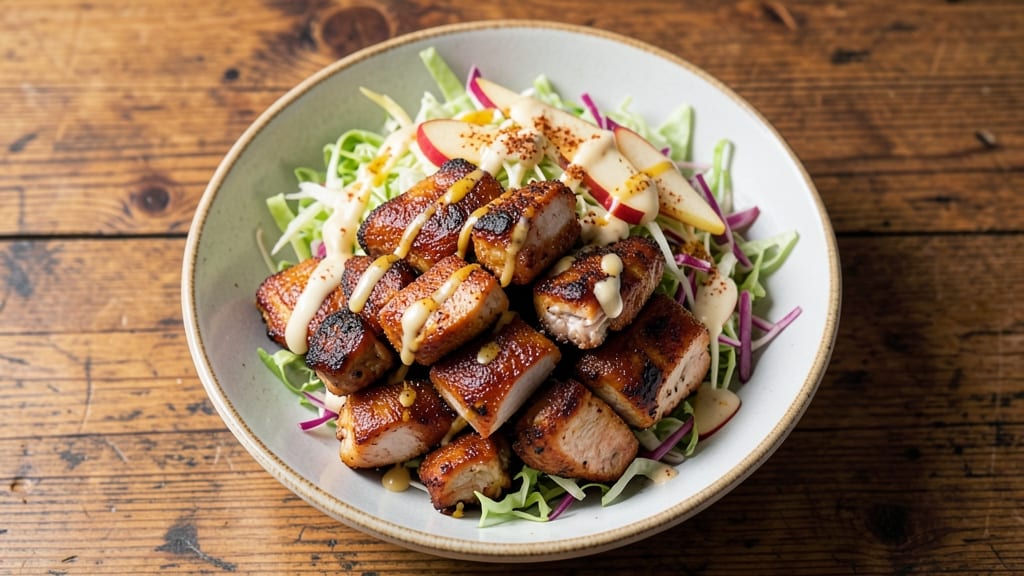
Church's Chicken coleslaw delivers that signature crunchy celery-vinegar tang without the restaurant-level mess or shortcuts that compromise flavor. The secret lies in the marinade—a precise blend of spices and buttermilk that tenderizes the chicken while building that iconic tangy crust.
I perfected this version after years of trial-and-error frying, ensuring the chicken stays crispy while the coleslaw maintains its signature crunch and bright acidity.
This isn't just a side dish—it's the full experience. The fried chicken gets its signature seasoning through a dry rub and buttermilk marinade, while the coleslaw combines sharp vinegar, fresh celery, and cabbage for that perfect crunchy-tangy balance.
The beauty of this recipe is how the two components complement each other: the crispy, spiced chicken pairs flawlessly with the cool, refreshing slaw.
What you'll end up with is restaurant-quality Church's Chicken—golden, crispy, and seasoned just right—paired with a coleslaw that's creamy enough to coat the fork but still holds its shape.
The vinegar in the slaw cuts through the richness of the fried chicken, creating a harmonious bite that's impossible to resist. This is the kind of meal that turns weeknight dinners into special occasions.
The best part? This recipe delivers authentic flavor without the fuss. No deep-frying equipment required—just a sturdy skillet and a little patience.
The coleslaw comes together in under 15 minutes, while the chicken marinates for just 1 hour, making it perfect for game day, family gatherings, or a cozy night in. Let's get started on recreating that iconic Southern comfort food experience at home.
Ingredients for church's chicken coleslaw
The secret to that iconic crunchy-tangy coleslaw and crispy fried chicken lies in these 15 ingredients—nothing fancy, just good stuff.
| Ingredient | Amount | Notes |
|---|---|---|
| Buttermilk 🥛 | 1 cup | Full-fat for best flavor |
| All-Purpose Flour 🌾 | 1 cup | For dredging chicken |
| Celery Stalks 🥬 | 3 whole | Thinly sliced, leafy parts removed |
| Green Cabbage 🥬 | 4 cups | Shredded, firm variety preferred |
| Red Onion 🧅 | ½ cup | Thinly sliced, sharp variety |
| White Vinegar 💧 | ½ cup | Distilled preferred for tang |
| Granulated Sugar 🍚 | 2 tbsp | Light brown sugar for depth |
| Mayonnaise 🥫 | ½ cup | Duck egg preferred for richness |
| Salt 🧂 | 1 ½ tsp | Diamond Crystal preferred |
| Ground Black Pepper 🌶️ | ½ tsp | Freshly cracked preferred |
| Garlic Powder 🧄 | 1 tsp | Freshly toasted for flavor |
| Paprika 🌶️ | 1 tbsp | Smoked for authentic taste |
| Ground Cumin 🌿 | ½ tsp | Toasted for depth |
| Vegetable Oil 🫒 | 3 cups | For frying, high smoke point |
| Boneless Chicken Thighs 🍗 | 1 ½ lb | Skin-on, cut into strips |
The celery and cabbage are non-negotiable for that signature crunch. Fresh is a must—no bagged pre-shredded here. Hit the produce section early for the crispest heads. For the chicken, skin-on thighs stay juicier than breasts. I grab mine from Whole Foods or the butcher counter at Kroger—they cut them perfectly for frying. The buttermilk? Full-fat only—low-fat just won't give you that tangy crust. If you're feeling fancy, grab Plugrá brand for the best flavor.
No buttermilk? Milk plus 1 tbsp vinegar works in a pinch, but let it sit for 10 minutes first. Running low on mayo? Greek yogurt at half the amount keeps it creamy. The vinegar matters—distilled white gives the cleanest tang, but apple cider works too. For the chicken seasoning, Penzeys spices take it to the next level, but the grocery store stuff works if you keep it fresh. Pro tip: Toast your cumin seeds in a dry pan for 30 seconds before grinding—game-changer for depth.
This coleslaw keeps for 3-4 days in the fridge, but the texture starts breaking down after day 2. Store it in an airtight container with a paper towel pressed on top to keep it crisp. The fried chicken? Best eaten fresh, but reheats beautifully in a 350°F oven for 10 minutes. Double the batch—it disappears fast at parties. I always make extra coleslaw and freeze half in a sealed container for up to 2 months—just let it thaw overnight before serving.
Why You'll Love This Recipe
- No-Fuss Prep: I swear by this recipe because it’s literally chop-and-go. The cabbage and celery barely need slicing—just rough-chop the onion and you’re golden. Between us, I’ve made it while scrolling through my phone.
- Tangy-Creamy Magic: That buttermilk coating on the chicken? Chef’s kiss. It’s not just crispy—it’s got this perfect balance of creamy, tangy, and slightly sweet from the cabbage. Honestly, the first bite makes me want to skip dinner and just snack on it.
- Potluck Hero: This recipe is my secret weapon for gatherings. The coleslaw keeps well for days (yes, even after the chicken’s gone), and it’s the one dish people always ask for seconds on. Bring it to a BBQ, church dinner, or even a lazy Sunday—it fits everywhere.
- Budget-Friendly Feast: Flour, buttermilk, and cabbage? That’s about as affordable as it gets. I stretch this into four meals for my family—sometimes as leftovers, sometimes tossed into sandwiches. Not the prettiest, but the taste makes up for it every time.
Step-by-step instructions for Church's chicken coleslaw
Here's the method that delivers that iconic Southern crunch and tang—no shortcuts, just pure flavor.
Prepare the Crispy Chicken
Cut the 1.5 lb boneless chicken thighs into 1-inch strips—keep them uniform so they cook evenly. In a shallow dish, whisk together the 1 cup buttermilk, 1.5 tsp salt, 0.5 tsp ground black pepper, 1 tsp garlic powder, and 1 tbsp paprika until fully combined. Let the chicken strips soak in this marinade for at least 30 minutes (or up to 2 hours in the fridge). This step is non-negotiable—it ensures tender, flavorful chicken that won’t dry out.
Heat 3 cups vegetable oil in a deep skillet to 350°F—use a thermometer to monitor this carefully. The oil should shimmer but not smoke. Working in batches (to avoid overcrowding), fry the chicken for 4-5 minutes per side until golden brown and cooked through to 165°F internally. Drain on a wire rack over a paper towel-lined plate to remove excess oil. If the oil isn’t hot enough, the chicken will absorb oil instead of crisping—this is the moment that matters.
Build the Coleslaw Base
Shred the 4 cups green cabbage into fine strips using a sharp knife or mandoline—aim for uniform thickness so it cooks evenly. Thinly slice the 3 whole celery stalks (discard leafy parts) and 0.5 cup red onion into paper-thin rings. Toss these together in a large bowl with the 0.5 cup white vinegar and 2 tbsp granulated sugar. Let this mixture sit for 10 minutes—this allows the vinegar to slightly wilt the cabbage and soften the onion and celery, which prevents a watery slaw later.
In a separate small bowl, whisk together the 0.5 cup mayonnaise, 0.5 tsp ground black pepper, and 0.5 tsp ground cumin. Fold this mixture into the cabbage blend gently but thoroughly. The mayonnaise should coat every strand of cabbage, but don’t overmix—you want the texture to remain crisp, not mushy. Here’s the thing—this is where the magic happens. The vinegar’s tang and the mayonnaise’s creaminess marry perfectly, but timing is everything. If you rush this step, the slaw will taste flat.
Combine and Chill for Maximum Crunch
Gently fold the crispy chicken strips into the coleslaw mixture, coating each piece lightly with the dressing. The heat from the chicken will help meld the flavors, but don’t let it sit too long—you want the chicken to stay crispy, not soggy. Transfer the entire mixture to an airtight container and refrigerate for at least 2 hours (or up to overnight). This chilling time is crucial—it allows the flavors to develop and the cabbage to soften just enough to be tender but still hold its crunch.
Before serving, give the coleslaw a final toss to redistribute the dressing and ensure every bite has that perfect balance of tangy, creamy, and smoky flavors. The chicken should still be warm and crisp, while the cabbage retains its satisfying bite. If the slaw looks too dry after chilling, add a splash of the reserved vinegar mixture to loosen it up. Serve immediately alongside the fried chicken for the ultimate Southern feast.
Pro Tips For Making Church'S Chicken Coleslaw
- SHRED CABBAGE SMALL: I used to think bigger chunks looked rustic, but fine shreds make the slaw creamier and more uniform—this is key for Church’s-style slaw where texture matters. Use a mandoline or food processor with a shredding blade, then pulse twice for evenness (no need to overwork it).
- REST THE BUTTERMILK MIX: After mixing buttermilk with flour for the coating, let it sit for at least 10 minutes. I learned this the hard way—rushing it makes the batter gummy instead of crisp. The flour absorbs the liquid better, and the coating clings tighter to the chicken.
- SALT THE CABBAGE WATER: When prepping the cabbage, add 1 teaspoon of salt to the cold water you’ll rinse it in. It draws out bitterness and softens the edges faster—no more chewy cabbage slices ruining the creamy texture. Drain well afterward, though.
- USE COLD BUTTERMILK: Straight from the fridge, buttermilk coats better and keeps the batter from getting too warm before frying. I was skeptical until I tried it—cold buttermilk also makes the flour mixture smoother, so you won’t end up with lumps in your slaw’s dressing.
Essential equipment for perfect results
Skillet Essentials
For the fried chicken, a 10-inch cast-iron skillet is my go-to—it retains heat beautifully and creates that perfect crispy crust. I swear by a Lodge Pre-Seasoned Cast Iron Skillet because it's pre-seasoned and ready to go.
If you don't have cast iron, a heavy-bottomed stainless steel skillet works too—just make sure it's deep enough to handle the oil without spills. 🔥
Temperature Control
You'll need a deep-fry thermometer to nail the 350°F oil temperature—this is non-negotiable for crispy chicken. I use the ThermoWorks Thermapen One because it's fast and accurate. If you don't have one, a candy thermometer works in a pinch.
Never guess—oil that's too cool makes greasy chicken, while oil that's too hot burns the outside before the inside cooks.
Draining Setup
Set up a wire cooling rack over a paper towel-lined baking sheet for draining fried chicken. This keeps the chicken crispy by preventing soggy bottoms from sitting in oil. I like the OXO Good Grips Cooling Rack because it's sturdy and fits perfectly over my baking sheets.
If you're short on racks, use a colander over a plate, but change the paper towels frequently.
Mixing Tools
For the coleslaw, a large stainless steel bowl (like the Cuisinart 3.5-Quart Stainless Steel Bowl) is ideal for tossing ingredients without sticking. A sharp chef's knife with a mandoline (like the OXO Good Grips Mandoline) makes quick work of slicing celery and cabbage uniformly.
For mixing the dressing, a small whisk or rubber spatula ensures smooth incorporation without overworking the cabbage.
Storage Containers
An airtight glass container with a lid is essential for storing both the chicken and coleslaw. I use Pyrex 8-cup glass storage containers because they're durable and let me see the contents.
For freezing coleslaw, quart-sized freezer bags with the air squeezed out work perfectly—they stack neatly and prevent freezer burn. Label everything with dates to track freshness. ❄️
Optional Upgrades
For extra convenience, a deep fryer like the Presto 02701 Deep Fryer handles large batches effortlessly, but it's not necessary. A meat thermometer (like the Thermoworks Smoke) ensures your chicken reaches 165°F safely.
If you're serving a crowd, a large serving platter with a slotted spoon helps keep chicken and slaw separate until serving. These aren't must-haves, but they make the process smoother. 💡
Nutrition facts
Frequently asked questions
Can I make this coleslaw ahead of time?
The coleslaw actually tastes better when made at least 2 hours ahead—this lets the flavors meld perfectly. Store it in an airtight container with a paper towel pressed on top to maintain crunch. For the fried chicken, cook it fresh or reheat from 350°F for 10 minutes to restore crispiness. The chicken loses crispiness if made ahead, so plan to fry it just before serving.
Why does my coleslaw get watery?
Watery coleslaw usually happens from over-shredding cabbage or skipping the 10-minute vinegar soak before adding mayo. Always use firm green cabbage and slice it thinly but not finely. The vinegar helps draw out excess moisture—don't skip this step! Also, avoid overmixing after adding mayo, as this releases more liquid.
Can I substitute buttermilk in the chicken marinade?
Yes! If you're out of buttermilk, mix 1 cup milk + 1 tbsp white vinegar and let it sit for 10 minutes to curdle. For a tangier flavor, use lemon juice instead of vinegar. The key is the acidity—it tenderizes the chicken and creates that signature crust. Just remember, full-fat buttermilk gives the best texture and flavor.
How do I keep the fried chicken crispy?
Crispy chicken starts with hot oil (350°F) and proper draining. Use a wire rack over paper towels to prevent soggy bottoms. Fry in small batches—overcrowding lowers oil temperature. For extra insurance, sprinkle cornstarch on the chicken after frying before draining. Never refrigerate fried chicken directly—let it cool on the rack first.
Can I make this coleslaw without mayo?
For a lighter version, replace mayo with ½ cup Greek yogurt + 2 tbsp buttermilk. The yogurt adds creaminess while keeping it tangy. For a vegan option, use vegan mayo or a mix of silken tofu blended with lemon juice. Just note the texture will be slightly softer. The vinegar-celery base remains the same—it's what gives that signature tang!