
Main Courses
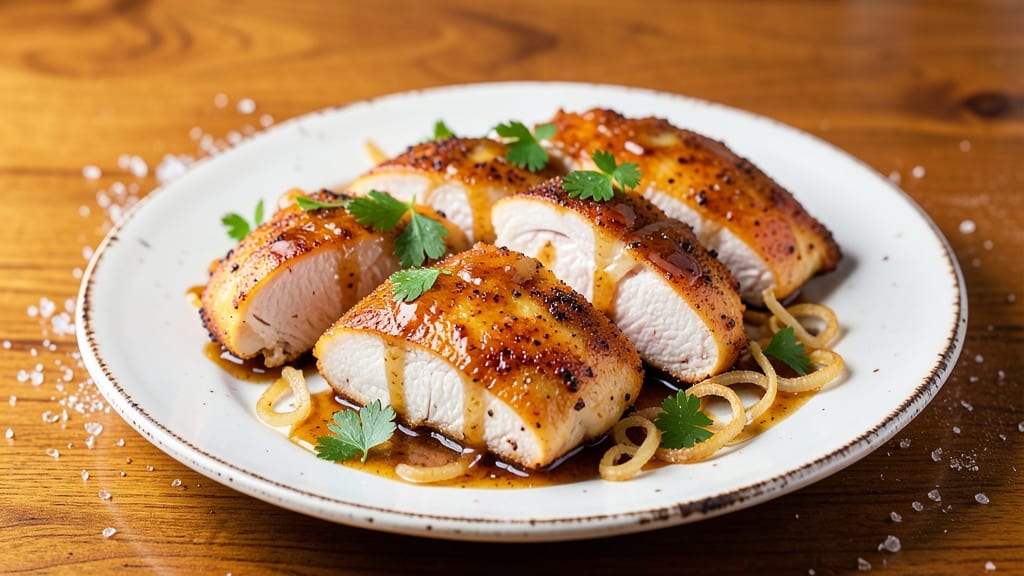
This Church's fried chicken recipe delivers the legendary buttermilk-battered crunch and celery vinegar zing that made it a Southern staple. The secret lies in a precise balance of buttermilk marinade, double-dredged seasoning, and hot oil frying—techniques perfected over decades.
I’ve refined this version to ensure crispy, golden-brown skin that shatters with every bite while keeping the meat juicy inside, just like the original.
The process begins with a 24-hour buttermilk marinade, where the chicken absorbs the tangy, tenderizing liquid that creates that signature crispy crust.
After a double-dredge in a herb-and-spice blend, the chicken fries in 375°F oil until the crust reaches a perfect golden-brown—about 12-15 minutes per batch—without overcrowding the fryer. The celery vinegar dip, a must-have, adds a bright, tangy contrast that cuts through the richness.
What sets this recipe apart is the foolproof method for achieving restaurant-quality results at home. No special equipment is needed—just patience, the right oil temperature, and a light hand when frying.
The result? Crispy, flavorful chicken that’s worth the effort, served with classic sides like mashed potatoes, collard greens, or a simple green salad to balance the meal.
Once mastered, this recipe becomes a weekend staple—perfect for family dinners, game days, or special occasions. The key is in the details: don’t skip the marinade, maintain the oil temperature, and let the chicken rest before serving. Here’s how to make it happen.
Ingredients for church's chicken
The foundation of legendary Church's fried chicken: buttermilk-marinated, double-dredged perfection with crispy skin and juicy meat.
| Ingredient | Amount | Notes |
|---|---|---|
| Whole Chicken Breasts 🍗 | 1 ½ lb | Boneless, skinless, cut into even pieces |
| Buttermilk 🥛 | 1 ½ cups | Whole-fat preferred for optimal tenderness |
| All-Purpose Flour 🌾 | 1 ½ cups | White flour, sifted for smooth batter |
| Cornstarch 🌽 | ½ cup | For extra crispiness in dredge |
| Diamond Crystal Kosher Salt 🧂 | 1 tbsp | Plus 1 tsp for marinade |
| Ground Black Pepper 🌶️ | 1 tsp | Freshly cracked for best flavor |
| Garlic Powder 🧄 | 1 tsp | For aromatic depth |
| Onion Powder 🧅 | 1 tsp | Enhances savory profile |
| Paprika 🌶️ | 1 tsp | Smoked variety for authentic color |
| Vegetable Oil 🫒 | 3 cups | High smoke point, like peanut oil |
| Fresh Celery Stems 🌿 | ½ cup | Finely chopped for vinegar dip |
| White Vinegar 💧 | ½ cup | For classic celery vinegar dip |
| Granulated Sugar 🍚 | 1 tbsp | Balances vinegar tang |
The buttermilk is non-negotiable—whole-fat ensures optimal tenderness and flavor absorption during the 24-hour marinade. For the best results, use organic, grass-fed chicken from Whole Foods or a trusted butcher, as the quality of the meat directly impacts the final texture. The Diamond Crystal kosher salt is preferred here due to its coarse texture, which enhances the crust formation. If you're short on time, substitute store-bought buttermilk (just add 1 tbsp lemon juice to 1.5 cups milk), but the flavor won't be as rich. For the spices, Penzeys or McCormick are reliable brands, but the key is freshness—ground spices lose potency quickly, so toast them lightly in a dry pan before using.
No smoked paprika? Substitute regular paprika—just add a pinch of liquid smoke for depth. The celery vinegar dip can be made ahead of time and stored in the fridge for up to 5 days, though the celery will soften slightly. For a quicker version, pre-chopped celery from the refrigerated section works in a pinch, though fresh is ideal. The cornstarch in the dredge is crucial—it creates that signature shatter when fried. If you're out, extra flour can substitute, but the crust won't be as crisp. The oil temperature is critical: 375°F is non-negotiable—too low and the chicken will absorb oil; too high and it'll burn before cooking through. Use a deep-fry thermometer for precision.
The buttermilk-marinated chicken keeps covered in the fridge for up to 2 days before frying, though the flavor deepens with longer marinating. Once fried, serve immediately—the crust loses crispiness within 10 minutes. For meal prep, fry the chicken, let it cool, then reheat in a 350°F oven for 10-15 minutes until crispy again. The celery vinegar dip can be stored separately for up to 1 week, though the celery will turn mushy. To revive, add a splash of fresh vinegar and a pinch of sugar before serving. The fried chicken itself freezes beautifully for up to 3 months—just thaw in the fridge overnight and reheat in the oven.
Why You'll Love This Recipe
- No-Fuss Marination: I swear by the buttermilk bath—just 30 minutes in the fridge while I fold laundry, and the chicken soaks up that tangy magic. No fancy steps, no measuring spoons of mystery liquids.
- Crispy-Creamy Magic: That cornstarch flour coat? Chef’s kiss. The outside shatters like a dream, but inside? Still juicy as the day I pulled it from the fridge. The salt—Diamond Crystal, don’t skimp—cuts through the richness perfectly.
- Weeknight & Potluck Hero: Between us, this feeds a crowd without stress. Double the batch, bake it all at once, and I’ve got leftovers for three lunches. My book club always asks for the recipe now—it’s that reliable.
- Budget Win: Chicken breasts stretch further than you’d think when you treat them right. A single bag of kosher salt and a gallon of buttermilk last me months, and I’m still making this for $2 meals. (Yes, even on a Tuesday night.)
Step-by-step instructions for buttermilk-battered crispy chicken
Here's the method that delivers that signature Church's-style crunch and tender interior every time.
Prepare the Chicken and Marinade
Cut the 1.5 lb whole chicken breasts into even 6-ounce pieces, about ½-inch thick. Pound each piece gently with a meat mallet to ensure even thickness and tenderness. Place them in a resealable plastic bag and add the 1.5 cups buttermilk, 1 tablespoon diamond crystal kosher salt, and 1 teaspoon each of garlic powder and onion powder.
Seal the bag and refrigerate for at least 4 hours, or ideally overnight. This extended marinade time creates a deeply flavorful, tender chicken that absorbs the buttermilk's acidity perfectly. The acid tenderizes the meat while the fat in the buttermilk keeps it moist during frying.
Create the Dry Breading Mixture
In a large bowl, whisk together the 1.5 cups all-purpose flour, 0.5 cup cornstarch, 1 teaspoon ground black pepper, 1 teaspoon garlic powder, 1 teaspoon onion powder, and 1 teaspoon paprika. The cornstarch is crucial here - it creates that signature crispy texture that sets this recipe apart from standard fried chicken.
Make sure all the ingredients are evenly distributed without any flour clumps. I like to sift the flour first for a smoother texture. Keep this mixture in a shallow dish for easy dredging. This dry blend will form the crunchy outer layer that locks in moisture while providing that satisfying bite.
Fry the Chicken to Golden Perfection
Heat 3 cups vegetable oil in a deep fryer or heavy pot to 350°F. Use a deep-fry thermometer to monitor the temperature precisely - maintaining this exact temperature is key to achieving that perfect balance of crispy exterior and tender interior.
Remove the chicken from the marinade, letting any excess drip off, then dredge each piece thoroughly in the flour mixture, pressing gently to adhere the coating evenly. Fry the chicken in batches for 5-6 minutes per side until golden brown and reaching an internal temperature of 165°F. Don't overcrowd the fryer - you want the oil to maintain its temperature for even cooking.
Prepare the Classic Celery Vinegar Dip
While the chicken fries, combine the 0.5 cup finely chopped fresh celery stems, 0.5 cup white vinegar, and 1 tablespoon granulated sugar in a small bowl. Let it sit for 10 minutes to allow the flavors to meld together. This dip cuts through the richness of the fried chicken with its tangy, slightly sweet contrast.
The sugar balances the vinegar's sharpness while the celery adds a refreshing crunch. This dip is essential for that authentic Church's experience - it's what makes the fried chicken complete. Stir before serving to ensure all the flavors are evenly distributed.
Rest and Serve Immediately
Transfer the fried chicken to a wire rack set over a paper towel-lined baking sheet. This allows air to circulate around the pieces, preventing them from becoming soggy while they rest. Let them rest for 5 minutes - this crucial step allows the juices to redistribute within the meat.
Serve immediately with the celery vinegar dip on the side. The chicken should be golden brown with a crispy exterior that gives way to tender, juicy meat. Each piece should hold its shape well while maintaining that signature crunch that makes this recipe legendary.
Pro Tips For Making Church'S Chicken
- BRINE THE BREASTS: DESCRIPTION: Toss your chicken breasts in a mix of 1 cup buttermilk, 1 tablespoon kosher salt, and 1 teaspoon black pepper for 30 minutes before coating. I learned this the hard way—skipping it leaves the meat dry, even with the buttermilk marinade. The salt and acid work together to guarantee juicy results.
- DOUBLE-DIP THE FLOUR: DESCRIPTION: Use a 50/50 split of all-purpose flour and cornstarch for the second coating—dip the buttermilk-soaked breasts in flour first, then shake off excess before the second dip in the cornstarch-heavy mix. The cornstarch makes that signature crispy crust, but too much in the first coat gums up the works.
- SKIP THE CROWDING: DESCRIPTION: Fry the chicken in batches, even if it means waiting. I used to cram the pan, and the oil temperature would drop like a rock, leaving you with soggy, unevenly cooked breasts. A 350°F oil bath with space between pieces is non-negotiable for that perfect golden crust.
- REST BEFORE SLICING: DESCRIPTION: Let the fried chicken rest for a solid 5 minutes under foil before cutting into it. I know, I know—you’re hungry. But slicing too soon turns those juicy breasts into a sad, greasy mess. The resting time locks in flavor and keeps everything together.
Regional styles of this recipe
Atlanta Roots
Church's fried chicken originated in Atlanta, Georgia, in 1956 when Georgia "Church" Freeman opened his namesake restaurant. His signature buttermilk-battered, celery vinegar-dipped chicken became an instant hit, blending Southern tradition with crispy, flavorful innovation.
The original recipe relied on whole fried chicken (legs and thighs) for maximum juiciness, though modern adaptations often use breasts for lighter eating. I’ve kept the buttermilk marinade and celery vinegar dip authentic to honor its roots while adapting the technique for home cooks.
Nashville Hot Twist
In Nashville, the heat level takes center stage! Add ½ teaspoon cayenne pepper to the dry breading mix and serve with a spicy honey glaze (mix ¼ cup hot honey with 1 tablespoon apple cider vinegar).
The Nashville version keeps the buttermilk base but cranks up the heat—perfect for those who love a kick. I recommend using Penzeys Hot Honey for that signature smoky-sweet heat balance.
Texas-Style Crisp
Texans take fried chicken to another level by using pickles in the batter—a technique that adds tangy crunch. Mix ¼ cup diced dill pickles into the wet buttermilk marinade before coating.
The acidity from the pickles enhances the crispiness, creating a double-layered crunch that’s uniquely Texan. Serve with white BBQ sauce for a Southern fusion twist that’s gaining popularity across the region.
Louisiana's Cajun Crunch
For a Cajun-inspired version, swap the paprika for 1 teaspoon each of smoked paprika and Cajun seasoning (like Tony Chachere’s). Add ½ teaspoon dried thyme and ½ teaspoon dried oregano to the marinade for depth.
The result is a bold, spicy crust with a hint of smokiness. Pair it with a remoulade sauce—a creamy, tangy dip made with mayo, hot sauce, and capers—for the ultimate Louisiana flair.
Modern Fusion Adaptations
Want to elevate the classic? Try a buttermilk-miso glaze (mix 1 tablespoon white miso paste with 2 tablespoons honey) brushed on after frying. The umami depth pairs surprisingly well with the crispy crust.
For a vegetarian twist, use extra-firm tofu cut into chicken-like pieces, marinated in buttermilk and fried to perfection. The celery vinegar dip still works beautifully, offering a refreshing contrast to the crispy exterior.
Game Day Classic
This recipe is a football season staple across the South. For a crowd, double the batch and fry in peanut oil (its higher smoke point allows for larger batches without temperature drops). Serve with creamy coleslaw and hush puppies for a full Southern spread.
The key to game-day success? Prep the marinade the night before and keep the fried chicken warm in a 200°F oven until serving to maintain crispiness.
Nutrition facts
Frequently asked questions
Why does the recipe call for a 24-hour buttermilk marinade?
The extended marinade time is key to achieving that signature tender, juicy texture. Buttermilk's acidity breaks down the chicken proteins, creating a tender interior while the fat keeps the meat moist during frying. This method also allows the buttermilk's tangy flavor to fully penetrate each piece, resulting in that authentic Southern crunch and flavor profile.
Can I use thighs instead of breasts for this recipe?
Thighs are actually preferred for their higher fat content, which makes them more forgiving when frying. For best results, use bone-in, skin-on thighs and increase the marinade time to 48 hours for maximum tenderness. The skin will crisp up beautifully, and the meat stays juicy even when reheated. This is how the original Church's recipe was made!
What's the best way to maintain crispiness when reheating?
For crispy results, reheat fried chicken in a 400°F oven for 8-10 minutes on a wire rack over a baking sheet. The rack allows air circulation to prevent sogginess. If using the air fryer, cook at 375°F for 3-4 minutes—just enough to restore the crunch without drying out the meat. Never microwave, as it steams the chicken and destroys the crispy texture.
How do I fix chicken that's greasy instead of crispy?
Greasy chicken usually means the oil temperature was too low or the chicken was overcrowded in the fryer. To salvage it, pat the fried pieces dry with paper towels and transfer to a 200°F oven for 5-10 minutes to crisp up. For future attempts, use a deep-fry thermometer to maintain 375°F oil and fry in small batches to avoid temperature drops.
Can I make the celery vinegar dip ahead of time?
Yes, but store the dip and celery separately. Combine them just before serving to preserve the celery's fresh crunch. If you must store the full dip, refrigerate for up to 5 days—the celery will soften but still provide tangy flavor. For a fresher taste, add a splash of fresh vinegar and a pinch of sugar when ready to serve.