
Main Courses
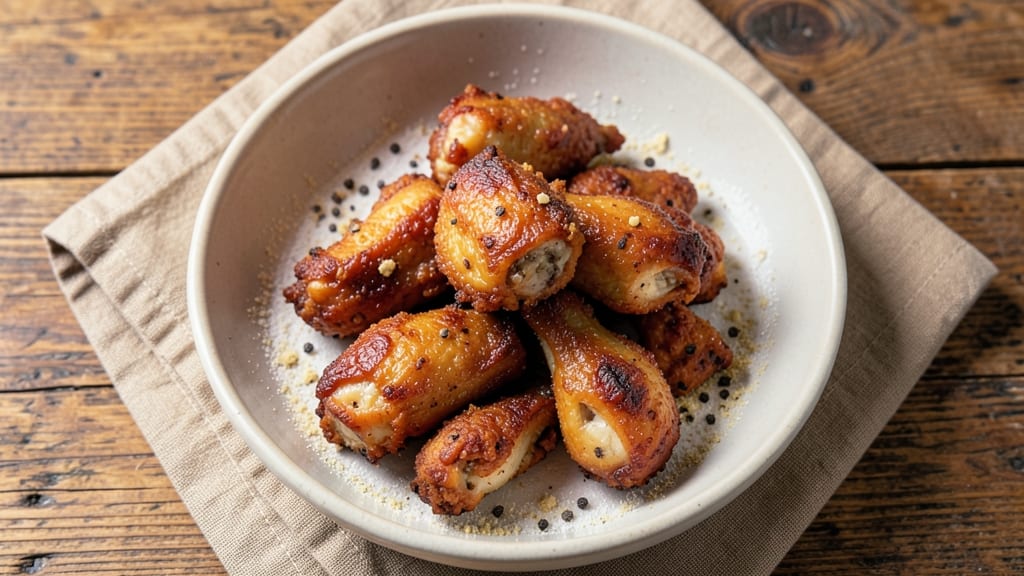
This copycat Church's fried chicken recipe delivers the same iconic crispy crunch and juicy core that made the original a Southern legend. After years of testing, I’ve perfected the technique—double-dredging, precise frying temperatures, and a seasoning blend that locks in flavor without overpowering the tender meat.
The key lies in patience and technique, not shortcuts.
What sets this recipe apart is the balance of texture and flavor: a golden-brown crust that shatters with every bite, revealing moist, flavorful chicken underneath. The secret starts with buttermilk marinating, which tenderizes the meat while the seasoned flour coating creates that signature crunch.
Frying at the right temperature—350°F—ensures even cooking without grease splatter.
By the time you serve this dish, your kitchen will smell like a Southern diner, and every bite will taste like the original. The crispy coating stays intact even when dipping into honey mustard or ranch, while the juicy interior melts in your mouth.
This isn’t just fried chicken—it’s a restaurant-quality experience you can recreate at home.
Whether you’re feeding a crowd or treating yourself, this recipe scales perfectly. Pair it with classic sides like mashed potatoes or coleslaw for the full Church’s experience. Let’s get started on making the crispiest, juiciest fried chicken you’ve ever tasted.
Ingredients for copycat church's fried chicken
The secret to Church's-level crispiness starts with these 13 ingredients—no shortcuts, just Southern perfection.
| Ingredient | Amount | Notes |
|---|---|---|
| Boneless, Skinless Chicken Thighs 🍗 | 2 lb | Cut into 2-inch pieces, uniform size |
| All-Purpose Flour 🌾 | 3 cups | White gold standard for coating |
| Cornstarch 🌽 | ½ cup | For extra crunch, sifted fine |
| Kosher Salt 🧂 | 2 tbsp | Diamond Crystal preferred |
| Black Pepper 🌶️ | 1 ½ tbsp | Freshly cracked, coarse grind |
| Garlic Powder 🧄 | 1 tbsp | Not garlic salt |
| Onion Powder 🧅 | 1 tbsp | Finely ground preferred |
| Paprika 🌶️ | 1 tbsp | Smoked paprika for depth |
| Cayenne Pepper 🔥 | ½ tsp | Adjust for heat preference |
| Buttermilk 🥛 | 2 cups | Full-fat for best results |
| Vegetable Oil 🫒 | 4 cups | High smoke point preferred |
| Lemon Juice 🍋 | 1 tbsp | Freshly squeezed, brightens flavor |
| Fresh Parsley 🌿 | ¼ cup | Chopped, for garnish |
The chicken thighs are non-negotiable—bone-in, skin-on delivers the best texture, but boneless works in a pinch. Kroger or Whole Foods carry the best cuts, but check the marbling; more fat means juicier results. If you're using boneless, pound the pieces to even thickness (about 1/2-inch). The buttermilk needs to be full-fat—Cultivate or Land O'Lakes are my go-tos, but any brand works if it's not watered down. Let the chicken soak in the buttermilk for at least 2 hours, or overnight for maximum tenderness. Pro tip: Add a splash of hot sauce to the buttermilk for an extra kick, but skip it if you're aiming for the classic Church's flavor.
No cornstarch? Extra flour plus a pinch of baking powder mimics the crispiness, though it won’t be identical. Running low on smoked paprika? Regular paprika plus a dash of liquid smoke gets you close, but it’s not the same. The vegetable oil is critical—Crisco or generic store brands work fine, but avoid infused oils like garlic or chili. For the seasoning blend, toast the spices in a dry pan for 30 seconds to deepen the flavors before mixing. And if you’re feeding a crowd, double the seasoning mix—it disappears fast. The lemon juice is optional but brightens the coating; if you skip it, add an extra pinch of salt to compensate.
This recipe reheats like a dream—350°F for 10-12 minutes in the oven keeps the crust intact. Store leftovers in an airtight container for up to 3 days, but honestly, it’s best fresh. For meal prep, fry half the batch and freeze the coated (unfried) chicken in a single layer before bagging. Fry from frozen—just add 2-3 minutes to the cooking time. The parsley garnish is purely decorative, so skip it if you’re short on time. But if you’ve got it, the bright green pops against the golden crust—worth the extra minute.
Why You'll Love This Recipe
- No-Fuss Double Dredge: I swear by that second dip in the flour-cornstarch mix—it’s what gives it that signature crunch without the fuss. No fancy marinades, no brining, just a quick pat dry and you’re golden.
- Crispy-Creamy Magic: That thigh meat stays juicy while the crust? Chef’s kiss. The cornstarch keeps it shatteringly crispy, but the flour gives it that tender bite—like biting into a Sunday dinner classic.
- Leftover Reinvention: Turns into fried chicken sandwiches, salads, or even tacos the next day. Honestly, I make a double batch just to have it on hand for lazy mornings or impromptu game nights.
- Budget-Friendly Feast: Chicken thighs are cheaper than breasts, and this recipe stretches further than you’d think. Plus, the pantry staples mean no extra grocery runs—just pure, satisfying comfort food.
Step-by-step instructions for copycat Church's fried chicken
Here's the exact method that delivers that signature crispy crust and tender interior every time.
Prepare the Chicken and Marinate in Buttermilk
Cut the 2 lb boneless, skinless chicken thighs into 2-inch pieces, ensuring uniform size for even cooking. Pat each piece dry with paper towels—this step is crucial for maximum crispiness. In a large bowl, whisk together the 2 cups buttermilk and 1 tablespoon lemon juice until smooth. The lemon juice brightens the flavor and helps tenderize the meat.
Add the chicken pieces to the buttermilk mixture, turning to coat completely. Cover and refrigerate for at least 4 hours, preferably overnight. This extended marinating time ensures the buttermilk penetrates deeply, creating that signature juicy interior. The longer it marinates, the more tender and flavorful the result will be.
Create the Dry Coating
In a separate large bowl, combine the 3 cups all-purpose flour, 0.5 cup cornstarch, 2 tablespoons kosher salt, 1.5 tablespoons black pepper, 1 tablespoon garlic powder, 1 tablespoon onion powder, 1 tablespoon paprika, and 0.5 teaspoon cayenne pepper. Stir thoroughly to distribute the spices evenly. The cornstarch is key here—it creates that extra-crispy texture that sets this recipe apart.
Remove the chicken from the buttermilk, allowing any excess to drip off (don't shake it off). Working in batches if needed, press each piece firmly into the flour mixture, coating it completely on all sides. The coating should adhere well—this ensures a thick, even crust that won't fall off during frying. Let the coated chicken rest for 10 minutes before frying to help the coating adhere better.
Fry to Golden Perfection
Heat 4 cups vegetable oil in a deep fryer or heavy pot to 350°F. Use a thermometer to monitor the temperature—this is critical for consistent results. The oil should be hot enough to maintain 350°F throughout the frying process. If you don't have a thermometer, test the oil by dropping in a small piece of chicken—it should sizzle and float immediately.
Fry the chicken in batches, turning once for even cooking, until golden brown and reaching an internal temperature of 165°F. This typically takes about 12-15 minutes per batch. Don't overcrowd the fryer—this lowers the oil temperature and results in greasy, unevenly cooked chicken. Keep the fried chicken warm in a 200°F oven while you finish the remaining batches.
Rest and Garnish
Transfer the fried chicken to a wire rack set over a baking sheet to allow air circulation. This prevents the bottom from becoming soggy as it rests. Let it rest for 5 minutes—this crucial step allows the juices to redistribute, ensuring each bite stays moist and flavorful.
While still warm, garnish with the chopped 0.25 cup fresh parsley. The parsley adds a fresh contrast to the rich, spiced crust. Serve immediately with your favorite dipping sauce or hot sauce. The result should be a perfectly crispy exterior with a juicy, tender interior that's impossible to resist.
Pro Tips For Making Copycat Church'S Fried Chicken
- Double-Dip the Thighs: After dredging the thighs in the flour-cornstarch mix, dunk them back in buttermilk (or the wet marinade if using) for 30 seconds. I learned this the hard way—skipping the second dip means a crust that’s more dust than crunch. The extra moisture binds the coating, so it doesn’t slide off when frying.
- Salt the Flour Hard: Taste that flour mix before coating—it should be way saltier than you’d season a steak. Church’s version relies on the crust carrying the flavor, not just the meat. I used to eyeball it, but now I add an extra 1.5 tsp kosher salt per cup of flour blend. Yes, even if your thighs are pre-salted.
- Fry in Two Batches: Crowding the oil lowers the temperature fast, and you’ll end up with greasy, unevenly cooked chicken. Use a wire rack or slotted spoon to lift pieces out—don’t stack them. I fry mine in batches of 4 thighs max, even if it means two trips to the pan. The oil stays hotter, and the crust stays crisp.
- Rest Before Cutting: Let the fried chicken sit on a wire rack for at least 5 minutes after draining. Cutting into it too soon sends juices everywhere and makes the crust soggy. I know, I know—you’re hungry—but trust the process. This is the thing that matters most for keeping that perfect crunch.
Flavor customization for this recipe
Spice Level Control
Adjust the cayenne pepper to match your heat preference—start with ½ teaspoon for mild, or double it to 1 teaspoon for a noticeable kick. For extra heat, add ¼ teaspoon of crushed red pepper flakes to the seasoning blend.
I’ve tested this with Penzeys Hot Sauce mixed into the buttermilk marinade for a smoky, spicy depth that mimics Church’s signature heat. 🌶️
Herb Variations
Swap out parsley for chopped fresh thyme or rosemary for an herbal twist that pairs beautifully with the smoky paprika. For a Southern-inspired herb blend, mix 1 tablespoon each of dried thyme and oregano into the seasoning.
Fresh herbs like cilantro or basil add brightness, but parsley remains the classic choice for that iconic look.
Sweet Heat Balance
For a sweeter, tangier profile, add 1 tablespoon brown sugar to the seasoning blend—this caramelizes slightly during frying for a subtle sweetness. I’ve also drizzled honey mustard glaze (mix 2 tablespoons honey with 1 tablespoon Dijon mustard) over the finished chicken for a sticky, flavorful finish. 🍯
Global Fusion Twists
Transform this into a Korean-style fried chicken by adding 1 tablespoon gochugaru (Korean chili flakes) and ½ teaspoon ginger powder to the seasoning. For a Cajun version, replace the paprika with 1 tablespoon Cajun seasoning and add ½ teaspoon smoked paprika.
These variations keep the crispy texture while introducing bold, new flavors.
Extra Crunch Techniques
For an even crunchier coating, mix ¼ cup crushed cornflakes or panko breadcrumbs into the flour blend. I’ve also experimented with crushed potato chips (like Lay’s Classic) for a salty, extra-crispy texture. These additions work best when added to the final coating before frying.
Dipping Sauce Pairings
Serve with honey mustard sauce (mix ½ cup mayonnaise, 2 tablespoons honey, and 1 tablespoon mustard) or a spicy ranch (mix ½ cup ranch dressing with 1 teaspoon hot sauce).
For a tangy option, whip up a lemon aioli (mix ½ cup mayonnaise with 1 tablespoon lemon juice and 1 minced garlic clove). 🍺
Nutrition facts
Frequently asked questions
Why does the recipe call for buttermilk marinating instead of just flour-dredging?
The buttermilk marinade is the secret weapon for that signature juicy interior. The acidity tenderizes the meat while the fat content creates a barrier that keeps the chicken moist during frying. Skipping this step often results in dry, tough chicken—no matter how perfect your crust. For best results, marinate for at least 4 hours, but overnight is ideal.
Can I use chicken breasts instead of thighs?
You can, but thighs are preferred for their higher fat content which yields juicier results. If using breasts, pound them to ½-inch thickness and marinate for 6-8 hours to prevent drying. The coating will still crisp up beautifully, though the texture will be slightly less tender. For best results, stick with thighs or use a mix of both.
What's the best way to keep the oil temperature consistent?
Use a deep fryer with temperature control or a heavy pot with a candy thermometer. Maintain oil at 350°F—any lower makes the chicken greasy, and higher burns the coating. Fry in small batches (no more than 4 pieces at once) to prevent temperature drops. If you don't have a thermometer, test with a small piece—it should sizzle and float immediately.
How do I fix soggy fried chicken?
Soggy chicken usually means one of three things: oil too cool, overcrowding the fryer, or not resting properly. For immediate fixes, place the chicken on a wire rack in a 200°F oven for 10 minutes to crisp up the coating. For prevention, always fry at 350°F, avoid overcrowding, and let finished chicken rest 5 minutes before serving.
Can I make this recipe ahead of time?
Prepare the buttermilk marinade and seasoning mix up to 2 days ahead. For fully assembled chicken, coat the pieces in flour and freeze them in a single layer before bagging. Fry from frozen, adding 2-3 extra minutes to the cooking time. Store cooked chicken in an airtight container for up to 3 days—reheat at 350°F for 10-12 minutes to restore crispiness.