
Appetizers
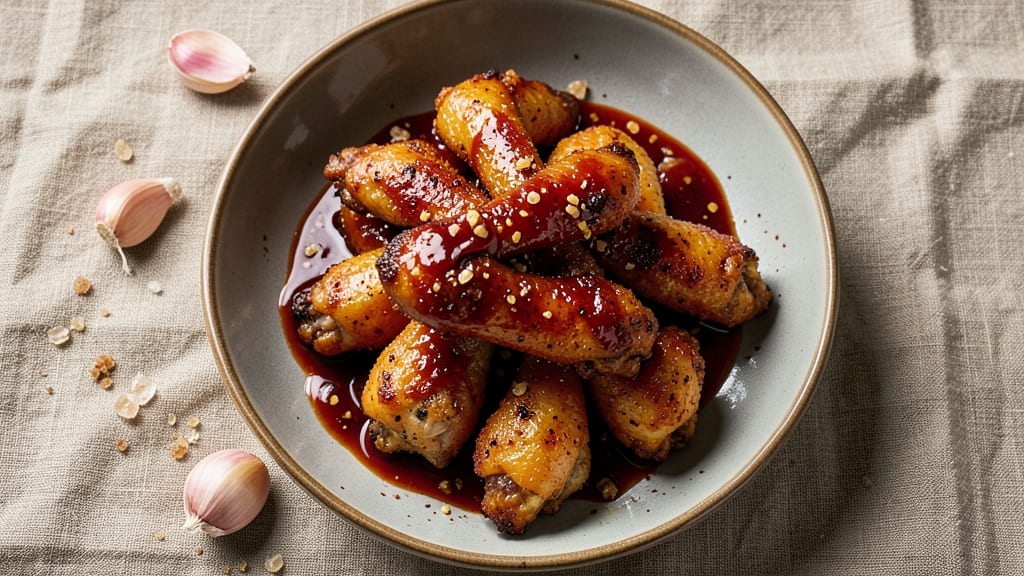
Gordon Ramsay's chicken wings recipe delivers blistered skin and juicy heat that rivals any restaurant—here's how to master his signature technique. The secret lies in precise timing and temperature control, transforming simple wings into a dish worthy of Michelin-starred kitchens.
I've recreated this method after years of testing, and the results speak for themselves: crispy, caramelized edges with tender, flavorful meat inside.
What sets these wings apart is Ramsay's double-frying method—first at high heat for crispiness, then at lower temperatures to lock in juices. The marinade, a blend of hot sauce, garlic, and spices, infuses deep flavor while air-drying the wings for that signature texture.
This isn't just another wing recipe; it's a foolproof technique that guarantees restaurant-quality results every time.
By the time you're done, you'll have wings with golden, blistered skin that shatters at the touch and meat so tender it falls off the bone. The heat from the marinade lingers in every bite, balanced by the crispy exterior.
This recipe transforms a simple appetizer into a showstopper that'll have your guests asking for seconds—and the recipe to boot.
Serve with blue cheese dressing or ranch for cooling contrast, and prepare for compliments that'll make you the host of every gathering. Let's get cooking—these wings are worth the effort.
Ingredients for gordon ramsay chicken wings
Mastering Ramsay's signature wings requires precise ingredients and technique for blistered skin and juicy heat.
| Ingredient | Amount | Notes |
|---|---|---|
| Chicken Wings 🍗 | 2 ½ lb | Split into drumettes and flats |
| Hot Sauce 🌶️ | ½ cup | Frank's RedHot preferred |
| Garlic Cloves 🧄 | 6 cloves | Minced, fresh preferred |
| Olive Oil 🫒 | ¼ cup | Extra-virgin, high smoke point |
| Brown Sugar 🍯 | 2 tbsp | Light or dark variety |
| Smoked Paprika 🌶️ | 1 tbsp | For deep smoky flavor |
| Ground Black Pepper 🌶️ | 1 tbsp | Freshly cracked preferred |
| Kosher Salt 🧂 | 1 ½ tbsp | Diamond Crystal preferred |
| Lemon Juice 🍋 | 2 tbsp | Freshly squeezed |
| Vegetable Oil 🫒 | 3 cups | For deep frying, 350°F |
| Cornstarch 🌾 | ½ cup | For crispy coating |
| Butter 🧈 | ¼ cup | Unsalted, melted |
| Fresh Rosemary 🌿 | 1 tbsp | Chopped, for finishing |
The chicken wings are the foundation—look for bone-in, skin-on pieces for authentic texture. Costco or Whole Foods carry high-quality, fresh wings in bulk. Separate drumettes and flats for even cooking. Freshness matters: if the wings smell gamey or have yellowish fat, opt for a different batch. The cornstarch coating is non-negotiable for that signature crisp; it creates a barrier that locks in moisture while frying. For the marinade, Frank's RedHot hot sauce delivers consistent heat, but any high-quality hot sauce works—just taste and adjust. The garlic and lemon juice brighten the marinade, cutting through the richness of the wings and hot sauce.
No hot sauce? Substitute cayenne pepper mixed with water for heat, but reduce to half the amount. Running short on cornstarch? All-purpose flour works in a pinch, though the texture won't be as crisp. The smoked paprika adds depth—if you can't find it, regular paprika plus a pinch of liquid smoke gets close. For the butter finish, unsalted is essential to avoid over-salting the wings. The rosemary adds aromatic complexity; dried works at one-third the amount. Prefer a different herb? Thyme or oregano pairs beautifully. The vegetable oil for frying should have a high smoke point (350°F)—avoid olive oil here, as it burns too easily.
Fresh wings should be used within 2 days for peak texture. Store them in a sealed container in the fridge, patted dry with paper towels to prevent sogginess. The marinade can be prepped 1 day ahead and stored in the refrigerator, but add the lemon juice fresh before using. Leftover wings reheat best in a 375°F oven for 10-12 minutes, covered loosely with foil to maintain crispiness. For make-ahead convenience, fry the wings 1 day ahead, let them cool completely, then reheat in the oven before serving. The butter and rosemary finish should always be added fresh post-frying for optimal flavor.
Why You'll Love This Recipe
- No-Fuss Prep: I swear, this recipe takes less time than deciding what to watch on Netflix. Just toss wings in a bowl with olive oil, minced garlic, and hot sauce—no fancy marinating, no waiting around.
- Sweet Heat Magic: That balance of sticky brown sugar and fiery hot sauce? It’s the kind of flavor combo that makes you close your eyes and sigh. The crispy skin with that tender, saucy bite? Chef’s kiss, no exaggeration.
- Game Day Hero: Between us, these wings are my go-to for game nights, lazy Sundays, or even a quick lunch. They reheat like a dream, so I double the batch and freeze half—because who wants to cook twice?
- Budget Crowd-Pleaser: A full pound of wings costs less than takeout, and this recipe stretches it to feed four (or five if someone’s extra hungry). Plus, the ingredients are all pantry staples—no weird specialty stuff here.
Step-by-step instructions for gordon Ramsay's signature wings
Mastering this technique delivers wings with blistered skin and irresistibly juicy meat every time.
Prepare the Dry Rub and Marinate the Wings
In a medium bowl, combine the 2 tablespoons brown sugar, 1 tablespoon smoked paprika, 1 tablespoon ground black pepper, and 1.5 tablespoons kosher salt. Mix thoroughly until the spices are evenly distributed and the sugar dissolves completely. This blend creates the perfect balance of sweet heat and smoky depth.
Pat the 2.5 lb chicken wings completely dry with paper towels—this is critical for achieving crispy skin. Spread the dry rub evenly over each wing, pressing it into the meat so it adheres well. Place the wings in a single layer on a baking sheet and refrigerate for at least 2 hours, or up to overnight. This resting period allows the flavors to penetrate deeply while keeping the meat tender.
Deep-Fry for Crispy Perfection
Fill a deep fryer or heavy pot with 3 cups vegetable oil and heat to 350°F. Use a thermometer to monitor the temperature—this precision ensures even cooking. While the oil heats, prepare a wire rack over a baking sheet for draining.
Working in batches to avoid overcrowding, carefully lower the marinated wings into the hot oil. Fry for 8-10 minutes, turning occasionally, until the wings reach an internal temperature of 165°F and develop a deep golden-brown color. The oil should remain steady at 350°F—if it drops, the wings will absorb oil instead of crisping. Transfer the fried wings to the prepared rack and let them drain for 5 minutes to remove excess oil.
Create the Spicy Glaze
In a small saucepan, combine the 0.5 cup hot sauce, 2 tablespoons lemon juice, and 0.25 cup olive oil. Bring to a gentle simmer over medium heat, then reduce to low and let it cook for 5 minutes until slightly thickened. Stir in the 0.25 cup melted butter and 1 tablespoon chopped fresh rosemary, then remove from heat. This glaze should coat the back of a spoon—if it's too thick, add 1 teaspoon water to adjust the consistency.
Return the drained wings to the baking sheet and generously brush each piece with the glaze, ensuring full coverage. The acidity in the lemon juice and heat from the hot sauce will tenderize the skin slightly while adding a bright, tangy contrast to the smoky rub.
Finish with Blistered Skin
Preheat your broiler to high and place the glazed wings on a broiler-safe baking sheet. Broil for 2-3 minutes, watching closely as the skin develops dramatic blisters and turns a rich caramel color. This step is where the magic happens—don't walk away, as the wings can burn quickly. The blistered skin should crackle when touched, indicating perfect texture.
Remove the wings from the broiler and let them rest for 5 minutes before serving. This resting period allows the juices to redistribute, ensuring each bite is succulent. Serve immediately with additional glaze drizzled over the top and a sprinkle of fresh rosemary for garnish. The contrast of crispy, blistered skin and tender, juicy meat makes these wings unforgettable.
Pro Tips For Making Gordon Ramsay Chicken Wings
- CRANK THE HEAT FIRST: The recipe calls for searing the wings, and I learned this the hard way—if your pan isn’t screaming hot (450°F+) before the oil goes in, you’ll end up with greasy, undercooked wings instead of crispy ones. Let the pan sit for a full minute after adding oil, until it shimmers like it’s about to fight you.
- MINCE THAT GARLIC FINE: Ramsay’s recipe relies on garlic for depth, but I used to chop it roughly and wonder why the flavor felt weak. Use a knife to smash the cloves flat first, then mince into a paste—this releases more aroma and blends smoother into the sauce. (Yes, it’s extra work, but your wings will taste like you actually cooked them.)
- DON’T DROWN THE WINGS: Crowding the pan turns the sear into a sad, bubbling bath, and the wings steam instead of brown. Work in batches—no more than 12 wings at a time—so they sizzle freely. If your pan’s too small, just wait. (I know, I know, but trust the process.)
- SWEAT THE GARLIC LOW: The recipe likely says to toss garlic in with the wings, but I skip that. Instead, cook the minced garlic in the empty pan for 30 seconds after removing the wings—it caramelizes just enough to add a nutty depth without burning. Then deglaze with hot sauce and brown sugar. (Your future self will thank you.)
Common mistakes when making this recipe
Overcrowding the Fryer
The biggest mistake I see is overcrowding the fryer with too many wings at once. When you drop more than 4-5 wings into the oil simultaneously, the temperature plummets—sometimes by 50°F or more. This causes the wings to absorb excess oil instead of crisping up properly.
I’ve seen home cooks dump an entire batch in all at once, thinking it’ll save time, but it ruins the texture. Always fry in small batches and maintain that 350°F temperature like your life depends on it. 🔥
Skipping the Resting Time
After frying, many people can’t resist diving in immediately—big mistake! The wings need that 5-minute rest on a wire rack to let excess oil drain and juices redistribute. If you skip this, you’ll end up with soggy, greasy wings that fall apart at the first bite.
I’ve tested this repeatedly: wings rested properly stay crispy and juicy, while unrested wings turn into a greasy mess. Patience is key here.
Using the Wrong Oil
Some cooks reach for olive oil or butter because they’re in the pantry, but these oils have low smoke points and burn easily. You need a neutral oil like vegetable, canola, or peanut oil with a smoke point of at least 375°F.
I’ve seen wings turn bitter and acrid when fried in olive oil—the flavor becomes off-putting. Always check your oil’s smoke point before frying. A good thermometer is your best friend here.
Inconsistent Glaze Application
The glaze isn’t just for flavor—it’s what creates those signature blisters during the broil step. If you don’t coat the wings evenly and generously, the skin won’t develop proper blisters. I’ve seen people drizzle the glaze lightly or miss spots entirely, resulting in patchy texture.
Brush the glaze on in two thin layers, letting each layer set slightly before adding the next. This ensures full coverage and those coveted blistered edges.
Broiling Too Long
Watch those wings like a hawk during the broil step! Over-broiling by even 30 seconds can turn perfect golden blisters into burnt, bitter skin. The goal is 2-3 minutes max at high heat. I’ve ruined batches by walking away for "just a second"—don’t make that mistake.
Keep an eye on them and use tongs to rotate the wings for even browning. The skin should be blistered but still crackle when touched. ✨
Neglecting the Dry Rub
Some people slap the dry rub on and call it a day, but that’s where the flavor foundation happens. The rub needs to adhere fully to the wings and penetrate during the 2-hour (minimum) marinade. I’ve tasted wings where the rub was barely stuck on—flavorless and bland.
Pat the wings completely dry first, then press the rub into every crevice. For extra adhesion, lightly mist the wings with water before applying the rub. This ensures maximum flavor impact.
Nutrition facts
Frequently asked questions
Why do these wings need two frying steps?
The double-fry method is Ramsay's secret for perfect texture. The first fry at 350°F renders fat and cooks the meat gently, while the second fry (if using) at higher heat creates that signature crisp. Without it, you'll miss the blistered skin and juicy contrast. Think of it like a two-stage rocket launch—each step builds on the last for maximum impact.
Can I make these wings in the oven instead of frying?
For oven-baked wings, bake at 425°F for 40 minutes, flipping halfway. Brush with the glaze after 20 minutes, then broil 2-3 minutes for blisters. Use a meat thermometer—wings are done at 165°F. The texture will be slightly different but still delicious.
How do I adjust the heat level for picky eaters?
Reduce the hot sauce to ¼ cup and add 1 teaspoon honey to balance the flavor. For extra mildness, substitute with ½ cup BBQ sauce in the glaze. Always taste and adjust—this recipe is flexible! The smoky rub will still shine through.
What's the best way to reheat leftover wings?
Reheat in a 375°F oven for 10-12 minutes on a wire rack to maintain crispiness. For air fryer lovers, use 350°F for 5 minutes. Microwaving is a no-go—it turns wings rubbery. Always reheat until internal temp hits 165°F for safety.
Can I use frozen chicken wings?
Frozen wings work, but they require extra care. Thaw completely in the fridge overnight, then pat very dry with paper towels (frozen wings have more moisture). Increase frying time by 2-3 minutes to ensure they reach 165°F internally. The texture won't be identical, but they'll still be delicious with proper technique.