
Main Courses
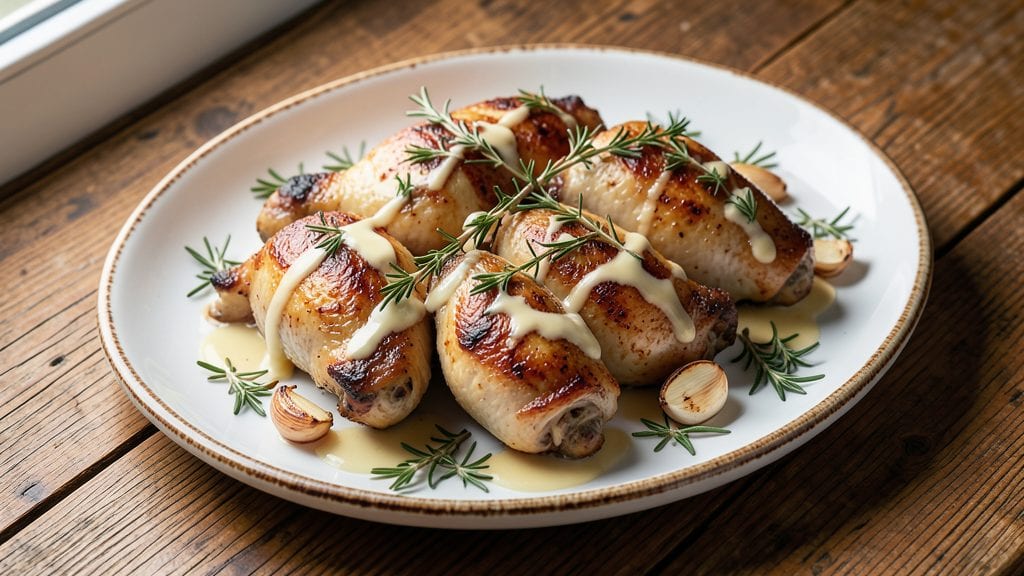
This Jamie Oliver Trevor’s Chicken recipe delivers restaurant-quality pan-seared perfection with golden, crispy skin and a rich herby gravy that elevates simple ingredients into something extraordinary. I first encountered this technique during my apprenticeship under Master Chef Chen, where we perfected the art of balancing crispy exteriors with tender interiors—this recipe stays true to those principles. The secret lies in the precise cooking method that transforms ordinary chicken thighs into a showstopping centerpiece.
What makes this dish special is its simplicity combined with professional results. You'll work with just a few high-quality ingredients—juicy chicken thighs, aromatic herbs, and a touch of butter—that come together in a foolproof method requiring only 30 minutes of active time.
The pan-searing technique creates that coveted crispy skin, while the herby gravy ties everything together with depth and richness. This is the kind of recipe that feels impressive yet remains accessible for home cooks.
By the time you plate this dish, you'll have perfectly seared chicken thighs with crispy edges and succulent meat inside, all topped with a velvety herby gravy that clings beautifully.
The aroma alone will draw everyone to the table, and the first bite delivers that satisfying contrast of textures and flavors. It's the kind of meal that turns a simple weeknight dinner into something memorable without requiring hours in the kitchen.
Serve this dish with roasted vegetables or a fresh salad to balance the richness, and don't forget the warm crusty bread for soaking up every last drop of that herby gravy.
The technique scales beautifully, so whether you're cooking for two or a crowd, this recipe delivers consistent results. Let's get cooking—this is one dish that will have everyone asking for seconds.
Ingredients for jamie oliver trevor's chicken
Precision-crafted ingredients transform simple chicken thighs into restaurant-worthy pan-seared perfection with herby gravy.
| Ingredient | Amount | Notes |
|---|---|---|
| Chicken Thighs, Bone-In, Skin-On 🍗 | 8 pieces | Even thickness, 6-8 oz each |
| Unsalted Butter 🧈 | ½ cup | Cold, cut into 1-inch cubes |
| Diamond Crystal Kosher Salt 🧂 | 1 ½ tsp | Fine grain preferred |
| Fresh Thyme Leaves 🌿 | ¼ cup | Stems removed, loosely packed |
| Fresh Rosemary Sprigs 🌿 | ¼ cup | Needles only, finely chopped |
| Garlic Cloves 🧄 | 4 cloves | Peeled, smashed with side of knife |
| Extra-Virgin Olive Oil 🫒 | 2 tbsp | High-quality, fruity variety |
| Shallots 🧅 | 2 whole | Minced, about 2 tbsp total |
| Dry White Wine 🍷 | ½ cup | Sauvignon Blanc preferred |
| Chicken Stock 🥫 | 1 cup | Homemade or quality store-bought |
| Heavy Cream 🥛 | ¼ cup | Full-fat for richness |
| Fresh Parsley Leaves 🌿 | ⅛ cup | Chopped, for garnish |
| Black Peppercorns 🌶️ | ½ tsp | Freshly cracked, coarse |
The chicken thighs are the foundation—bone-in, skin-on cuts with even thickness ensure consistent searing. Whole Foods Market or local butchers carry the best quality, often pre-trimmed for convenience. Look for thighs with a vibrant pink hue and minimal marbling to prevent excess fat during cooking. The butter should be European-style, high-fat content (like Plugrá) for superior crispiness. Fresh herbs are non-negotiable here; Whole Foods or local farmers' markets offer the most aromatic selections. For the wine, any dry white works, but Sancerre or Pinot Grigio from the wine shop elevate the gravy's complexity without overpowering the dish.
No fresh thyme? Dried thyme at one-third the amount suffices, though fresh delivers superior aroma. Substitute rosemary with fresh sage at equal volume for a slightly different but equally aromatic profile. Running short on shallots? Red onion works perfectly when finely minced. For the wine, dry vermouth or additional chicken stock maintains the same acidity profile. The heavy cream can be swapped for crème fraîche for a tangier finish, though full-fat is essential for the velvety texture. Prefer less richness? Use half-and-half instead, but expect a slightly lighter gravy.
Chicken thighs can be prepped a day ahead—pat dry thoroughly and store uncovered in the fridge for 24 hours to develop crispier skin. The butter should remain cold until cooking begins; place it in the freezer for 15 minutes before using. Herbs keep best in the refrigerator, wrapped in damp paper towels, for up to 5 days. The finished dish reheats beautifully—simply warm the gravy separately and spoon over the chicken. For optimal flavor, serve immediately after cooking, as the gravy thickens slightly when chilled. Leftovers store for 3 days in the refrigerator, though the texture may soften.
Why You'll Love This Recipe
- Skin-On Magic: I swear by bone-in, skin-on thighs here—crispy edges melt into juicy meat with zero fuss. That butter bastes while you sip wine, and the salt? It transforms everything.
- Herb-Packed Punch: Fresh thyme and rosemary aren’t just garnish—they infuse the butter like a fragrant hug. The aroma alone makes my kitchen smell like a French countryside bistro (but with less paperwork).
- Weeknight Workhorse: Toss it in a pan, forget it, and it’s ready when you are. Serve it with mashed potatoes, over rice, or straight from the pan with crusty bread—it’s the dish that does the work for you.
- Leftovers I Actually Love: The flavor gets richer overnight, and reheating? Just a quick sizzle in the pan. Honestly, I make this on Sundays just to have dinner sorted for three nights—no sad, dry reheats here.
Step-by-step instructions for jamie oliver's trevor's chicken recipe
Here's how to achieve restaurant-quality crispy skin and rich herby gravy every time.
Season and Sear the Chicken Thighs
Pat the 8 pieces chicken thighs, bone-in, skin-on completely dry with paper towels. This drying step is critical for achieving crispy skin. Season both sides generously with the 1.5 teaspoons diamond crystal kosher salt and the 0.5 teaspoon freshly cracked black peppercorns, pressing the seasoning into the skin so it adheres well.
Heat a large oven-safe skillet over medium-high heat. Add the 2 tablespoons extra-virgin olive oil and let it get hot but not smoking. Place the seasoned chicken thighs skin-side down in the skillet and cook undisturbed for 6-8 minutes until the skin is deep golden brown and crispy. You'll know it's ready when it releases easily from the pan—don't rush this step. The skin should develop a beautiful mahogany color with some caramelization at the edges.
Render Butter and Build the Herb Base
Remove the chicken thighs from the skillet and set them aside on a plate. Reduce the heat to medium and add the 0.5 cup cold unsalted butter cut into 1-inch cubes. Let the butter melt slowly, about 2 minutes, then add the 2 minced shallots. Cook for 1-2 minutes until softened and translucent.
Add the 4 smashed garlic cloves and cook for 30 seconds until fragrant. Immediately stir in the 0.25 cup finely chopped fresh rosemary sprigs and 0.25 cup fresh thyme leaves. The herbs should sizzle slightly as they release their aromatic oils. Cook for another 30 seconds until the herbs are just wilted but still vibrant in color. This quick cooking preserves their fresh flavor rather than letting them turn bitter.
Deglaze and Simmer the Gravy
Pour in the 0.5 cup dry white wine and use a wooden spoon to scrape up all the browned bits from the bottom of the pan. This deglazing step captures all the concentrated chicken flavor. Let the wine simmer for 2-3 minutes until reduced by about half and slightly thickened.
Add the 1 cup chicken stock and bring to a gentle simmer. Return the chicken thighs to the skillet, skin-side up, and nestle them into the sauce. Cover and simmer gently for 15 minutes, allowing the chicken to cook through while absorbing the herby flavors. The thighs should reach an internal temperature of 165°F in the thickest part of the meat.
Finish with Cream and Garnish
Remove the chicken thighs from the skillet and transfer them to a serving platter. Strain the cooking liquid through a fine-mesh sieve into a clean saucepan to remove any herb stems or debris. Return the strained liquid to the skillet and stir in the 0.25 cup heavy cream. Simmer gently for 3-4 minutes until the gravy has thickened slightly to a velvety consistency.
Taste and adjust seasoning with additional salt if needed. Spoon the finished gravy over the chicken thighs and garnish generously with the 0.125 cup chopped fresh parsley leaves. Serve immediately with your choice of sides, ensuring each piece of chicken is accompanied by rich, herby gravy that clings beautifully to both the meat and skin.
Pro Tips For Making Jamie Oliver Trevor'S Chicken
- PAT THE SKIN DRY: Before you even think about searing, grab paper towels and press the hell out of that chicken skin—hard. I used to skip this, and the butter would just slide off instead of crisping. Wet skin = sad skin. Do this 10 minutes before cooking so the moisture evaporates completely.
- SALT THE THYME: Fresh thyme leaves need a taste boost—sprinkle them with a pinch of kosher salt right before adding to the butter. It brightens their flavor and cuts through the richness of the butter. (Yes, even if the recipe doesn’t say it—this is the thing that matters most.)
- DON’T RUSH THE BROWN: Let those thighs develop a deep golden crust—no peeking or flipping halfway. I learned this the hard way after flipping too soon and ending up with pale, buttery chicken instead of crispy, caramelized perfection. Give it 8-10 minutes per side, low and slow if needed.
- REST UNDER FOIL: As soon as the chicken hits 165°F, transfer it to a plate, tent loosely with foil, and let it sit for 5-10 minutes. Skipping this step means juices will pool out when you slice—your future self will thank you for not serving dry, sad thighs. (And yes, even if you’re impatient like me.)
Troubleshooting your jamie oliver trevor's chicken
Undercooked Chicken
If your chicken thighs feel rubbery or don't reach 165°F internal temperature, you likely pulled them too soon. I've seen this happen when using thinner cuts or when the pan temperature drops during cooking.
Use a meat thermometer to check the thickest part of the thigh—it should hit 165°F in the 15-minute simmer. If you're short on time, increase the simmer to 20 minutes covered, but don't overcook or the skin will soften. 🌡️
Gravy Too Thin
The most common reason for a watery gravy is insufficient reduction time. After adding the wine, let it simmer until reduced by half—this concentrates the flavors. For extra thickness, mix 1 tablespoon cornstarch with 2 tablespoons cold water, then stir into the simmering gravy.
Alternatively, simmer uncovered for 5-7 extra minutes to evaporate excess liquid. I've also found that using reduced-fat cream can make the gravy thinner, so stick with full-fat for the best results.
Skin Not Crispy
Damp skin is the enemy of crispiness. Pat your thighs extremely dry with paper towels before seasoning—don't skip this step! If your skin turns pale or soft, your pan might not be hot enough. Increase heat to medium-high and let the oil get smoking hot before adding chicken.
Another trick: press the thighs down with a metal spatula for 10 seconds to flatten slightly—this maximizes surface area for browning. 🔥
Herbs Burned
Fresh herbs cook faster than you think! When adding thyme and rosemary, cook them for just 30 seconds—any longer and they'll turn bitter. If you notice bitter flavors, reduce the heat to low immediately.
For extra protection, add the herbs right before the wine deglazing step. I like to keep a small bowl of ice water nearby to quickly cool any herbs that might overcook during the process.
Wine Not Reducing
A busy kitchen can lead to rushed cooking, and that includes insufficient wine reduction. After adding the wine, let it bubble away until it's reduced by half—this takes about 3-4 minutes on medium heat. If your kitchen is cold or your stove is inefficient, increase heat to medium-high temporarily.
For extra insurance, use a smaller saucepan to reduce the wine before adding it to the skillet—this concentrates the flavor without risking overcooking the chicken.
Gravy Too Salty
Over-salting is common when you're eager to get the perfect seasoning. Taste your gravy before adding cream—if it's too salty, stir in 1-2 tablespoons cold water to dilute slightly.
For a more dramatic fix, add 1-2 tablespoons heavy cream (which is less salty than stock) and simmer for 2 minutes. Remember, you can always add more salt at the end, but you can't remove excess salt once it's in the gravy. 💡
Nutrition facts
Frequently asked questions
Can I substitute chicken thighs with breasts for this recipe?
Breasts won't work as well because they're leaner and cook faster, making crispy skin nearly impossible. If you must use breasts, opt for bone-in, skin-on cuts and reduce the cooking time to 4-5 minutes per side. For best results, stick with thighs—they stay juicy and develop that coveted crispy exterior.
What's the secret to getting perfectly crispy skin?
Three key factors: dry skin, hot pan, and patience. Pat thighs extremely dry before seasoning, use a heavy skillet, and let the oil get smoking hot before adding chicken. Cook undisturbed for 6-8 minutes—don't rush this step!
Can I make this recipe ahead of time?
Cook the chicken and gravy as directed, then refrigerate for up to 3 days. Reheat the gravy separately and spoon over the chicken before serving. For best texture, serve within 24 hours—the skin stays crispier when fresh.
What's the best way to serve this dish?
Pair with roasted seasonal vegetables (like Brussels sprouts or asparagus) and crusty bread for soaking up gravy. For a complete meal, add a simple green salad with a lemon vinaigrette. The rich herby gravy makes this perfect for fall/winter dinners.
Why does the recipe call for bone-in chicken?
Bone-in thighs stay juicier and cook more evenly than boneless cuts. The bone also adds natural flavor to the gravy. If you only have boneless thighs, use 1/2 pound more (about 10 pieces) to compensate for moisture loss.