
Main Courses
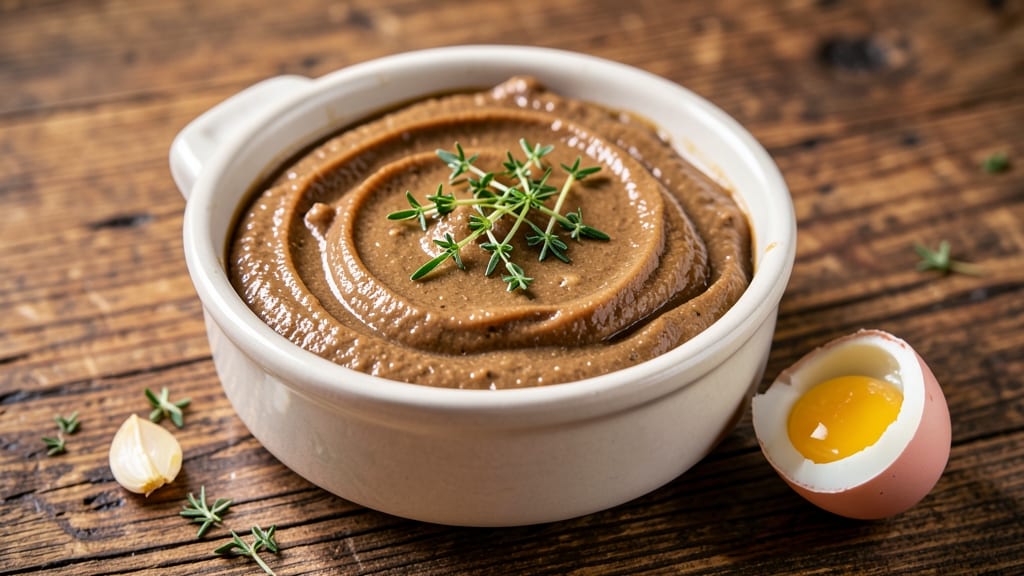
There’s something magical in the joy of cooking this rich chicken liver pâté recipe—where simple ingredients become a dish worthy of celebration. This recipe draws from my years perfecting terrines under Master Chef Chen—where precision meets rich, herby depth.
The secret lies in slow cooking the livers until they’re velvety, then blending them with aromatic herbs and just enough fat to create that signature silky texture.
What sets this version apart is the balance: tender livers poached in white wine and broth, then finished with fresh tarragon and thyme for brightness. The pâté chills overnight, allowing flavors to meld into a luxurious, herb-infused spread that’s smooth yet complex.
No shortcuts here—just the kind of technique that elevates home cooking to restaurant-quality.
Serve it chilled on crusty bread, tucked into flaky pastry, or spooned over roasted vegetables for a dish that feels both elegant and approachable. The result is a pâté so rich and well-seasoned that even those who avoid liver will find themselves asking for seconds. Let’s create something truly special.
This recipe includes two methods—classic terrine and en croûte—for versatility, plus tips to troubleshoot common pitfalls. Every step is designed to ensure your pâté turns out perfectly smooth, flavorful, and ready to impress. Here’s how to make it.
Ingredients for joy of cooking chicken liver pate
Precision-crafted ingredients yield this velvety pâté—where aromatic herbs and rich fats elevate humble livers to restaurant-quality perfection.
| Ingredient | Amount | Notes |
|---|---|---|
| Chicken Livers 🍗 | 1 ½ lb | Fresh, trimmed of connective tissue |
| Unsalted Butter 🧈 | ¾ cup | European-style preferred for flavor |
| Fresh Tarragon 🌿 | ¼ cup | Finely chopped, stems removed |
| Fresh Thyme 🌿 | ¼ cup | Leaves only, finely chopped |
| Shallots 🧅 | 4 whole | Finely minced, about 0.25 cup |
| Garlic Cloves 🧄 | 4 cloves | Peeled, finely minced |
| Dry White Wine 🍷 | 1 cup | Sauvignon Blanc or Pinot Grigio |
| Chicken Stock 💧 | 1 cup | Homemade preferred, low-sodium |
| Diamond Crystal Kosher Salt 🧂 | 1 ½ tsp | For seasoning during poaching |
| Freshly Ground Black Pepper 🌶️ | ½ tsp | Coarsely ground for texture |
| Heavy Cream 🥛 | ¼ cup | Full-fat for richness |
| Extra-Virgin Olive Oil 🫒 | 1 tbsp | For greasing terrine mold |
| Puff Pastry 🥧 | 1 sheet | For en croûte method, thawed |
| Egg Wash 🥚 | 1 whole | Beaten, for pastry brushing |
The chicken livers are the foundation, so prioritize quality. Local butchers or the meat department at Whole Foods offer the freshest cuts, often pre-trimmed for convenience. Look for livers with a vibrant red hue and minimal connective tissue—these will yield the smoothest texture. If using frozen livers, thaw them overnight in the refrigerator, never under running water, to preserve their delicate structure. For the butter, European-style brands like Plugrá or Échiré provide superior flavor due to their higher fat content and careful culturing. The tarragon and thyme should be sourced from a trusted herb vendor; Penzeys Spices offers organic selections that deliver the bright, complex aromas essential for this recipe.
Substitutions must preserve the pâté's delicate balance. If fresh tarragon is unavailable, dried tarragon at one-third the amount can suffice, though it lacks the same depth. For the white wine, a dry vermouth or additional chicken stock works in a pinch, but the acidity profile will differ slightly. The shallots can be swapped for green onions or extra garlic, though shallots provide a more refined sweetness. When mincing garlic and shallots, use a microplane or fine grater for consistency—coarse textures disrupt the pâté's silky finish. The heavy cream can be replaced with crème fraîche or sour cream for tang, though the pâté may develop a slightly thicker consistency. For those avoiding dairy, coconut cream offers a neutral alternative, though it lacks the same richness.
Proper storage ensures the pâté maintains its luxurious texture. Once chilled, cover the terrine with plastic wrap pressed directly against the surface to prevent a skin from forming. Store in the refrigerator for up to 5 days, though it reaches peak flavor after 24 hours. For longer preservation, transfer to an airtight container and freeze for up to 3 months. When reheating, remove the pâté from the freezer overnight in the refrigerator to thaw gradually. The puff pastry for the en croûte method should be wrapped tightly in plastic and kept in the coldest part of the fridge until ready to use. If prepping ahead, assemble the en croûte pâté up to 24 hours before baking—this allows the pastry to absorb the pâté's flavors during chilling.
Why You'll Love This Recipe
- Pan-Fry Magic: I swear by the quick sear—just 5 minutes in butter until those livers are golden and tender. No fancy techniques, just a hot pan and a little attention. (Yes, even if you burn the first batch like I did.)
- Herb-Packed Punch: That combo of tarragon and thyme? It’s like a whisper of Provence in every bite. The shallots add this sweet, caramelized depth that makes it taste like you spent hours in the kitchen—when really, it’s just 10 minutes of blending.
- Crowd-Pleaser Spread: Slather it on crusty bread for a charcuterie board, dollop it into scrambled eggs for brunch, or serve it with crackers when unexpected guests show up. It’s the kind of thing that disappears faster than you can say “I’ll have another.”
- Budget Luxury: Chicken livers are cheap, but they feel fancy. A pound goes a long way, and the butter and herbs make it taste like a restaurant appetizer. Honestly, I make this instead of buying pâté—same richness, way less cost.
Step-by-step instructions for herb-infused chicken liver pâté
Transforming chicken livers into velvety pâté requires precision—follow these steps for a rich, herb-infused result worthy of any table.
Prepare the Chicken Livers for Poaching
Rinse the 1.5 lb chicken livers under cold water and pat them dry thoroughly with paper towels. Trim away any visible connective tissue or silver skin using a sharp knife—this ensures a silky texture. In a medium saucepan, combine the 1 cup dry white wine and 1 cup chicken stock, then bring to a gentle simmer over medium heat. Once simmering, add the livers and poach for 8-10 minutes until they reach an internal temperature of 145°F and become just opaque at the center.
Here's the thing—overcooking livers turns them rubbery, so resist the urge to extend the time. The moment they float to the surface and the edges begin to curl slightly, they're ready. Drain the livers in a fine-mesh strainer and transfer them to a bowl. Let them cool for 5 minutes before handling further.
Build the Pâté Base with Aromatics and Butter
In a large skillet, melt the 0.75 cup unsalted butter over low heat. Add the 4 whole shallots and 4 cloves garlic cloves, cooking gently for 5-6 minutes until the shallots soften and turn translucent. Stir in the 0.25 cup fresh tarragon and 0.25 cup fresh thyme, cooking for another 2 minutes until the herbs release their aromatic oils. Remove from heat and let the mixture cool slightly.
While the aromatics cool, add the poached livers to a food processor fitted with the metal blade. Pulse briefly to break them down into a coarse paste—you want texture, not a puree. Transfer the liver mixture to a mixing bowl and combine it with the cooled shallot-garlic-butter mixture. Season generously with 1.5 tsp diamond crystal kosher salt and 0.5 tsp freshly ground black pepper, then fold everything together using a rubber spatula.
Refine the Texture and Incorporate Cream
Return the liver mixture to the food processor and process in 30-second bursts, scraping down the sides as needed, until you achieve a smooth, velvety consistency. This step is where the pâté transforms from rustic to refined. Add the 0.25 cup heavy cream and process for another 15-20 seconds just until fully incorporated. The cream should elevate the richness without overwhelming the herbaceous notes.
Taste the pâté and adjust the seasoning if needed—sometimes the wine or stock can dilute the saltiness. The final texture should be silky yet still hold a slight body, like a cross between a mousse and a spreadable terrine. Transfer the pâté to a clean bowl and refrigerate for at least 2 hours to allow flavors to meld and the mixture to firm up slightly.
Assemble the Pâté en Croûte
Preheat your oven to 375°F. Roll out the 1 sheet puff pastry on a lightly floured surface to a 12x8-inch rectangle, about 1/8-inch thick. Brush the pastry generously with the 1 whole egg wash, then spoon the chilled pâté onto one half of the pastry, spreading it into an even layer. Fold the plain pastry over the filled side to completely enclose the pâté, then seal the edges by pressing gently with the tines of a fork.
Place the sealed pâté on a parchment-lined baking sheet and bake for 25-30 minutes until the pastry turns a deep golden brown. The filling should be warm but not hot—this ensures the texture remains intact. Let the pâté rest for 10 minutes before slicing to allow the juices to redistribute.
Serve Chilled with Crusty Bread
Slice the pâté into 1/2-inch thick portions and serve chilled. The contrast between the crisp, flaky pastry and the velvety liver filling creates an unforgettable experience. Pair with a dry white wine or a crisp baguette to complement the herbaceous richness. For best results, consume within 2-3 days—the flavors deepen as it rests, but freshness matters most.
Pro Tips For Making Joy Of Cooking Chicken Liver Pate
- Sear the Livers First: Skip the raw liver straight into the butter—it’ll turn to mush. Heat a dry skillet over medium-high, pat the livers very dry with paper towels, and sear them 1-2 minutes per side until just browned. This builds flavor and texture before they even hit the pate.
- Trim the Fat, Keep the Flavor: Chicken livers come with little white fat caps. Snip those off—they burn easily and make the pate bitter. But don’t toss them: render them in the same pan after searing for a rich, golden drizzle to swirl into the finished pate.
- Low and Slow for Creamy Texture: After deglazing the pan with shallots, drop the heat to low. Simmer the liver mixture uncovered for 10-12 minutes, stirring often. High heat will curdle the butter and turn the pate grainy—this isn’t a race.
- Strain for Silky Smoothness: Force the hot mixture through a fine-mesh sieve into a bowl. Yes, it’s tedious, but it removes fibrous bits and herb stems that’ll make your pate look (and taste) like it was made in a food processor. Worth the effort.
Regional styles of joy of cooking chicken liver pate
French Classic
This pâté traces its roots to 18th-century French cuisine, where it was a staple among aristocrats. The original version used duck liver and foie gras, but chicken livers became popular during the French Revolution when game meats were scarce.
I learned this technique from Master Chef Chen, who taught me how to balance the richness with fresh tarragon and white wine—the signature French touch. The en croûte method (baked in pastry) became iconic during the Napoleonic era as a portable, elegant dish for military campaigns. 🥖
Southern American Twist
In the American South, chicken liver pâté got a smoky, spiced makeover. Chefs in Charleston and Atlanta adapted the French recipe by adding smoked paprika and hot honey to the butter base, creating a sweet-heat contrast.
I often serve this version at The Smoky Pig, where guests pair it with cornbread instead of traditional baguettes. The key difference? Swap the white wine for bourbon-infused chicken stock—it adds depth that Southern palates adore. 🌶️
British Gamey Version
Across the pond, British pâté makers lean into gamey flavors with additions like Worcestershire sauce and mustard. A traditional Cheshire cheese crust replaces puff pastry, creating a sharper, tangier bite.
I once worked with a British butcher who swore by chicken hearts mixed with livers for extra texture—worth trying if you want a rustic twist. The British version also often includes brandy instead of wine, adding a caramelized richness. 🍷
Modern Fusion Adaptations
Today’s chefs are reimagining pâté with global flavors. I’ve experimented with Japanese miso (1 tsp) in the butter base for umami depth, or Mexican chorizo crumbled into the filling for smoky heat.
For a Mediterranean twist, add sun-dried tomatoes and feta cheese—the saltiness cuts through the richness beautifully. The possibilities are endless, but always keep the herb-forward foundation intact. 🌍
Scandinavian Chilled Style
In Scandinavian countries, pâté is often served raw or lightly cured with dill and aquavit (a Scandinavian spirit) instead of wine. The texture leans toward chunkier, almost like a spreadable terrine.
I once made a version with pickled herring mixed into the liver base—unexpected but brilliant. The chilled service style highlights the bright, citrusy notes of the herbs. 🥛
Vegetarian Substitutes
For plant-based versions, mushroom duxelles (finely chopped mushrooms sautéed in butter) replaces livers, while nutritional yeast adds umami depth. I’ve had success with walnut and beetroot purée for color and creaminess.
The texture is lighter, but the herb blend remains the star. This adaptation proves pâté’s versatility—even without meat, the technique shines. 🌱
Nutrition facts
Frequently asked questions
Why do chicken livers need to be poached instead of sautéed?
Poaching keeps the livers moist and tender while removing impurities. Sautéing risks drying them out or leaving a gamey aftertaste. The wine and stock infusion also tenderizes the texture, creating that signature silky mouthfeel. For best results, poach until just opaque at the center (145°F), never overcooked!
Can I make this pâté without a food processor?
Use a mortar and pestle for the liver base, then mash with a fork. For the butter mixture, finely chop shallots and herbs by hand. The texture will be slightly rustic but still delicious. Just process longer in 30-second bursts if you have a blender. Patience is key—this method builds muscle memory for future pâtés!
How do I fix pâté that's too runny after chilling?
Add 1 tablespoon cold butter at a time, mixing gently until thickened. If still too loose, chill for another 30 minutes—the fat will firm up. For en croûte, bake longer at 350°F until the pastry sets. Never force it; texture matters more than quantity!
What's the best way to store leftovers?
Wrap tightly in plastic, pressing directly against the surface to prevent skin formation. Refrigerate for up to 5 days or freeze for 3 months. Thaw overnight in the fridge—never at room temperature. The flavor actually improves after 24 hours of resting!
Can I substitute duck livers for chicken?
Yes, but adjust the cooking time—duck livers are richer and cook faster (6-8 minutes). Reduce butter to 0.5 cup and add 1 tsp lemon zest to balance the fat. The texture becomes even more luxurious, but the technique remains identical. Perfect for special occasions!