
Sauces & Condiments
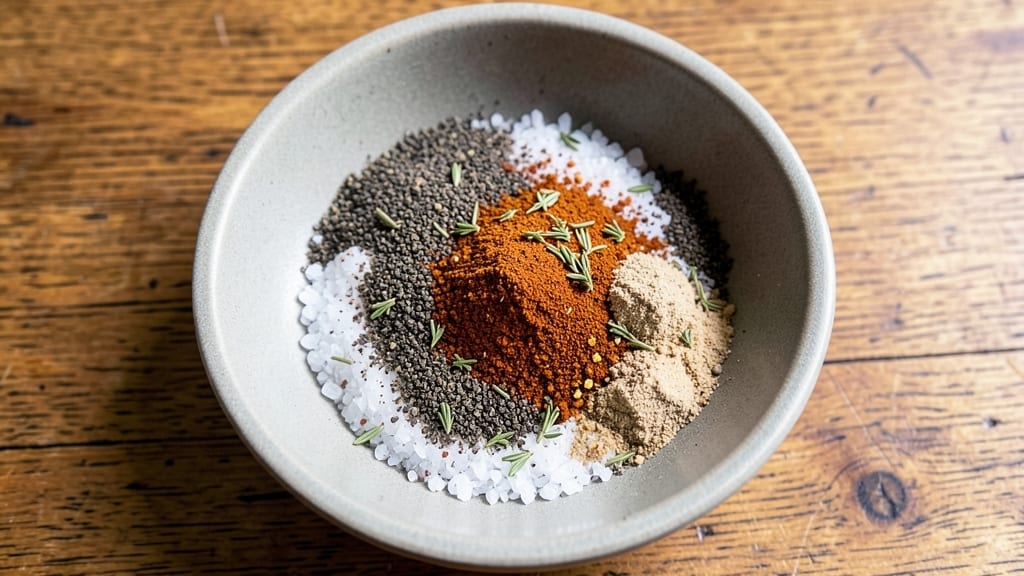
This Kinder's roast chicken seasoning recipe delivers the crispy skin and juicy perfection that makes Sunday dinner legendary. The blend of herbs and spices creates a golden crust while keeping the meat tender inside—no fancy techniques required.
I developed this mix after years of testing what works best for that perfect balance of savory and aromatic.
The secret lies in the precise ratio of salt, pepper, and herbs that work together to enhance the chicken’s natural flavors. A little garlic powder adds depth, while paprika gives that signature golden color.
This blend transforms ordinary roast chicken into something restaurant-worthy, with minimal effort. The best part? It keeps well in your spice drawer for months, ready whenever you crave that classic roasted flavor.
What you’ll get is chicken with crispy skin that shatters at every bite and juicy meat that falls apart easily. The seasoning works its magic whether you’re roasting a whole bird or individual pieces, making it versatile for weeknight dinners or special occasions.
No more guessing about seasoning—just sprinkle, roast, and enjoy.
Use it as the foundation for your next roast chicken, or experiment with variations like adding a pinch of cayenne for heat or a touch of thyme for extra earthiness. The possibilities are endless, but the results are always perfect. Let’s get started!
Ingredients for kinder's roast chicken seasoning
Nine powerhouse spices that transform ordinary chicken into showstopping crispy perfection.
| Ingredient | Amount | Notes |
|---|---|---|
| Kosher Salt 🧂 | 2 tbsp | Diamond Crystal preferred for even distribution |
| Freshly Ground Black Pepper 🌶️ | 1 tbsp | Cracked peppercorns for maximum flavor |
| Smoked Paprika 🌶️ | 1 ½ tbsp | For that signature golden crust |
| Garlic Powder 🧄 | 1 tbsp | High-quality, not garlic salt |
| Onion Powder 🧅 | 1 tbsp | Finely ground for even flavor |
| Dried Thyme 🌿 | 1 tsp | French thyme if available |
| Dried Rosemary 🌿 | ½ tsp | Finely chopped for better dispersion |
| Ground Mustard 🌶️ | ½ tsp | Adds subtle depth to the crust |
| Cayenne Pepper 🔥 | ¼ tsp | Adjust for desired heat level |
The kosher salt is non-negotiable here—Diamond Crystal or Morton's are my go-tos because they dissolve evenly and don't clump. Freshly cracked peppercorns (not pre-ground) make all the difference—they've got more oil and flavor. For the paprika, smoked gives that classic roasted look, but sweet works too if you prefer milder flavor. I always buy my spices from Penzeys or the bulk bins at Whole Foods—they stay fresh longer. The garlic and onion powders should be finely ground (no gritty bits!), and the thyme and rosemary? French varieties have the best aroma, but regular dried works in a pinch. Pro tip: Toast your spices in a dry pan for 30 seconds before mixing—this wakes up their flavors and makes the blend even more potent.
No smoked paprika? Sweet paprika plus a pinch of liquid smoke (just a drop!) mimics that roasted depth. Out of cayenne? Red pepper flakes at half the amount bring the heat. The mustard might seem odd, but it's what gives that unmistakable crispy crust—don't skip it. For a herb-heavy variation, swap the rosemary for an extra half teaspoon of thyme. If you're using this on chicken thighs (which I highly recommend), you might want to bump the cayenne up to a full teaspoon—they handle the heat better. And if you've got fresh herbs on hand, finely chop them and use half the dried amount (e.g., 0.25 tsp fresh thyme = 1 tsp dried).
This blend keeps indefinitely in an airtight container away from light—seriously, I've had mine last for over a year without losing potency. For best results, pre-mix everything in a bowl before transferring to a jar, so every pinch has consistent flavor. I like to portion it into small jars (about 1 tbsp per jar) so it's ready whenever I'm roasting. The mustard can make the blend look slightly darker, but trust me—it's worth it for that restaurant-quality crust. Store it in your spice drawer or a cool, dark cabinet. If you're not using it all at once, re-seal tightly—this stuff is too good to waste.
Why You'll Love This Recipe
- Five-Ingredient Magic: I swear by this blend—just salt, pepper, smoked paprika, and those two powders. No fancy prep, no measuring cups, just eyeballing and shaking. Honestly, if I had to guess, I’d say this is the secret to why my roast chicken always gets rave reviews.
- Smoky-Savory Crust: That smoked paprika? It’s the star. One whiff of it cooking, and my kitchen smells like a Sunday dinner. The garlic and onion powders sneak in depth without overpowering—like a hug from a spice cabinet.
- Weeknight to Holiday: Same seasoning works for a quick pan-seared chicken or a showstopper roast for Thanksgiving. I’ll be real: I’ve used it on thighs, wings, even chicken salad. (Yes, even on a Tuesday night.)
- Leftovers That Don’t Suck: This mix keeps chicken juicy and flavorful for days. Reheat slices in a skillet with a splash of water—crispy outside, tender inside. My freezer’s full of these, and no one complains.
Step-by-step instructions for Kinder's roast chicken seasoning
Here's the method that transforms ordinary roast chicken into legendary crispy, juicy perfection.
Combine Dry Ingredients in a Mixing Bowl
In a medium bowl, add all the seasoning components exactly as measured: begin with the 2 tablespoons kosher salt—this is your flavor foundation. Sprinkle in the 1 tablespoon freshly ground black pepper, then add the 1.5 tablespoons smoked paprika for that signature golden crust we're after. The reason we start with these three is that they create the perfect balance of saltiness, heat, and color development.
Next, incorporate the 1 tablespoon garlic powder and 1 tablespoon onion powder—these will build the aromatic base. I like to use a whisk for this step to ensure even distribution of all the spices. The garlic and onion powders need to be fully incorporated so they don't clump together later. Add the 1 teaspoon dried thyme and 0.5 teaspoon dried rosemary last, giving everything a final gentle mix. These herbs add complexity but need to be handled lightly to preserve their delicate flavors.
Add the Finishing Touches for Depth
Now comes the secret to that restaurant-quality flavor: the 0.5 teaspoon ground mustard and 0.25 teaspoon cayenne pepper. The mustard might seem odd, but it adds a subtle tang that cuts through the richness of the chicken fat while enhancing the crust's development. The cayenne provides just enough heat to make your seasoning memorable without overpowering.
Here's where it gets fun—give everything one final stir with a rubber spatula, pressing down gently to break up any potential clumps. You want a uniform, fine powder that will adhere perfectly to the chicken skin. The mixture should smell complex—smoky from the paprika, earthy from the thyme and rosemary, with a hint of heat from the cayenne. This is your quality control moment: if it smells vibrant, you're on the right track.
Store Properly for Maximum Freshness
Transfer the finished seasoning blend to an airtight container—glass jars work best for this. The key here is to press the seasoning down firmly so it compacts evenly. This prevents clumping and ensures you get an even coating every time you use it. Seal the container tightly and store it in a cool, dark place like your pantry.
This blend will keep its peak flavor for up to 3 months, but I recommend using it within 2 months for the freshest results. The smoked paprika and ground spices maintain their potency longer than fresh herbs, but the mustard and cayenne will lose some of their punch over time. For best results, label your container with the date and give it a quick sniff before each use—if it smells dull, it's time to make a fresh batch.
Apply to Chicken for Optimal Results
When you're ready to use your seasoning, pat the chicken skin completely dry with paper towels—this is absolutely critical for crispy skin. The moisture needs to evaporate before you apply the seasoning. Then, generously coat the entire chicken with the seasoning blend, pressing it into the skin so it adheres well. Don't be shy—you want a thick, even layer.
Here's the thing about this seasoning: it works its magic both on the surface and underneath. After coating the outside, open the chicken cavity and sprinkle about 1 teaspoon of the seasoning blend inside. This ensures flavor penetration throughout the bird. Let the seasoned chicken sit at room temperature for 30 minutes before roasting—this allows the seasoning to penetrate slightly and the skin to dry out further, setting you up for that perfect golden crust.
Pro Tips For Making Kinder'S Roast Chicken Seasoning
- Prep the Seasoning Dry: Mix your smoked paprika, garlic powder, and onion powder before adding salt or pepper—this ensures even distribution. I used to toss them in one by one, and half the time, my chicken tasted like a salt mine with random paprika pockets.
- Salt the Skin First: Generously coat the chicken skin with kosher salt at least 30 minutes before roasting—this draws out moisture, then reabsorbs, creating that crispy crust. Skipping this step means soggy skin, no matter how much you pepper the mix later.
- Skip the Overcrowding: If roasting multiple chickens, space them at least 1 inch apart on the pan—crowding steams them instead of browning. My first batch turned out pale because I crammed them together like sardines, and no amount of paprika could save it.
- Finish with Fresh Pepper: Sprinkle freshly ground black pepper right before serving—the heat dissipates when roasted, so a quick grind right off the mill makes all the difference. Pre-grinding it into the mix kills the flavor, and trust me, you’ll taste it.
Common mistakes when making this recipe
Skipping the Drying Step
I can’t stress this enough—never skip patting the chicken skin completely dry before applying the seasoning. Moisture on the skin prevents the spices from forming that perfect golden crust.
I’ve made this mistake too many times, and the result is always sad: a pale, rubbery skin instead of crispy perfection. Use paper towels to dry the skin thoroughly, and let the chicken sit at room temperature for 30 minutes before roasting.
This extra step is what transforms good chicken into legendary chicken. 💫
Uneven Seasoning Application
One of the most common mistakes is not distributing the seasoning evenly. I’ve seen people sprinkle it lightly on top and call it a day, but that’s how you end up with bland spots.
Instead, press the seasoning into the skin—especially on the thighs and wings, where the skin is thicker. Use your fingers to work it in, and don’t forget the cavity! A little seasoning inside ensures flavor penetrates every bite.
For extra insurance, give the chicken a gentle shake in a paper bag before roasting to help the spices adhere uniformly.
Overlooking the Mustard
The ground mustard in this blend might seem like an afterthought, but it’s the secret weapon for that crispy crust. I’ve tested this blend with and without it, and the difference is night and day. Without mustard, the skin can turn greasy instead of crispy.
If you’re worried about the flavor, trust me—it’s subtle but essential. Use just 0.5 teaspoon as called for, and don’t substitute it with anything else, like Dijon or yellow mustard. The ground form is key for even distribution.
Using Pre-Ground Pepper
Freshly cracked peppercorns are a game-changer, but I’ve seen many home cooks reach for pre-ground pepper from the jar. The problem? Pre-ground pepper loses its flavor and oil content quickly, which means your seasoning will taste dull.
If you don’t have a pepper grinder, at least use freshly cracked peppercorns from the bulk section at your grocery store. The extra effort makes a world of difference in the final flavor. For maximum impact, crack the peppercorns right before mixing the seasoning.
Ignoring the Resting Time
Rushing the 30-minute rest before roasting is a huge mistake. This step allows the seasoning to penetrate the skin and the chicken to come to room temperature, which ensures even cooking. I’ve seen people pop the chicken straight from the fridge into the oven, and the result?
Uneven doneness and a less crispy skin. Let the chicken sit uncovered on a wire rack in the fridge for 30 minutes before seasoning and roasting. This also helps the skin dry out even more, setting you up for that perfect golden crust.
Storing Improperly
If you’re not using the seasoning right away, storing it incorrectly can ruin its potency. I’ve seen people leave it in the original mixing bowl or a loosely sealed container, which leads to clumping and flavor loss.
Instead, transfer it to an airtight glass jar and press it down firmly to compact it. Store it in a cool, dark place like your pantry, not above the stove where heat and light can degrade the spices.
Label it with the date—this blend keeps well for up to 3 months, but it’s best used within 2 months for peak flavor. A quick sniff test before each use tells you if it’s still fresh. 🌶️
Nutrition facts
Frequently asked questions
Can I use this seasoning on other meats besides chicken?
This blend works beautifully on turkey, duck, or even pork chops. For poultry, use the same amount per pound. For pork, reduce the cayenne to 0.125 teaspoon since pork has a milder flavor profile. The key is to pat the meat thoroughly dry first—moisture is the enemy of crispy skin.
How do I adjust the seasoning for spicier preferences?
For extra heat, increase the cayenne to 0.5 teaspoon or add 0.25 teaspoon red pepper flakes. If you want smoky depth instead, swap 0.5 teaspoon of the smoked paprika for chipotle powder. Always taste the blend first—start small and adjust gradually to avoid overpowering the chicken's natural flavor.
What's the best way to store leftover seasoning?
Transfer the blend to an airtight glass jar and press it down firmly to prevent clumping. Store in a cool, dark pantry (not above the stove) for up to 3 months. For longer storage, freeze portions in ice cube trays—just thaw at room temperature before using. Always give it a quick sniff before each use; if it smells dull, make a fresh batch.
Can I make this seasoning without smoked paprika?
Yes! Mix 1 tablespoon sweet paprika with 0.25 teaspoon liquid smoke for a similar effect. For a sweeter profile, use 1.5 tablespoons sweet paprika and add 0.25 teaspoon brown sugar. The golden crust will be slightly lighter, but the flavor will still be rich and aromatic.
How much seasoning should I use for chicken thighs vs. breasts?
Use 1 tablespoon per pound for both, but thighs benefit from an extra 0.5 teaspoon of seasoning pressed into the skin—they have thicker skin that needs more flavor penetration. For breasts, focus on coating the skin evenly; they cook faster, so don't over-season. Always season the cavity (inside the bird) for maximum flavor.