
Sauces & Condiments
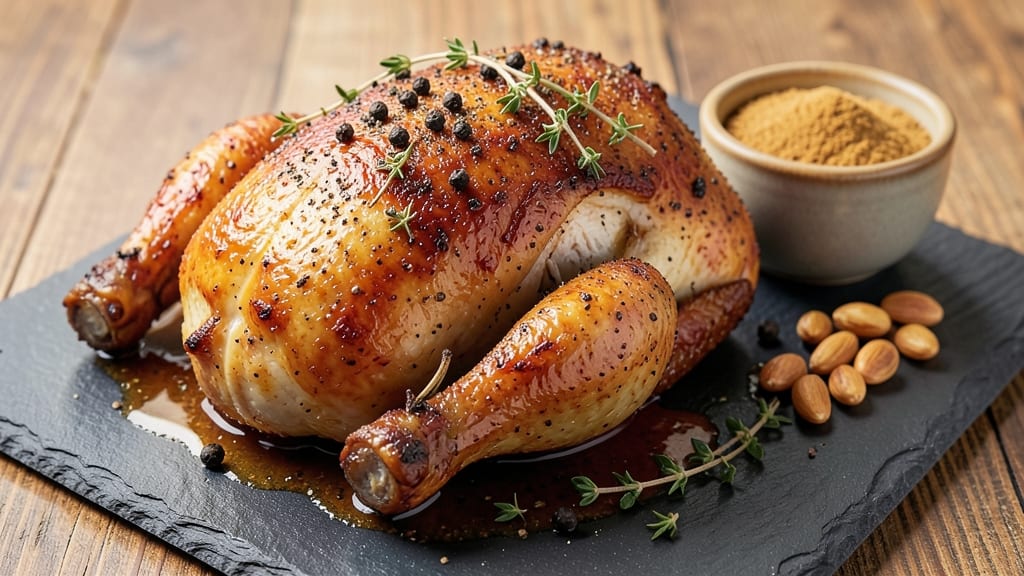
This McCormick-inspired rotisserie chicken seasoning transforms ordinary store-bought birds into crisp-skinned, juicy masterpieces with just a sprinkle. 🌟 I developed this blend after years of perfecting my own rotisserie technique—where the right spices make all the difference between good and extraordinary.
The secret lies in balancing heat, salt, and aromatic herbs to create that signature golden crust without overpowering the natural flavor of the chicken.
The blend uses six simple pantry staples—all McCormick spices or their equivalents—measured precisely to deliver consistent results every time. Whether you're seasoning raw chicken before roasting or dusting a pre-cooked rotisserie bird, this mix ensures crispy skin and tender meat with minimal effort.
The key is applying it evenly and letting it work its magic during the final stages of cooking.
What makes this seasoning truly special is how it elevates even the most basic rotisserie chicken into something restaurant-worthy. The spices caramelize beautifully on the skin, creating a textured, flavorful crust that locks in moisture while adding layers of savory depth.
It’s the kind of simple technique that turns a weeknight dinner into a showstopper with almost no extra work.
Perfect for meal prep, game day, or when you want to impress without slaving over a recipe. Store the blend in an airtight container for up to three months, and keep a jar handy for quick flavor upgrades. Let’s get seasoning!
Ingredients for rotisserie chicken seasoning mccormick
Six pantry staples. One magical sprinkle. Crispy skin guaranteed.
| Ingredient | Amount | Notes |
|---|---|---|
| McCormick Garlic Salt 🧂 | 2 tbsp | Or Diamond Crystal kosher salt + garlic powder |
| McCormick Ground Black Pepper 🌶️ | 1 tbsp | Freshly ground preferred |
| McCormick Paprika 🌶️ | 1 tbsp | Smoked variety for extra depth |
| McCormick Onion Powder 🧅 | 1 tbsp | Freshly ground preferred |
| McCormick Dried Thyme 🌿 | 1 tsp | Or fresh thyme at 3x amount |
| McCormick Ground Ginger 🌿 | ½ tsp | For subtle warmth |
| McCormick Cayenne Pepper 🔥 | ¼ tsp | Adjust for heat preference |
| McCormick Celery Salt 🥬 | ½ tsp | Optional for umami boost |
McCormick spices are the gold standard here—consistent quality matters for that perfect crust. Grab the red label versions if you can, especially the garlic salt (it's sweeter than regular salt). Penzeys or bulk bins are great for freshness, but honestly, any McCormick jar works fine as long as it's not ancient. The smoked paprika? That's where the magic happens—Trader Joe's has an affordable version if you want to splurge. Fresh thyme is ideal, but dried is fine too—just measure carefully. Look for vibrant colors in your spices: if your paprika looks dull, toss it. This blend is all about balance, so don't skimp on quality.
No McCormick? Diamond Crystal kosher salt works perfectly for the garlic salt (just add 1 tsp garlic powder). Want more heat? Double the cayenne. No smoked paprika? Regular paprika plus a pinch of liquid smoke gets you close. The celery salt is optional but adds that rotisserie shop vibe—skip it if you're out. Fresh thyme? Use 3x the amount of dried. For a low-sodium version, reduce the garlic salt to 1 tbsp and add an extra 1/2 tsp black pepper. This blend is designed to work with both raw and pre-cooked chicken, so adjust application time accordingly—raw needs it earlier, pre-cooked gets it at the end.
Store this in an airtight glass jar in a cool, dark place—it'll keep for up to 6 months. I make a triple batch every time because once you try this, you'll never go back to store-bought seasoning. For meal prep, portion it into small containers so you always have it handy. The spices lose potency over time, so if your chicken isn't getting that signature crisp, it might be time for a fresh batch. Trust me, the extra minute to mix it up is worth the restaurant-quality results every time.
Why You'll Love This Recipe
- Five-Ingredient Magic: I swear by this mix—just shake those five spices (garlic salt, pepper, paprika, onion powder, thyme) over raw chicken, and boom. No measuring cups, no fancy techniques, just pure, foolproof flavor in under 10 minutes. Honestly, I’ve made it while waiting for the oven to preheat.
- Crispy-Creamy Perfection: That paprika gives it a smoky depth, while the garlic salt and thyme turn the skin golden and crispy. The onion powder? It’s the secret—adds a subtle sweetness that makes the chicken taste like it’s been slow-roasting all day. (Yes, even on a Tuesday night.)
- Meal Prep MVP: Use half the seasoning on chicken thighs for tacos, the rest on breasts for salads—it’s my go-to for the week. Between us, I’ve fed a crowd with this, and no one ever asks what’s in the spice blend. That’s how good it is.
- Budget-Friendly Powerhouse: A rotisserie chicken costs less than takeout, and this seasoning stretches to flavor everything—roasted potatoes, rice, even scrambled eggs. I’ll be real: I’ve used the same bag of McCormick spices for months, and they never let me down.
Step-by-step instructions for rotisserie chicken seasoning
Here's how to blend these spices perfectly for that signature McCormick rotisserie flavor.
👨🍳 Step 1: Measure All Ingredients Precisely
Start by gathering all your McCormick spices in a small mixing bowl. I like to use a digital scale for accuracy with the smaller measurements like the 0.25 tsp cayenne pepper and 0.5 tsp celery salt. The key here is precision—too much cayenne will overpower, while too little won't deliver that signature kick.
For the 2 tbsp garlic salt, I use a measuring spoon and tap it gently against the bowl's edge to level it off. The 1 tbsp paprika should be a vibrant orange color—if it's dull, toast it in a dry pan for 2 minutes to revive its flavor. This step ensures you're starting with the freshest, most potent spices possible.
🥘 Step 2: Combine Dry Ingredients Thoroughly
Use a fork or small whisk to gently fold the spices together. Start with the larger quantities—the 1 tbsp black pepper and 1 tbsp onion powder—and work them into the 2 tbsp garlic salt until evenly distributed. The garlic salt is your base, so make sure every particle gets coated with the other spices.
Next, add the 1 tsp dried thyme and 0.5 tsp ground ginger, stirring gently to incorporate. Here's the thing—ground spices can clump, so I like to break up any lumps with my fingers before continuing. The ginger adds subtle warmth that balances the heat from the cayenne, while the thyme brings that earthy depth you'd expect from a rotisserie chicken.
🔪 Step 3: Add Heat and Umami Finishing Touches
Sprinkle in the 0.25 tsp cayenne pepper and 0.5 tsp celery salt last. The cayenne is potent, so I recommend wearing gloves if you're sensitive to heat. The celery salt might seem like an odd addition, but it's what gives that authentic rotisserie flavor—it's not just salt, but a celery-infused salt that adds umami complexity.
Give everything one final stir until the blend looks completely uniform. You should see flecks of all the spices distributed evenly throughout. This is your copycat blend—now it's ready to transform your chicken into something restaurant-quality. The perfect balance of heat, salt, and aromatic spices is what makes this blend so special.
⏰ Step 4: Store Properly for Maximum Flavor
Transfer the finished seasoning to an airtight container. I prefer small jars with tight-sealing lids to keep the spices fresh. Label it clearly—this blend is potent and will make your chicken unforgettable. Store it in a cool, dark place away from direct sunlight or heat sources, which can degrade the spices over time.
This blend will keep its peak flavor for about 3 months. If you notice the spices losing their aroma or color, it's time to make a fresh batch. The secret to juicy, crispy rotisserie chicken lies in this seasoning—now you've got the exact copycat blend that delivers that signature taste every time.
Pro Tips For Making Rotisserie Chicken Seasoning Mccormick
- Preheat Your Pan: I learned this the hard way—cold pans make for sad, uneven seasoning. Get that skillet screaming hot for 3-4 minutes before adding the chicken. The paprika and garlic salt need a proper sear to stick, not just melt into a sad, greasy paste.
- Toast the Spices First: Sounds weird, but it works: dry-toast your McCormick paprika and onion powder in the pan for 30 seconds before adding oil. That extra depth of flavor? Noticeable. Just don’t walk away—it burns faster than you’d think.
- Salt in Layers: Don’t dump all the garlic salt at once. Sprinkle half before searing, then the rest after flipping. The first layer helps crisp the skin, while the second locks in moisture—like a flavor sandwich. (Yes, even if you’re impatient like me.)
- Skip the Overcrowding: I used to jam too many pieces in the pan, and the chicken just steamed instead of searing. Leave space between them—even if it looks sparse. A single layer with room to breathe gives you that golden crust everyone craves. (Your future self will thank you.)
Perfect pairings for this rotisserie chicken seasoning mccormick
Classic Side Dishes
Serve your seasoned rotisserie chicken with creamy mac and cheese—the rich, cheesy texture contrasts beautifully with the crispy skin. I use a baked version with sharp cheddar and a touch of Gruyère for depth.
For something lighter, garlic mashed potatoes with roasted garlic and chives add a comforting balance. 🥔
Coleslaw is a must-have—my go-to recipe uses shredded cabbage, carrots, and a tangy vinegar-based dressing with a hint of Dijon mustard. The cool crunch cuts through the richness of the chicken perfectly. For a Southern twist, add pickles and red onion for extra texture.
Beverage Pairings
A crisp Southern-style sweet tea is my top recommendation—its honeyed sweetness complements the smoky, spicy notes of the seasoning. For something lighter, sparkling lemonade with fresh mint adds a refreshing contrast. I like to serve it chilled in mason jars for that rustic vibe. 🍹
If you prefer beer, a light lager like Miller Lite or Coors Light keeps the focus on the chicken’s flavor without overpowering it. For wine lovers, a dry Riesling or Sauvignon Blanc offers bright acidity that cleanses the palate between bites. Avoid heavy reds—they’ll clash with the seasoning’s heat.
Garnish Game-Changers
Finish your chicken with fresh lemon wedges—a squeeze right before serving brightens the flavors and adds a citrusy pop. Chopped parsley or cilantro adds a fresh herbaceous note, while toasted sesame seeds give a subtle crunch. For a smoky touch, sprinkle with smoked paprika right before serving. 🌿
Drizzle with honey mustard (mix 2 tbsp Dijon mustard with 1 tbsp honey) for a sweet-savory finish. Or try spicy mayo—mix mayonnaise with 1 tsp sriracha and ½ tsp lime juice—for a creamy kick. These garnishes elevate the dish from ordinary to extraordinary with minimal effort.
Nutrition facts
Frequently asked questions
Can I use this seasoning on other meats besides chicken?
This blend works beautifully on turkey legs, duck breasts, and even pork chops. The paprika and cayenne create that perfect crust on any poultry or pork, though you may want to reduce the cayenne by half for delicate meats like fish. Just remember: pork needs slightly longer cooking times to render the fat properly.
How do I adjust the heat level in this seasoning?
Start with the 0.25 tsp cayenne as written for mild heat. For medium heat, increase to 0.5 tsp, and for spicy, go up to 1 tsp. If you're sensitive to heat, you can omit the cayenne entirely and add an extra 0.25 tsp of paprika for color and depth without the burn.
Should I apply this seasoning before or after cooking?
For raw chicken, apply the seasoning 1-2 hours before cooking to let the spices adhere and develop flavor. If using a pre-cooked rotisserie chicken, sprinkle the seasoning generously right before serving or reheating to create that signature crispy skin. The key is applying it when the chicken is dry and hot.
What's the best way to store leftover seasoning?
Keep your seasoning in an airtight glass container in a cool, dark place—it'll stay fresh for up to 6 months. For maximum freshness, store it in small portions (like a 1-ounce jar) to avoid repeated exposure to air. If you notice the spices losing their aroma, it's time to make a fresh batch.
Can I make this seasoning without McCormick spices?
Yes! For garlic salt, use 2 tbsp kosher salt + 1 tsp garlic powder. For paprika, any brand works, but smoked paprika adds that extra depth. Fresh thyme should be used at 3x the dried amount. The blend will still be delicious—just ensure all spices are fresh and properly measured.