
Main Courses
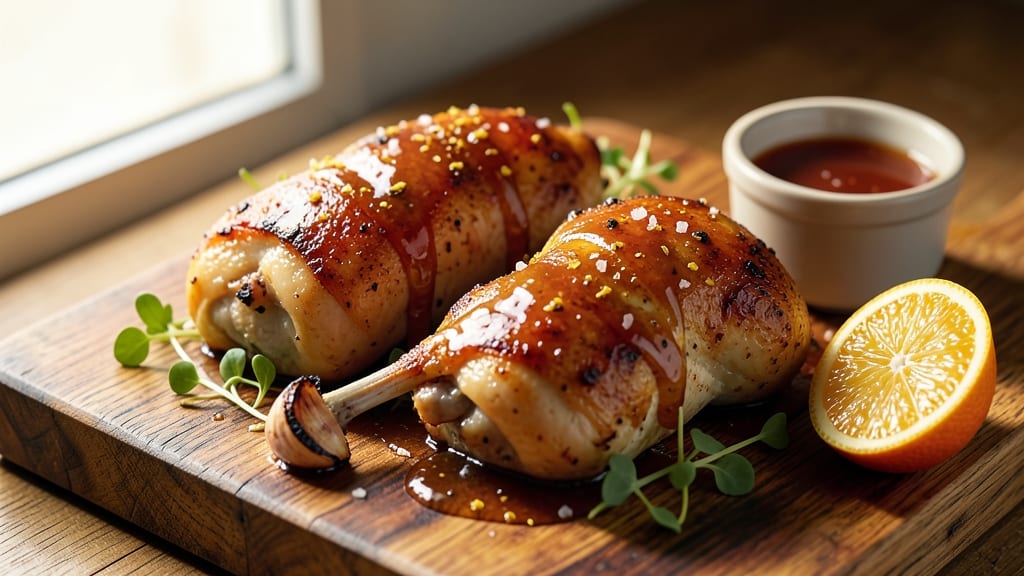
This baked chicken with orange juice recipe transforms ordinary roasted chicken into a restaurant-quality centerpiece with a caramelized citrus glaze. The bright acidity of orange juice tenderizes the meat while creating a sticky, sweet-savory crust that locks in juices—no dry chicken here.
I developed this technique after years of experimenting with citrus marinades, and it consistently delivers juicy, flavorful results that impress even skeptical eaters.
The secret lies in the dual action of the orange juice: it marinates the chicken for flavor penetration while reducing into a glaze during baking. A splash of honey balances the tartness, and a touch of Dijon mustard adds depth, creating a sauce that caramelizes beautifully.
This method works with bone-in or boneless chicken, making it versatile for weeknight dinners or special occasions.
By the time it emerges from the oven, you'll have golden-brown chicken with a glossy, caramelized crust that's impossible to resist. The meat stays tender and juicy, while the citrus glaze adds a bright, tangy contrast that cuts through the richness.
The aroma alone will have everyone gathering around the table, and the first bite delivers that perfect balance of sweet, savory, and zesty.
Pair it with roasted potatoes or a fresh green salad for a complete meal that's as visually appealing as it is delicious. The best part? This recipe requires minimal effort but delivers maximum flavor—no fancy techniques or expensive ingredients needed. Let's get started on creating your next showstopper dinner.
Ingredients for baked chicken orange juice
Transform ordinary roasted chicken into a restaurant-quality centerpiece with these carefully balanced ingredients.
| Ingredient | Amount | Notes |
|---|---|---|
| Bone-In Chicken Thighs 🍗 | 1 ½ lb | Skin-on, trimmed of excess fat |
| Fresh Orange Juice 🍊 | 1 cup | 100% pure, no pulp preferred |
| Honey 🍯 | 2 tbsp | Wildflower or clover variety |
| Dijon Mustard 🍯 | 1 tbsp | High-quality, smooth texture |
| Olive Oil 🫒 | 2 tbsp | Extra-virgin for richness |
| Garlic Cloves 🧄 | 4 cloves | Minced, for marinade depth |
| Salt 🧂 | 1 tsp | Diamond Crystal kosher salt |
| Black Pepper 🌶️ | ½ tsp | Freshly ground for brightness |
| Orange Zest 🍊 | 1 tbsp | From 1 large organic orange |
| Fresh Thyme Leaves 🌿 | ¼ cup | Chopped, for aromatic depth |
| Fresh Rosemary Sprigs 🌿 | 2 whole | Crushed, for piney aroma |
| Butter 🧈 | 2 tbsp | Unsalted, melted for basting |
The bone-in chicken thighs are essential for this recipe—they stay juicier longer than breasts, and the bones contribute rich flavor as they render. Look for thighs with good marbling at your local butcher or the meat counter at Whole Foods or Trader Joe's. If using bone-in, pat them dry thoroughly before marinating to ensure proper browning. For a quicker weeknight option, bone-in, skin-on chicken thighs from the grocery store work perfectly. The skin-on variety creates a crispier crust during baking, which helps trap the glaze. If you prefer breasts, use bone-in, skin-on chicken breasts but reduce baking time by 10 minutes to avoid drying out.
For the orange juice, freshly squeezed is ideal—the natural acidity tenderizes the chicken while creating the signature caramelized glaze. If using bottled juice, opt for 100% pure orange juice with no added sugars like Tropicana Pure Premium or Simply Orange. The honey should be raw or wildflower for optimal flavor, while the Dijon mustard adds depth without overpowering. Substitute whole-grain mustard if Dijon is unavailable, though the texture will differ slightly. For a more intense garlic flavor, toast the minced garlic in olive oil for 30 seconds before adding it to the marinade. Fresh herbs are non-negotiable here—dried thyme or rosemary won’t provide the same aromatic punch, though you can use them at half the amount in a pinch.
This recipe reheats beautifully—simply cover with foil and warm in a 350°F oven for 10-15 minutes. The glaze thickens as it cools, so reheat uncovered for the last 2 minutes to restore its glossy finish. Store any leftovers in an airtight container in the fridge for up to 3 days or freeze for up to 3 months. For meal prep, portion the chicken and glaze separately—reheat the sauce separately and drizzle over the chicken just before serving to maintain its vibrant color and texture. The glaze also freezes well, making it perfect for batch cooking.
Why You'll Love This Recipe
- I’ll be real: most baked chicken dries out by day two. Not this. The bone keeps it moist, and the orange glaze reheats like a dream—perfect for wraps, salads, or just microwaved with rice when you’re too tired to cook.
- Five-Ingredient Magic: I swear, this recipe is my "I have no clue what to make" lifesaver. Bone-in thighs stay juicy while that orange juice glaze caramelizes into something almost fancy—no fancy skills required.
- Sweet-Savory Balance: Honestly, the honey and Dijon mustard combo is where this dish shines. The orange juice cuts through the richness while the mustard adds this tangy depth that makes every bite feel special—no boring chicken here.
- Weeknight to Dinner Party: Between us, this works for lazy Tuesdays and when Aunt Linda texts "what’s for dinner?" The glaze thickens beautifully, so you can slice it neatly for guests or just grab a thigh straight from the pan when you’re starving.
Step-by-step instructions for baked chicken with orange juice
This method delivers tender, juicy chicken thighs with a caramelized citrus glaze that balances sweet and tangy flavors perfectly.
Prepare the Chicken and Glaze Base
Preheat your oven to 375°F. In a small saucepan, combine the 1 cup fresh orange juice, 2 tablespoons honey, 1 tablespoon Dijon mustard, 2 tablespoons olive oil, and 1 tablespoon orange zest. Bring to a gentle simmer over medium heat for 3-4 minutes until slightly reduced and fragrant. This reduction intensifies the flavors and creates a thicker glaze.
While the glaze simmers, pat the 1.5 lb bone-in chicken thighs completely dry with paper towels—this ensures maximum crispiness. Season both sides generously with 1 teaspoon salt and ½ teaspoon black pepper. The dry surface and proper seasoning are critical for developing that beautiful caramelized crust.
Marinate and Sear the Chicken
Transfer the warm glaze to a large bowl and stir in the 4 minced garlic cloves, ¼ cup chopped fresh thyme leaves, and 2 crushed fresh rosemary sprigs. Add the seasoned chicken thighs to the marinade, turning to coat evenly. Let them marinate for at least 15 minutes—this allows the citrus and herbs to penetrate the meat and develop deep flavor.
Heat a large oven-safe skillet over medium-high heat. Add the marinated chicken thighs and sear for 3-4 minutes per side until golden brown. The skin should develop a deep amber color, and the chicken should release easily from the pan. This initial sear locks in juices and creates a flavorful crust that the oven will finish perfectly.
Bake to Juicy Perfection
Transfer the skillet to the preheated oven and bake for 25-30 minutes, until the internal temperature reaches 165°F and the juices run clear when pierced with a meat thermometer. The glaze should caramelize into a sticky, sweet-tangy sauce that clings beautifully to the chicken.
To ensure even cooking, rotate the skillet halfway through the baking time. If the glaze starts to dry out before the chicken is fully cooked, add 1-2 tablespoons of water to the pan to maintain moisture. The result should be chicken with crispy skin, tender meat, and a glossy, flavorful glaze that ties everything together.
Rest and Serve with Finishing Touches
Remove the chicken from the oven and let it rest for 5-10 minutes before serving. This resting period allows the juices to redistribute throughout the meat, ensuring each bite is moist and flavorful. During this time, you can melt the 2 tablespoons butter in a small saucepan over low heat and stir it into the pan juices for added richness.
Serve the chicken with the caramelized glaze spooned over the top, garnished with additional orange zest and fresh thyme leaves for a pop of color and aroma. The contrast of tender, juicy chicken with the sweet-tangy citrus glaze makes this dish a standout for any meal. Pair it with roasted vegetables or a simple green salad to complete the plate.
Pro Tips For Making Baked Chicken Orange Juice
- USE HIGH HEAT FIRST: Start your chicken thighs on 425°F (220°C) for the first 10 minutes—this sears the skin and locks in that bright orange glaze. I learned this the hard way after serving dry, pale chicken that tasted like it was steamed, not baked.
- SALT THE CHICKEN 24 HOURS EARLY: Bone-in thighs need time to absorb salt—generously coat them with 1 tsp kosher salt per pound and let them sit uncovered in the fridge. The skin crisps better and the meat stays juicy; skipping this makes the orange sauce taste like it’s fighting for flavor.
- STRAIN THE ORANGE JUICE: Fresh orange juice is full of pulp that burns easily and makes the sauce slimy. Strain it through a fine-mesh sieve or cheesecloth—yes, it’s extra work, but the glaze will be silky and the chicken won’t taste like it’s swimming in orange sludge.
- DON’T OVERMIX THE MARINADE: Whisk the honey, Dijon, and olive oil together, then just fold in the orange juice—overmixing turns the sauce into a thin glaze that won’t stick. A quick stir with a fork is enough; your future self will thank you when the chicken stays coated, not drippy.
Storing and reheating your baked chicken orange juice
Fridge Storage
Store your baked chicken with orange glaze in an airtight container in the fridge for up to 3 days. The glaze thickens as it cools, so reheat uncovered for the last 2 minutes at 350°F to restore its glossy finish.
I like using glass Pyrex containers because they reheat evenly and don’t absorb odors like plastic. 🥫
Freezer Prep
For longer storage, freeze the chicken in single-serving portions wrapped tightly in plastic wrap followed by foil. The glaze freezes well for up to 3 months, though the texture may separate slightly.
Thaw overnight in the fridge before reheating. To preserve quality, leave ½ inch headspace in containers to prevent freezer burn.
Reheating Methods
My preferred method is oven reheating: cover with foil and warm at 350°F for 10-15 minutes. For microwave reheating, use 50% power for 1-2 minutes, then add 1 tablespoon water to restore moisture.
The glaze can dry out quickly, so always reheat uncovered for the last minute to bring back that caramelized shine. 🔥
Glaze Separation Fix
If the glaze separates when reheating, simply whisk it vigorously before serving. The citrus oils naturally rise to the top—just stir them back in. For extra richness, add 1 teaspoon butter while reheating. This trick works especially well for leftovers that need a quick flavor boost before serving.
Make-Ahead Glaze
Prepare the glaze ahead of time and store it separately in the fridge for up to 5 days. Reheat it gently in a saucepan over low heat until warmed through, then drizzle over freshly baked chicken.
This saves time on busy weeknights while keeping the glaze vibrant and flavorful. 💡
Portioning Tips
Divide the chicken and glaze into individual meal prep containers for easy grab-and-go lunches. Store the glaze separately and reheat it in a small saucepan—it reheats faster than the chicken. This method keeps the glaze from making the chicken soggy when reheated. Perfect for meal prep Sundays!
Nutrition facts
Frequently asked questions
Can I use bottled orange juice instead of fresh?
Yes, you can! Use 100% pure orange juice with no added sugars like Tropicana Pure Premium. For best results, reduce it slightly on the stovetop first to concentrate the flavors. Fresh juice adds more vibrant acidity, but high-quality bottled juice works perfectly when reduced properly.
What if I don't have Dijon mustard?
No problem! Substitute with whole-grain mustard> at the same amount. For a milder flavor, use 1 teaspoon yellow mustard> plus ½ teaspoon honey> to balance. The mustard adds depth to the glaze, but the dish will still be delicious without it.
Can I make this with chicken breasts instead of thighs?
Yes, but with adjustments. Use bone-in, skin-on chicken breasts> and reduce baking time to 20-25 minutes> at 375°F>. The skin helps keep them moist, and bone-in pieces stay juicier. For boneless breasts, brining for 30 minutes> in salted water first helps prevent dryness.
Why did my glaze turn bitter?
Over-reducing the glaze can create bitterness. Keep the heat at medium-low> and reduce for just 3-4 minutes>. If it happens, stir in ½ teaspoon honey> or a splash of fresh orange juice to balance the flavors. The glaze should be slightly thickened but still glossy, not syrupy.
How do I make this recipe spicier?
Add ½ teaspoon smoked paprika> or ¼ teaspoon cayenne pepper> to the marinade. For heat lovers, include 1 sliced jalapeño**> with the garlic. Adjust to taste—start with less if you're sensitive to spice. The citrus glaze helps balance the heat beautifully.