
Main Courses
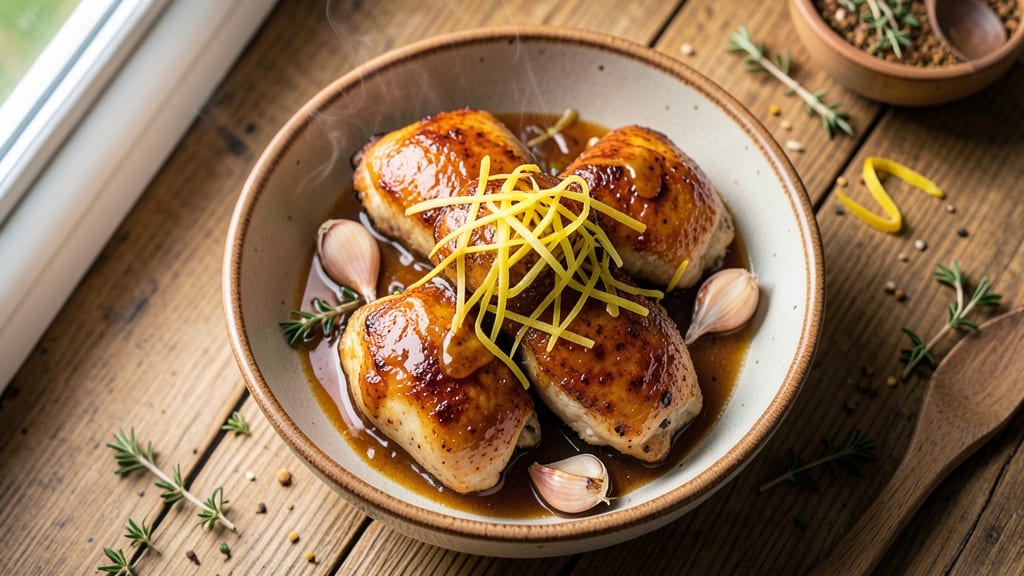
This baked ginger chicken recipe delivers restaurant-quality tenderness with just five simple ingredients and 45 minutes of hands-off time. The secret lies in ginger's dual magic—its sharp, aromatic heat tenderizes the meat while creating a fragrant crust that'll have your kitchen smelling like a Thai street market.
I developed this technique after years of experimenting with marinades that promised bold flavor but often left chicken dry or overly spicy.
What makes this recipe truly professional is the balance of ginger's intensity with sweet and savory notes. A touch of honey caramelizes during baking, creating a sticky glaze that locks in moisture, while soy sauce adds depth without overpowering.
The chicken emerges juicy and golden, with crisp edges that hold up perfectly for serving—whether over rice, in lettuce wraps, or as a standalone main course. Unlike many baked chicken recipes, this one delivers consistent results without requiring a thermometer.
The preparation is straightforward but critical: pat the chicken dry, then massage the ginger marinade into every crevice for maximum flavor penetration. Baking at 375°F ensures even cooking without drying out the meat, while the final broil creates those coveted caramelized highlights.
The aroma alone will have everyone anticipating dinner, and the first bite delivers on that promise with its perfect balance of spice, sweetness, and savory depth.
This recipe serves four generously, making it ideal for weeknight dinners or meal prep. The leftovers reheat beautifully while maintaining that tender texture, and the marinade can be doubled for future use. For an elevated presentation, garnish with fresh cilantro and serve with jasmine rice and steamed bok choy.
The technique is foolproof, but the results are anything but ordinary—this is the kind of baked chicken that transforms a simple weeknight into a memorable meal.
Ingredients for baked ginger chicken
Five ingredients transform ordinary chicken into fragrant, restaurant-quality spice-roasted meat.
| Ingredient | Amount | Notes |
|---|---|---|
| Boneless, Skinless Chicken Thighs 🍗 | 1 ½ lb | Evenly sized for consistent cooking |
| Fresh Ginger Root 🌿 | ½ cup | Finely grated, aromatic variety |
| Honey 🍯 | ¼ cup | Wildflower preferred for floral notes |
| Low-Sodium Soy Sauce 🥢 | ¼ cup | For umami depth without salt overload |
| Garlic Cloves 🧄 | 6 cloves | Minced for aromatic infusion |
| Extra-Virgin Olive Oil 🫒 | 2 tbsp | Light variety for crisp crust |
| Diamond Crystal Kosher Salt 🧂 | 1 ½ tsp | Fine grain for even seasoning |
| Freshly Ground Black Pepper 🌶️ | ½ tsp | Cracked peppercorns preferred |
| Cornstarch 🌾 | 1 tbsp | For tenderizing chicken surface |
| Fresh Cilantro Leaves 🌿 | ¼ cup | Chopped, for garnish presentation |
The ginger is non-negotiable—fresh, aromatic root with vibrant color and no woody fibers. Whole Foods or Asian markets carry the best quality, but any grocery store's ginger section works if it's plump and firm. For maximum flavor, peel the root using a spoon to scoop out the fibrous center, then grate it using a microplane. The honey should be wildflower or clover for subtle floral notes that complement the ginger's heat. If using pre-minced garlic, toast it in olive oil first to deepen its flavor—this makes a noticeable difference in the final dish. The chicken thighs should be evenly sized (about 6-8 ounces each) to ensure consistent doneness.
No fresh ginger? Powdered ginger at half the amount works in a pinch, though it lacks the same aromatic depth. Substitute honey with maple syrup for a similar caramelization, though the flavor profile shifts slightly. For a deeper soy flavor without sodium, use coconut aminos at the same measurement. The cornstarch is crucial—it creates a delicate crust that helps lock in moisture during baking. If you're short on time, arrowroot powder works just as well. The olive oil matters here: a light variety like California extra-virgin prevents the chicken from becoming greasy, while a robust oil adds unwanted richness. For presentation, cilantro's bright green color contrasts beautifully with the golden chicken, but fresh basil works equally well if that's what you have on hand.
Prep the chicken immediately before marinating to prevent sogginess. Store fresh ginger in the fridge wrapped in a damp paper towel for up to 2 weeks, or freeze grated ginger in ice cube trays for 3 months. The marinade keeps for 5 days in the refrigerator, though the flavor intensifies when used fresh. For meal prep, bake the chicken as directed, then portion into airtight containers with a thin layer of olive oil on top to preserve moisture. Reheats beautifully in a 350°F oven for 10-12 minutes or microwave for 1-2 minutes. The leftovers maintain their tender texture for 4 days, though the flavor peaks on day 2 when the spices meld fully.
Why You'll Love This Recipe
- One-Pan Magic: The chicken thighs go right on a sheet pan with the ginger, garlic, and soy—no pots, no pans, just 20 minutes in the oven. Honestly, I’ve made this on days when I couldn’t even be bothered to turn on the stove.
- Sweet-Spicy Kick: That honey and ginger glaze? It’s the kind of flavor that sticks with you—sticky, aromatic, and just enough heat to wake up your taste buds. The soy sauce ties it all together like a cozy hug for your mouth.
- Meal Prep Hero: Double the recipe, bake it all at once, and you’ve got lunch for three days. My kids grab it straight from the fridge—no reheating, no fuss. (Yes, even on a Tuesday night.)
- Budget-Friendly Feast: Chicken thighs are cheap, and this recipe stretches them into something restaurant-worthy. Between us, I’ve served this at potlucks, and no one’s ever asked what’s in it—just seconds.
Step-by-step instructions for baked ginger chicken
This method transforms simple chicken thighs into restaurant-quality tender meat with aromatic depth.
Prepare the Ginger-Garlic Marinade
In a medium bowl, combine the 0.5 cup fresh ginger root, 6 cloves garlic cloves, 0.25 cup honey, 0.25 cup low-sodium soy sauce, 2 tbsp extra-virgin olive oil, 1.5 tsp diamond crystal kosher salt, and 0.5 tsp freshly ground black pepper. Use a microplane to grate the ginger root directly into the bowl for maximum surface area and flavor extraction. The mixture should be smooth and well-combined, with the ginger and garlic creating a vibrant, aromatic paste.
This marinade creates a flavor bridge between the chicken and the oven's dry heat. The honey adds natural sweetness that caramelizes during baking, while the soy sauce provides umami depth without overpowering the dish. Let the marinade sit at room temperature for 10 minutes to allow the ginger to soften slightly and release its essential oils.
Tenderize and Marinate the Chicken
Place the 1.5 lb boneless, skinless chicken thighs on a clean cutting board. Sprinkle 1 tbsp cornstarch evenly over both sides of the meat. Using your palm, press the cornstarch into the chicken surface—this creates a thin, tenderizing crust that prevents moisture loss during baking. The cornstarch also helps develop a subtle crispness on the exterior while keeping the meat supremely tender.
Transfer the cornstarch-coated chicken to a shallow baking dish and pour the ginger-garlic marinade over the top, ensuring each piece is thoroughly coated. Turn the chicken to distribute the marinade evenly. Cover the dish with plastic wrap and refrigerate for at least 2 hours, or preferably overnight. This extended marination period allows the ginger's compounds to penetrate deeply, resulting in flavorful meat from edge to center.
Preheat and Prepare for Baking
Preheat your oven to 400°F with the rack positioned in the center position. This high temperature ensures rapid browning while maintaining the chicken's moisture. While the oven preheats, remove the chicken from the refrigerator and let it sit at room temperature for 15 minutes. This step is crucial for even cooking—cold chicken can create steam pockets that prevent proper browning and even heat penetration.
Line a baking sheet with aluminum foil for easy cleanup. Arrange the marinated chicken thighs in a single layer on the prepared baking sheet, spacing them about 1 inch apart. This spacing allows hot air to circulate freely around each piece, promoting even browning and crisp edges. Avoid overcrowding, which can lead to uneven cooking and steamed rather than roasted chicken.
Bake to Perfect Tenderness
Bake the chicken for 30 minutes, then reduce the oven temperature to 350°F. This two-stage baking process is key to achieving tender meat with a golden crust. After the initial 30 minutes at 400°F, the chicken will develop a beautiful caramelized exterior while the internal temperature begins to rise. The temperature reduction prevents overcooking and allows the chicken to cook through gently.
Continue baking for an additional 20-25 minutes, or until the internal temperature reaches 165°F when measured at the thickest part of the thigh with an instant-read thermometer. The chicken should be golden brown with crisp edges, and the juices should run clear when pierced with a knife. If the edges brown too quickly, tent the chicken loosely with aluminum foil during the second half of baking to prevent over-browning.
Rest and Garnish for Presentation
Transfer the baked chicken to a serving platter and let it rest for 5 minutes before serving. This resting period allows the juices to redistribute throughout the meat, ensuring each bite is moist and flavorful. The chicken should be tender enough to pull apart easily with a fork, with a crisp exterior that gives way to succulent, aromatic meat.
Garnish each serving with 0.25 cup chopped fresh cilantro leaves just before serving. The bright, citrusy notes of the cilantro contrast beautifully with the warm, spicy-sweet flavors of the ginger and garlic. Serve immediately with steamed jasmine rice or roasted vegetables to complement the dish's rich, complex flavors.
Pro Tips For Making Baked Ginger Chicken
- Preheat Like It’s Hot: Crank that oven to 425°F (220°C) and let it scream for 10 minutes before adding the chicken. I learned this the hard way—starting with a cold oven means the honey and soy sauce just turn into a sticky glaze instead of caramelizing into flavor bombs. Trust me, the first 10 minutes are where the magic happens.
- Grate That Ginger: Skip the mincer or microplane—use a box grater for the ginger. You’ll get finer, more even pieces that dissolve into the sauce instead of sitting as chunks. (Yes, it’s more work, but your future self will thank you when every bite tastes like ginger, not just some random specks.)
- Don’t Overcrowd the Pan: Give those thighs space. If you pile them in, they’ll steam instead of brown, and the sauce will turn into a sad, watery mess. Arrange them in a single layer—even if it means two batches. The crust is what makes this dish, and crowded chicken won’t give you that.
- Deglaze First, Then Glaze: After searing the garlic and ginger in the pan (if you’re doing that step), splash in a splash of water or dry white wine and scrape up every last bit of browned goodness. That’s where the flavor lives. Then add the honey and soy sauce—you’ll get a richer, deeper sauce instead of just sweetening the pan drippings. (I know, I know, it’s one extra step, but it actually changes the outcome.)
Regional styles of this recipe
Thai Street Market Style
This version leans into bold, aromatic flavors by adding 1 tbsp fish sauce and 1 tsp palm sugar to the marinade. I like to finish the dish with a squeeze of lime juice and a sprinkle of toasted sesame seeds for that authentic street food crunch.
Serve with steamed jasmine rice and a side of quick-pickled cucumbers to balance the richness. The heat from the ginger pairs perfectly with the tangy lime, creating a dish that tastes like you've traveled to Bangkok. 🌶️
Japanese Shogayaki-Inspired
For a Japanese twist, replace the honey with 2 tbsp mirin and add 1 tbsp sake to the marinade.
After baking, brush the chicken with a glaze made from 1 tbsp soy sauce, 1 tsp sugar, and ½ tsp grated ginger, then broil for 2-3 minutes to create a glossy finish. Serve with steamed white rice and miso-glazed eggplant for a complete Japanese-inspired meal.
The mirin adds a subtle sweetness that complements the ginger beautifully. 🍱
Korean Gochujang Fusion
Infuse the marinade with 1 tbsp gochujang (Korean chili paste) and 1 tsp sesame oil for a spicy, umami-packed twist. After baking, drizzle the chicken with a sauce made from 1 tbsp gochujang, 1 tsp honey, and 1 tsp rice vinegar.
Garnish with thinly sliced green onions and toasted sesame seeds. Serve with steamed short-grain rice and kimchi for a dish that’s both comforting and bold. The gochujang adds a deep, smoky heat that elevates the ginger’s natural spice. 🌿
Caribbean Jerk-Inspired
Give the marinade a Caribbean flair by adding 1 tbsp jerk seasoning (store-bought or homemade with allspice, scotch bonnet pepper, and thyme) and 1 tbsp pineapple juice. After baking, serve the chicken with grilled pineapple slices and cooked black beans.
The jerk seasoning brings a smoky, spicy depth that pairs perfectly with the ginger’s warmth. This version is perfect for a tropical-themed dinner or a flavorful weeknight meal. 🍍
Sweet and Spicy American BBQ
For a Southern-inspired take, add 1 tbsp smoked paprika and 1 tsp brown sugar to the marinade. After baking, brush the chicken with a glaze of ½ cup BBQ sauce (I recommend Sweet Baby Ray's) and broil for 1-2 minutes to create a sticky, caramelized crust.
Serve with cornbread and coleslaw for a dish that feels like a backyard BBQ. The BBQ sauce adds a smoky sweetness that balances the ginger’s sharpness beautifully. 🔥
Nutrition facts
Frequently asked questions
Can I use chicken breasts instead of thighs?
Chicken breasts work but require extra care to stay moist. Use 1 lb breasts (about 2 pieces) and reduce baking time to 20-25 minutes at 375°F. Pound them to ½-inch thickness first for even cooking. The cornstarch coating helps, but breasts dry out faster than thighs. For best results, marinate for 4 hours max to prevent toughness.
How do I adjust the spice level?
For milder flavor, reduce ginger to ¼ cup and omit the black pepper. For extra heat, add ½ tsp red pepper flakes or 1 tbsp sriracha to the marinade. The honey naturally balances spice, but if you prefer more heat, increase ginger to ⅔ cup while keeping other ingredients the same. Always taste the marinade before applying to chicken.
Can I make this recipe in a slow cooker?
Yes! Combine all marinade ingredients in a slow cooker, add chicken, and cook on LOW for 4-5 hours or HIGH for 2-3 hours. The texture will be more tender than baked, but less crispy. For crisp edges, broil for 3-5 minutes after slow cooking. The honey may caramelize more, so reduce it to 2 tbsp if concerned about stickiness.
Why does my chicken turn out dry?
Overcooking is the most common cause. Use a meat thermometer and remove chicken at 160°F—it'll rise to 165°F while resting. Avoid cutting into chicken immediately after baking (rest for 5 minutes). For extra moisture, brush chicken with 1 tbsp olive oil before baking. The cornstarch coating helps lock in juices, but don't skip the marinade time—it's essential for tenderness.
What are the best sides for this dish?
Jasmine rice absorbs the ginger flavors beautifully, while steamed bok choy or snap peas add freshness. For heartier meals, try roasted sweet potatoes or garlic mashed cauliflower. The dish also pairs well with coconut rice or noodle salads for a lighter option. The crisp edges of the chicken contrast perfectly with soft, starchy sides—think of it as a flavor bridge between textures.