
Main Courses
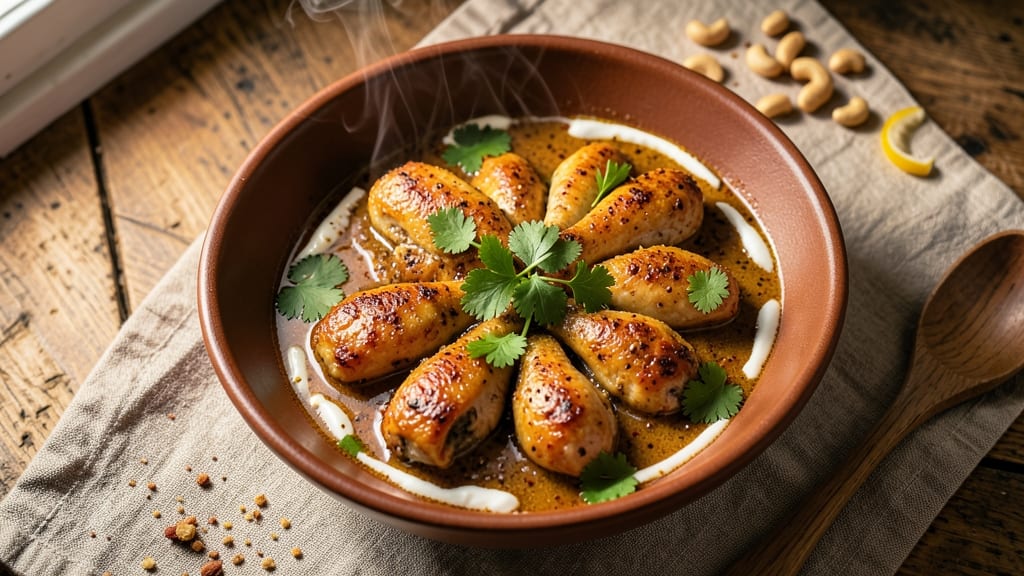
This baked chicken tikka masala recipe delivers restaurant-quality flavor without the stovetop fuss, transforming simple chicken thighs into tender, spiced bites smothered in a velvety coconut curry. The secret lies in marinating the chicken overnight—allowing the spices to penetrate deeply while keeping the meat juicy during the 375°F bake.
Unlike traditional stovetop versions, this method simplifies cleanup while delivering rich, aromatic layers of ginger, garlic, and warm spices.
The creamy coconut sauce forms a luscious blanket over the chicken, balancing the heat of the curry powder with natural sweetness from tomatoes. I developed this recipe after testing multiple methods, and the key adjustment—adding a splash of heavy cream at the end—transforms the sauce from tangy to luxuriously smooth.
The dish pairs perfectly with basmati rice or warm naan, making it ideal for weeknight dinners or meal prep.
What sets this apart is the foolproof baking technique: chicken bakes just until golden, then rests to retain moisture, ensuring every bite is tender yet flavorful. The spices—cumin, coriander, and turmeric—infuse the meat without overpowering, while the coconut milk adds depth that store-bought sauces can’t match.
This version stays true to tradition while adapting to modern kitchens.
For extra richness, stir in a spoonful of yogurt at the end, or garnish with fresh cilantro and a squeeze of lime. The leftovers reheat beautifully, making it a versatile choice for busy schedules.
Ready in under an hour, this dish proves that homemade curry can be both impressive and effortless.
Ingredients for baked chicken tikka masala
Creamy coconut curry meets aromatic spices in this restaurant-style baked chicken tikka masala.
| Ingredient | Amount | Notes |
|---|---|---|
| Boneless, Skinless Chicken Thighs 🍗 | 1 ½ lb | Trimmed of excess fat |
| Plain Yogurt 🥛 | 1 cup | Full-fat for creaminess |
| Greek Yogurt 🥛 | ¼ cup | For marinade thickness |
| Extra-Virgin Olive Oil 🫒 | ¼ cup | For marinade richness |
| Curry Powder 🌶️ | 2 tbsp | Madras or berbere blend |
| Ground Cumin 🌿 | 1 tbsp | Toasted for depth |
| Ground Coriander 🌿 | 1 tbsp | Freshly ground preferred |
| Turmeric Powder 🧂 | 1 tsp | Bright yellow color |
| Garlic Cloves 🧄 | 6 cloves | Minced for marinade |
| Fresh Ginger 🌿 | 2 tbsp | Grated, aromatic |
| Coconut Milk 🥥 | 13 ½ oz | Full-fat canned version |
| Crushed Tomatoes 🍅 | 14 ½ oz | San Marzano preferred |
| Heavy Cream 🥛 | ¼ cup | For sauce richness |
| Fresh Cilantro 🌿 | ¼ cup | Chopped for garnish |
| Lemon Juice 🍋 | 1 tbsp | Freshly squeezed |
| Salt 🧂 | 1 ½ tsp | Diamond Crystal preferred |
| Black Pepper 🌶️ | ½ tsp | Freshly cracked |
The chicken thighs are the foundation—bone-in, skin-on for maximum flavor, but boneless works if preferred. Trader Joe's carries excellent boneless thighs at a good price, though any butcher can trim them for you. For the marinade, Penzeys Spices curry powder delivers authentic heat, but any Madras blend will work. Fresh ginger and garlic are non-negotiable; the frozen dried versions just don't cut it. The yogurt should be full-fat—Fage or Siggi's work perfectly for both marinating and finishing the sauce.
No coconut milk? Light coconut milk plus extra heavy cream maintains the creamy texture. Substituting crushed tomatoes with tomato paste (1 tbsp) plus water works in a pinch, though San Marzano cans elevate the dish. For extra richness, cashew cream can replace half the coconut milk. The heavy cream at the end is crucial—it transforms the sauce from tangy to velvety. If you're avoiding dairy, coconut cream works beautifully instead, though the texture will be slightly lighter.
Marinate the chicken overnight for maximum flavor penetration, then bake at 375°F until golden. The sauce thickens as it bakes, so if it seems too thin, simmer uncovered for 5-10 minutes after removing from the oven. Leftovers keep for 4-5 days in the fridge and freeze beautifully for 3 months. For meal prep, portion into containers with rice—reheating from frozen takes just 10 minutes in the microwave.
Why You'll Love This Recipe
- No-Marination Hassle: I just toss the chicken thighs in yogurt and curry powder—no fancy prep, no waiting hours. The Greek yogurt keeps it thick and flavorful while the olive oil gives it that golden, caramelized crust. Honestly, I’ve made this on nights when I forgot to marinate, and it still turns out tender.
- Rich Without the Work: That blend of plain and Greek yogurt makes the sauce unreal—creamy but not heavy, tangy but not sour. The curry powder adds warmth, and the olive oil ties it all together so the chicken stays juicy. It’s the kind of dish where every bite feels like a hug, but you spend less time in the kitchen than you do eating it.
- Leftover Goldmine: This recipe actually improves the next day. The flavors meld, the sauce thickens just right, and reheating it is a breeze—microwave or oven, no fuss. I’ve packed it for lunches, frozen portions for lazy nights, and even brought it to potlucks. It’s my go-to for when I need to feed a crowd without stress.
- Budget-Friendly Luxury: Chicken thighs are forgiving and affordable, and yogurt is cheaper than you think. A little olive oil and curry powder stretch the flavors so well that you’ll swear you’re eating at a restaurant. Between us, this is how I trick my wallet into feeling fancy. Plus, the leftovers mean fewer takeout nights.
Step-by-step instructions for baked chicken tikka masala
This method delivers rich, aromatic flavors with tender chicken and velvety coconut sauce.
Marinate the Chicken with Yogurt and Spices
In a large bowl, combine the 1 cup plain yogurt, 0.25 cup Greek yogurt, and 0.25 cup extra-virgin olive oil. Whisk until smooth and fully emulsified. This yogurt base creates a tenderizing marinade that prevents dryness during baking.
Add the 2 tbsp curry powder, 1 tbsp ground cumin, 1 tbsp ground coriander, 1 tsp turmeric powder, 1.5 tsp salt, and 0.5 tsp black pepper. Mix thoroughly to distribute the spices evenly. The turmeric will give the marinade its signature golden hue while adding earthy warmth.
Finely mince the 6 garlic cloves and grate the 2 tbsp fresh ginger using a microplane. Add these aromatics to the yogurt mixture along with the 1 tbsp lemon juice. Stir well to incorporate. Place the 1.5 lb boneless, skinless chicken thighs in a separate container and pour the marinade over them, ensuring each piece is fully coated. Cover and refrigerate for at least 4 hours, or preferably overnight for maximum flavor penetration.
Bake the Marinated Chicken Until Fully Cooked
Preheat your oven to 375°F. Remove the chicken from the refrigerator and let it sit at room temperature for 15 minutes to ensure even cooking. Transfer the marinated chicken to a baking dish, discarding any excess marinade. Arrange the thighs in a single layer, not overlapping, to promote even browning.
Bake for 35-40 minutes, or until the internal temperature reaches 165°F when measured at the thickest part of the thigh. The chicken should be golden brown and pull away from the bone easily. If the marinade begins to dry out before the chicken is fully cooked, tent the dish with aluminum foil to prevent over-browning while maintaining moisture.
Real talk: Don't cut into the chicken early to check doneness—this lets precious juices escape. Trust the thermometer reading instead. Once fully cooked, remove the chicken from the oven and transfer it to a clean plate. Let it rest for 10 minutes before serving, allowing the juices to redistribute throughout the meat.
Prepare the Creamy Coconut Curry Sauce
In the same baking dish (don't clean it—the browned bits add depth), reduce the oven temperature to 350°F. Add the 14.5 oz crushed tomatoes to the dish and stir to deglaze, scraping up any stuck-on marinade bits. This step captures all the concentrated flavors from the chicken.
Pour in the 13.5 oz coconut milk and bring the mixture to a gentle simmer. Stir in the 0.25 cup heavy cream and simmer uncovered for 15-20 minutes until the sauce thickens slightly and coats the back of a spoon. The sauce should be creamy but not overly thick—if it's too thick, whisk in 1-2 tablespoons of water to achieve the perfect consistency.
Season the sauce with an additional 0.5 tsp salt and 0.25 tsp black pepper if needed. The sauce should have a vibrant golden color from the turmeric and a rich, aromatic scent from the spices. Taste and adjust seasoning—this is where the magic happens. The lemon juice will brighten the flavors while balancing the richness of the coconut.
Combine Chicken and Sauce for Serving
Return the baked chicken to the sauce in the baking dish. Spoon the sauce generously over the chicken, ensuring each piece is well-coated. Cover the dish with aluminum foil and bake for an additional 10-15 minutes at 350°F to allow the chicken to absorb the sauce flavors.
Garnish with the 0.25 cup chopped fresh cilantro just before serving. The cilantro adds a fresh contrast to the rich, spiced sauce. Serve immediately with basmati rice or naan bread to soak up every last drop of that creamy coconut goodness. The sauce should cling beautifully to the chicken, creating a harmonious balance of textures and flavors in each bite.
Pro Tips For Making Baked Chicken Tikka Masala
- Marinate Overnight, Not Just Hours: I learned this the hard way—chicken thighs need time to soak up that yogurt-curry mix. Toss them in a bowl with half the yogurt, curry powder, and a splash of olive oil, then let them sit in the fridge for 12+ hours. The acid in the yogurt tenderizes the meat, and the spices penetrate deeper than if you just toss them together before baking.
- Use Both Yogurts for Texture: Plain yogurt is your base for marinade, but Greek yogurt adds thickness and richness to the sauce. Mix them in equal parts—Greek yogurt won’t thin out your sauce like plain might, and it gives that creamy, clingy texture you want. (Yes, even if you’re impatient like me.)
- Bake at 375°F, Not Higher: I used to blast the oven to 425°F for crispy chicken, but the yogurt marinade burns before the meat cooks through. Lock in 375°F and bake for 40-45 minutes. The thighs stay juicy, the yogurt doesn’t scorch, and the curry flavors meld instead of charring. (Your future self will thank you.)
- Pat Dry Before Baking: Wet chicken thighs steam instead of brown. After marinating, grab paper towels and press the hell out of those thighs—get them dry. This guarantees a caramelized crust on the outside while keeping the inside tender. (Does it look weird? Yes. Does it work? Every single time.)
Pro cooking tips for this dish
Marinade Mastery
The overnight marinade is non-negotiable for tender, flavorful chicken. I always use full-fat yogurt—Fage or Siggi's work best—because the fat helps emulsify the spices while preventing dryness. The key is to whisk the yogurt, olive oil, and spices into a smooth paste before adding chicken.
This ensures even coating, not just clumps of seasoning on the surface. 💡
For extra depth, I toast the spices lightly in a dry pan for 30 seconds before mixing them into the yogurt. This blooms their natural oils, making the marinade more aromatic.
Store-bought curry powder blends like Penzeys Madras work perfectly, but if you're feeling adventurous, blend your own with 1 tbsp each of cumin, coriander, and turmeric plus ½ tsp cayenne for heat.
Baking Temperature Secrets
Baking at 375°F gives you the perfect balance of golden-brown chicken and a sauce that thickens beautifully. The lower end of this range (350°F) prevents over-browning while ensuring the chicken cooks through evenly.
I always use a meat thermometer—the ThermoWorks Smoke is my go-to—to avoid guessing. The chicken is done at 165°F internal temperature, but it'll keep cooking slightly while resting.
Don't skip the 10-minute rest after baking! This crucial step lets the juices redistribute, preventing dryness. I cover the chicken loosely with foil during this time to keep it warm.
Pro tip: If your sauce reduces too quickly, add 1-2 tbsp water or coconut milk before combining with the chicken to maintain that velvety texture.
Sauce Perfection
The heavy cream at the end is what transforms this from a tangy curry to a luxurious sauce. I always add it 15 minutes before serving so it doesn't curdle from the heat.
For extra richness, I sometimes stir in 1 tbsp cashew butter along with the cream—it adds a subtle nutty depth that pairs beautifully with the coconut.
If your sauce seems too thick after baking, reduce the oven temp to 325°F and simmer uncovered for 5-10 minutes
For a smoother texture, blend it briefly with an immersion blender—just a few pulses to break up any tomato chunks without turning it into a puree. A heavy-bottomed baking dish is crucial—Le Creuset Dutch ovens or All-Clad stainless steel conduct heat evenly and prevent scorching. I avoid non-stick pans for this recipe because the spices caramelize beautifully on the bottom, adding depth of flavor. For the marinade, a food processor makes quick work of mincing garlic and grating ginger, though a microplane works just as well. For garnishing, I always use a sharp chef's knife to chop cilantro—it stays fresher longer than pre-chopped versions. A fine-mesh strainer comes in handy if you prefer a smoother sauce, though I love the rustic texture of whole spices. Don't forget a ladle with a long handle for serving—it makes plating this rich dish much easier without splashing.Equipment Essentials
Nutrition facts
Frequently asked questions
Can I use chicken breast instead of thighs for this recipe?
Chicken breast works but requires extra care to stay moist. Use bone-in, skin-on pieces for better texture, and reduce baking time to 25-30 minutes at 375°F. The skin helps retain moisture, and bone-in pieces cook faster than boneless. For boneless breast, add 1 tbsp yogurt to the marinade and tent with foil halfway through baking.
How do I make this recipe dairy-free?
Replace the yogurt with unsweetened coconut yogurt and use coconut cream instead of heavy cream. For extra richness, blend ½ cup soaked cashews with ½ cup water and use that in place of the yogurt. The sauce will still be creamy but with a nutty depth that complements the coconut beautifully.
Why did my sauce turn out too thin?
This usually happens when the sauce doesn't reduce enough during baking. After removing the chicken, simmer the sauce uncovered at 325°F for 5-10 minutes to thicken. For immediate results, mix 1 tbsp cornstarch with 2 tbsp water, stir into the sauce, and cook for 2 minutes until thickened. Always taste before combining with chicken.
Can I prep this recipe ahead of time?
Marinate the chicken 2 days ahead and store in the fridge. The sauce can be made 1 day ahead—just reheat gently before combining with chicken. For full prep, bake the chicken and sauce separately, then reheat together at 350°F for 15 minutes before serving. The flavors actually improve overnight!
What's the best way to reheat leftovers?
Reheat in a skillet over medium-low heat with 1-2 tbsp water or coconut milk to prevent drying. Cover for 3-4 minutes, stirring occasionally. For microwave reheating, cover with a damp paper towel and heat for 1-2 minutes at 50% power. Never reheat chicken above 165°F—this ensures food safety while keeping it moist.