
Main Courses
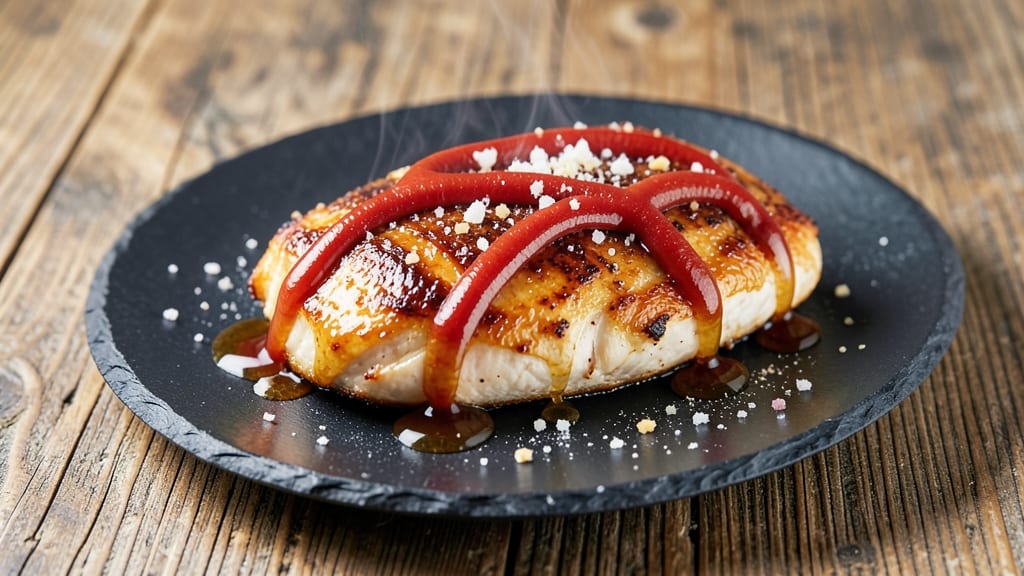
This baked honey glazed chicken breast recipe transforms simple protein into a restaurant-worthy centerpiece with just five ingredients and 30 minutes of hands-on time. The secret lies in the glaze—honey and Dijon mustard create a sticky-sweet barrier that locks in moisture while caramelizing into an amber crust.
I perfected this technique after years of battling dry chicken, and the difference is dramatic: tender, juicy meat with a glossy finish that stays sticky without being soggy.
The process couldn't be simpler: marinate the chicken briefly in olive oil and garlic powder, then bake until just cooked through before brushing on the glaze. This one-pan method ensures minimal cleanup while delivering professional results.
The honey not only adds sweetness but also acts as a natural tenderizer, breaking down muscle fibers for melt-in-your-mouth texture.
What you'll end up with is golden-brown chicken with a perfect balance of sweet and savory flavors—bright from the Dijon, rich from the honey, and herby from the garlic. The glaze caramelizes beautifully in the oven, creating pockets of concentrated flavor in every bite.
This recipe works equally well for weeknight dinners or special occasions, serving as a showstopper that impresses without requiring advanced skills.
Pair with roasted vegetables or a fresh salad to complete the meal. The glaze also reheats beautifully, making it ideal for meal prep. Here's how to achieve perfectly juicy, caramelized chicken every time.
Ingredients for baked honey glazed chicken breast
Five ingredients transform ordinary chicken into a restaurant-quality centerpiece with minimal effort.
| Ingredient | Amount | Notes |
|---|---|---|
| Boneless, Skinless Chicken Breast 🍗 | 1 ½ lb | Pounded to even thickness |
| Extra-Virgin Olive Oil 🫒 | 2 tbsp | Lightly toasted for aroma |
| Raw Honey 🍯 | ⅓ cup | Local preferred for flavor |
| Dijon Mustard 🍯 | 1 tbsp | High-quality for tang |
| Garlic Powder 🧄 | 1 tsp | Freshly ground preferred |
| Kosher Salt 🧂 | ¾ tsp | Diamond Crystal preferred |
| Ground Black Pepper 🌶️ | ½ tsp | Freshly cracked for intensity |
| Fresh Lemon Juice 🍋 | 1 tbsp | From organic lemons |
The chicken breast is the foundation—choose uniform pieces for even cooking. Whole Foods or Trader Joe's carry pre-pounded breasts, but if using whole, pound to ½-inch thickness with a meat mallet. Raw honey should be local if possible, as regional varieties offer nuanced flavors. Whole Foods or specialty grocers stock high-quality honey; avoid pre-packaged supermarket brands with additives. For Dijon mustard, Maille or Brianna deliver the bright tang needed for balance.
No fresh garlic powder? Minced fresh garlic at double the amount works beautifully. Substituting honey? Maple syrup maintains moisture but lacks floral depth, while agave provides sweetness without caramelization. For a tangier glaze, add 1 tsp apple cider vinegar. The olive oil should be extra-virgin—lower grades can impart bitter notes. If unavailable, avocado oil is a suitable alternative, though it lacks olive oil's fruity complexity.
Store raw chicken in the coldest part of your fridge, using within 2 days for optimal texture. The glaze components keep indefinitely at room temperature, but honey crystallizes over time—store it in a warm place to maintain fluidity. Prepped chicken can marinate up to 12 hours, though flavor penetration peaks at 4 hours. Leftovers reheat best at 350°F for 10 minutes, covered with foil to prevent drying.
Why You'll Love This Recipe
- No-Fuss Prep: I swear by this recipe because it’s the kind of meal that doesn’t demand your full attention—just a quick brush of olive oil, a sprinkle of garlic powder, and a drizzle of honey-Dijon mix. Five minutes of hands-on time, and the oven does all the heavy lifting.
- Sweet-Savory Magic: That sticky honey glaze caramelizes into something irresistible, while the Dijon mustard cuts through the sweetness with a sharp, tangy kick. The garlic powder? It’s the secret—subtle but undeniable, like a warm hug for your taste buds.
- Weeknight to Dinner Party: Between us, this chicken is just as happy on a Tuesday night as it is when I’m hosting. Double the batch for leftovers, or serve it sliced over greens for a fancy-but-easy lunch. Honestly, it’s the kind of dish that makes you look like a pro without trying.
- Budget-Friendly Powerhouse: Chicken breast is already affordable, and this recipe stretches it further—every bite is packed with flavor, so you won’t feel like you’re skimping. Plus, the glaze ingredients are pantry staples, meaning no extra grocery runs for fancy add-ons.
Step-by-step instructions for baked honey glazed chicken breast
This method delivers perfectly juicy chicken with a caramelized honey glaze that seals in moisture.
Prepare the Chicken for Even Cooking
Place the 1.5 lb boneless, skinless chicken breast between two sheets of plastic wrap. Using a meat mallet, pound it gently to an even ½-inch thickness throughout. This ensures the chicken cooks uniformly without drying out in the center. I press down firmly but evenly—you want to maintain the shape while eliminating any thick spots that would cook slower.
Once pounded, transfer the chicken to a plate and season both sides generously with 0.75 tsp kosher salt and 0.5 tsp ground black pepper. The salt should adhere to the surface rather than clump. Let it sit at room temperature for 15-20 minutes before baking. This resting period allows the chicken to cook more evenly and prevents overcooking at the edges while the center remains underdone.
Create the Honey Glaze Mixture
In a small bowl, whisk together 0.33 cup raw honey, 1 tbsp Dijon mustard, 1 tsp garlic powder, and 1 tbsp fresh lemon juice until fully combined. The honey should be smooth with no visible streaks of mustard. I like to use a fork for this—it's simple and effective. This glaze acts as both a flavor enhancer and a moisture seal during baking.
In a separate small bowl, lightly toast 2 tbsp extra-virgin olive oil by heating it in a small saucepan over low heat for 1-2 minutes until fragrant. This toasting step deepens the olive oil's flavor without burning it. Let it cool slightly before adding it to the honey mixture. The warm oil will help the glaze adhere better to the chicken.
Preheat and Prepare the Baking Pan
Preheat your oven to 375°F. Line a rimmed baking sheet with parchment paper or foil for easy cleanup. Place the seasoned chicken breast on the prepared sheet, skin-side up if there were skin, but since we're using boneless, orientation doesn't matter. Brush or spoon the honey glaze mixture evenly over the top and sides of the chicken, coating it completely. The glaze should be thin but fully covering.
Here's the thing—don't skip brushing the sides. The glaze will caramelize beautifully and create a flavorful crust all around. If the glaze seems too thick to brush easily, warm it gently in the microwave for 5-10 seconds to make it more fluid. This ensures even coverage and maximum flavor penetration.
Bake Until Juicy Perfection
Bake the chicken for 20-25 minutes, or until the internal temperature reaches 165°F when measured at the thickest part. The honey glaze will bubble and darken to a beautiful amber color during this time. You'll notice the edges start to caramelize first—that's your signal that the glaze is working its magic.
To check for doneness without overcooking, I use an instant-read thermometer. The moment it hits 165°F, remove the chicken from the oven. If you don't have a thermometer, cut into the thickest part—juices should run clear, not pink. Let the chicken rest for 5 minutes before slicing. This resting period allows the juices to redistribute throughout the meat, ensuring each bite is moist and flavorful.
Serve with Caramelized Glaze
Slice the chicken against the grain into ½-inch thick pieces. The glaze will be slightly sticky but should hold its shape. Serve immediately while the glaze is still warm and glossy. The combination of sweet honey, tangy Dijon mustard, and bright lemon juice creates a perfect balance of flavors that complements any side dish.
For an extra touch, drizzle any remaining glaze from the pan over the top before serving. This ensures every bite gets that beautiful caramelized flavor. The chicken should be tender with just a slight resistance when cut—never dry or rubbery. Pair with roasted vegetables or a fresh salad for a complete meal.
Pro Tips For Making Baked Honey Glazed Chicken Breast
- USE A THICK CUT: Boneless chicken breasts vary wildly in thickness—some are paper-thin after pounding. If yours are uneven, slice the thicker ones in half lengthwise to ensure even cooking. Trust me, you don’t want one side dry and the other still raw.
- BRUSH TWICE, BAKE ONCE: Don’t just slap that honey glaze on and walk away. Brush the chicken with olive oil first—this helps the glaze stick better later. Then add the honey-Dijon mix after the chicken’s been searing in the oven for 10 minutes. The oil creates a barrier so the honey doesn’t just pool at the bottom.
- WATCH THE HONEY BURN: Honey caramelizes fast, and once it burns, it’s ruined. After the initial 10 minutes at 400°F (when the chicken’s searing), drop the heat to 350°F and baste the chicken with extra glaze every 5 minutes until done. If you’re tempted to crank the heat higher for faster browning, resist—it’ll turn bitter.
- SALT THE CHICKEN FIRST: Seasoning the chicken before baking is non-negotiable here. Sprinkle both sides with salt (about ½ teaspoon per breast) and let it sit for 10 minutes. This draws out moisture, which means the honey glaze will cling better and the chicken won’t steam itself into mush. (Yes, even if you’re impatient like me.)
Dietary considerations for this baked honey glazed chicken breast
Gluten-Free Adaptations
The original recipe is naturally gluten-free, but always double-check your Dijon mustard label—some brands include wheat additives. I use Maille or Brianna Dijon, which are certified gluten-free. The honey glaze itself contains no gluten, and all other ingredients are inherently safe for gluten-free diets.
Just ensure your garlic powder and kosher salt are processed in gluten-free facilities if you're highly sensitive. 🌾
Dairy-Free Options
This recipe is already dairy-free, making it perfect for lactose-intolerant diets or vegan adaptations (though the chicken itself isn't vegan). The honey glaze relies on Dijon mustard and olive oil, both naturally dairy-free.
For extra richness, you could add 1 tbsp tahini to the glaze, which adds a nutty depth while maintaining the dairy-free status. Always verify your honey source—some commercial brands process with dairy filters.
Low-Sugar Considerations
If you're watching sugar intake, reduce the honey to 2 tbsp instead of ⅓ cup while increasing Dijon mustard to 2 tbsp for tangy balance. For a sugar-free alternative, use 1 tbsp sugar-free maple syrup (like Lakanto) mixed with 1 tbsp water to mimic honey's viscosity.
The lemon juice and garlic powder will still provide bright, savory contrast to the reduced sweetness. 🍯
Allergen-Friendly Swaps
For nut allergies, avoid tahini additions and stick to the original glaze. If you're allergic to mustard, replace the Dijon with 1 tbsp apple cider vinegar plus 1 tsp lemon juice for acidity.
For olive oil allergies, use avocado oil instead—it has a neutral flavor that won't compete with the honey's sweetness. Always check labels on honey and mustard, as cross-contamination is possible in shared facilities.
Protein-Packed Boost
To increase protein content without altering texture, sprinkle 1 tbsp nutritional yeast over the chicken before baking. This adds 2-3 grams of protein per serving while contributing a slightly nutty, umami flavor that pairs beautifully with the honey glaze.
For a meatier texture, consider using chicken thighs instead of breasts—they're naturally juicier and higher in protein, though cooking time may increase to 25-30 minutes.
Nutrition facts
Frequently asked questions
Can I use chicken thighs instead of breasts?
Yes, but you'll need to adjust the cooking time! Chicken thighs stay juicier and cook slower, so bake them for 25-30 minutes at 375°F until the internal temperature reaches 165°F. The honey glaze works beautifully with thighs—they absorb the flavors even better. Just be sure to pound them to ½-inch thickness for even cooking.
Why does my honey glaze turn too thick?
Honey thickens when exposed to cold or if it's old. Warm it gently in the microwave for 5-10 seconds to thin it out before brushing on the chicken. If it's still too thick, add 1 tsp lemon juice to help dissolve it. Always use raw honey for the best texture—processed honey can thicken more easily.
How do I prevent dry chicken?
Pounding the chicken to ½-inch thickness is key, but don't overcook it! Use a meat thermometer and remove it when it hits 165°F. Let it rest for 5 minutes before slicing to lock in juices. Brushing the glaze on the sides helps create a moisture seal during baking. Avoid cutting into it too soon—patience ensures tenderness!
Can I make this ahead of time?
Yes! Prepare the chicken and glaze up to 12 hours ahead and refrigerate uncovered. When ready to bake, let it sit at room temperature for 30 minutes before cooking. The glaze reheats beautifully—simply bake as directed and finish with a quick broil for 1-2 minutes to restore its glossy sheen.
What sides pair best with this dish?
Roasted seasonal vegetables (like Brussels sprouts or asparagus) balance the sweetness perfectly. For a lighter option, try a fresh arugula salad with lemon vinaigrette. The honey glaze also complements heartier sides like mashed sweet potatoes or wild rice—just avoid overly sweet dishes that compete with the chicken's flavor.