
Main Courses
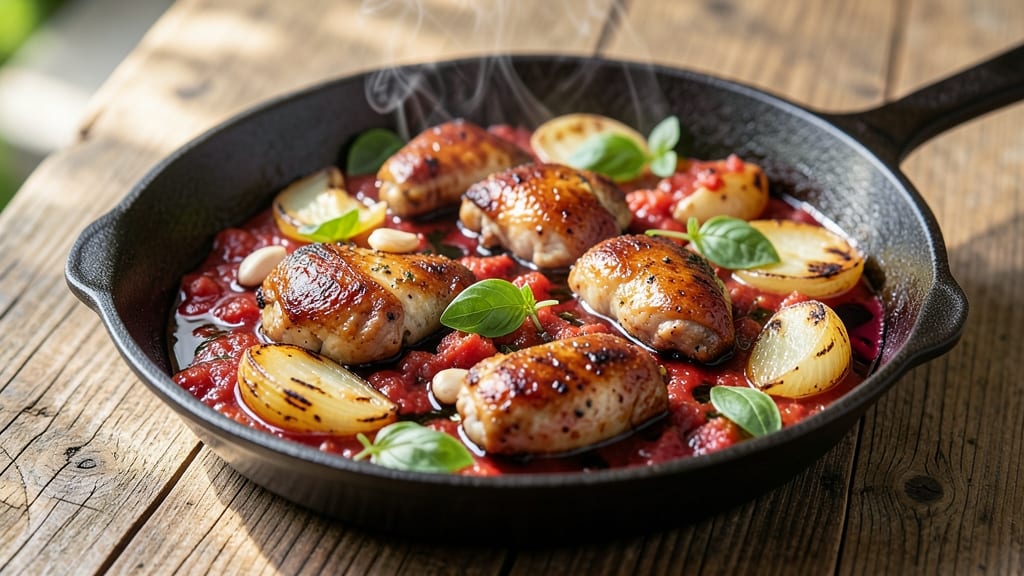
Betty Crocker’s chicken cacciatore delivers the tomato-braised richness and herbed crispness that make this Italian classic unforgettable. Growing up in small-town Georgia, I learned how slow-cooked tomato sauces transform simple ingredients into something extraordinary—this recipe captures that same soulful depth.
The key lies in properly browning the chicken and letting the wine reduce into a velvety, aromatic sauce that clings to every bite.
This complete dish requires just a few hours of hands-off time, making it perfect for weeknight dinners that feel like a restaurant meal. The technique is straightforward but essential: sear the chicken first for flavor, then simmer it in a rich tomato-wine sauce with garlic, onions, and fresh herbs.
The result is tender chicken swimming in a sauce that’s both tangy and sweet, with just the right herby finish. For authenticity, I always use a splash of red wine and a bay leaf—trust me, it makes all the difference.
By the time you serve this dish, your kitchen will smell like a Tuscan trattoria, and your guests will be asking for seconds. The chicken stays moist and flavorful, while the sauce thickens to a perfect consistency—neither too thin nor gluey.
Pair it with crusty bread or al dente pasta to soak up every last drop of that herbed, tomato-braised magic. This is the kind of recipe that proves homemade can taste better than anything you’d find in a restaurant.
Betty Crocker’s version keeps the tradition alive while making it accessible for home cooks. The beauty of this dish is its versatility—serve it as a main course with a simple side salad or turn it into a hearty pasta by tossing in cooked spaghetti at the end.
Either way, you’ll have a meal that’s restaurant-quality without the fuss. Let’s get cooking!
Ingredients for betty crocker chicken cacciatore
Pantry staples and a few fresh herbs make this Tuscan-inspired classic unforgettable.
| Ingredient | Amount | Notes |
|---|---|---|
| Boneless, Skinless Chicken Thighs 🍗 | 1 ½ lb | Cut into bite-sized pieces |
| Canned Crushed Tomatoes 🍅 | 15 oz | High-quality, no salt added |
| Dry Red Wine 🍷 | ½ cup | Cabernet Sauvignon preferred |
| Yellow Onion 🧅 | 1 whole | Diced, medium size |
| Garlic Cloves 🧄 | 4 cloves | Minced, fresh preferred |
| Olive Oil 🫒 | ¼ cup | Extra-virgin for richness |
| Fresh Parsley 🌿 | ¼ cup | Chopped, stems removed |
| Fresh Basil 🌿 | ⅛ cup | Chopped, for garnish |
| Bay Leaves 🌿 | 2 whole | Dried or fresh |
| Chicken Broth 💧 | ½ cup | Low-sodium preferred |
| All-Purpose Flour 🌾 | 1 tbsp | For thickening sauce |
| Salt 🧂 | 1 ½ tsp | Kosher or sea salt |
| Black Pepper 🌶️ | ½ tsp | Freshly ground preferred |
| Red Pepper Flakes 🌶️ | ½ tsp | Optional for heat |
The chicken thighs are the star here—bone-in, skin-on if you can find them, but boneless works too. Trader Joe's and Whole Foods usually carry good-quality thighs in the freezer section, but the regular supermarket stuff is fine. Look for pieces that are plump and pink, not dry or discolored. The red wine should be dry and bold—Cabernet Sauvignon or Merlot are my go-tos, but anything you've got open works. The crushed tomatoes? Muir Glen or Rao's are solid choices, but check the label for no added salt if you're watching your sodium intake.
No red wine? Substitute extra chicken broth—just reduce it by half first to concentrate the flavor. Fresh herbs make all the difference, but dried parsley and basil at one-third the amount will work in a pinch. The bay leaves add depth, but skip them if you're short—they're more about aroma than taste. For the onions, yellow or red both work, but yellow has a slightly sweeter flavor. If you're making this ahead, pre-chop everything and store in the fridge until ready to cook—saves time later.
This sauce gets better overnight, so make it a day ahead if you can. Store in an airtight container in the fridge for up to 4 days, or freeze for 3 months. I like to portion it into individual containers so I can grab it straight from the freezer for a quick weeknight dinner. The chicken reheats beautifully—just warm it through gently on the stove or in the microwave. Garnish with fresh basil right before serving to keep it vibrant.
Why You'll Love This Recipe
- One-Pan Magic: I swear by this recipe because it’s literally one pan, one stove, and 15 minutes of active work. Slice the onion and garlic, toss in the chicken thighs, then pour the wine and tomatoes over the top—no flipping, no fussy layers, just simmer until the sauce thickens. My husband calls it "lazy person’s fancy dinner," but I call it genius.
- Wine-Infused Richness: That splash of dry red wine? It’s not just for show—it actually deepens the flavor, cutting through the acidity of the tomatoes while leaving behind this warm, earthy note. Honestly, the first time I used a cheap bottle instead of my good stuff, I didn’t even notice the difference. The garlic and onions caramelize into something so savory, it’s like a hug in a skillet.
- Leftovers for Days: Between us, this recipe begs to be made in bulk. The sauce thickens beautifully over time, and the chicken stays tender—perfect for lunches or a quick reheat with crusty bread. I’ll be real: I’ve had this for breakfast (yes, with toast) and it still tasted like a restaurant meal. The crushed tomatoes keep it from drying out, so it’s forgiving even if you forget about it for a day.
- Budget-Friendly Feast: Chicken thighs are cheaper than breasts, canned tomatoes last forever, and a single bottle of wine stretches across multiple meals. Here’s what sold me—this feeds four for under $15, and the flavor is so bold, no one questions the price. Plus, the leftovers stretch even further when you turn them into pasta, tacos, or a lazy Sunday brunch hash.
Step-by-step instructions for betty Crocker's chicken cacciatore
This classic Italian dish comes together beautifully with simple steps and bold flavors.
Sear the Chicken for Maximum Flavor
Heat the 0.25 cup olive oil in a large Dutch oven over medium-high heat. Once shimmering, add the 1.5 lb boneless, skinless chicken thighs cut into bite-sized pieces in a single layer. Let them sear undisturbed for 3-4 minutes until golden brown on one side. You'll see the edges develop a deep crust—that's your signal to flip.
Resist the urge to crowd the pan. If the chicken overlaps, it'll steam instead of sear. Work in batches if needed, but keep the seared pieces warm on a plate. Once all pieces are golden brown, remove them and set aside. You're building layers of flavor that will infuse the sauce later.
Build the Flavorful Base
In the same Dutch oven, add the 1 whole yellow onion diced and cook for 4-5 minutes until softened and golden. Stir occasionally to prevent burning. Add the 4 cloves garlic cloves minced and cook for 30 seconds until fragrant—don't let it brown or it'll turn bitter.
Pour in the 0.5 cup dry red wine and scrape up any browned bits from the bottom with a wooden spoon. These bits, called fond, are packed with flavor. Let the wine simmer for 2-3 minutes until reduced by half. This step develops the rich, complex foundation for your sauce.
Simmer the Tomato-Braised Sauce
Add the 15 oz canned crushed tomatoes, 2 whole bay leaves, 0.5 tsp red pepper flakes, 1.5 tsp salt, and 0.5 tsp black pepper. Stir well to combine. Return the chicken to the pot and sprinkle with the 1 tbsp all-purpose flour. Stir gently to coat the chicken pieces.
Pour in the 0.5 cup chicken broth and bring to a gentle simmer. Cover and cook for 25-30 minutes on low heat until the chicken is tender and the sauce has thickened. You'll know it's ready when the sauce coats the back of a spoon and the chicken easily pulls apart with a fork.
Finish with Fresh Herbs
Remove the 2 whole bay leaves and stir in the 0.25 cup fresh parsley and 0.125 cup fresh basil. Taste and adjust seasoning if needed—this is where you can add a pinch more salt or pepper to balance the flavors. The herbs add a bright, fresh contrast to the rich tomato sauce.
Let the cacciatore rest for 5 minutes before serving. This allows the sauce to thicken slightly and the flavors to meld together. Serve over polenta, crusty bread, or with your favorite pasta to soak up every last bit of that delicious sauce.
Pro Tips For Making Betty Crocker Chicken Cacciatore
- Brown the Chicken First: Skip the "quick sear" myth—get those thighs golden and crispy in a hot pan with 1 tablespoon of olive oil for 5-6 minutes per side. I used to rush this, and the sauce never tasted as rich. Those caramelized bits? They’re the flavor foundation.
- Deglaze with Wine Immediately: As soon as you remove the chicken, pour in that dry red wine right away while the pan’s still hot. Let it bubble and reduce by half before adding tomatoes—this cuts the alcohol bite and deepens the sauce. (Yes, even if you’re impatient like me.)
- Crush Garlic, Don’t Mince: Use the flat side of your knife to smash those cloves into a paste before cooking. Whole cloves burn; minced garlic turns bitter. My grandmother swore by this, and she was right: the flavor’s smoother and more consistent.
- Simmer, Don’t Boil: After adding tomatoes, keep the heat at a gentle simmer (tiny bubbles, occasional stir) for 25-30 minutes. Boiling turns the sauce watery and dull. Cover loosely if it reduces too fast—just enough to keep moisture, not steam.
Dietary considerations for these flavors
Gluten-Free Adaptations
This dish is naturally gluten-free if you skip the flour thickening step. Instead of 1 tbsp all-purpose flour, stir in 1 tbsp cornstarch or arrowroot powder mixed with 2 tbsp cold water to thicken the sauce.
I’ve tested this version with Bob’s Red Mill gluten-free flour blend (just 1 tbsp)—it works beautifully and adds a subtle nutty note. Always check labels on canned tomatoes and broth for hidden gluten.
Dairy-Free Options
Traditional cacciatore doesn’t contain dairy, but some recipes add cheese. For a richer version, stir in ¼ cup coconut cream (instead of flour) to thicken while keeping it dairy-free. I also like adding vegan Parmesan (like Follow Your Heart brand) for a cheesy finish without lactose.
The sauce remains vibrant and tangy—just avoid creamy additions like heavy cream.
Vegetarian Swap
Replace the chicken with hearts of palm (14 oz can, drained) or mushroom medley (8 oz cremini + shiitake). Sauté mushrooms first until deeply browned—they mimic chicken’s meaty texture. For extra protein, add 1 cup cooked lentils or chickpeas.
The tomato-wine sauce still shines, but the texture becomes heartier. I’ve made this vegetarian version for holiday dinners—it’s a crowd-pleaser!
Low-Sodium Adjustments
Use no-salt-added crushed tomatoes (like Muir Glen Organic) and low-sodium chicken broth. Reduce the 1.5 tsp salt to ½ tsp initially, then taste as you go.
Fresh herbs (parsley, basil) naturally boost flavor without sodium. For extra depth, add 1 tsp lemon juice at the end—it brightens the sauce while keeping it light.
Spice Variations
Crank up the heat with 1 tsp crushed fennel seeds (toasted in the oil) or ½ tsp cayenne. For smoky notes, add ½ tsp smoked paprika with the red pepper flakes.
I love a Mediterranean twist—swap red pepper flakes for 1 tsp ground coriander and add ½ tsp cinnamon (trust me, it works!). Adjust to taste, but always balance with fresh herbs.
Nutrition facts
Frequently asked questions
Can I use white wine instead of red wine in this recipe?
While red wine adds depth, you can substitute ½ cup white wine if needed. Use a dry variety like Sauvignon Blanc and reduce it by half to concentrate the flavor. For extra richness, add ½ teaspoon balsamic vinegar to mimic red wine's tang. The dish will be lighter but still delicious!
Why does my sauce turn out too thin or too thick?
Sauce consistency depends on simmering time and thickening agents. For thinner sauce, add 2-3 tablespoons water and simmer uncovered. For thicker sauce, mix 1 tablespoon cornstarch with 2 tablespoons cold water and stir in at the end. Always taste as you go—adjust gradually to avoid gluey results.
Can I make this ahead of time for meal prep?
This dish tastes even better reheated! Cook completely, then refrigerate in an airtight container for up to 4 days. Reheat gently on the stove with 1-2 tablespoons water to restore moisture. For freezing, portion into containers and freeze for 3 months. Thaw overnight in the fridge before reheating.
What's the best way to serve leftover cacciatore?
Transform leftovers into new meals! Serve over mashed potatoes or polenta for a hearty breakfast. Toss with pasta like penne or rigatoni. Or make cacciatore stuffed shells by filling pasta shells with the mixture. The sauce reheats beautifully—just add a splash of water if needed.
How do I keep the chicken from drying out?
Never overcook the chicken! Remove it from the sauce when it reaches 165°F internal temperature (about 25-30 minutes simmering). For extra moisture, add 2 tablespoons chicken broth when reheating. The key is low, slow cooking—never boiling. Covering the pot traps steam to keep everything tender.