
Main Courses
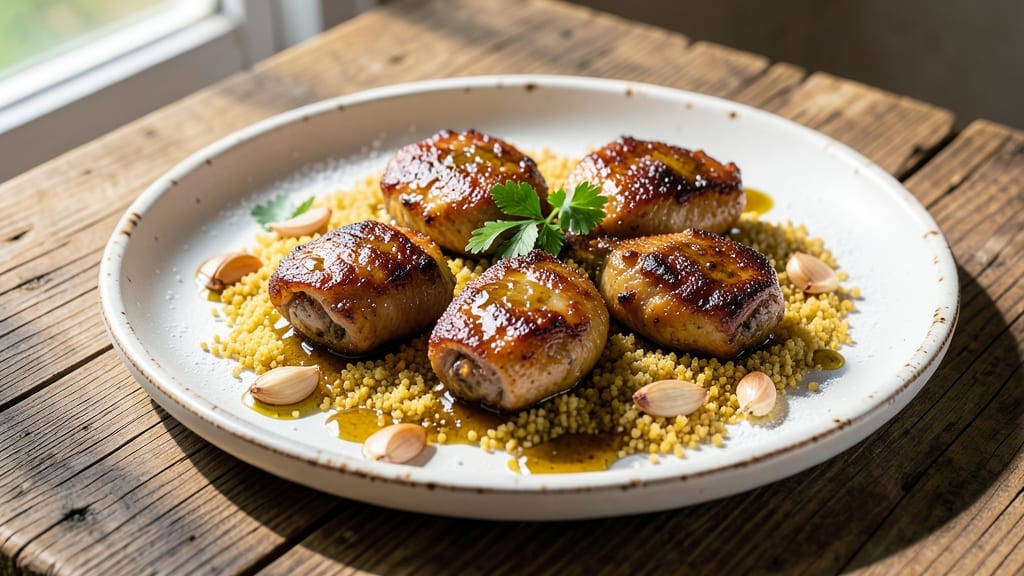
Transforming chicken gizzards into crispy-skinned, juicy-core bites might sound intimidating, but I’ve perfected a method that delivers restaurant-quality results in your home kitchen. The key lies in proper preparation—cleaning, scoring, and cooking at precise temperatures to ensure the outside stays crisp while the inside remains tender.
I learned this technique while testing different methods for my grandmother’s Sunday roast chicken, and it’s now a staple in my recipe repertoire.
This recipe focuses on simplicity without sacrificing flavor or texture. You’ll work with just a few essential ingredients—high-quality gizzards, a flavorful seasoning blend, and a choice of cooking method (frying, braising, or grilling).
The process takes about 45 minutes from start to finish, including prep, and yields bites that are crisp on the outside with a juicy, tender core. The secret? A light coating of flour or cornmeal before cooking, which creates that perfect crunch without overpowering the natural flavor.
By the time you’re done, you’ll have a dish that’s rich in flavor and satisfying in texture—ideal for serving as an appetizer, side, or even a main course. The crispy skin gives way to succulent meat that practically melts in your mouth, making every bite worth the effort.
This is the kind of recipe that turns an often-overlooked cut into something extraordinary, proving that even the simplest ingredients can shine with the right technique.
Whether you’re cooking for a family gathering or just looking to elevate a weeknight meal, this method ensures consistent results. Let’s get started—your taste buds will thank you.
Ingredients for chicken gizzard
High-quality gizzards and precise seasoning transform humble cuts into restaurant-worthy crispy bites.
| Ingredient | Amount | Notes |
|---|---|---|
| Fresh Chicken Gizzards 🍗 | 1 ½ lb | Cleaned, trimmed of connective tissue |
| All-Purpose Flour 🌾 | ¾ cup | For light coating and crisping |
| Yellow Cornmeal 🌽 | ½ cup | For enhanced texture alternative |
| Unsalted Butter 🧈 | ½ cup | Melted for frying, full-fat preferred |
| Olive Oil 🫒 | ¼ cup | Extra-virgin for frying stability |
| Garlic Cloves 🧄 | 6 cloves | Minced for seasoning blend |
| Fresh Rosemary 🌿 | ¼ cup | Chopped, fine for even distribution |
| Fresh Thyme 🌿 | ¼ cup | Leaves only, finely chopped |
| Diamond Crystal Kosher Salt 🧂 | 1 ½ tsp | For balanced seasoning |
| Freshly Ground Black Pepper 🌶️ | 1 tsp | Coarse grind for texture |
| Lemon Zest 🍋 | 1 tsp | Brightens final flavor profile |
| Lemon Juice 🍋 | 1 tbsp | Freshly squeezed for acidity |
| Chicken Broth 💧 | ½ cup | Low-sodium for braising option |
The gizzards are the foundation—source them from a trusted butcher or high-end grocery store like Whole Foods or D'Artagnan. Look for vibrant color and firm texture, avoiding any with a gamey odor. Freshness is critical; if storing, keep them in the coldest part of your fridge for no more than 2 days. The flour and cornmeal should be stored in airtight containers away from heat to maintain crispness. For the herbs, fresh is non-negotiable—dried won't provide the same aromatic depth. The kosher salt should be Diamond Crystal or Morton for proper seasoning balance.
No fresh rosemary? Dried at one-third the amount works, but the flavor won't be as vibrant. Substitute cornmeal with semolina or panko for texture variations. For the butter, European-style unsalted butter like Plugrá adds richness. If you're grilling instead of frying, use avocado oil for its high smoke point. The lemon zest can be omitted if you prefer a more savory profile, but the juice helps tenderize the meat during cooking. For a braising method, beef broth can replace chicken broth with equal results.
Prepped gizzards can be refrigerated for 24 hours before cooking, but best results come from immediate preparation. The seasoning blend keeps well in the freezer for 3 months if stored in an airtight container. Leftover gizzards reheat beautifully in a skillet with a splash of broth—just 2-3 minutes over medium heat to maintain crispness. For meal prep, portion into single servings and freeze with parchment between layers to prevent sticking. When reheating from frozen, add 5 minutes to the cooking time.
Why You'll Love This Recipe
- No-Fuss Prep: I’ll be real—this recipe takes less time than deciding what to eat. Trim those gizzards, toss them in flour and cornmeal, and hit the pan. No brining, no marinating, just 20 minutes of hands-off frying while you stir a pot of rice or toss a salad.
- Crispy-Creamy Magic: That double-dredge in flour then cornmeal? It’s the secret weapon. The outside gets gloriously crispy in butter and olive oil, while the inside stays juicy and tender—like a hug from your grandma’s kitchen, but with more crunch.
- Weeknight or Weekend: Honestly, this works anywhere. Need a quick protein for Tuesday dinners? Done. Hosting a tailgate? Slap these on a platter with pickles and hot sauce. Even my picky husband grabs seconds—no fancy plates required.
- Budget Win: Gizzards are the unsung heroes of affordable protein. A pound feeds four, and the leftovers reheat like a dream. I’ve turned them into fried rice, tacos, and even a pot pie. Your wallet and your taste buds will thank you.
Step-by-step instructions for crispy-skinned, juicy-core chicken gizzards
Mastering these gizzards requires precision in preparation and cooking technique.
Prepare the Gizzards for Maximum Crispiness
Begin by thoroughly rinsing the 1.5 lb fresh chicken gizzards under cold water and patting them completely dry with paper towels. Any moisture remaining will prevent proper browning. Using a sharp knife, trim away any connective tissue or silver skin, as these can make the gizzards tough. The goal is to create a clean surface that will crisp beautifully.
In a medium bowl, combine the 0.75 cup all-purpose flour, 0.5 cup yellow cornmeal, 1.5 tsp diamond crystal kosher salt, 1 tsp freshly ground black pepper, 1 tsp lemon zest, and 6 cloves minced garlic cloves. The cornmeal adds a delightful crunch while the flour creates a light, golden crust. Mix well to distribute the seasonings evenly throughout the blend.
Create the Herb-Infused Butter
In a small saucepan, melt the 0.5 cup unsalted butter over low heat. Remove from heat and stir in the 0.25 cup finely chopped fresh rosemary and 0.25 cup finely chopped fresh thyme leaves. Let the mixture steep for 5 minutes to infuse the flavors, then strain out the herbs using a fine-mesh sieve. This herb butter will later baste the gizzards, keeping them moist while adding aromatic depth.
In a separate small bowl, whisk together the 1 tbsp lemon juice and 0.5 cup chicken broth. This citrus-infused liquid will be used for basting during the final cooking stage, balancing the richness of the gizzards with bright acidity.
Double-Fry for Ultimate Texture Contrast
Heat 0.25 cup olive oil in a heavy skillet over medium heat until it shimmers but doesn't smoke. Working in batches to avoid crowding, coat each gizzard thoroughly in the flour-cornmeal mixture, allowing any excess to fall off. Carefully lower the coated gizzards into the oil and fry for 3-4 minutes per side until they develop a deep golden-brown crust. This initial fry sets the foundation for crispiness.
Remove the gizzards and let them rest on a wire rack for 2 minutes to drain excess oil. Return the skillet to medium heat, add the herb-infused butter, and carefully place the gizzards back in the pan. Cook for an additional 2-3 minutes until the butter melts and the gizzards reach an internal temperature of 165°F. The butter will baste the gizzards, ensuring they remain juicy while developing a glossy finish.
Braise for Juicy Perfection
Transfer the gizzards to a baking dish and pour the lemon juice-chicken broth mixture over them. The acidity in the broth helps tenderize any remaining connective tissue while keeping the gizzards moist. Cover the dish with foil and transfer to a 350°F oven for 15-20 minutes, or until the gizzards are fork-tender and the internal temperature reaches 170°F. This braising step transforms the gizzards from potentially tough to melt-in-your-mouth tender.
Remove from the oven and let the gizzards rest for 5 minutes before serving. The resting period allows the juices to redistribute, ensuring each bite is succulent. Serve immediately with the pan juices drizzled over the top for maximum flavor impact.
Pro Tips For Making Chicken Gizzard
- Trim the Gizzards Properly: Slit open each gizzard lengthwise, then rinse inside and out under cold water—don’t just dunk them. Scrape out any grit or dark membranes with your fingers; those little bits turn bitter when cooked. (Yes, it’s gross, but trust me, you’ll taste the difference.)
- Double-Coat for Crisp: Skip the single flour dip—gizzards need the cornmeal’s texture to stick. Pat them bone-dry after the first flour coating, then press cornmeal firmly into every crevice. The extra layer means a crust that won’t slide off mid-fry.
- Fry in Batches: Overcrowding the pan drops the temperature, and soggy gizzards are the worst. Work in small batches—no more than 2 at a time—and keep the oil at a steady 350°F. (A candy thermometer is worth it here.)
- Rest Before Serving: Pull fried gizzards out of the oil and let them sit on a rack for 5 minutes. This lets the cornmeal set and the butter inside redistribute—otherwise, you’ll end up with a greasy mess. (I learned this after serving a plate of oily, sad gizzards.)
Serving suggestions for this dish
Appetizer Showstoppers
These crispy-skinned gizzards shine as an appetizer when served with a creamy garlic aioli and toasted baguette slices. I like to arrange them on a platter with lemon wedges for squeezing—it adds a bright contrast to the rich, buttery flavor.
For a Southern touch, sprinkle the finished gizzards with smoked paprika and serve with pickled okra on the side. 🍗
Side Dish Pairings
Pair with roasted fingerling potatoes tossed in rosemary and garlic for a hearty side that complements the gizzards' texture. Another favorite is sautéed kale with crispy pancetta—the salty, crispy element cuts through the richness.
For a lighter option, serve with a cucumber and radish salad dressed in white wine vinegar.
Main Course Potential
Turn these gizzards into a full meal by serving them over creamy polenta or mashed potatoes, drizzled with the pan juices. Add charred asparagus or roasted Brussels sprouts for a balanced plate.
For a rustic touch, arrange them on a platter with wilted spinach and toasted pine nuts. 🌿
Garnish Like a Pro
Finish with fresh parsley or thyme sprigs for a pop of color and freshness. A drizzle of hot honey adds a sweet-spicy contrast, while crushed red pepper flakes give guests the option to add heat. For a luxurious touch, top with shaved Parmesan just before serving.
Dinner Party Presentation
For a special occasion, arrange the gizzards on a wooden board with warm crusty bread and a small bowl of extra pan juices for dipping. Add edible flowers or microgreens for a restaurant-worthy presentation. Serve with chilled white wine like Sauvignon Blanc to balance the richness. ✨
Leftovers Reinvented
Repurpose leftover gizzards into a gizzard and potato hash with caramelized onions and fried eggs for breakfast. Or chop them into gizzard salad with arugula, cherry tomatoes, and balsamic glaze. The crispy texture holds up beautifully in these dishes! 💡
Nutrition facts
Frequently asked questions
Why do I need to trim the connective tissue from chicken gizzards?
Trimming the connective tissue is crucial because it prevents the gizzards from becoming tough and chewy. The tissue doesn't break down during cooking like the meat does, so removing it ensures a tender, melt-in-your-mouth texture. Look for any white, stringy bits or silver skin and cut them away before seasoning.
Can I substitute cornmeal with another ingredient?
Yes! For a different texture, swap cornmeal with semolina or panko breadcrumbs. Panko adds extra crunch, while semolina gives a slightly finer, more uniform coating. Just keep the same 0.5 cup measurement to maintain the recipe's balance.
What's the best way to reheat leftover gizzards?
Reheat in a skillet over medium heat for 2-3 minutes with a splash of chicken broth to restore crispiness. Avoid microwaving—they'll turn soggy. For extra flavor, add a pat of butter and a pinch of smoked paprika while warming.
How do I know when gizzards are fully cooked?
Use a meat thermometer to check for an internal temperature of 165°F for frying or 170°F for braising. The meat should also pull away cleanly from the bone when tested with a fork, and the juices should run clear, not pink.
Are chicken gizzards healthy?
Gizzards are packed with protein and nutrients like iron, zinc, and B vitamins. A 3-ounce serving provides about 150 calories and 15 grams of protein—plus, they're a more sustainable cut than many other poultry options.