
Main Courses
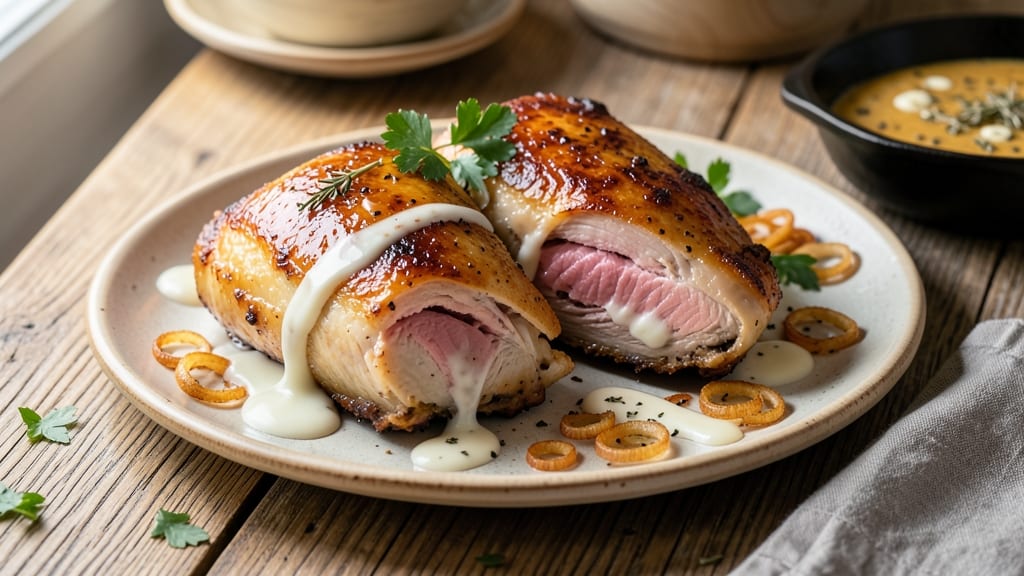
This Amish baked chicken recipe delivers juicy, golden-brown perfection through a simple buttermilk brine that transforms ordinary chicken into restaurant-quality centerpiece. The secret lies in letting the chicken soak overnight—this slow process ensures moisture retention while developing a crispy, flavorful skin that holds up beautifully under the broiler.
I first discovered this technique at an Amish country kitchen where they swear by the "wait-and-see" method, and it changed how I approach baked chicken forever.
The beauty of this recipe is its simplicity: just a few pantry staples and 30 minutes of active prep time, followed by hands-off baking. The buttermilk brine tenderizes the meat while adding subtle tang, and the final broil creates those coveted crispy edges that make every bite irresistible.
This isn't just chicken—it's a foolproof method that works for any cut, from thighs to breasts, and pairs perfectly with classic Amish sides like mashed potatoes or homemade gravy.
What you'll end up with is chicken so tender it nearly falls apart, with skin that's crispy enough to stand up to a fork. The aroma alone—warm, buttery, with just a hint of tang—will have your whole house anticipating dinner.
The best part? This method delivers consistent results, even if you're not an experienced cook. Once you try it, you'll never go back to plain baked chicken again.
Serve with buttery corn muffins or a simple green salad to complete the meal. The flavors are rich enough for company but simple enough for weeknights—restaurant-quality without the fuss. Let's get started with this timeless Amish technique that brings comfort to every table.
Ingredients for amish baked chicken
Pantry staples plus a few key ingredients transform ordinary chicken into restaurant-quality perfection.
| Ingredient | Amount | Notes |
|---|---|---|
| Chicken Thighs 🍗 | 1 ½ lb | Bone-in, skin-on, similar size |
| Buttermilk 🥛 | 1 cup | Full-fat for best flavor |
| Large Eggs 🥚 | 2 whole | Room temperature preferred |
| All-Purpose Flour 🌾 | ½ cup | For dredging chicken |
| Salt 🧂 | 2 tbsp | Kosher or sea salt |
| Black Pepper 🌶️ | 1 tsp | Freshly ground preferred |
| Garlic Powder 🧄 | 1 tsp | For added depth |
| Dried Thyme 🌿 | 1 tsp | Or 1 tbsp fresh thyme |
| Unsalted Butter 🧈 | 2 tbsp | Melted for basting |
| Lemon Juice 🍋 | 1 tbsp | Freshly squeezed |
| Olive Oil 🫒 | 1 tbsp | For greasing pan |
The chicken thighs are the star—bone-in, skin-on pieces ensure maximum flavor and moisture. Look for thighs with good marbling at your local butcher or grocery store's meat counter. I always buy from Whole Foods or Costco for the freshest cuts, but any reputable supermarket will do. The skin should be intact and the meat a vibrant pink—avoid any pieces with grayish tones. If you're using breasts instead, pound them to an even thickness for consistent cooking. The buttermilk is non-negotiable here; it's what creates that signature tang and tender texture. Full-fat works best, but if you only have low-fat, just add a splash of milk to compensate.
No buttermilk? Substitute with milk plus 1 tbsp vinegar or lemon juice—it works in a pinch. For extra flavor, add a pinch of onion powder or smoked paprika to the brine. The eggs in the dredge add structure to the skin, but if you're avoiding them, use 2 tbsp water plus 1 tbsp cornstarch instead. Fresh thyme is ideal, but dried works at one-third the amount. The lemon juice brightens everything up—don't skip it. For the butter, European-style butter like Plugra has higher fat content and gives better results. If you're short on time, you can skip the overnight brine and do a 4-hour soak, though the flavor won't be as deep.
The chicken will keep in the fridge for 2 days before baking, but the flavor improves with the longer brine time. Once baked, it reheats beautifully—just cover with foil and warm in a 350°F oven for 15 minutes. Store leftovers in an airtight container for up to 3 days. For meal prep, bake a double batch and freeze portions for up to 3 months. The crispy skin loses its crunch when reheated, so I always save a piece for sandwiches or salads where texture matters less. The buttermilk brine can be made a day ahead—just store it in the fridge until ready to use.
Why You'll Love This Recipe
- Five-Ingredient Magic: The buttermilk marinade does all the work—just soak the thighs overnight (or even 30 minutes if you're in a rush), pat them dry, and toss in flour. That’s it. No fancy techniques, no stress.
- Crispy-Creamy Heaven: The buttermilk tenderizes the meat while the flour creates that golden, shatteringly crisp crust. One bite and you’ll understand why this is my go-to for dinner—it’s the kind of flavor that makes people pause mid-conversation.
- Leftovers That Don’t Suck: Between us, most baked chicken gets tossed after day two. Not this. The thighs stay juicy, and the crispy coating reheats beautifully—perfect for sandwiches, salads, or just microwaving straight from the fridge when you’re too tired to cook.
- Budget Meal for Crowds: Chicken thighs are cheaper than breasts, and this recipe feeds a family (or a hungry group of friends) without breaking the bank. Honestly, I’ve made this for potlucks, game nights, and even church dinners—everyone clears their plate.
Step-by-step instructions for Amish baked chicken
Master the Amish technique for perfectly juicy, crisp-skinned chicken with this reliable method.
Prepare the Buttermilk Brine for Maximum Juiciness
In a large resealable bag, combine the 1.5 lb chicken thighs, 1 cup buttermilk, 2 tbsp salt, 1 tsp black pepper, 1 tsp garlic powder, and 1 tsp dried thyme. Seal the bag carefully, squeezing out as much air as possible to fully submerge the chicken. Place the bag in a shallow dish to catch any leaks and refrigerate for at least 4 hours or up to 12 hours.
This buttermilk brine does double duty—tenderizing the meat and creating that signature Amish crispiness. The acid in the buttermilk breaks down muscle fibers, while the salt and spices infuse the chicken deeply. For best results, use full-fat buttermilk as the lower fat content can compromise texture. You'll know it's working when the chicken absorbs the liquid and develops a slightly cloudy appearance.
Create the Dredge and Seasoning Coating
Remove the chicken from the brine and pat it thoroughly dry with paper towels. This step is crucial—any moisture left on the skin will prevent proper browning. In a shallow dish, whisk together the 2 whole large eggs, then add the 0.5 cup all-purpose flour, 1 tbsp lemon juice, and mix until smooth. The lemon juice adds brightness that complements the rich buttermilk flavor.
Dredge each chicken thigh in the egg mixture, then press it gently into the flour to create an even, thin coating. The flour creates a golden crust while the egg helps bind the seasoning. Let the coated chicken rest for 10 minutes at room temperature before baking—this allows the coating to adhere properly and prevents the flour from falling off in the oven.
Preheat and Prepare the Baking Setup
Preheat your oven to 425°F. While it heats, grease a large baking dish with 1 tbsp olive oil—this prevents sticking and makes cleanup easier. Arrange the chicken thighs skin-side up in a single layer, leaving about 1 inch between each piece. The space allows hot air to circulate and ensures even browning on all sides.
Here's the Amish secret: Place a small baking dish on the lower oven rack and fill it with 2 tbsp melted unsalted butter. As the chicken bakes, the steam from the butter will help keep the skin moist while it crisps. The butter also adds richness that pairs perfectly with the buttermilk brine.
Bake to Golden Perfection with Crispy Skin
Bake the chicken for 35-40 minutes, until the skin is deep golden brown and the internal temperature reaches 175°F at the thickest part of the thigh. Rotate the baking dish halfway through for even cooking. The skin should be crisp enough to stand up slightly when touched, with no pink remaining in the meat.
During the last 5 minutes of baking, you can broil the chicken for an extra golden finish. Watch it closely to prevent burning—broilers can be intense. The combination of the buttermilk brine, flour crust, and butter steam creates that signature Amish texture: tender, juicy meat with a crisp exterior that shatters slightly when cut.
Rest and Serve with Flavorful Juices
Transfer the chicken to a serving platter and tent loosely with foil. Let it rest for 10 minutes before serving—this crucial step allows the juices to redistribute throughout the meat. The resting period also makes carving easier and prevents the juices from pooling on your cutting board.
Serve the chicken immediately with any accumulated pan juices spooned over the top. The buttermilk brine creates a naturally flavorful sauce that enhances every bite. For an authentic Amish presentation, serve with homemade biscuits or a simple green salad to balance the richness of the chicken.
Pro Tips For Making Amish Baked Chicken
- Pat the Thighs Dry: Skip the paper towels—use a clean kitchen towel instead. The buttermilk coating sticks better to slightly damp skin, but if you’ve got bone-dry thighs, the batter will slide off. Trust me, this isn’t the time to rush.
- Let the Buttermilk Work: Toss the chicken in buttermilk and walk away for at least 30 minutes. I used to skip this, thinking it was just a quick dip, but the acid tenderizes the meat and lets the flour cling like it’s supposed to. (Yes, even if you’re impatient like me.)
- Bake at 375°F—Not Hotter: Cranking the oven to 400°F will give you a faster cook, but the crust will burn before the inside is done. 375°F is the sweet spot—golden crust, juicy meat, and no waiting for the oven to recover. (Your future self will thank you.)
- Use a Light Hand with Flour: Dredge the thighs in flour, but don’t pack it on like you’re breading a cutlet. A thin, even layer is all you need—too much makes the coating gummy. Shake off the excess over the bowl, and you’ll get that perfect crispy texture without the mess.
Best sauces and condiments for these flavors
Classic Buttermilk Gravy
The star sauce for Amish baked chicken is a rich, velvety buttermilk gravy made from the pan drippings. After removing the chicken, place the baking dish on the stovetop over medium heat.
Add ½ cup chicken broth and scrape up all the browned bits with a wooden spoon—these contain all the flavor. Stir in 2 tbsp cold butter and 2 tbsp all-purpose flour to thicken, then whisk in ¼ cup buttermilk until smooth. Simmer for 3-4 minutes until thickened.
The buttermilk adds tangy depth that cuts through the richness of the chicken. 🥄
Honey Mustard Glaze
For a sweet-savory contrast, brush the chicken with a simple honey mustard glaze during the last 10 minutes of baking. Mix 2 tbsp Dijon mustard, 1 tbsp honey, and 1 tsp apple cider vinegar.
The heat caramelizes the honey while the mustard adds a subtle kick. This glaze works beautifully with thighs or breasts and pairs well with mashed potatoes or roasted vegetables. 🍯
Herbed Butter Sauce
Melt ¼ cup unsalted butter in a saucepan over low heat, then stir in 1 tbsp fresh parsley, 1 tsp dried thyme, and a pinch of salt. Let it infuse for 2 minutes, then drizzle over the finished chicken.
The herbed butter adds an aromatic finish that complements the buttermilk brine beautifully. For extra richness, add a splash of chicken broth to create a light sauce. 🧈
Spicy Brown Sugar Glaze
Add a touch of heat with this easy glaze: combine 2 tbsp brown sugar, 1 tbsp apple cider vinegar, and ½ tsp cayenne pepper. Simmer for 3 minutes until slightly thickened, then brush over the chicken during the last 10 minutes** of baking.
The caramelized sugar creates a sticky, slightly spicy crust that contrasts perfectly with the crispy skin. 🌶️
Pan Sauce with Fresh Herbs
After baking, deglaze the pan with ¼ cup white wine or chicken broth, scraping up all the browned bits. Stir in 1 tbsp fresh parsley, 1 tsp fresh rosemary, and a pinch of black pepper.
Reduce by half for a concentrated sauce that highlights the natural flavors of the chicken. This works especially well with roasted root vegetables or a fresh garden salad. 🌿
Nutrition facts
Frequently asked questions
Can I use chicken breasts instead of thighs for this recipe?
Yes, but with one key adjustment: pound the breasts to ½-inch thickness for even cooking. They'll cook faster than thighs, so reduce baking time to 25-30 minutes and check at 20 minutes—they're done when internal temp hits 165°F. The buttermilk brine works beautifully with breasts too, but they're leaner so the skin won't be as crispy as thighs. For extra moisture, add 1 tbsp olive oil to the dredge mixture.
What's the secret to getting that perfect crispy skin?
The triple-layer technique: 1) Pat the chicken bone-dry after brining (no moisture = no steam = crispy skin), 2) Use room-temperature eggs in the dredge (they coat better), and 3) Bake on the middle rack with a small dish of melted butter on the lower rack. The butter steam keeps skin moist while it crisps. Pro tip: Broil for 2-3 minutes at the end for extra crunch!
Can I make this recipe ahead of time?
The buttermilk brine can sit up to 12 hours in the fridge for deeper flavor. For the finished chicken, bake it 1 day ahead and refrigerate. Reheat covered with foil at 350°F for 15 minutes—the skin will lose some crispness but the meat stays juicy. For make-ahead dinners, bake a double batch, freeze portions, and reheat from frozen at 375°F for 30 minutes (covered).
What are the best Amish-style sides to serve with this?
Classic pairings include creamy mashed potatoes (made with butter and milk), cornbread (sweet or savory), and canned green beans with bacon. For a heartier meal, add buttery dinner rolls or macaroni and cheese. The buttermilk in the chicken pairs beautifully with tangy sides like pickled vegetables or a simple green salad with vinaigrette. Don't forget the gravy!
Why does my chicken turn out dry even with the brine?
Three common mistakes: 1) Overcooking—use a meat thermometer (175°F for thighs, 165°F for breasts), 2) Skipping the rest—always let it rest 10 minutes before carving, and 3) Not drying the skin properly after brining. For extra moisture, add 1 tbsp butter to the pan drippings when making gravy. The buttermilk brine works best with bone-in pieces—they stay juicier longer.