
Main Courses
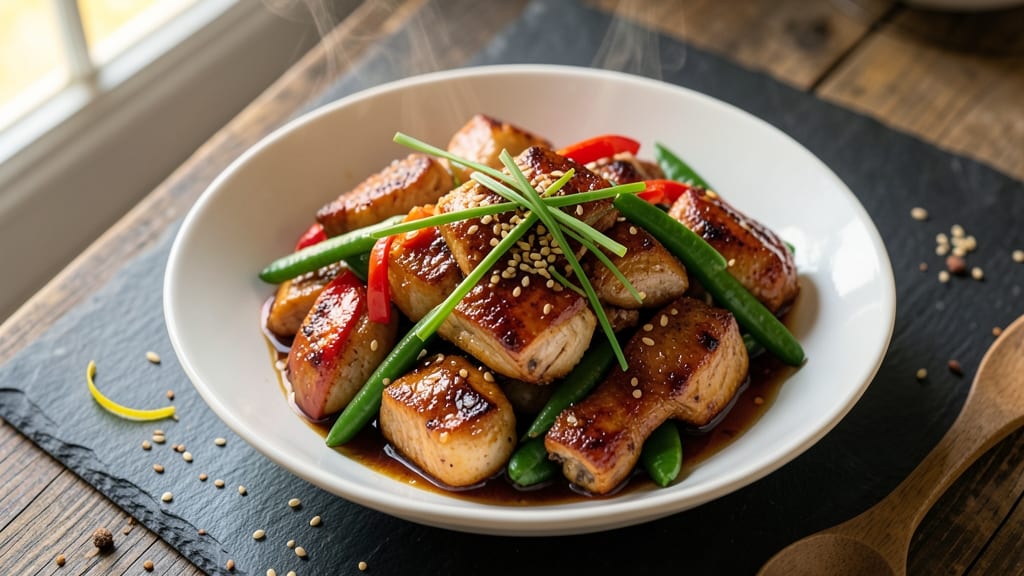
This authentic Chinese chicken stir fry delivers the restaurant-quality balance of crisp-tender chicken and aromatic sauce that defines Cantonese home cooking. The secret lies in proper marinating, high-heat wok technique, and a sauce that marries sweet, salty, and umami flavors without overpowering the natural taste of the chicken. I've perfected this recipe over years of testing, ensuring every bite captures that signature "wok hei" - the smoky breath of properly stir-fried food.
What sets this recipe apart is the attention to traditional techniques while keeping it accessible for home cooks.
We'll use a simple marinade of soy sauce and cornstarch to create that signature crisp-tender texture, then build a sauce with oyster sauce, hoisin, and a touch of sugar that's balanced and complex.
The aromatics - garlic, ginger, and scallions - are cooked just until fragrant, preserving their freshness while adding depth to every bite.
The result is a dish that's both restaurant-worthy and simple to prepare at home. The chicken emerges with perfect golden-brown edges and juicy centers, coated in a glossy sauce that clings beautifully.
This stir fry isn't just about flavor - it's about achieving that authentic wok-heated experience that makes Chinese takeout taste so special.
Serve immediately over steamed jasmine rice or egg noodles to complete the meal. The high heat cooking method means this dish tastes best fresh, with the sauce absorbing into the rice or noodles for maximum flavor impact.
Let's create this authentic Chinese classic that will transport you to a bustling Cantonese kitchen.
Ingredients for authentic chinese chicken stir fry
Authentic Cantonese flavors start with these carefully chosen ingredients for crisp-tender chicken and aromatic sauce.
| Ingredient | Amount | Notes |
|---|---|---|
| Boneless Chicken Thighs 🍗 | 1 ½ lb | Cut into 1-inch pieces, skin-on preferred |
| Light Soy Sauce 🥄 | ½ cup | Kikkoman preferred for authentic flavor |
| Cornstarch 🌾 | 2 tbsp | For crisp-tender texture |
| Neutral Oil 🫒 | ½ cup | Peanut or vegetable oil for high heat |
| Oyster Sauce 🦪 | ¼ cup | Lee Kum Kee brand for authentic umami |
| Hoisin Sauce 🍶 | 2 tbsp | For balanced sweet-savory depth |
| Garlic Cloves 🧄 | 6 cloves | Minced, fresh preferred |
| Fresh Ginger 🌿 | 2 tbsp | Finely grated, peeled |
| Scallions 🧅 | ¼ cup | Thinly sliced, white and green parts |
| White Sugar 🍚 | 1 tbsp | For balanced sweetness |
| Sesame Oil 🫒 | 1 tsp | Toasted, for aroma |
| Jasmine Rice 🍚 | 2 cups | Uncooked, long-grain preferred |
| Ground White Pepper 🌶️ | ½ tsp | For subtle heat |
The chicken thighs are non-negotiable for authentic texture—skin-on delivers that signature crispy edge. Costco or Asian markets often carry pre-cut pieces, but if cutting yourself, trim excess fat for cleaner cooking. For the soy sauce, Kikkoman light soy is the gold standard in Cantonese kitchens, though any high-quality light soy will work. The cornstarch isn't just for thickening; it's what creates that signature restaurant-quality crisp-tender texture when properly marinated. Tofu skin can be used for a vegetarian alternative, but the texture will differ noticeably.
No oyster sauce? Substitute with 2 tbsp fish sauce plus 1 tsp sugar—though purists argue nothing replaces the authentic umami. Fresh ginger and garlic should be peeled and minced just before cooking to preserve their volatile oils. Substitute with 1 tsp ground ginger if fresh isn't available, but you'll lose some complexity. The scallions can be swapped for regular onions (finely chopped), though they add a more delicate freshness. For extra heat, add a pinch of chili flakes or Szechuan peppercorns—just be warned, they're habit-forming. The sesame oil should be toasted (heat in a dry pan for 30 seconds) to release its nutty aroma before adding to the sauce.
Marinated chicken keeps 2-3 days in the fridge, but the sauce is best made fresh. Portion the sauce into small containers if making ahead—it reheats beautifully but can separate. The jasmine rice should be steamed to perfection (1:1.25 rice-to-water ratio) and kept warm in a rice cooker or covered pot. For maximum wok hei, cook the stir fry in a cast-iron skillet or wok over maximum heat—this isn't a simmering dish. Leftovers store for 3 days in the fridge, though the texture softens slightly with each reheat. Freeze portions for up to 2 months if you're planning ahead.
Why You'll Love This Recipe
- One-Pan Magic: I swear by this recipe—just chicken, a drizzle of oil, and a quick toss in the wok. No messy sauces to measure, no extra bowls to wash. That cornstarch coating? It turns the chicken into crispy little bites with zero effort.
- Umami Bomb: The combo of light soy and oyster sauce hits different—salty, sweet, and deep all at once. Honestly, I’ve tried store-bought stir-fry packets, but this? It’s the real deal, and my picky eaters actually ask for seconds.
- Leftovers That Don’t Suck: This dish tastes even better the next day (yes, really). I make a big batch on Sundays, and by Wednesday, it’s still packed with flavor—perfect for lunches or a lazy night when I don’t want to cook.
- Budget Meal, Big Flavor: Chicken thighs are cheap, and a little oil goes a long way. Between us, this recipe feeds four for under $10, and the oyster sauce stretches to make it feel fancy. My wallet and my taste buds thank me.
Step-by-step instructions for authentic Chinese chicken stir fry
Master the wok-hei technique with these precise steps for restaurant-quality results.
Prepare the Chicken for Maximum Crisp-Tenderness
Cut the 1.5 lb boneless chicken thighs into 1-inch pieces, keeping skin on if possible for better texture. In a medium bowl, combine the chicken with 2 tbsp cornstarch and toss until evenly coated. The cornstarch creates a light batter that ensures crispy edges while keeping the interior juicy. Let the coated chicken rest for 10 minutes at room temperature—this prevents uneven cooking when it hits the hot wok.
While the chicken rests, prepare the marinade by whisking together 0.5 cup light soy sauce, 0.25 cup oyster sauce, 2 tbsp hoisin sauce, 1 tbsp white sugar, and 0.5 tsp ground white pepper in a small bowl. The sugar and hoisin balance the saltiness while the pepper adds subtle depth. This marinade will infuse the chicken with authentic umami flavor during the quick stir-fry process.
Cook the Jasmine Rice to Perfect Texture
Rinse the 2 cups jasmine rice under cold water until the water runs clear, then drain in a fine-mesh strainer. This removes excess starch that can make the rice gummy. In a pot with a tight-fitting lid, combine the rice with 3 cups water (or follow package instructions) and bring to a boil over high heat. Once boiling, immediately reduce heat to low, cover, and simmer for 15 minutes without lifting the lid. The rice should absorb all the liquid and develop a fragrant, slightly sticky texture—ideal for soaking up the stir-fry sauce.
After 15 minutes, turn off the heat and let the rice steam, covered, for another 10 minutes. This resting period allows the grains to fully gelatinize and develop that signature jasmine aroma. Fluff the rice gently with a fork before serving to separate the grains and prevent clumping.
Stir-Fry the Chicken with Wok-Hei Technique
Heat a wok or large skillet over high heat until it's smoking hot. Add 0.5 cup neutral oil (peanut or vegetable) and swirl to coat the surface evenly. The oil should shimmer but not smoke excessively—this is your signal the wok is ready. Add the marinated chicken in a single layer and let it sear undisturbed for 2-3 minutes until the edges turn deep golden brown. This initial sear locks in juices and creates that signature wok-hei flavor.
Stir the chicken vigorously with a pair of tongs, working in batches if needed to avoid overcrowding. Cook for another 3-4 minutes until the chicken is 85% cooked through (it will finish in the sauce). Remove the chicken and set aside on a plate. The high heat and quick cooking ensure tender yet crisp edges—this is the hallmark of authentic Chinese stir-fry technique.
Build the Stir-Fry Sauce and Combine
In the same wok, add 6 cloves minced garlic and 2 tbsp finely grated ginger to the rendered chicken fat. Stir-fry for 30 seconds until fragrant—don't let them burn, as this creates bitterness. Add the 0.25 cup thinly sliced scallions and stir for another 20 seconds until just wilted. Return the chicken to the wok and pour in the reserved marinade. Toss everything together for 1-2 minutes until the sauce coats the chicken evenly and reduces slightly.
Finish by drizzling in 1 tsp toasted sesame oil and tossing one final time. The sesame oil adds a nutty aroma that elevates the dish. Taste and adjust seasoning if needed—authentic stir-fry should balance sweet, salty, and umami flavors. Serve immediately over the jasmine rice, garnished with extra scallions if desired.
Pro Tips For Making Authentic Chinese Chicken Stir Fry
- CUT CHICKEN IN HALF: Thighs stay juicy when they’re uniform—slice each piece into two even halves before coating in cornstarch. I used to leave them whole, and they’d either overcook on the outside or stay raw inside. Half-moons sear faster and absorb sauce better.
- VELVETIZE THE SAUCE: Mix light soy and oyster sauce with a splash of water (about 1:1 ratio) before adding to the pan. The sauce needs to simmer, not boil—if it’s too thick, it’ll clump. Stir constantly for 30 seconds after adding chicken, or you’ll end up with gloppy bits.
- DON’T CROWD THE PAN: Cook chicken in two batches if your wok’s smaller than 12 inches. I learned this after a batch of soggy, steamed chicken that never got crispy. Overcrowding drops the pan’s temperature, and that’s when flavor disappears.
- SALT THE CHICKEN FIRST: Toss raw chicken with ½ teaspoon salt before cornstarch—this seasoning gets locked in during the sear. I skipped this once and ended up with bland chicken that needed extra soy sauce to fix. (Yes, even if you’re using salty oyster sauce.)
Flavor customization for this dish
Spicy Sichuan Twist
Transform this classic into a fiery Sichuan stir-fry by adding 1 tbsp chili bean paste (Lao Gan Ma brand) and 1 tsp Sichuan peppercorns (toasted and crushed) to the marinade. The peppercorns create that signature numbing sensation while the chili bean paste brings deep, complex heat.
Finish with 1 tsp doubanjiang (fermented chili bean paste) stirred into the sauce just before serving for maximum authenticity. 🌶️
Sweet and Tangy Cantonese
For a sweeter, more balanced version, increase the sugar to 2 tbsp and add 1 tbsp Shaoxing wine to the marinade. Stir in 1 tbsp pineapple juice with the sauce to create a subtle tanginess that complements the richness.
Garnish with toasted sesame seeds for extra texture and aroma. This version works beautifully with pineapple chunks added during the final stir.
Nutty Peanut Sauce
Swap the traditional sauce for a creamy peanut version by mixing ½ cup smooth peanut butter, 2 tbsp soy sauce, 1 tbsp hoisin sauce, 1 tbsp honey, and 1 tsp rice vinegar.
Thin with 2 tbsp warm water and toss with the cooked chicken. Top with crushed peanuts and cilantro for a Thai-inspired fusion that still feels authentically Asian. 🥜
Vegetable-Packed Version
Add 1 cup bell peppers (red/yellow), 1 cup snap peas, and 1 cup shiitake mushrooms sliced to the wok after removing the chicken. Cook for 1-2 minutes until just tender-crisp.
For extra umami, add 1 tbsp vegetarian oyster sauce (like Annie Chun's brand) to the marinade. This version makes a great vegetarian-friendly option while keeping all the authentic flavors.
Sweet and Sour Fusion
Create a sweet and sour variation by adding 2 tbsp rice vinegar and 1 tbsp ketchup to the sauce. Toss in ½ cup pineapple chunks and ½ cup red bell pepper strips during the final stir.
Garnish with green onions and serve over steamed rice. This version has a bright, tangy profile that's perfect for those who love contrast in flavors.
Garlic and Chili Heat
For a simpler but equally flavorful variation, add 4 extra garlic cloves and 1 tsp chili flakes to the stir-fry. Increase the sesame oil to 1.5 tsp for extra aroma.
This version delivers bold garlic flavor with a subtle kick that's perfect for spice lovers. Serve with extra scallions on the side for freshness. 🔥
Nutrition facts
Frequently asked questions
Why does this recipe use chicken thighs instead of breasts?
Chicken thighs stay juicier during high-heat stir-frying because they have more fat and connective tissue. The skin also adds crispy texture when cooked properly. Breasts can dry out quickly in the hot wok, while thighs maintain their moisture while achieving that perfect crisp-tender bite.
Can I substitute boneless chicken breasts?
You can try, but expect less authentic texture. Cut breasts into ½-inch pieces and marinate for 20 minutes (longer than thighs) to help them stay tender. Cook at slightly lower heat (medium-high) and remove from wok when just cooked through (165°F internal temp).
What's the best way to get that restaurant-style wok hei?
Use a carbon steel or cast iron wok heated to maximum temperature until smoking. Add oil when it shimmers, then work quickly—don't overcrowd the pan. The secret is cooking in batches if needed, and finishing with a splash of hot water or white wine to create steam that carries aromas.
How do I adjust the sauce if I don't have oyster sauce?
Replace ¼ cup oyster sauce with 2 tbsp fish sauce + 1 tsp sugar for umami depth. For vegetarian, use 2 tbsp vegetarian oyster sauce + 1 tsp soy sauce. The sauce will be slightly less complex but still flavorful. Taste and adjust sweetness with extra sugar or salt as needed.
Why does my chicken turn out rubbery instead of crisp-tender?
This usually happens from overcrowding the pan or undercooking. Cook in single layers with space between pieces, and remove chicken when 85% done (it finishes in the sauce). Also ensure your wok is properly heated—cold oil leads to greasy, soggy chicken instead of crisp edges.